

6 Health Benefits of a Quality Shade Structure for Your School Property
Quality shade structures in schools significantly reduce the risk of skin cancer and heat-related illnesses while promoting outdoor activities and protecting equipment.
 Furkan Sen8 January 20245 Mins read374

Table of Contents Show
Shade structures for schools are outdoor canopies, sails, or covered shelters that protect students and staff from UV rays, heat, and rain. Beyond comfort, a quality shade structure lowers skin cancer and heat stroke risk, encourages outdoor activity, and helps protect both people and playground equipment from sun damage.
A shade structure is an exterior fixture that shelters people from harsh temperatures and outdoor elements. In its simplest form it pairs a roof covering with supports, and it comes in a wide range of shapes, sizes, fabrics, and colours.
These additions suit almost any public or private outdoor gathering spot, and many already sit in educational settings like schools, training facilities, and universities. They serve as refuge from unpleasant weather, but they also work as health-promoting fixtures that look after students, parents, and teachers outside the enclosed walls of the building.
There are several reasons a shade structure earns its place on campus. Below are six health-focused considerations worth weighing during your next property maintenance or renovation project, along with the design choices that get the most from them.
📌 Did You Know?
The World Health Organization advises using sun protection such as shade, hats, and clothing whenever the UV Index reaches 3 or above. In many regions that threshold is crossed for most of the school day during spring and summer, which is exactly when playgrounds and sports fields see the heaviest use.
1. It Lowers Skin Cancer Risk
Among the most damaging weather conditions students face outdoors is scorching sunlight. Skin cancer is one of the most common cancers in the world, with the American Academy of Dermatology reporting that roughly 9,500 people in the US are diagnosed with it every day.
The condition reaches far beyond one country. People from Australia to England feel its effects, and while genetics play a part, the main driver of its global spread is long sun exposure. Short bursts of sun can cause a painful sunburn that fades. Long, repeated exposure can trigger photoaging and permanently change the skin’s structure.
The reason is ultraviolet (UV) radiation. According to the World Health Organization, UV rays damage cellular DNA and can lead to abnormal growth such as basal and squamous cell carcinoma and melanoma. Children are especially vulnerable because they have thinner outer skin layers and lower melanin levels than adults.
🔢 Quick Numbers
- Around 9,500 people in the US are diagnosed with skin cancer every day (American Academy of Dermatology)
- Over 1.5 million skin cancer cases were diagnosed worldwide in 2020 (World Health Organization)
- More than 120,000 skin-cancer-associated deaths were reported globally in 2020 (World Health Organization)
The practical fix is a combination of sunscreen and reduced exposure. The US Centers for Disease Control and Prevention lists seeking shade as a primary sun-safe behavior for schools, alongside hats and clothing. A well-placed shade structure does the heavy lifting on campus, keeping sensitive skin out of harsh UV during peak hours.
The best spots are playgrounds, waiting areas, outdoor gyms, and anywhere students gather. The same logic guides smart playground layout, which is covered in these principles for planning school outdoor environments.
2. It Protects Against Heat Stroke
Prolonged sun exposure also raises the risk of heat stroke. This heat-related illness sets in when the body can no longer regulate its own temperature, losing the ability to sweat and cool down. Internal temperature can climb to 106°F (41°C) or higher, bringing symptoms like rapid breathing, confusion, and loss of consciousness. Left untreated, it can be fatal.
Schools usually have climate control indoors, but plenty of activity happens outside, from outdoor cafeterias to physical education classes. The CDC notes that staying cool and out of direct heat is one of the simplest ways to protect against heat-related illness. A shade structure gives students a cooler zone to rest and recover, helping them carry on with activities at a safer body temperature.
💡 Pro Tip
When specifying shade for a hot climate, choose a fabric with a high UV block rating and leave an air gap between the canopy and any seating below it. Open-sided sails that allow cross-breeze stay noticeably cooler underneath than fully enclosed roofs, which can trap warm air and cancel out part of the cooling benefit.
3. It Encourages Outdoor Activity
Students gravitate toward whatever feels most comfortable during free time, and that usually means cool, covered spots rather than bare, exposed ground. A well-designed shaded area invites kids back outside instead of crowding indoors.
A purpose-built option such as a shade structure from Greenline can become part of the school’s culture, a landmark that makes the outdoors feel usable again. With comfort over a wide area, children are more willing to join recreational activities because the risk of overheating drops and play is simply more pleasant without the sun beating down.
Adding high-quality commercial umbrellas over seating clusters or canteen lines extends that protection to smaller corners of the grounds. More time spent active outdoors supports cardiovascular health and helps students build stronger social bonds, which together make for a more well-rounded school day.
4. It Supports a Stronger Immune System
Spending time in a cold, wet environment, like an open yard during a rainy day, can temporarily weaken the body’s defenses and raise the odds of catching a cold or virus. A shade structure shields children and vulnerable adults from sudden downpours, keeping them dry and warm while reducing exposure that can leave the body run down.
5. It Preserves Equipment Safety and Integrity
People are not the only thing at risk from constant sun and rain. Manmade objects erode over time when left exposed, which is why covering a school’s play areas matters. Equipment such as swing sets and slides can rust when baked in the sun day after day.
Rusting hardware weakens a structure’s integrity and raises the chance of scrapes, cuts, and bruises during play. In the worst cases that leads to infection and a costly hospital visit. Unshaded areas are also more likely to collect debris and stray objects that turn into trip hazards underfoot.
⚠️ Common Mistake to Avoid
Schools often install shade only over seating and forget the equipment itself. Plastic slides and metal climbing frames left in full sun can reach burn-causing surface temperatures and degrade far faster. Plan the canopy footprint around the play equipment, not just the benches beside it.
To cut the chance of school equipment becoming a source of injury, a shade structure helps preserve the quality and lifespan of those fixtures.
6. It Improves Mental Health
Time spent outside in nature is a reliable mental health boost. Since schoolwork is stressful for both teachers and students, a designated place to pause and recharge can make a real difference to everyone on the grounds.
A shaded structure can sit almost anywhere on the property. Position it to overlook trees and fields, or tuck it behind the main school building where people can sit quietly. Wherever it lands, the structure gives the student body a calmer outdoor refuge.
These spaces double as spots for reflection, creativity, and focused study, which can carry over into better classroom performance. For older students under heavy academic pressure, pairing outdoor breaks with these wellness essentials for managing school stress makes the routine even more effective.
Health and environmental impact data is based on available research and may vary by individual conditions and climate.
Putting It All Together
Bottom Line: A quality shade structure is far more than a comfort upgrade for a school. It cuts UV and heat exposure for vulnerable young skin, keeps children active and protected, extends the life of outdoor equipment, and gives the whole community a calmer place to breathe. Map your highest-traffic outdoor zones first, then size the shade to cover both the people and the gear they use most.




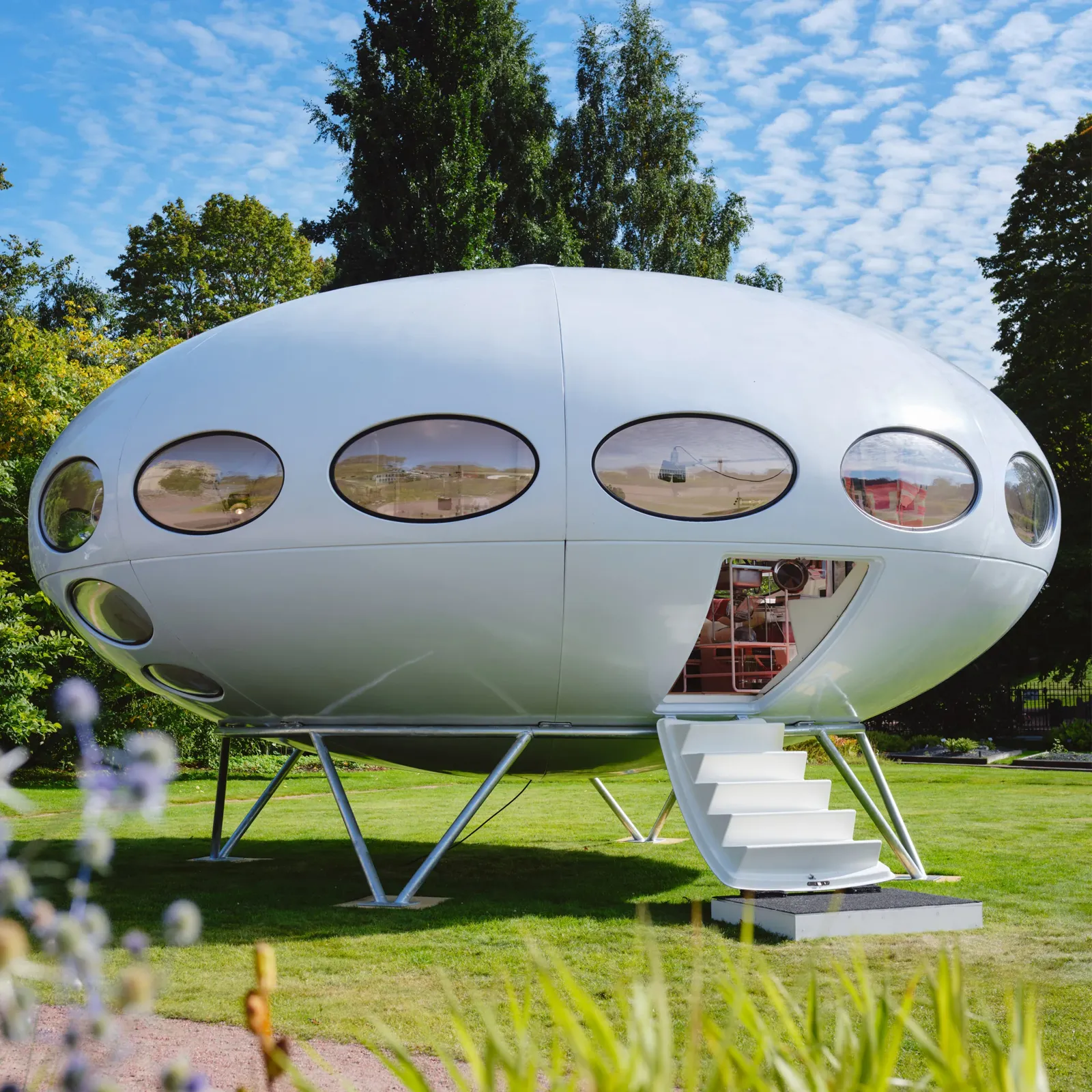
Futuro House Production Revived in Finland After Decades-Long Hiatus
A Facebook listing for abandoned moulds led to the first new Futuro...
 illustrarch Editoral Team3 Mins read
Building Your Dream Home in NSW: What You Should Know About Montgomery Homes
Montgomery Homes has been building across Sydney, Newcastle, the Hunter, Wollongong and...
illustrarch Editoral Team4 Mins read
Designing a Home Theater: Where Drapery Fits Into the Plan
In a media room the curtains are a performance layer, not decoration....
illustrarch Editoral Team3 Mins read

Oscar Niemeyer’s Cathedral of Brasília: The Hyperboloid Concrete Hymn
The Cathedral of Brasília reads as a single gesture, yet it stood...
Furkan Sen7 Mins read


Leave a comment