

Top Florida Locations for Architecture Enthusiasts to Settle Down
Florida architecture spans centuries of style, from Miami's Art Deco district to Sarasota's Mid-Century Modern homes and St. Augustine's Spanish colonial buildings. Explore eight cities where design lovers can settle down and enjoy daily architectural inspiration.
 illustrarch Editoral Team8 November 20258 Mins read354
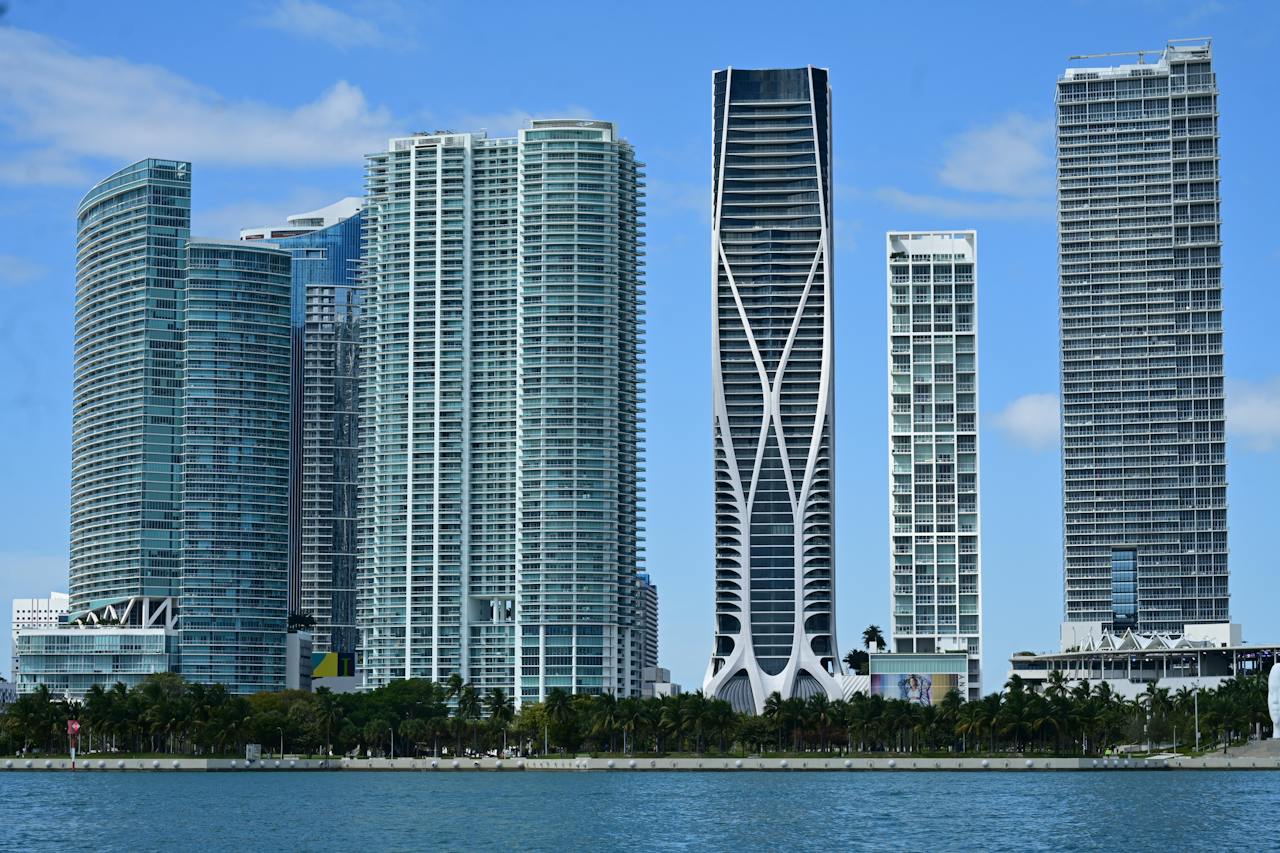
Table of Contents Show
Are you an architecture enthusiast looking to settle down in a place that offers a blend of historical charm and modern design? Florida architecture spans centuries of stylistic evolution, from Spanish colonial fortresses to sleek contemporary towers. The Sunshine State is home to diverse styles, from historic landmarks to cutting-edge contemporary designs, making it an ideal destination for anyone passionate about the built environment. We’ll guide you through some of the top Florida locations for architecture enthusiasts to call home.
Miami: Where Modern Meets Art Deco
Miami’s skyline is famous for its iconic and diverse architecture. The Art Deco Historic District in South Beach stands out as a prime destination for architecture enthusiasts. With its pastel-colored buildings, ornate facades, and neon accents, this area effortlessly transports you back to the glamorous era of the 1930s. As you wander down Ocean Drive and Collins Avenue, you’ll immerse yourself in the Art Deco vibes while enjoying the vibrant beachfront atmosphere that Miami is known for. The district holds the largest concentration of Art Deco architecture in the world, with over 800 preserved Florida historic buildings dating from 1923 to 1943.
In addition to its Art Deco treasures, Miami offers modern architectural marvels that showcase the city’s commitment to innovation. The Pérez Art Museum Miami (PAMM) is a striking testament to contemporary design, featuring sleek lines and captivating aesthetics. Likewise, with its avant-garde architecture, the Faena Forum epitomizes Miami’s constant evolution as a hub for contemporary creativity. The centenary of Art Deco in 2025 has brought renewed attention to Miami’s architectural heritage, with exhibitions and events celebrating the style’s enduring influence. Miami truly offers architecture enthusiasts a dynamic blend of historical charm and cutting-edge modernity.
Key Architectural Styles in Miami
Miami’s architectural landscape goes beyond Art Deco. You’ll also find Streamline Moderne, Mediterranean Revival, MiMo (Miami Modern), and Tropical Modern styles scattered across different neighborhoods. This variety makes the city a living textbook of 20th-century FL architecture.
Tampa: A Slice of History
For history buffs with a deep appreciation for architectural preservation, Tampa is a hidden gem waiting to be explored. Ybor City, a historic district rooted in the cigar industry, showcases the city’s rich history through stunning red-brick buildings and intricate ironwork balconies. Taking a stroll through its cobblestone streets feels like stepping back in time to the late 19th century, where the spirit of a bygone era is still tangible.
Adding to Tampa’s allure is the Henry B. Plant Museum, settled within the former Tampa Bay Hotel. This Moorish Revival masterpiece serves as a captivating reminder of the grandeur and opulence of the Gilded Age. Designed by J.A. Wood and completed in 1891, the building features 13 silver minarets and a dramatic Moorish-style facade that remains one of the most recognizable landmarks in all of Florida architecture. Tampa’s commitment to preserving its historical architecture while embracing modern growth creates a unique and enriching architectural experience for enthusiasts. The city offers a delightful blend of nostalgia and progress that is sure to fascinate anyone with an interest in this type of history.

St. Augustine: Oldest City, Timeless Beauty
St. Augustine, the oldest city in the United States, is a true architectural treasure trove. It is also one of the cherished Florida locations for architecture enthusiasts to settle down. Its Spanish colonial buildings, characterized by coquina stone structures and red-tiled roofs, are simply captivating. Visit the Castillo de San Marcos, a 17th-century fortress built from locally quarried coquina, and walk along St. George Street to admire the well-preserved historic buildings. These Florida historic buildings represent some of the oldest surviving European-built structures in the country.
Beyond the Colonial Era in St. Augustine
Aside from its colonial charm, St. Augustine has a thriving arts scene featuring contemporary galleries and studios. The city also houses Flagler College, formerly the Hotel Ponce de Leon, a Spanish Renaissance masterpiece built by railroad tycoon Henry Flagler in 1888. Its 68-foot domed ceiling and ornate caryatids make it one of the finest examples of Gilded Age architecture in Florida.
Sarasota: Mid-Century Modern Haven
Sarasota is often considered the epicenter of the Mid-Century Modern architectural movement in Florida. The Sarasota School of Architecture, spearheaded by renowned architects like Paul Rudolph and Ralph Twitchell, left a lasting mark on the city’s landscape. You can explore their innovative designs in homes, schools, and public buildings throughout Sarasota. The Sarasota Architectural Foundation offers tours and events that allow you to explore the city’s architectural legacy in depth.
What made the Sarasota School distinctive was its response to Florida’s subtropical climate. Architects used cross-ventilation, deep overhangs, and open floor plans to create homes that worked with the natural environment rather than against it. This approach to modern architecture influenced residential design across the southeastern United States and remains relevant to sustainable building practices today.
Coconut Grove: Bohemian Paradise
Located in the heart of Miami, Coconut Grove offers a unique blend of bohemian charm and architectural diversity. This vibrant neighborhood is home to the iconic Vizcaya Museum and Gardens, a striking Italian Renaissance-style villa surrounded by beautifully landscaped gardens. Its ornate architecture and serene waterfront location make it a must-visit.
The neighborhood also features a mix of styles, including Mediterranean Revival, Art Deco, and modern designs, making it an intriguing destination for those seeking both historical and contemporary inspiration. Whether you’re exploring historic sites or enjoying the artistic and cultural scene, Coconut Grove shouldn’t be overlooked by architecture enthusiasts looking to settle down in Florida. You can read more about how architecture influences communities to understand why neighborhoods like Coconut Grove thrive.
If you love the local vibe and are considering making Coconut Grove your home, you can easily find moving experts in the area to assist with your relocation. This bohemian paradise offers a welcoming community, artistic spirit, and a variety of housing options, making it an ideal place for architecture enthusiasts to settle down and immerse themselves in the architectural wonders of this charming neighborhood.
Palm Beach: Elegance and Luxury
For those with a taste for luxury, Palm Beach is one of the top Florida locations for architecture enthusiasts to settle down. This exclusive island enclave is renowned for its extravagant mansions and estates, each with its unique architectural style. The Mediterranean Revival, Georgian Revival, and Beaux-Arts styles are prevalent, creating a visual feast.
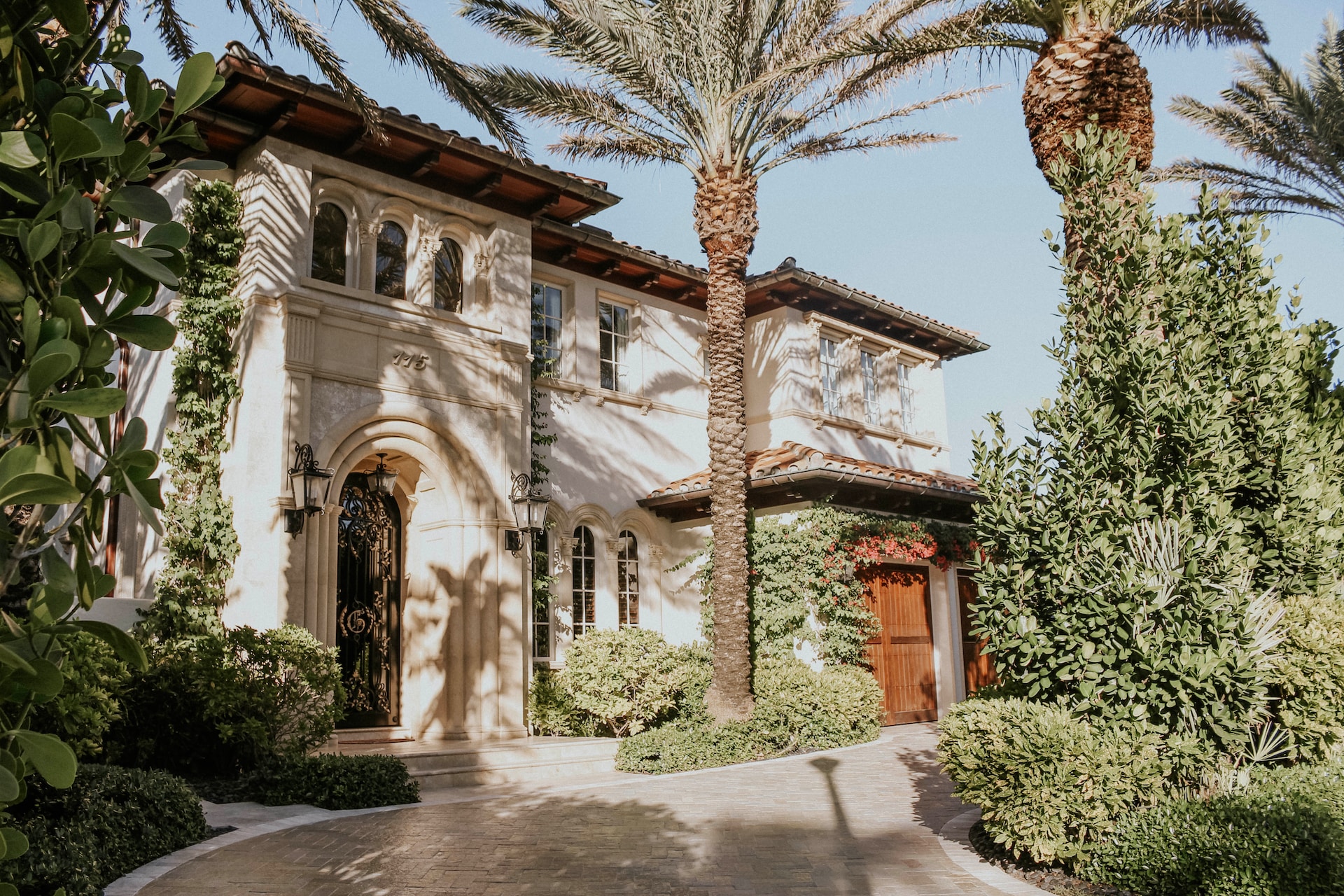
Worth Avenue, often dubbed “Rodeo Drive of the East Coast,” showcases upscale shops and boutiques housed in beautiful Mediterranean-style buildings. Strolling down this prestigious avenue, you’ll witness high-end architecture and experience the epitome of luxury shopping. Palm Beach also offers a glimpse into Gilded Age grandeur through Whitehall, Henry Flagler’s 75-room marble palace completed in 1902, now open to the public as the Flagler Museum. This National Historic Landmark is one of the finest examples of Beaux-Arts architecture in Florida.
Imagine embarking on a road trip to your holiday home in Palm Beach, where elegance meets luxury. This exclusive island is a haven for architecture enthusiasts, boasting extravagant mansions in styles like Mediterranean Revival and Beaux-Arts. As you explore Worth Avenue, known as the “Rodeo Drive of the East Coast,” you’ll encounter upscale boutiques in stunning Mediterranean-style buildings. If you decide to make Palm Beach your permanent residence, a car transport company can ensure your vehicle arrives safely, allowing you to fully immerse yourself in the opulent lifestyle this destination offers.
Naples: Tropical Retreat with a Twist
On Florida’s southwest coast, Naples offers a unique blend of tropical living and modern architecture. The city’s downtown area features contemporary designs that harmonize with the natural beauty of the Gulf of Mexico. With its clean lines and open structure, Naples Pier is a gem that provides superb views of the sunset, creating a breathtaking backdrop for your evening strolls.
In addition to modern architecture, Naples features elegant Mediterranean and Italianate-style homes. These picturesque residences, often among swaying palm trees, contrast the contemporary structures that appeal to a wide range of tastes. Whether you prefer the sleek lines of modernity or the timeless allure of Mediterranean aesthetics, Naples has something for every architectural enthusiast seeking a tropical retreat with a twist.

Coral Gables: The City Beautiful
No discussion of architecture in Florida would be complete without mentioning Coral Gables. Founded in the 1920s by developer George Merrick, this planned community was designed from the start as a Mediterranean Revival showpiece. Merrick hired artists and architects to create a unified aesthetic rooted in Spanish, Italian, and Moorish design traditions.
Today, Coral Gables is home to the Biltmore Hotel, a 1926 landmark that blends Mediterranean and Moorish Revival elements. The city also features distinctive “village” sections inspired by architecture from China, France, South Africa, and other regions, giving Coral Gables a one-of-a-kind international character. Strict zoning codes have preserved much of Merrick’s original vision, making Coral Gables a remarkable example of how thoughtful urban planning can protect architectural heritage over time.
Lakeland: Frank Lloyd Wright’s Florida Legacy
Architecture enthusiasts often overlook Lakeland, but it holds a remarkable distinction. Florida Southern College is home to the largest single-site collection of Frank Lloyd Wright buildings in the world. Known as the “Child of the Sun” collection, these 12 structures were designed between 1941 and 1958 and showcase Wright’s organic architecture philosophy.
The campus buildings feature signature Wright elements: cantilevered roofs, textile block construction, and careful integration with the surrounding landscape. Walking through campus feels like touring a private Wright museum, and guided tours are available year-round. For anyone passionate about FL architecture, Lakeland is worth a visit, and its affordable cost of living makes it an appealing option for settling down.
Comparing Florida’s Top Architecture Destinations
Choosing where to settle depends on your stylistic preferences, budget, and lifestyle goals. The table below highlights the key architectural character of each location:
| Location | Primary Architectural Style | Era | Notable Landmark |
|---|---|---|---|
| Miami | Art Deco, MiMo, Contemporary | 1930s to present | Art Deco Historic District |
| Tampa | Moorish Revival, Red-Brick Industrial | Late 1800s to early 1900s | Henry B. Plant Museum |
| St. Augustine | Spanish Colonial, Coquina Stone | 1600s to 1800s | Castillo de San Marcos |
| Sarasota | Mid-Century Modern | 1940s to 1960s | Sarasota School buildings |
| Palm Beach | Mediterranean Revival, Beaux-Arts | Early 1900s to present | Flagler Museum (Whitehall) |
| Naples | Mediterranean, Tropical Modern | Mid-1900s to present | Naples Pier |
| Coral Gables | Mediterranean Revival, International Villages | 1920s to present | Biltmore Hotel |
| Lakeland | Organic (Frank Lloyd Wright) | 1941 to 1958 | Child of the Sun Collection |
Why Florida Architecture Attracts Enthusiasts from Around the World
Florida’s architectural appeal goes beyond individual buildings. The state’s unique geography, climate, and cultural history have produced a remarkable variety of building traditions. Coastal conditions pushed architects to develop creative solutions for humidity, hurricanes, and flooding. Spanish, Caribbean, and American influences blended over centuries to produce styles you simply won’t find anywhere else.
Organizations like the American Institute of Architects (AIA) Florida Chapter actively promote architectural awareness through tours, awards, and preservation efforts. The Florida Chapter once recognized 100 buildings from the past century as part of their “Florida Architecture: 100 Years, 100 Places” initiative, highlighting the breadth and quality of the state’s built environment. For architecture students and lifelong learners, Florida also sits within reach of top architecture programs that offer hands-on exposure to these diverse styles.
Your Adventure Awaits in Top Florida Locations for Architecture Enthusiasts
Florida offers many opportunities for architecture lovers to find their perfect home. Whether you’re captivated by the Art Deco allure of Miami, the timeless beauty of St. Augustine, the Mid-Century Modern legacy of Sarasota, or the tropical retreat of Naples, there’s something for everyone.
Each of these Florida locations for architecture enthusiasts has its unique story to tell, and settling down in any of them promises a lifelong adventure. If you’re still exploring which cities with distinct architecture suit your taste, Florida deserves a top spot on your list. So, pack your bags and get ready to explore the architectural wonders that architecture in Florida has to offer.








Fibonacci Sequence in Architecture: 10 Iconic Examples and How They Work
From the spiral columns of ancient temples to the proportional grids of...
 Elif Ayse Sen14 Mins read

What Makes a Bathroom Truly High-End? The Decisions You Don’t See
Table of Contents Show Circulation That Survives Real UseMaterials Chosen for Behaviour,...
illustrarch Editoral Team3 Mins read

Summer Insulation Tips for Metal Garages, Shops, and Barns
Table of Contents Show Signs Your Building Needs Better InsulationBest Insulation Options...
illustrarch Editoral Team2 Mins read

Rammed Earth vs Adobe Construction: Ancient Techniques Compared
Rammed earth and adobe are the two oldest earthen construction techniques still...
 Furkan Sen11 Mins read


Leave a comment