

The Ultimate Guide to Modern Living Room Furniture: How to Choose, Arrange, and Style Your Space
From choosing the right sofa to mastering furniture layout in small and large spaces, this guide covers everything you need to know about modern living room furniture. Explore mid-century modern, coastal, and leather styles with actionable arrangement tips.
 Sinan Ozen16 February 202610 Mins read260

Table of Contents Show
Your living room is the heart of your home, the space where daily life unfolds, guests are welcomed, and personal style takes center stage. Choosing the right living room furniture can feel overwhelming with so many options available, from sleek minimalist pieces to cozy traditional designs. This guide breaks down everything you need to know about selecting, arranging, and styling furniture that works for your space, your lifestyle, and your budget.
Whether you are furnishing a brand-new home or refreshing a tired room, understanding the fundamentals of living room furniture design will help you make confident, lasting decisions. Below, we walk through style selection, space planning, layout strategies, and design ideas that bring it all together.

How to Choose Living Room Furniture That Fits Your Lifestyle
Before you start browsing catalogues or showrooms, take a step back and think about how you actually use your living room. Do you entertain frequently? Work from home on the couch? Have young children or pets? Your answers should guide every furniture decision you make.
Start by identifying your priorities. If comfort is paramount, look for deep-seated sofas with high-density foam cushions and durable upholstery. If you value aesthetics, prioritize pieces with clean lines and cohesive finishes. For families, stain-resistant fabrics and rounded edges offer peace of mind without sacrificing style. The key to knowing how to choose living room furniture is matching function with personal taste.
Quality matters more than quantity. A well-constructed sofa with a solid hardwood frame will outlast a cheap alternative many times over. Look for timeless furniture styles that will not feel dated in a few years. Investing in fewer, better pieces is a strategy that pays off in both durability and visual appeal.

Living Room Furniture Layout: Principles for Every Room
A great living room furniture layout balances aesthetics with everyday function. The goal is to create a space that flows naturally, encourages conversation, and feels proportionate to the room’s dimensions.
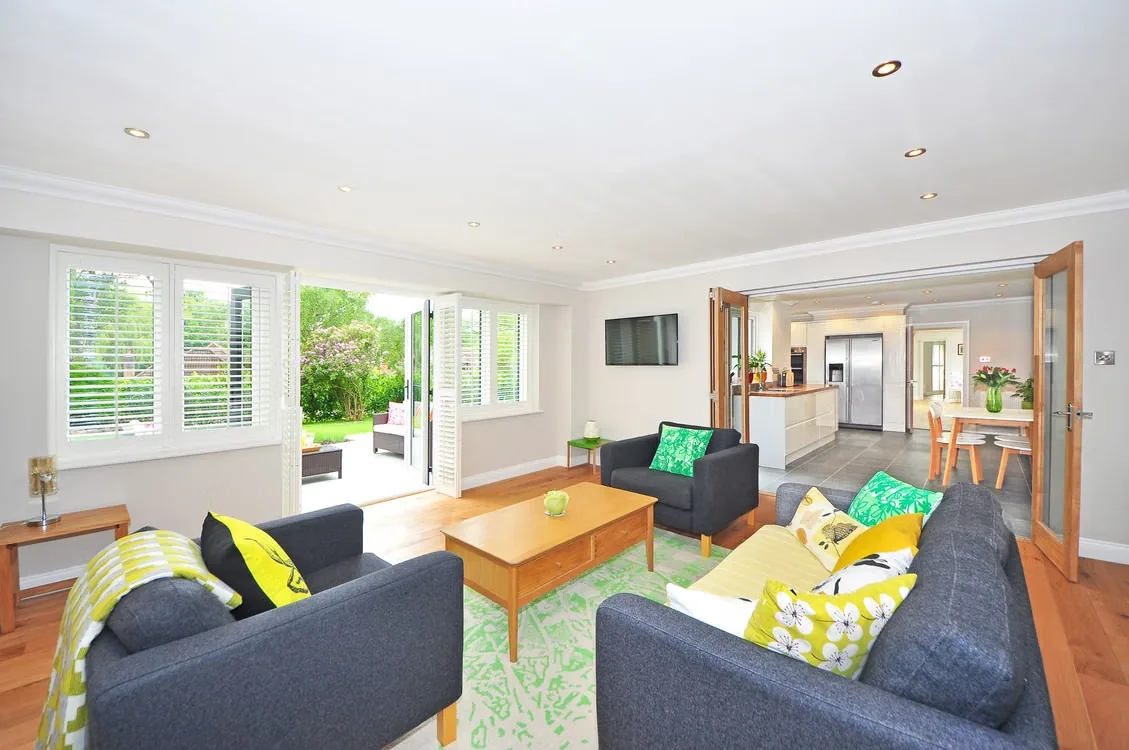
Begin by identifying a focal point, a fireplace, a large window, or a media console, and orient your primary seating toward it. Place your sofa facing the focal point, then add secondary seating like armchairs at perpendicular angles to create a conversational grouping. A coffee table should sit within easy reach of all seating, roughly 45 centimetres from the sofa edge.
Keep traffic pathways clear. As a general rule, leave at least 90 centimetres of walking space between furniture pieces and walls. This ensures the room feels open rather than cramped, even in smaller spaces. For more on creating balanced living room layouts and proportions, consider how conversation zones and visual weight distribution affect the overall atmosphere.
The furniture layout of living room spaces should also account for lighting. Position reading chairs near windows or floor lamps, and ensure overhead fixtures illuminate the room evenly without creating harsh shadows.

How to Arrange Furniture in a Small Living Room
Small spaces demand creative thinking. The secret to knowing how to arrange furniture in a small living room is choosing the right scale and being strategic about placement.
Opt for a compact two-seater sofa or a loveseat instead of a full-size sectional. Armless chairs and slim-profile side tables take up less visual and physical space. Nesting tables are particularly useful, they tuck away neatly when not in use and can be pulled out for entertaining. Multifunctional pieces like storage ottomans and sleeper sofas offer tremendous value in compact rooms.
When figuring out how to organize furniture in small living room spaces, resist the urge to push everything against the walls. Floating your sofa a few inches away from the wall and angling a chair in a corner can actually make a room feel larger by creating defined zones. Mirrors placed strategically opposite windows amplify natural light and give the illusion of depth.
Vertical storage is your friend. Wall-mounted shelves and tall bookcases draw the eye upward, making ceilings appear higher. These small living room furniture ideas work especially well in apartments and studio layouts where every square centimetre counts.
How to Place Furniture in Living Room Spaces of Any Shape
Not every living room is a perfect rectangle. L-shaped rooms, open-plan spaces, and rooms with multiple entry points each present unique challenges for how to place furniture in living room environments.
For L-shaped rooms, use the longer section for your primary seating arrangement and the shorter arm for a reading nook, workspace, or secondary seating area. A sectional sofa that follows the room’s shape can unify the space while defining zones naturally.
Open-plan living areas benefit from furniture as room dividers. A console table behind the sofa or a low bookshelf can separate the living area from the dining space without blocking sightlines. In rooms with multiple doorways, float furniture in the centre and maintain clear paths to each entrance. The principles of contemporary living room design emphasize open flow and seamless transitions between zones, which are especially relevant for unconventional room shapes.

Living Room Furniture Design Layout: Matching Style to Structure
Your living room furniture design layout should reflect both the architectural character of your home and your personal aesthetic. A modern loft with exposed brick calls for a different approach than a traditional colonial with crown moulding.
In contemporary spaces, keep furniture low-profile and streamlined. Sofas with slim metal or wooden legs allow light to pass underneath, keeping the room visually light. Pair them with geometric coffee tables and minimalist media units for a cohesive modern look. For traditional interiors, curved silhouettes, turned legs, and richer upholstery fabrics create warmth and formality. The design principles outlined by organizations like the American Institute of Architects (AIA) often emphasize harmony between furniture and architectural context.
Regardless of style, symmetry and balance remain important. If your sofa anchors one side of the room, balance it with a pair of chairs or a substantial bookcase on the opposite side. Asymmetrical layouts can work beautifully in eclectic spaces, but they require a keen eye for visual weight and proportion.
Exploring Mid-Century Modern Living Room Furniture
Mid-century modern living room furniture remains one of the most popular and enduring design styles, and for good reason. Defined by organic curves, tapered legs, clean lines, and functional simplicity, this aesthetic originated in the mid-20th century and continues to feel remarkably fresh.
Key pieces include the iconic Eames lounge chair, low-slung sofas with walnut or teak frames, and hairpin-leg coffee tables. Colour palettes tend toward warm neutrals accented with mustard yellow, olive green, or burnt orange. The style blends effortlessly with other aesthetics, making it a versatile foundation for living rooms of all sizes.
When incorporating mid-century pieces, avoid turning your room into a museum replica. Mix vintage finds with contemporary items, a mid-century credenza paired with a modern sectional, for instance, creates visual interest and keeps the space from feeling too thematic.

Coastal Living Room Furniture Ideas for a Relaxed Aesthetic
Coastal living room furniture ideas capture the easy, breezy atmosphere of seaside living, and you do not need to live near the ocean to pull off this look. The style centres on natural materials, soft textures, and a light, airy colour palette.
Choose sofas and armchairs upholstered in linen or cotton in shades of white, cream, soft blue, or sandy beige. Rattan and wicker accent chairs add organic texture, while driftwood-inspired coffee tables and light oak shelving reinforce the coastal vibe. Jute or sisal rugs ground the space and add warmth underfoot.
Avoid going overboard with nautical motifs, a few well-placed accessories like coral sculptures or woven baskets are more effective than covering every surface with seashells. The goal is a relaxed, lived-in feel that invites you to kick off your shoes and unwind. For inspiration on incorporating natural materials and sustainable design elements into your living room, consider pairing coastal pieces with reclaimed wood accents.
Ashley Living Room Furniture and Popular Retail Collections
For many homeowners, brands like Ashley living room furniture offer an accessible entry point into well-designed living spaces. Ashley and similar retailers provide coordinated collections that simplify the decision-making process, matching sofas, loveseats, and accent chairs designed to work together out of the box.
Coordinated collections are particularly useful if you want a cohesive look without hiring a designer. Look for sets that balance comfort with durability, paying attention to frame construction, cushion density, and fabric quality. While retail collections offer convenience, do not be afraid to mix in individual pieces from other sources to add personality and prevent the room from looking like a showroom floor.
When shopping retail, always measure your space before purchasing. A sofa that looks perfectly proportioned in a large showroom can overwhelm a compact living room. Bring a tape measure and reference your room dimensions and sofa sizing guidelines to avoid costly mistakes.

Black Living Room Furniture: Making a Bold Statement
Black living room furniture delivers instant sophistication and drama. A black leather sofa, dark wood media console, or matte black coffee table can anchor a room and serve as a striking contrast against lighter walls and textiles.
The key to using black furniture successfully is balance. Pair dark pieces with lighter elements, cream cushions, white walls, natural wood accents, and plenty of greenery, to prevent the room from feeling heavy or cave-like. Metallic accents in gold, brass, or chrome add warmth and visual lift alongside black furniture.
Black works particularly well in contemporary and industrial-inspired spaces, but it can also add a touch of elegance to more traditional rooms. A black wingback chair in a soft velvet, for example, feels both classic and modern. For broader advice on using bold colour choices in interiors, the principles of bold colour in living room design offer useful starting points.
Leather and Gray Living Room Furniture: Versatile Foundations
Leather living room furniture is a perennial favourite for good reason. It ages beautifully, cleans easily, and works across a range of styles from rustic to ultra-modern. Full-grain and top-grain leather offer the best quality and durability, developing a rich patina over time that adds character to your space.
Gray living room furniture provides an equally versatile foundation. Gray sits comfortably between warm and cool tones, making it compatible with virtually any accent colour. A gray sofa can be dressed up with jewel-toned cushions for a luxurious feel or paired with white and natural textures for a Scandinavian-inspired look.
Combining the two, a gray leather sofa, for instance, gives you the best of both worlds: the durability and tactile appeal of leather with the colour neutrality of gray. This combination serves as a reliable foundation for luxury living room design that can be restyled season after season simply by swapping out accessories. According to interior design principles, selecting a neutral base and layering in colour through accents is one of the most reliable approaches to creating adaptable, long-lasting spaces.

Frequently Asked Questions
What is the best way to arrange living room furniture for conversation?
Position your sofa and chairs facing each other, ideally no more than 2.5 metres apart, to create an intimate conversation zone. Anchor the grouping with a central coffee table and ensure every seat has a clear sightline to the others. Avoid placing all seating against the walls, as floating furniture inward creates a more inviting atmosphere.
How do I choose living room furniture for a small space?
Focus on scale and multifunctionality. Select compact sofas, armless chairs, and furniture with exposed legs to maintain visual openness. Storage ottomans, nesting tables, and wall-mounted shelves help maximize functionality without cluttering the room. Measure your space carefully and leave at least 90 centimetres for walkways.
What living room furniture style is most timeless?
Mid-century modern and transitional styles tend to have the longest staying power. Both emphasize clean lines, quality materials, and balanced proportions that age gracefully. Investing in neutral-toned foundational pieces and updating the look with accessories is the most reliable way to keep your living room feeling current.
How often should living room furniture be replaced?
Quality sofas and chairs can last 10 to 15 years with proper care. Accent pieces like coffee tables and shelving units can last even longer. Rather than replacing everything at once, refresh your space gradually by reupholstering cushions, updating throw pillows, and swapping out smaller accessories every few years.
Can I mix different furniture styles in one living room?
Absolutely. Mixing styles is one of the best ways to create a space with personality and depth. The key is to find a unifying element, a shared colour palette, consistent material like wood or metal, or a similar scale across pieces. For example, pairing a mid-century modern sofa with a contemporary glass coffee table and a vintage accent chair can look intentional and curated when tied together with a cohesive colour scheme.
How Do You Choose the Right Living Room Furniture?
Choosing living room furniture starts with how you use the space. Measure the room and main walkways first, then pick a sofa and key pieces in proportion, leaving enough room to move comfortably. Match the style and materials to your daily life, hard-wearing fabrics for families and lighter pieces for small spaces. Buying a few well-made, versatile pieces usually works better than filling the room with furniture.
Helpful Resources and Tools







A New Book Records the 1970s Interiors of Ebony and Jet’s Chicago Headquarters
820 Ebony/Jet collects Barbara Karant's photographs of the empty Johnson Publishing Company...
 illustrarch Editoral Team2 Mins read
How Integrated Furniture Can Shape the Architecture of Urban Interiors
Most people treat furniture as the last decision in interior architecture, yet...
illustrarch Editoral Team2 Mins read

Architecture and Interior Design: Can Architects Specialize in Both?
Architects hold most of the skills interior design needs, from space planning...
 Furkan Sen5 Mins read
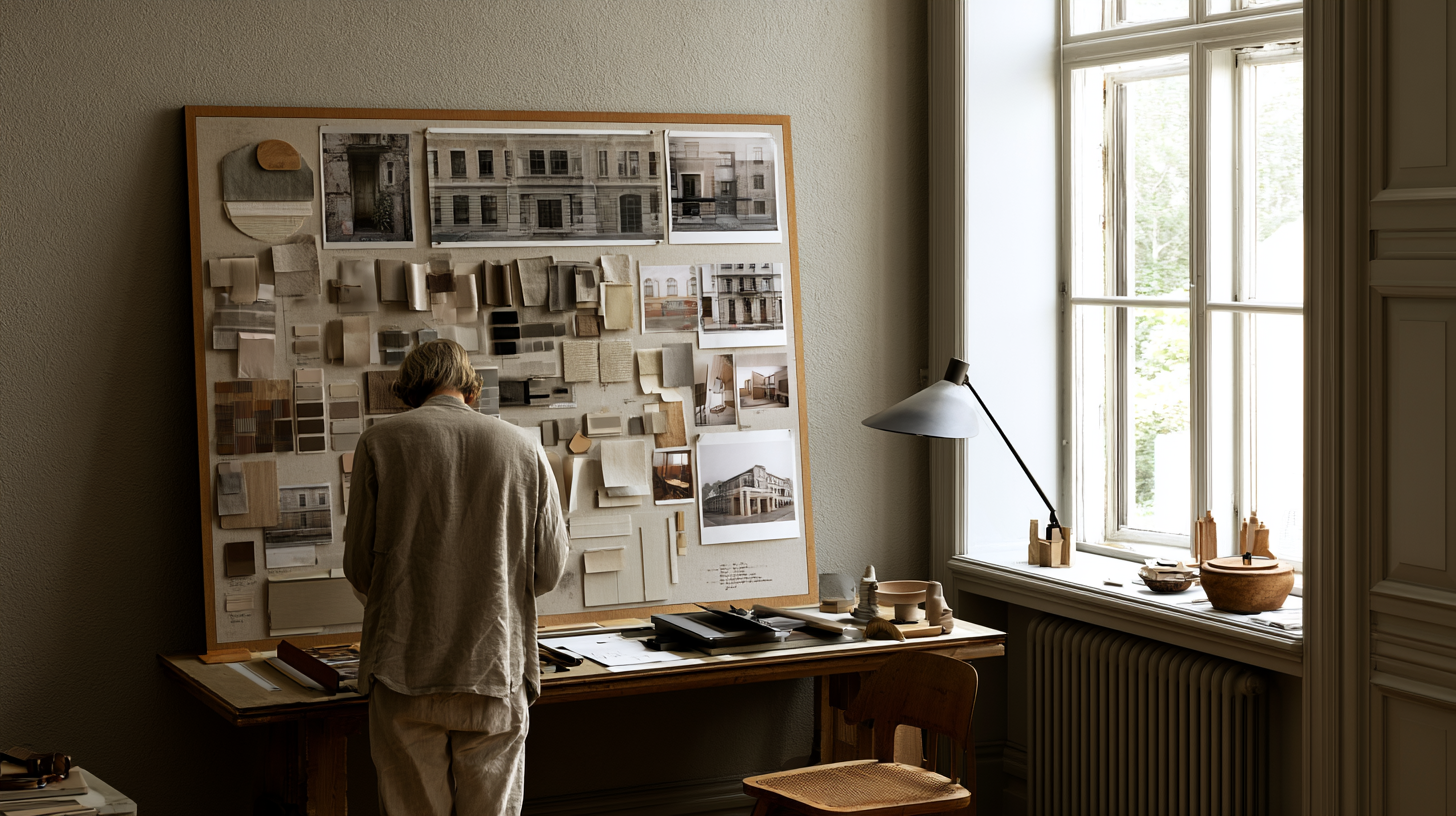
How to Make an Architecture Mood Board: A Step-by-Step Guide
A practical walkthrough for building an architecture mood board, covering how to...
Furkan Sen6 Mins read


Leave a comment