

10 Common Architectural Symbols and Their Meanings
Discover the meaning of architectural symbols used in floor plans and construction drawings. This guide covers 10 essential symbols—including doors, windows, walls, electrical outlets, and more—along with tips on how to read architectural drawings and understand common abbreviations.
 Begum Gumusel5 January 20266 Mins read203
Table of Contents Show
Architectural drawings are a universal language used by architects, engineers, and builders to communicate ideas clearly and accurately. Within this language, architectural symbols play a crucial role in conveying the TS symbol in architectural floor plans meaning, along with dozens of other standardized notations. These symbols represent components, materials, fixtures, and spatial relationships without relying on long descriptions. Understanding architectural drawing symbols is essential for anyone studying architecture, working on construction projects, or simply trying to read floor plans with confidence. The following guide to common architectural symbols and their meanings offers a helpful introduction to the visual shorthand that shapes the built environment.

What Are Architectural Symbols?
Architectural symbols are standardized graphical representations used in architectural drawings to depict building components, materials, fixtures, and spatial relationships. Initially adopted by organizations such as the American Institute of Architects (AIA) and ANSI, these symbols in architectural drawings serve as a universal visual language that allows architects, contractors, and clients to interpret design documents without ambiguity. From door swings to electrical outlets, every symbol architecture professionals use carries specific information about placement, type, and function.
Understanding what symbols are used in architectural drawings is the first step toward reading blueprints effectively. Each floor plan, elevation, and section drawing relies on a set of architectural floor plan symbols to communicate complex information in a compact format. Whether you are a student learning architectural sketching or a homeowner reviewing renovation plans, familiarity with these symbols makes the entire process more transparent.
Free Online Architectural Scale Converter
Convert Real Size to Drawing Size
Enter the actual measurement and select a scale to find the drawing size.
Convert Drawing Size to Real Size
Enter the measurement on your drawing and select the scale to find the actual size.
Convert Between Scales
Convert a drawing measurement from one scale to another.
Find the Scale Ratio
Enter both real and drawing sizes to determine the scale used.
Unit Converter
Convert between metric and imperial units.
How to Read Architectural Drawings Symbols
Learning how to read architectural drawings symbols begins with understanding a few fundamental principles. Every set of construction documents includes a symbol legend—typically printed in the title block area—that defines each symbol used throughout the drawing set. This legend acts as a key, translating graphical notations into real-world elements. Symbols on architectural drawings are drawn to scale, meaning their proportions correspond to actual building components. Thicker lines generally indicate structural or exterior elements, while thinner lines represent interior partitions, furniture, or secondary details.
When interpreting symbols of architectural drawings, pay attention to context. A circle might represent a column on one drawing and a lighting fixture on another. Cross-referencing with the legend and adjacent annotations ensures accurate interpretation. For those wondering how to read architectural drawings symbols PDF documents, the same principles apply—digital plans use identical symbol standards as printed blueprints. Professionals often use CAD software like AutoCAD to produce these drawings, ensuring consistency across the documentation set.
1. Door Symbol
The door symbol in architecture typically appears as a straight line representing the door panel attached to an arc showing the swing direction. This simple graphic communicates whether the door opens inward or outward and on which side it is hinged. The architecture door symbol varies depending on the type: a single hinged door shows a 90-degree arc, double doors form an M-shape where two arcs meet, sliding doors appear as overlapping rectangles, and bifold doors resemble two triangles separated by a gap. Understanding architectural door symbols is essential for reading circulation patterns and ensuring that spaces are accessible and functional. They also help clarify clearances and movement flow within interior layouts.

2. Window Symbol
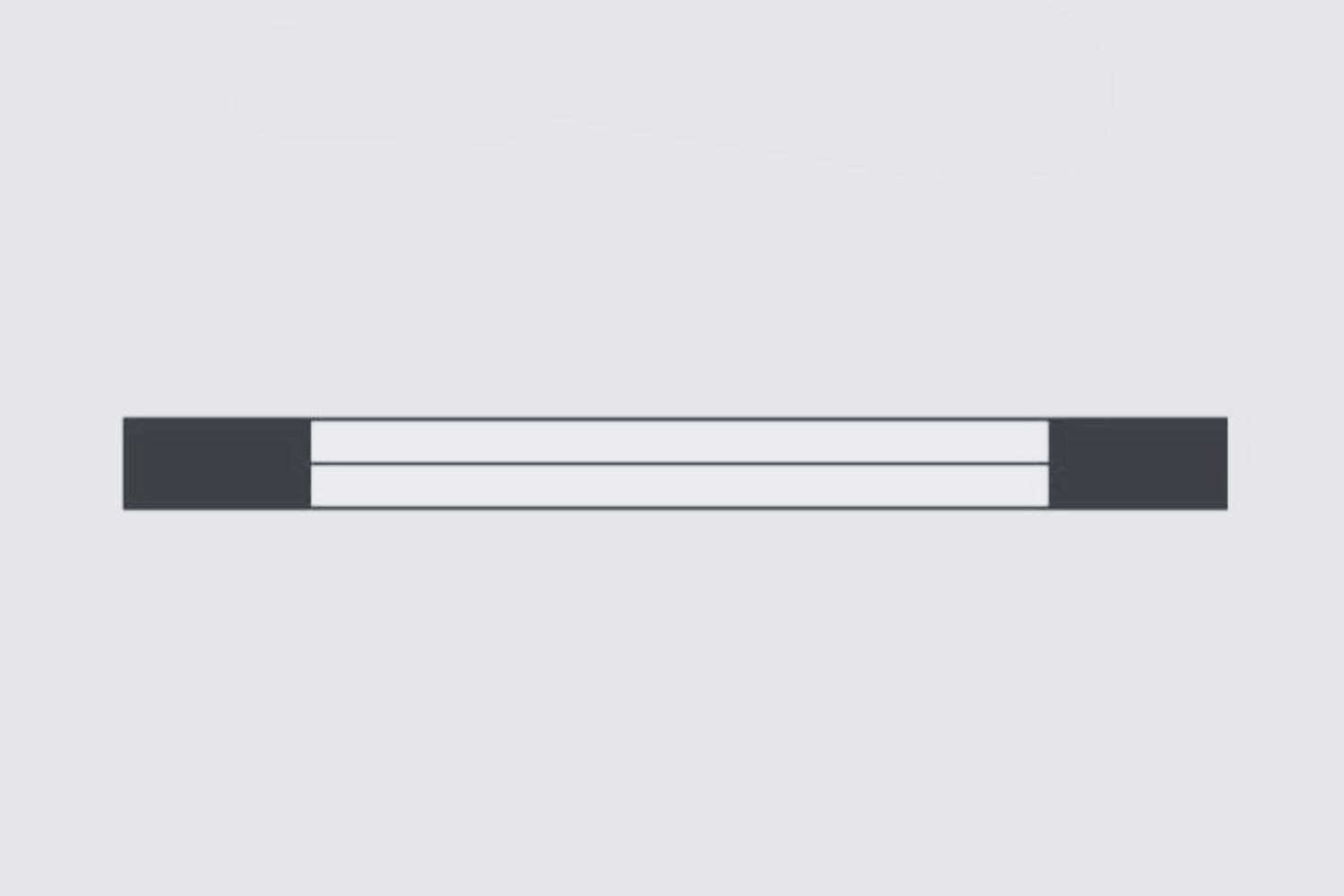
The window architectural symbol is usually drawn as a break in a wall line with thinner lines representing the glass or window frame. Depending on the type—sliding, casement, or fixed—the symbol may vary. Casement windows include an arc to show opening direction, while sliding windows feature parallel lines within the wall break. In architectural drawings, window symbols allow viewers to understand natural light penetration, ventilation potential, and the visual connection between interior and exterior spaces. Accurate window notation also ensures proper placement for structural and energy considerations.
3. Wall Types
Walls are represented by solid parallel lines, but their thickness and detailing convey important differences. For example, exterior walls appear thicker to indicate insulation and structural layers, while interior partitions are thinner. Some drawings use hatching or additional linework to show specific materials such as concrete, brick, or gypsum board. These architectural drafting symbols for walls are among the most fundamental in any floor plan. Recognizing wall symbols is key to understanding the building’s structural logic and spatial organization.

4. Staircase Symbol
The staircase symbol typically consists of a series of parallel lines indicating steps, accompanied by an arrow that points upward. Numbers may be added to show the total step count or elevation changes. This symbol helps readers understand circulation between floors and the direction of vertical movement. Stair symbols are crucial for identifying clearances, headroom, and escape routes in emergency planning. In more detailed architectural drawings, landings are shown as larger rectangles between stair runs.

5. Elevation and Section Marks
Elevation symbols often appear as circles or arrows indicating the direction from which a facade is viewed, while section symbols use arrows and lines that cut through a floor plan. These drawing symbols architectural professionals rely on guide readers to related drawings that provide additional detail. By linking different drawing types, they ensure clarity across the architectural documentation set and help viewers understand how spaces and elements relate in three-dimensional form.

6. Electrical Outlet Symbol
Electrical symbols in architecture for outlets are shown as small circles, squares, or notations depending on the regional standard, often accompanied by letters like “GPO” or “SO.” They indicate where power access will be provided within a building. The abbreviation “T” on a floor plan typically stands for thermostat, a device controlling the HVAC system temperature—which clarifies the common question about the TS symbol in architectural floor plans meaning. Properly reading architecture symbols electrical notations is essential for planning furniture placement, kitchen layouts, and lighting design. These symbols prevent errors during construction and ensure that electrical systems support the needs of future occupants.
7. Lighting Fixture Symbol
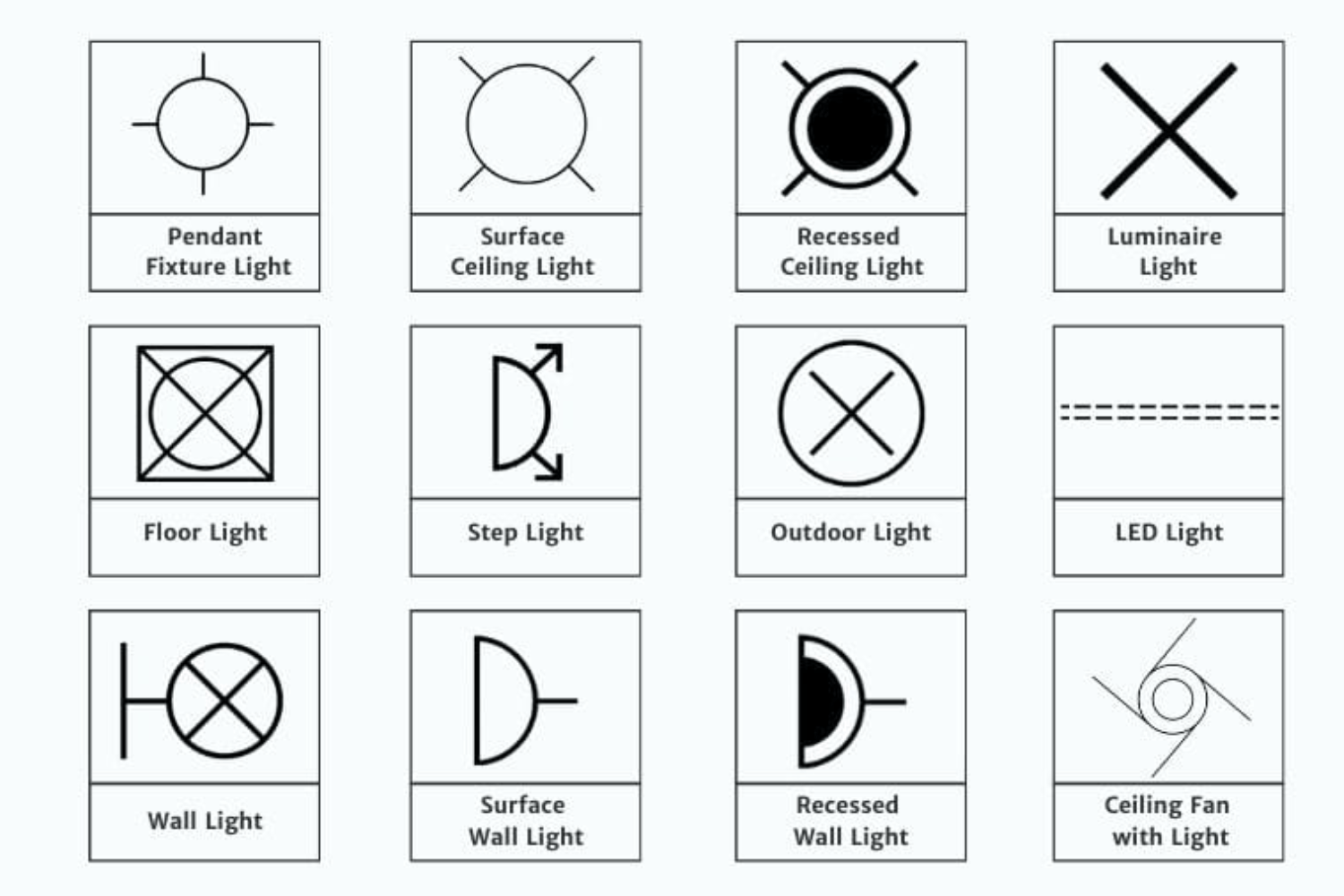
Lighting fixtures appear as various shapes—often circles, triangles, or stars—representing ceiling lights, recessed fixtures, or pendant lamps. Designers use these electrical symbols architectural notations to illustrate illumination strategies and highlight areas requiring task or ambient lighting. By decoding lighting symbols, readers gain insight into the atmosphere of the space and the functional requirements that informed the design.
8. Plumbing Fixture Symbol
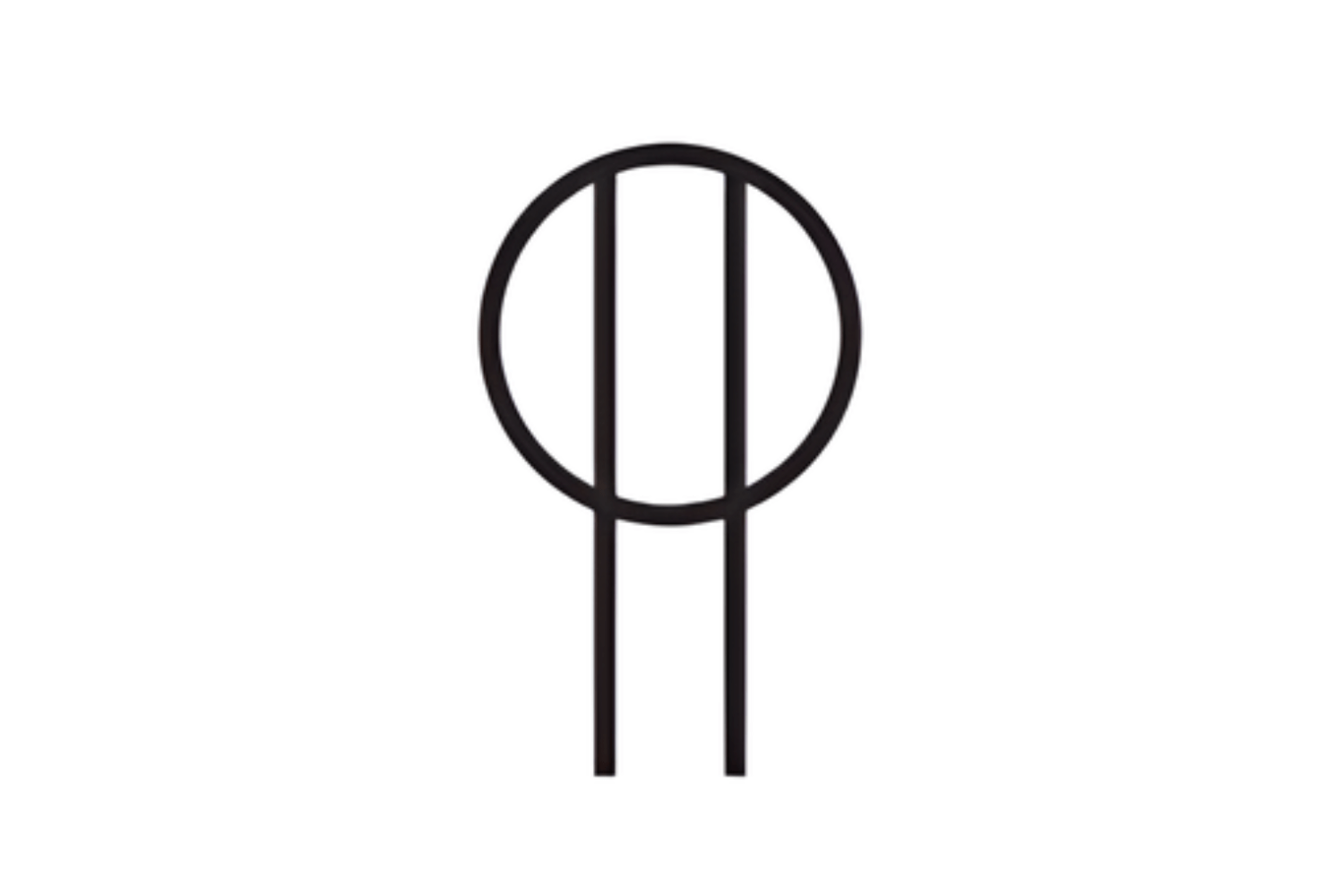
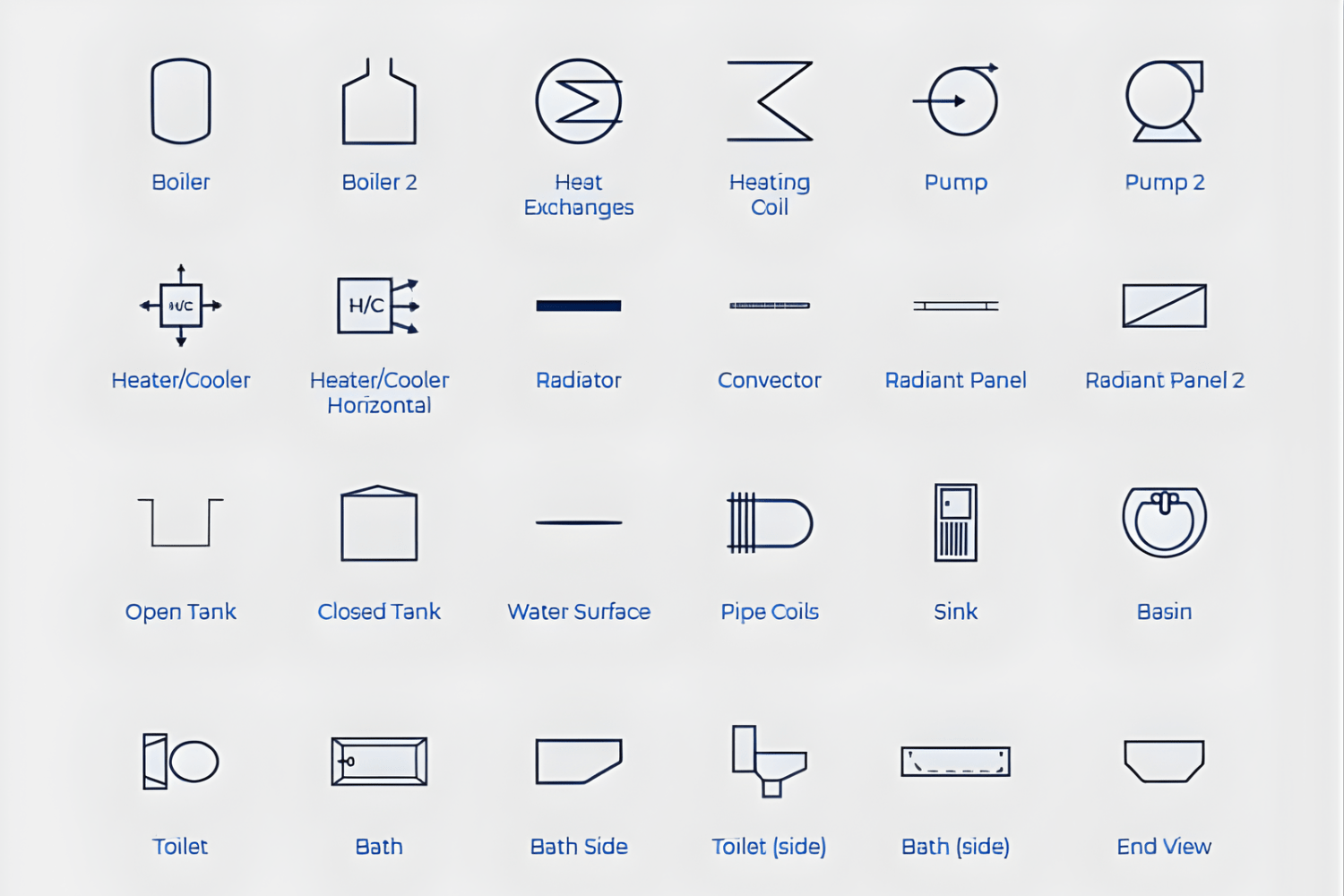
Plumbing fixtures such as sinks, toilets, and showers have distinctive shapes that are generally intuitive. Toilets appear as an oval with a rectangle, showers as a square with an X pattern, and sinks as circles or ovals within a rectangle. These symbols indicate where water supply and drainage lines will be placed. Understanding plumbing symbols is essential for ensuring efficient bathroom and kitchen layouts, avoiding conflicts with structural elements, and coordinating multiple building systems within tight spaces.
9. North Arrow
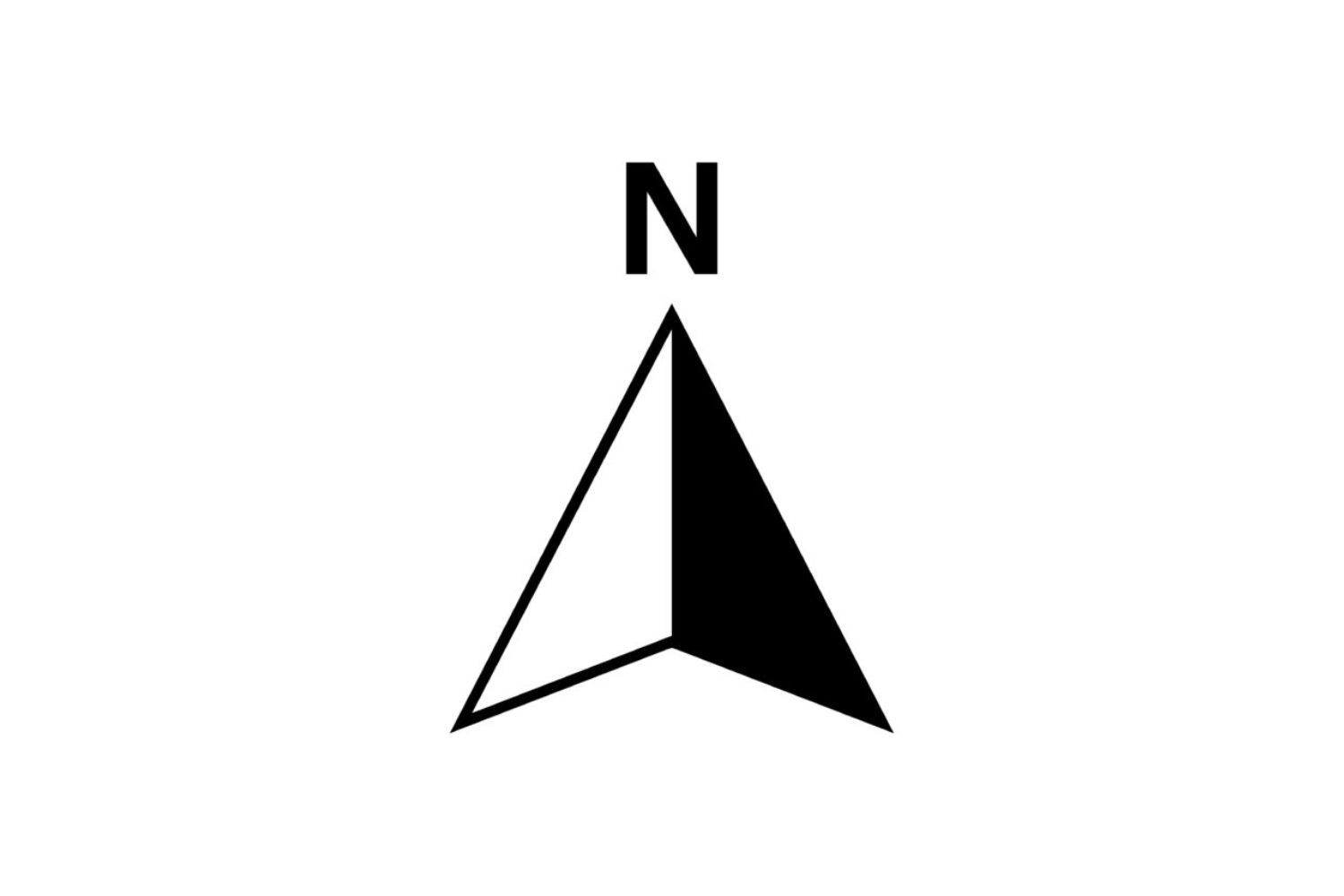
The north arrow symbol is a small graphic placed on plans to show the orientation of the building relative to the cardinal directions. This symbol is vital for understanding sunlight patterns, shading strategies, wind flow, and urban context. Orientation influences nearly every design decision—from window placement to energy performance—making the north arrow one of the most important symbols on architectural drawings. Note that architects use “project north” as a designation, which may differ from magnetic north on a compass.
10. Dimension Lines
Dimension lines consist of straight lines with arrowheads on both ends, showing measured distances between walls, windows, openings, or structural elements. Numbers placed above or within the lines indicate exact measurements. These symbols ensure precise communication between architects, contractors, and builders, helping avoid mistakes during fabrication and construction. Without clear dimensions, even the most well-designed plans cannot be built accurately. Most architectural design software automatically generates dimension lines based on the drawn elements.

Common Abbreviations in Architectural Floor Plans
Beyond graphical symbols, architectural floor plans use abbreviations to label elements when space is limited. Some of the most frequently encountered abbreviations include: “W” for window, “D” for door, “WH” for water heater, “DW” for dishwasher, “T” for thermostat, “B” for basin, “BR” for bedroom, “LR” for living room, and “CL” for center line. These abbreviations often appear alongside the symbols in architectural drawings and are defined in the drawing legend. Understanding both the symbols and abbreviations together provides a complete picture of the architectural plan.
Symbolic Architecture: When Buildings Become Symbols
While this article primarily addresses technical architectural drafting symbols, it is worth noting that architecture itself carries symbolic meaning. Symbolic architecture refers to buildings designed to represent ideas, power, or cultural values. Domes have historically symbolized authority, towers convey strength, and circular plans suggest unity. The question “which architectural symbol was built to commemorate an actual person” often refers to structures like the Lincoln Memorial in Washington, D.C., or the Taj Mahal—buildings that function as a architectural symbol of power and remembrance. Understanding symbolic architecture broadens the meaning of the phrase “what is the symbol of architecture” beyond floor plan notations to encompass the cultural language of built form.
Architectural symbols—whether on a drawing sheet or embodied in a building—serve as a visual shorthand that makes complex information easy to understand and communicate. By learning these common architecture symbols, readers can navigate drawings with greater clarity, interpret design intentions, and appreciate the careful coordination behind every building. Whether you are a student, a professional, or a curious homeowner, gaining familiarity with architectural symbols opens the door to a deeper understanding of how architecture is conceived, documented, and ultimately constructed.


1 Comment






Creating a Beautiful Landscape That Adds Long-Term Value to Your Home
A thoughtfully designed landscape does far more than improve the appearance of...
 illustrarch Editoral Team3 Mins read

Small Physical Brand Details That Make Architecture Events More Memorable
Table of Contents Show Why Small Physical Details Matter in Design CultureStart...
illustrarch Editoral Team5 Mins read

Why Mental Performance Matters in High-Pressure Design Professions
Table of Contents Show The Hidden Impact of Chronic Stress on PerformanceWhy...
illustrarch Editoral Team3 Mins read

Why Your Design Brief Matters More Than Your Builder Choice
Table of Contents Show What a Brief Actually Is, and What It...
illustrarch Editoral Team10 Mins read


This article gives a good overview of architectural symbols. It’s nice to know what the symbols mean when looking at drawings.