

A Full Guide To Selecting Durable Steel Protection For Your Home
Durable steel protection for homes offers exceptional strength and longevity, resisting damage from severe weather while enhancing energy efficiency and curb appeal.
 Bahattin Duran18 January 20263 Mins read198
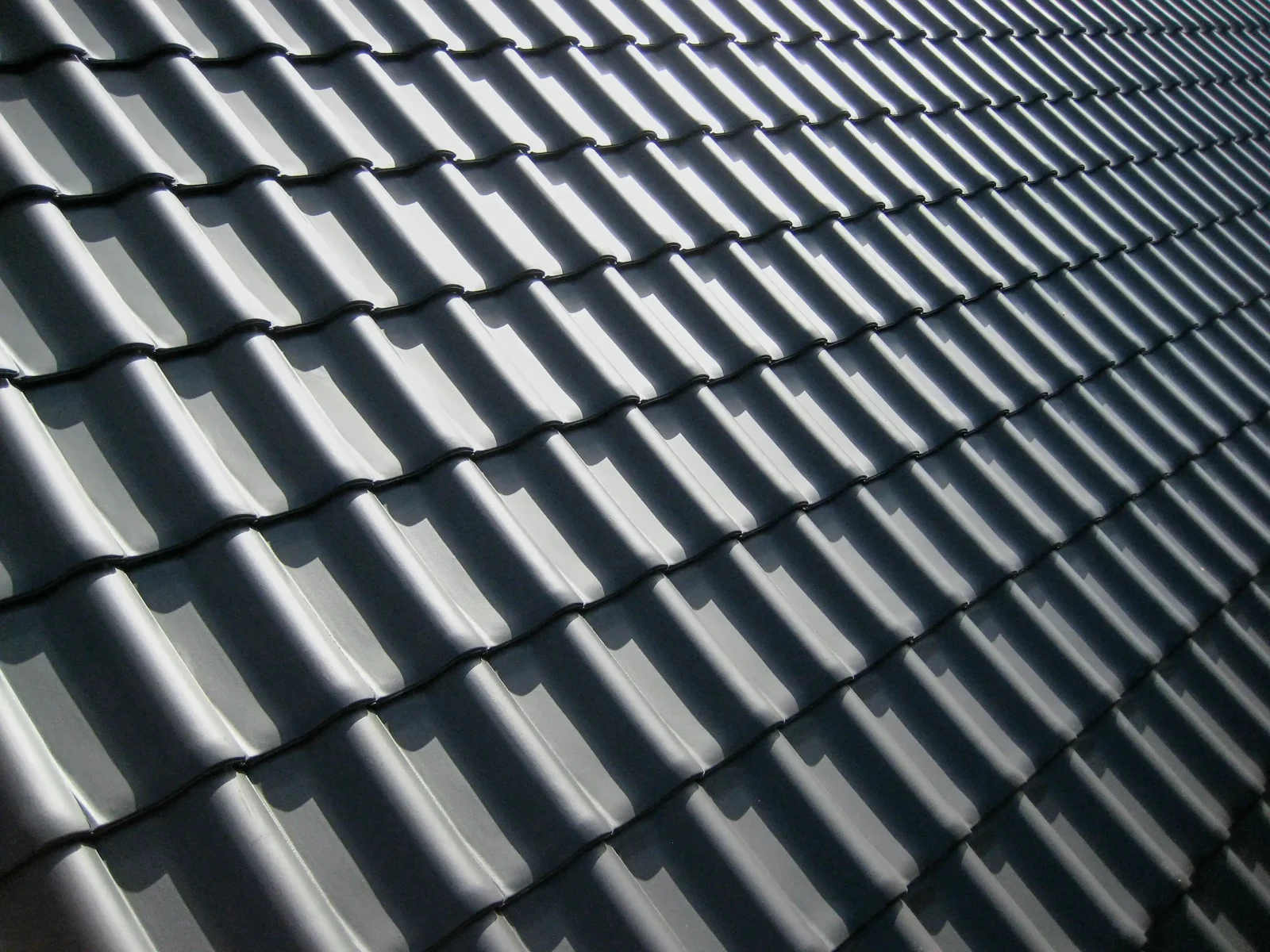
Table of Contents Show
Choosing the right steel protection for your home is a long-term investment in safety, durability, and value. From standing up to severe weather to improving curb appeal, steel-based exterior solutions offer homeowners a reliable alternative to traditional materials. Here, we will walk you through the most influential considerations when selecting durable steel protection and help you make a confident and informed decision.
Why Steel Protection Is Ideal for Homes
Steel is now one of the most trusted materials in residential construction thanks to its exceptional strength and longevity. Unlike wood or asphalt-based products, steel resists cracking, warping, rot, and insect damage, making it a dependable option for homeowners seeking lasting protection.
The performance of steel is in extreme weather. High winds, heavy rain, hail, and even fire pose less risk to steel systems than to many conventional materials. Resilience can reduce repair costs and extend the lifespan of your home’s exterior components.
Installation Quality and Contractor Expertise
Even the highest-quality steel materials can underperform if installed incorrectly. Proper installation can prevent leaks, loose panels, or premature wear. Choosing an experienced and reputable contractor is the same as selecting the right product.

Working with a reliable contractor will guarantee that your steel roofing system is installed according to manufacturer specifications and local building codes. If you are from the area, opt for Atlanta’s trusted metal roofing team that is licensed and compliant with local regulations. Skilled professionals can help you select materials best suited to your home’s structure and long-term needs.
Considering Climate and Environmental Factors
Your local climate determines the best steel protection for your home. In areas prone to storms, heavy rainfall, or intense heat, steel roofing can outperform many alternatives by maintaining structural integrity under stress.
Steel reflects solar heat, which can help regulate indoor temperatures in warmer regions. When paired with proper insulation and coatings, steel systems can improve energy efficiency and contribute to lower utility costs, making them both practical and environmentally responsible.
Assessing Coatings, Finishes, and Corrosion Resistance
Durable steel protection is the quality of its coatings. Galvanized and Galvalume coatings protect steel from rust and corrosion, extending its usable life. High-quality paint finishes further improve resistance to fading, chipping, and weather damage.
Finishes affect aesthetics. Modern steel roofing comes in a wide range of colors and textures, and homeowners can match their exterior design while still benefiting from industrial-grade protection. With premium coatings, your investment looks good and performs well for decades.
Different Types of Steel Roofing Options
Not all steel roofing systems are the same, so understand your options. Common choices include standing seam panels, corrugated steel, and stone-coated steel roofing. Each style offers unique benefits in terms of appearance, strength, and installation method.
Standing seam steel roofs are popular for their sleek design and superior water resistance. Corrugated and stone-coated options can offer a more traditional or textured look while still delivering steel’s inherent durability. Selecting the right type depends on your architectural style, budget, and performance priorities.
Long-Term Value, Maintenance, and Return on Investment
Steel protection has a higher upfront cost than traditional materials. Steel roofing systems can last 40 to 70 years with minimal maintenance, far outlasting asphalt shingles and many other alternatives.

Maintenance requirements are limited to periodic inspections and basic cleaning. Savings from reduced repairs, lower energy bills, and potential insurance discounts can offset the initial expense. Steel roofing can increase resale value by appealing to buyers seeking durability and low upkeep.
Energy Efficiency Benefits of Steel Roofing Systems
Steel roofing systems contribute to a home’s energy efficiency, an attractive option for homeowners focused on long-term savings. Unlike traditional roofing materials that absorb and retain heat, steel reflects a large portion of the sun’s rays. This reflective quality keeps indoor temperatures more stable during warmer months.
Many steel roofing products are available with advanced cool-roof coatings. These coatings improve thermal performance by minimizing heat transfer into the home. When combined with proper insulation and ventilation, steel roofing can lower energy consumption year-round, offering both environmental benefits and noticeable reductions in utility costs.
Noise Reduction and Comfort Considerations
A common misconception about steel roofing is that it is loud during rain or storms. In reality, modern steel roofing systems are designed with multiple layers, including solid decking, insulation, and underlayment. When properly installed, steel roofing can be quieter than traditional roofing materials.
Steel roofing contributes to indoor comfort. Its ability to regulate temperature and resist moisture helps maintain a healthier living environment. Steel roofing supports consistent indoor conditions, making your home more comfortable in all seasons.
Selecting durable steel protection for your home is all about balancing performance, appearance, and long-term benefits. Once you know your material options, climate considerations, coatings, and the importance of expert installation, you position yourself to make a smart, future-proof choice.
A well-chosen steel roofing system protects your home and boosts its efficiency and visual appeal. With the right planning and professional guidance, steel protection becomes an investment that pays dividends in lasting value.





Interior Design for Commercial Spaces: Enhancing Functionality and Brand Identity
Commercial interior design has to serve brand, function and regulation at once....
 Begum Gumusel4 Mins read
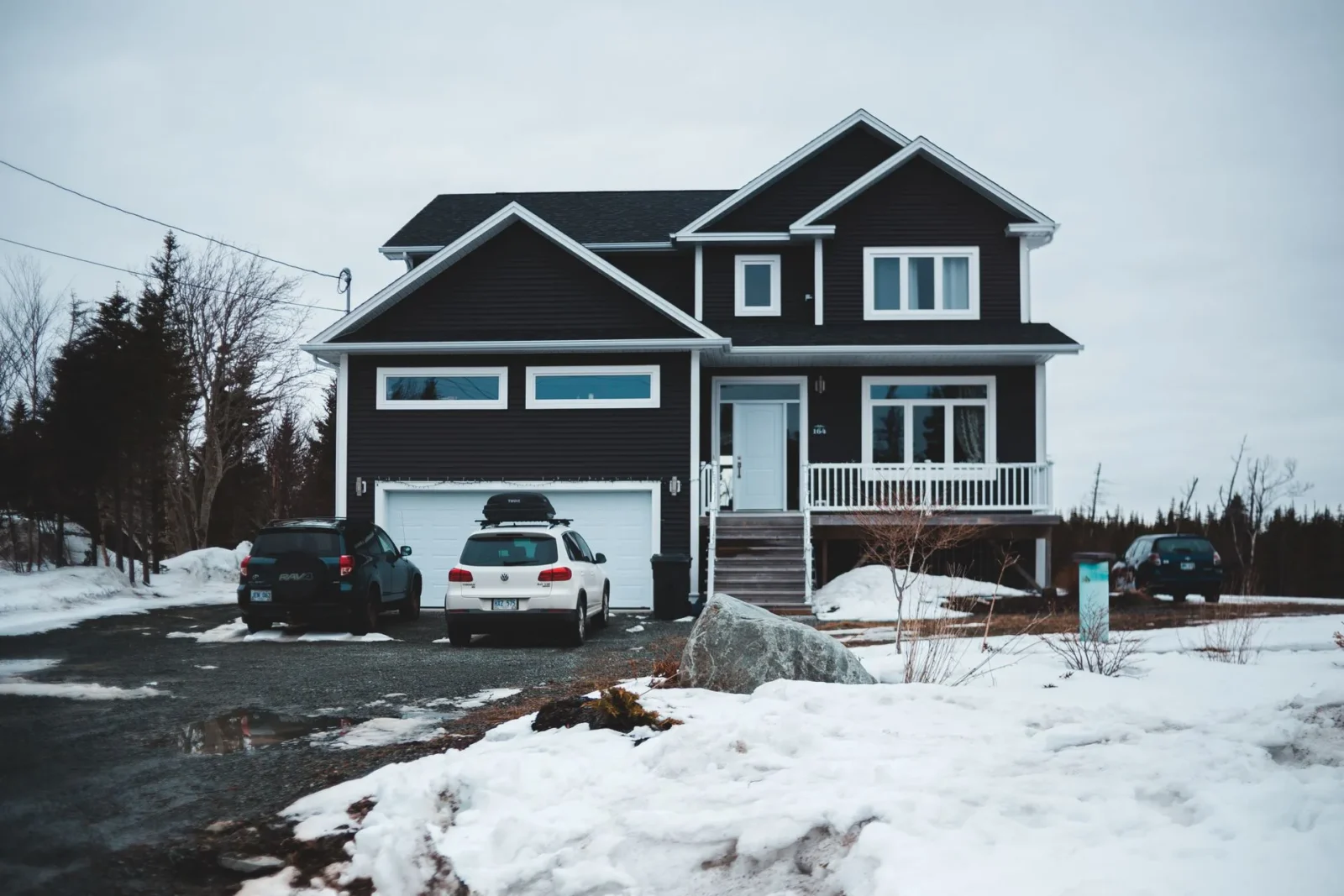
Designing Exterior Concrete That Survives Freeze-Thaw Winters
Freeze-thaw cycles, not one long cold spell, are what break exterior concrete....
 illustrarch Editoral Team9 Mins read
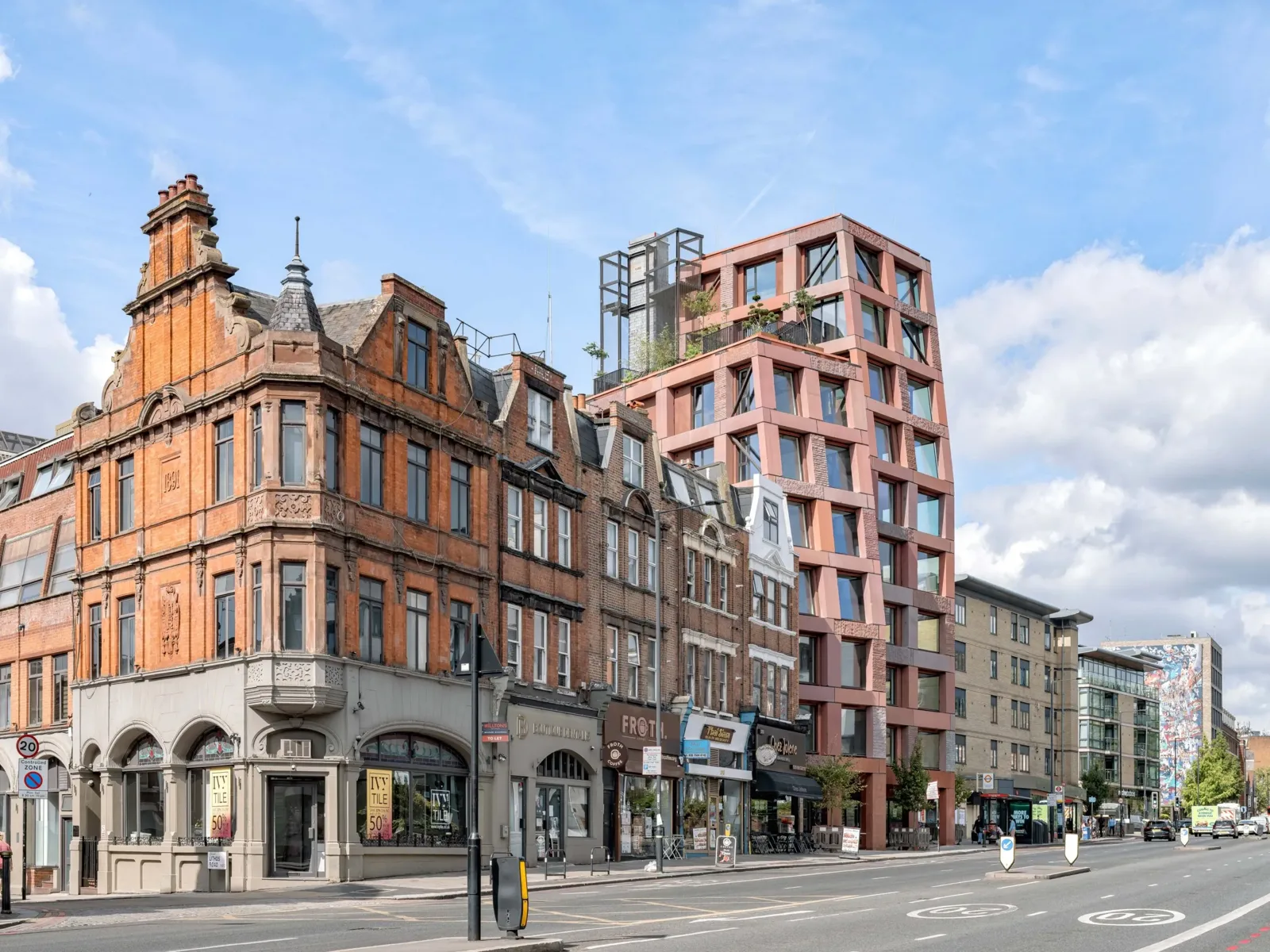
Groupwork Completes 10-Storey Loadbearing Granite Flats in London
Groupwork's Petra Heights on Finchley Road is a 10-storey block of 22...
illustrarch Editoral Team2 Mins read
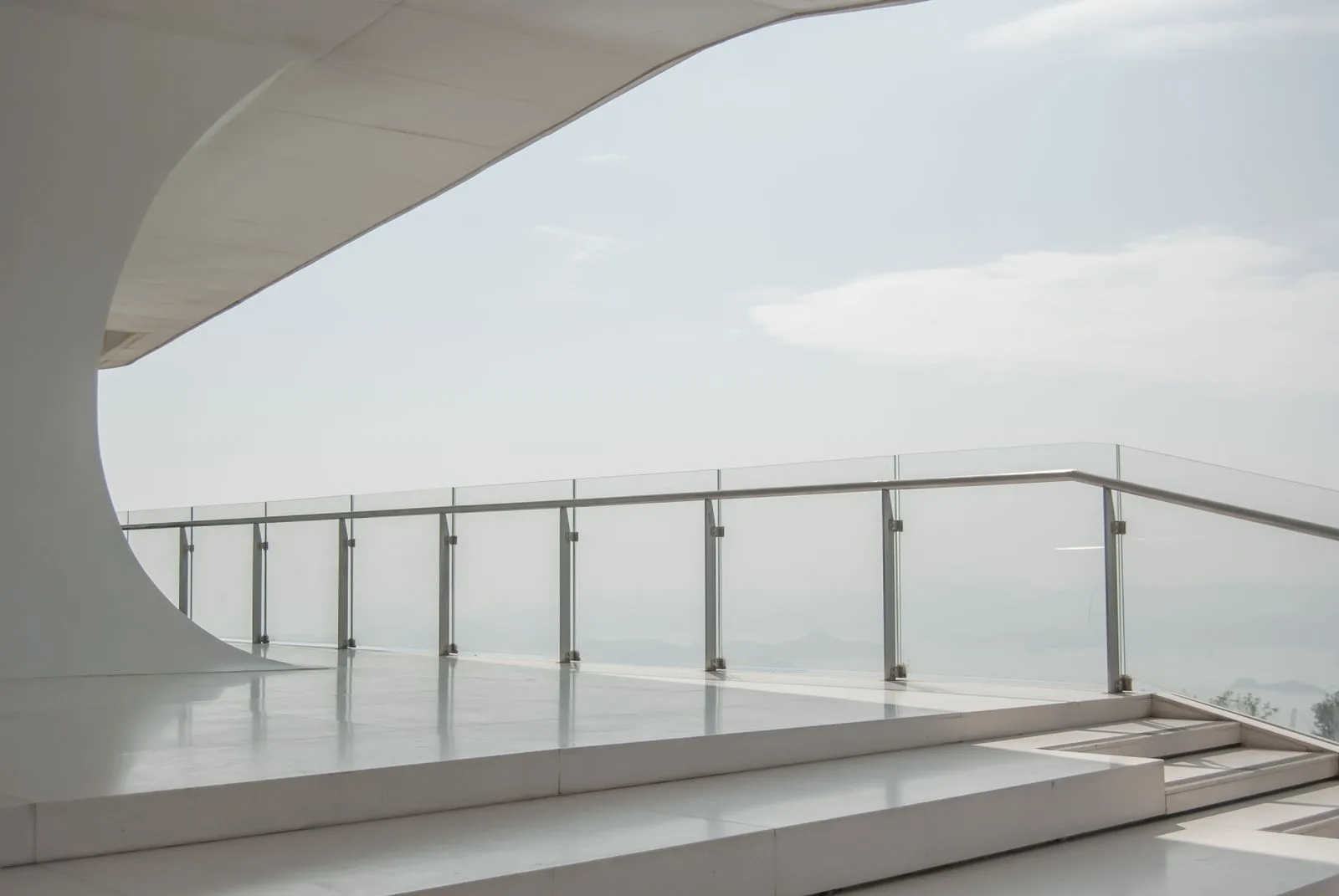
What Architecture Students Should Know About Structural Glass and Guardrail Code
Glass guards look minimal, but structural behavior, safety glazing, connections and guardrail...
illustrarch Editoral Team6 Mins read


Leave a comment