

Most Popular Flooring Products in Contemporary Architecture
Flooring is more than a surface—it is a spatial, cultural, and material decision that shapes how architecture is experienced. From natural wood to polished concrete, today’s most popular flooring products reflect deeper values of authenticity, permanence, adaptability, and structural honesty in contemporary design.
 Sinan Ozen18 January 20265 Mins read143
Table of Contents Show
Flooring is often discussed as a technical specification or a decorative finish, yet in architecture it operates on a deeper cultural and spatial level. It is the surface that carries the weight of daily life, the plane against which furniture, bodies, and light continuously interact. Long before walls are noticed or ceilings are admired, the floor establishes how a space is experienced—whether it feels grounded, warm, resilient, ceremonial, or temporary. Across history, flooring has reflected social values, technological progress, and evolving ideas of comfort and permanence, from stone pavements in ancient civic spaces to timber floors that defined domestic intimacy. In contemporary architecture, flooring choices have become even more significant, shaped by sustainability concerns, new construction methods, and changing lifestyles. The most popular flooring products today are not simply trends driven by aesthetics; they are material responses to how we inhabit space, how we move through it, and how architecture negotiates durability, identity, and atmosphere.
Natural Wood Flooring and the Desire for Authenticity
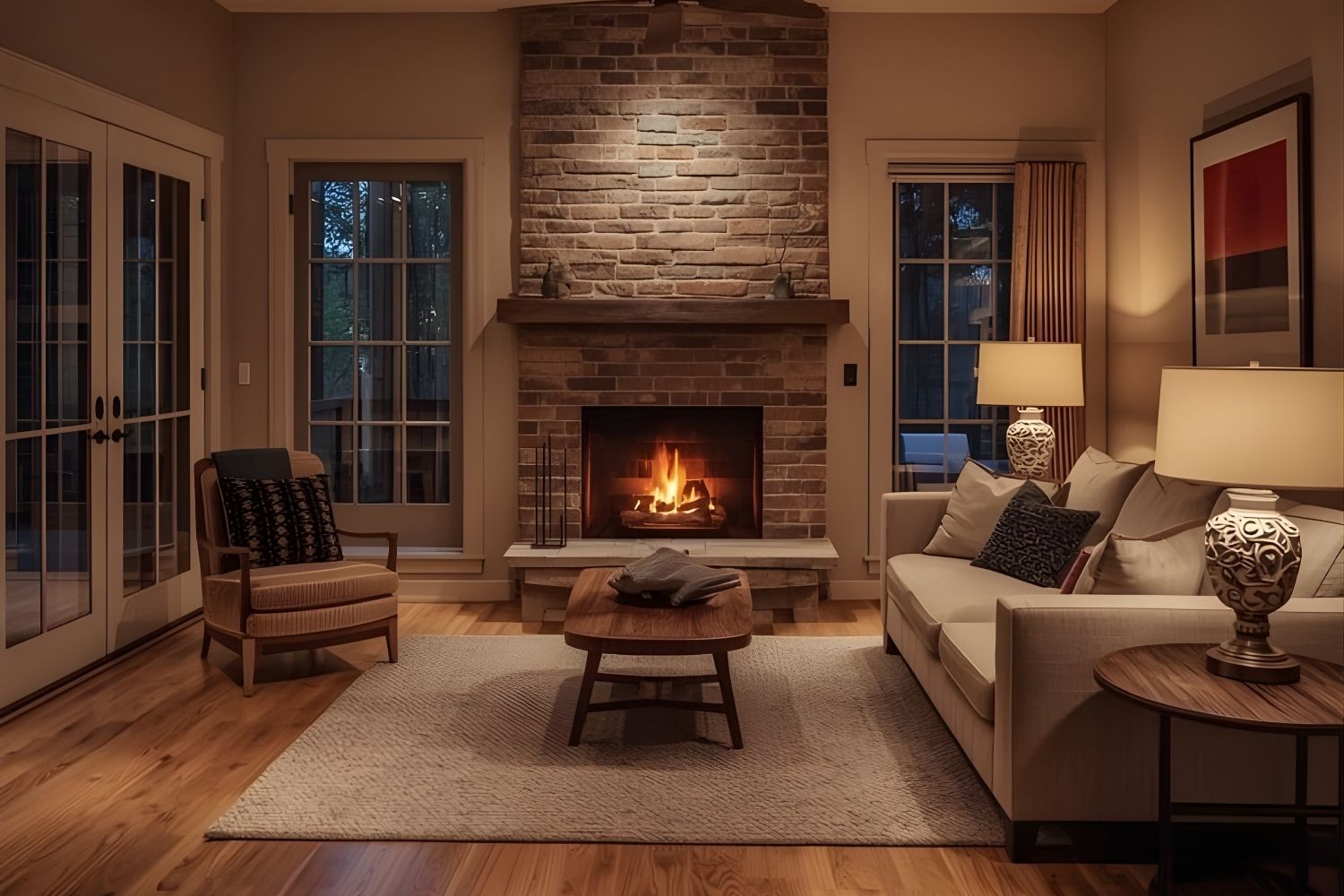
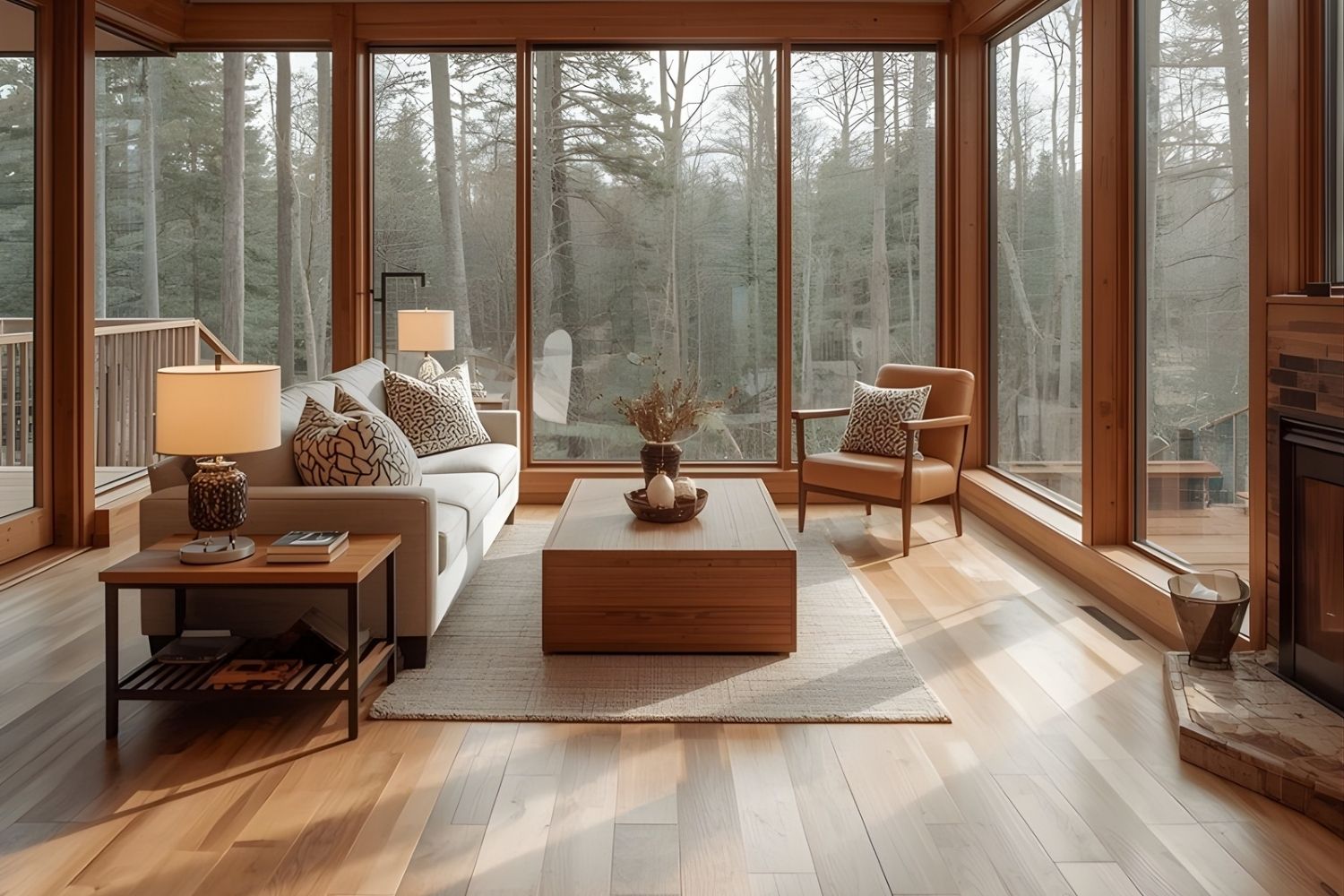
Natural wood flooring remains one of the most enduring and widely favored flooring products, largely because it embodies a balance between material honesty and emotional warmth. In architectural interiors, wood establishes a tactile and visual continuity that connects built space to nature, offering a counterpoint to increasingly digital and abstract environments. Solid hardwood and engineered wood floors are valued not only for their aesthetic richness but also for their ability to age gracefully, developing patina rather than appearing worn. This aging process aligns closely with contemporary architectural thinking that values longevity and material narratives over disposable finishes. Wood flooring also performs spatially by softening acoustics and enhancing natural light through subtle reflection, making it particularly relevant in open-plan interiors. Its popularity reflects a broader cultural shift toward authenticity, where materials are expected to communicate origin, craft, and time, rather than merely fulfilling a functional role.
Ceramic and Porcelain Tiles in Contemporary Spatial Logic
Ceramic and porcelain tiles have evolved far beyond their traditional association with utilitarian spaces such as kitchens and bathrooms. Today, they are central to contemporary architectural language, especially in projects that emphasize continuity, precision, and material control. Advances in manufacturing have allowed tiles to mimic stone, concrete, and even wood with remarkable accuracy, enabling architects to achieve visual cohesion without sacrificing performance. Large-format porcelain slabs, in particular, have become popular for their ability to minimize joints and create uninterrupted surfaces that visually expand space. In architectural terms, tiled flooring supports a rational, clean spatial logic that aligns with modernist and minimalist traditions. Its resistance to moisture, wear, and temperature changes makes it suitable for both interior and exterior applications, reinforcing its role as a flexible, durable surface that supports contemporary lifestyles defined by adaptability and multifunctional spaces.
Natural Stone Flooring and Architectural Permanence
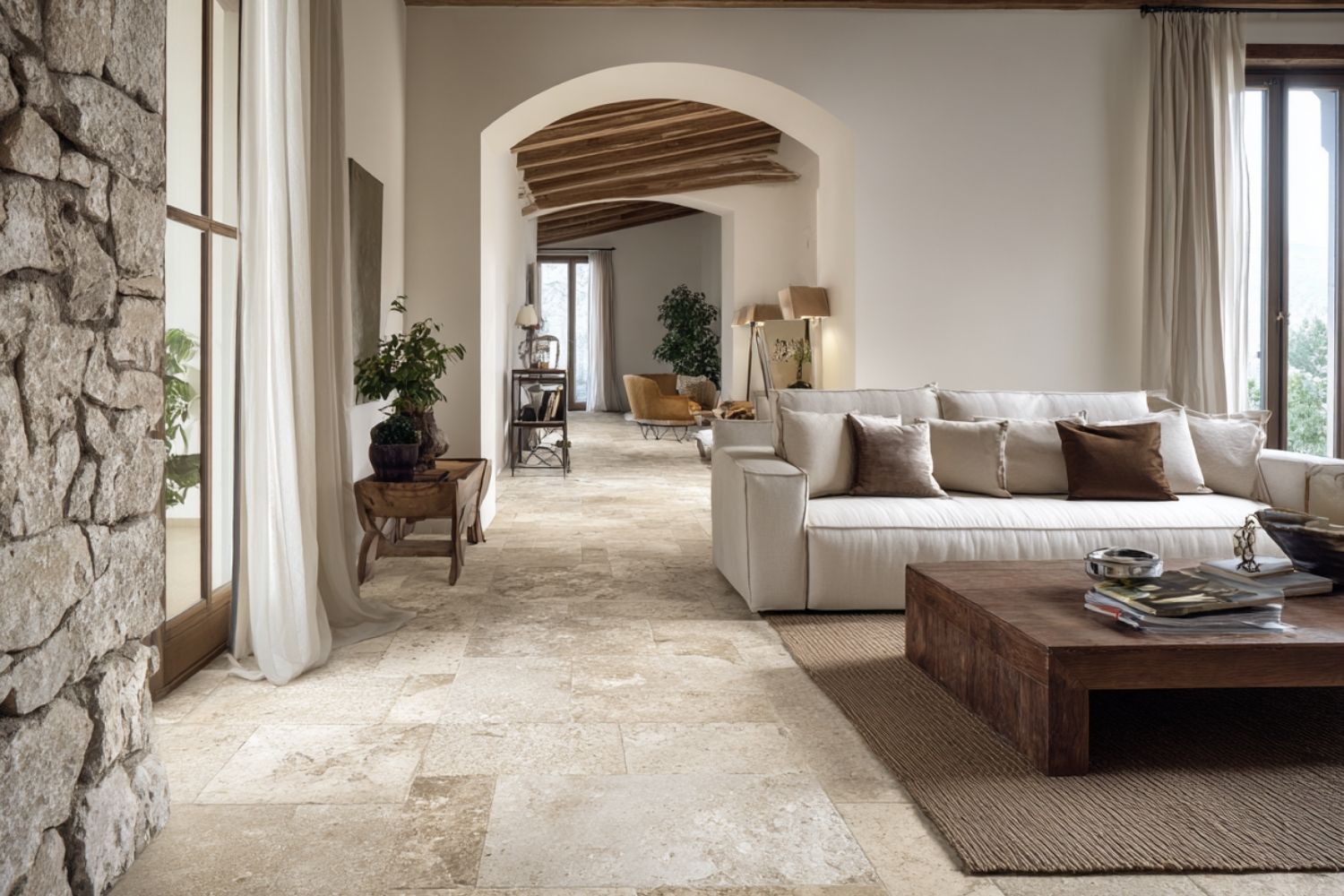
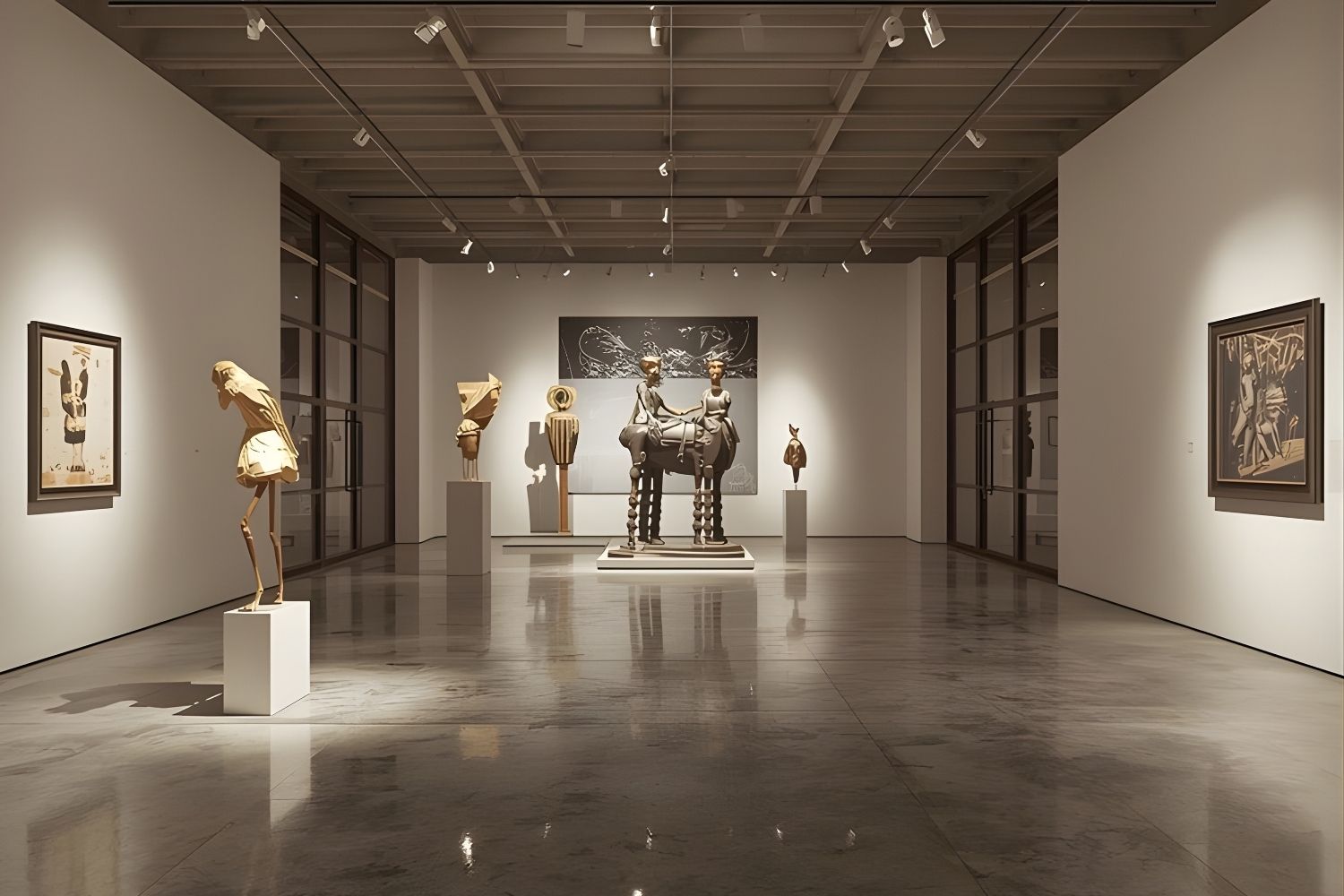
Natural stone flooring continues to signify architectural permanence and cultural continuity, making it a popular choice in spaces where material presence carries symbolic weight. Marble, limestone, travertine, and slate are frequently used in residential and public architecture to convey a sense of stability and refinement. Unlike synthetic materials, stone carries geological time within it, embedding architecture within a longer narrative of material history. This temporal depth gives stone floors a ceremonial quality, often associated with entrances, galleries, and communal areas. In contemporary design, stone is increasingly used in restrained, minimalist compositions, allowing texture and natural variation to become the primary visual expression. Its popularity reflects an architectural desire to anchor modern spaces in material authenticity, especially in an era where speed of construction and mass production dominate. Stone flooring reminds both designers and users that architecture can still communicate endurance and gravity.
Popular Flooring Products at a Glance: Key Specifications Compared
| Flooring Type | Average Cost (per sq ft) | Expected Lifespan | Durability | Moisture Resistance | Maintenance Level |
|---|---|---|---|---|---|
| Solid Hardwood | $8 – $15 | 75 – 100+ years | High (refinishable) | Low | Moderate |
| Engineered Wood | $4 – $10 | 20 – 40 years | High | Moderate | Moderate |
| Ceramic Tile | $1 – $8 | 50 – 75+ years | Very High | High | Low |
| Porcelain Tile | $3 – $15 | 50 – 75+ years | Very High | Very High | Low |
| Natural Stone (Marble, Slate, etc.) | $10 – $30+ | 75 – 100+ years | Very High | Moderate (varies by stone) | Moderate to High |
| Luxury Vinyl Plank / Tile (LVP/LVT) | $2 – $7 | 10 – 25 years | Moderate to High | Very High (waterproof) | Low |
| Polished Concrete | $3 – $15 | 50 – 100+ years | Very High | High (when sealed) | Very Low |
Vinyl and Hybrid Flooring as Tools of Adaptability
Vinyl and hybrid flooring products have gained widespread popularity due to their adaptability, affordability, and technological refinement. Once regarded as purely functional or secondary materials, contemporary vinyl flooring now offers sophisticated surface textures, realistic material simulations, and improved environmental performance. In architectural practice, these products are often used in projects that demand flexibility, such as adaptive reuse, mixed-use developments, and high-traffic interiors. Their ease of installation and maintenance allows architects to respond to tight budgets and fast construction timelines without abandoning design intent. Hybrid systems that combine rigid cores with resilient surfaces further enhance acoustic performance and comfort underfoot, addressing contemporary concerns about wellbeing in interior environments. The growing acceptance of vinyl flooring reflects a pragmatic shift in architectural culture, where performance, lifecycle efficiency, and accessibility are increasingly valued alongside traditional notions of material prestige.
Polished Concrete and the Aesthetics of Structural Honesty
Polished concrete flooring has become a defining element of contemporary architectural expression, particularly in projects that celebrate structural clarity and material reduction. By exposing and refining the structural slab itself, this flooring approach eliminates unnecessary layers, aligning with sustainable design principles and minimalist aesthetics. Polished concrete offers a neutral yet powerful surface that enhances spatial continuity, allowing architecture to be read as a coherent system rather than a collection of finishes. Its thermal mass contributes to passive climate strategies, while its durability makes it suitable for both residential lofts and large public interiors. The popularity of concrete flooring reflects a broader architectural interest in revealing construction logic and embracing raw materials as finished surfaces. In this context, the floor becomes an active participant in architectural storytelling, expressing honesty, efficiency, and contemporary restraint.
Best Flooring Types by Architectural Application
| Application / Space | Recommended Flooring | Why It Works |
|---|---|---|
| Living Rooms & Bedrooms | Solid Hardwood, Engineered Wood | Warmth, acoustic comfort, and natural aesthetic that ages gracefully |
| Kitchens & Bathrooms | Porcelain Tile, Ceramic Tile, LVP | High moisture resistance, easy cleaning, and durable under heavy daily use |
| Entrances & Lobbies | Natural Stone, Large-Format Porcelain | Ceremonial presence, extreme durability, and visual impact at thresholds |
| Open-Plan Interiors | Polished Concrete, Large-Format Porcelain, Engineered Wood | Seamless visual continuity across large spans with minimal joints |
| Galleries & Public Spaces | Polished Concrete, Natural Stone | Neutral backdrop, high traffic endurance, and strong spatial character |
| Adaptive Reuse & Mixed-Use | Vinyl / Hybrid, Polished Concrete | Fast installation, budget flexibility, and compatibility with varied subfloors |
| Outdoor & Transitional Zones | Porcelain Tile, Natural Stone (Slate, Granite) | Weather resistance, frost tolerance, and interior-exterior design continuity |
Flooring Products Compared: Architectural & Sustainability Characteristics
| Flooring Type | Refinishable | Thermal Mass | Acoustic Performance | Sustainability Profile | Installation Complexity |
|---|---|---|---|---|---|
| Solid Hardwood | Yes (multiple times) | Low | Good (warm, sound-absorbing) | High (renewable, long lifespan) | High (nail-down, acclimation required) |
| Engineered Wood | Limited (1–2 times) | Low | Good | Moderate (less raw wood used) | Moderate (click-lock or glue-down) |
| Ceramic / Porcelain Tile | No | High | Low (hard, reflective surface) | Moderate (inert, very long lifespan) | High (thinset, grouting, flat substrate) |
| Natural Stone | Yes (re-honing, repolishing) | High | Low | Moderate (quarried, but extremely durable) | High (heavy, requires skilled labor) |
| Vinyl / Hybrid (LVP/LVT) | No | Low | Good (resilient, with underlayment) | Low to Moderate (petroleum-based) | Low (click-lock, DIY-friendly) |
| Polished Concrete | Yes (re-grinding, resealing) | Very High | Low (hard, reflective) | High (uses existing slab, no added material) | Moderate (professional grinding required) |
Conclusion
The popularity of flooring products is not merely a matter of consumer preference but a reflection of how architecture responds to cultural values, technological possibilities, and evolving patterns of use. Each material—whether wood, tile, stone, vinyl, or concrete—represents a distinct attitude toward space, time, and material responsibility. For architects and designers, flooring is an opportunity to shape experience from the ground up, influencing movement, perception, and atmosphere in subtle yet profound ways. As architectural practice continues to engage with sustainability, adaptability, and sensory awareness, flooring will remain a critical medium through which these concerns are negotiated. Understanding the significance of popular flooring products allows designers to move beyond surface-level decisions and approach interiors as layered, meaningful environments. In architectural education and practice alike, the floor should be reconsidered not as a backdrop, but as a foundational element that carries the weight of both design intention and everyday life.
- architectural flooring products
- contemporary flooring designs
- custom flooring solutions
- durable flooring products
- eco-friendly flooring options
- flooring for contemporary interiors
- flooring innovations in architecture
- high-end flooring choices
- luxury flooring for contemporary homes
- popular flooring trends 2023





The Power of Ambience: Role of Restaurant Design on Customer Experience
A restaurant's ambience, its lighting, layout, and decor, quietly shapes how guests...
 illustrarch Editoral Team2 Mins read
Color Forecast 2026: Tile Palettes Influencing International Design
Warm earth tones, soft whites like Pantone's Cloud Dancer, and grounded greens...
Sinan Ozen5 Mins read
Porcelain vs Ceramic Tiles: Which One Should Architects Specify?
A side-by-side breakdown of porcelain and ceramic tile covering water absorption rates,...
 Furkan Sen6 Mins read
The Impact of Japanese Minimalism on Global Tile Aesthetics
A look at how centuries-old Japanese design principles, from wabi-sabi imperfection to...
Furkan Sen7 Mins read


Leave a comment