

Academic Portfolio Design Tips for Architecture Students
Learn proven academic portfolio design tips for architecture students. From cover page design and layout templates to content selection and digital platforms, this guide covers everything you need to create a compelling academic architecture portfolio that impresses admissions committees and employers.
 Elif Ayse Sen12 January 20267 Mins read629

Table of Contents Show
An academic portfolio is a curated collection of your best design work, research, and creative projects that demonstrates your architectural skills and intellectual growth. Whether you are applying to graduate school, seeking internships, or pursuing professional opportunities, your academic architecture portfolio serves as the most important reference for the schools and offices evaluating your candidacy. Understanding the academic portfolio meaning goes beyond simply gathering projects, it is about presenting a cohesive narrative of your design thinking and capabilities. These essential portfolio design tips will help you craft a compelling presentation that stands out.
It is necessary to approach the design of the portfolio almost like the design of an architectural project. Because if your portfolio is legible, consistent and has a good design, it reflects that you are a good architect. A well-structured academic portfolio for students communicates professionalism, attention to detail, and a clear design philosophy. Let’s take a look at some proven tips for building a successful academic portfolio.
What Is an Academic Portfolio? Definition and Purpose
The academic portfolio definition refers to a comprehensive document that showcases a student’s or emerging professional’s design projects, research work, and creative explorations completed during their academic career. Unlike a professional portfolio focused solely on built work, an academic portfolio highlights the learning process, conceptual development, and design evolution over time. It typically includes studio projects, competition entries, thesis work, and sometimes interdisciplinary explorations.
The purpose of an academic portfolio extends beyond job applications. It serves as a reflective tool that helps you understand your own growth as a designer. Universities such as Harvard GSD, AA School, and other leading institutions require applicants to submit portfolios that demonstrate not only technical skill but also critical thinking and a unique design voice.
Academic Portfolio Cover Page Design
The academic portfolio cover page is the first impression reviewers will have of your work, and it should present a general summary with reference to the colors and styles of the projects in its content. In addition, it should reflect its style in an uncomplicated, simple and readable way. A successful cover design influences people who have a look at your portfolio for the first time.
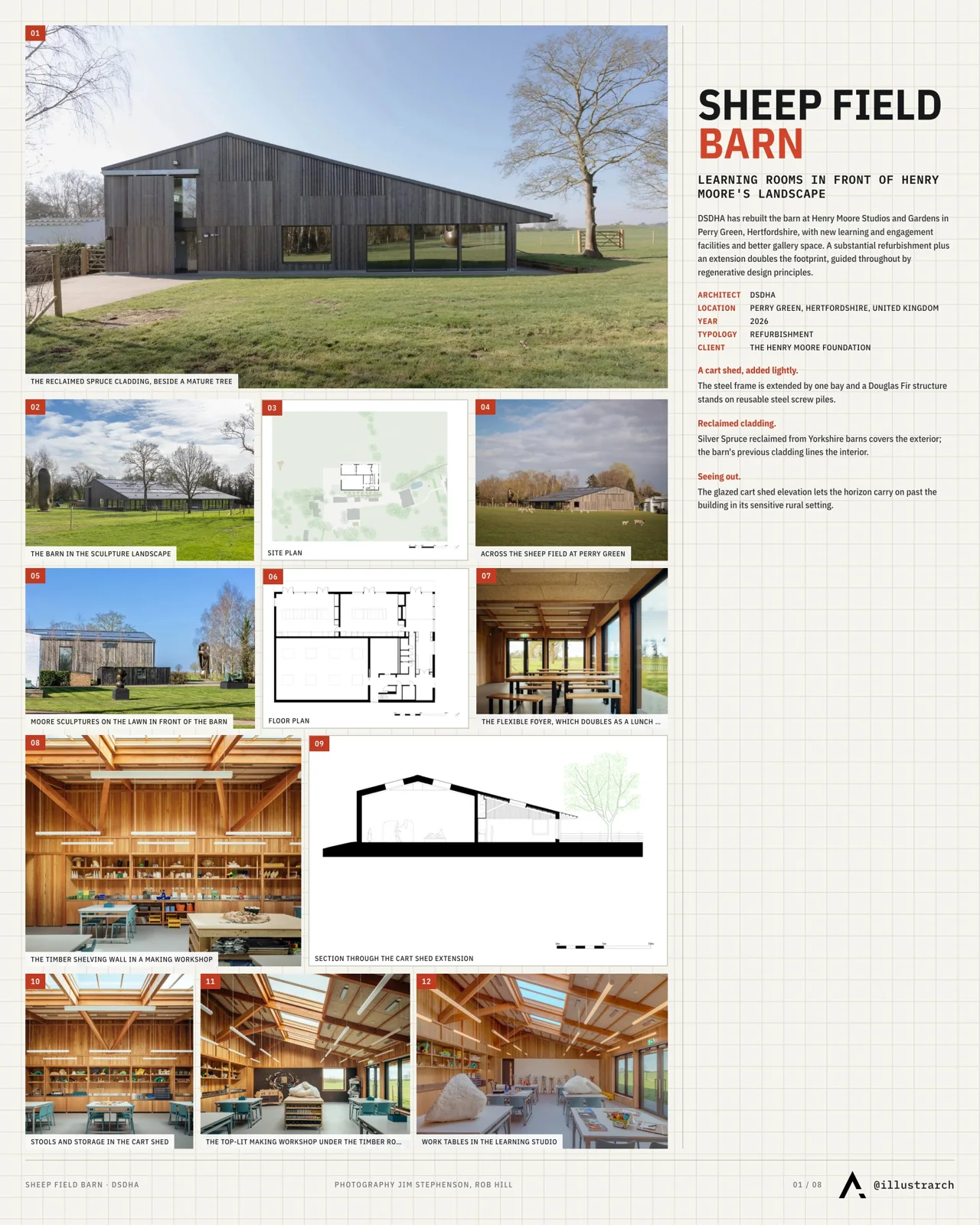
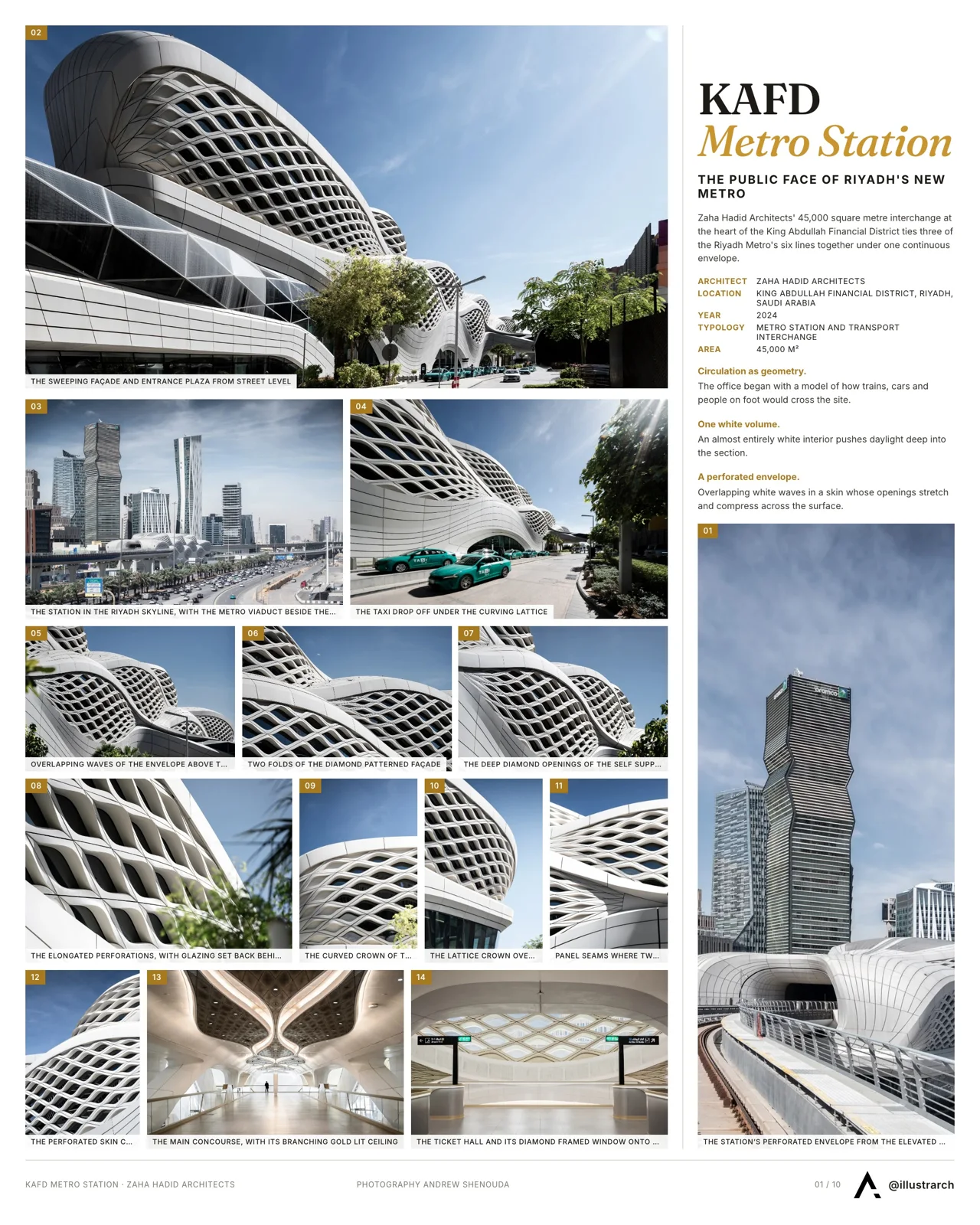
Your cover page should include your name, the portfolio title, your university or program name, and the year. Avoid cluttering it with too many images or text. Instead, select one powerful visual element, a detail from your strongest project, an abstract graphic, or a clean typographic composition, that encapsulates your design identity. Consider how leading academic portfolio examples from top architecture schools use minimalism and strong visual hierarchy on their covers.

Photo Credit: pinterest.com

Photo Credit: pinterest.com
Portfolio Layout and Template Strategy
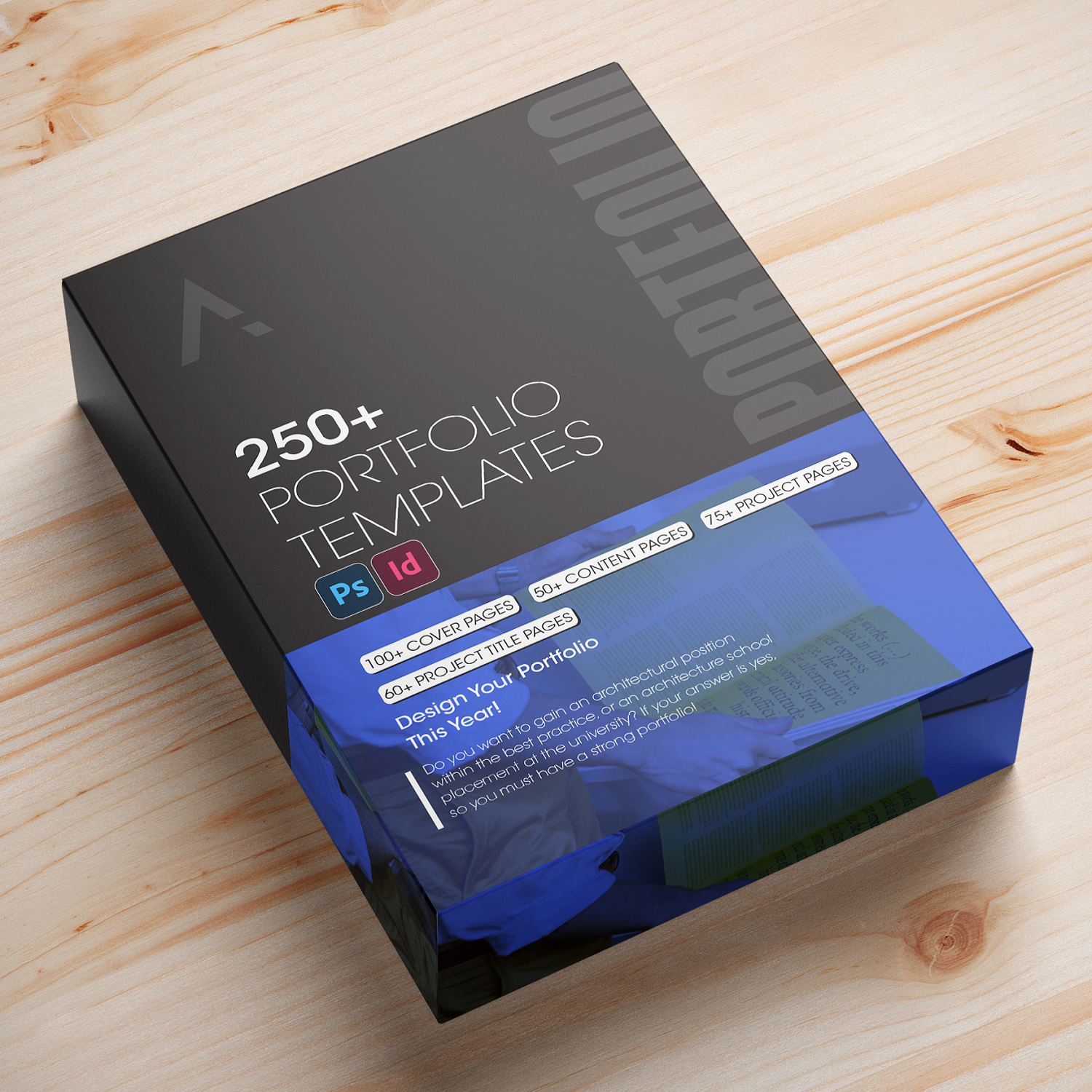
Academic portfolios include your most successful projects from design studios and competitions. If you design your portfolio with templates, you will have more consistent and readable flow. You can put different projects in similar or the same templates. Using a well-designed academic portfolio template saves time and ensures visual consistency across all pages.
When choosing or creating your layout, consider a grid-based system that allows flexibility while maintaining order. The best architectural portfolio templates offer modular page designs that adapt to various project types, from large-scale urban designs to detailed interior studies. Consistency in margins, fonts, and color palette across your portfolio signals professionalism and design maturity.
Here is our portfolio templates, you may reach in the link below:
Download Our Portfolio Templates
Selecting Good Content for Your Academic Portfolio
The content decision is another important thing to make your portfolio understandable. You should choose the right projects to reflect your current architectural style. Our recommendation is to put the most successful project first, not the newest or oldest one. This approach immediately captures the reviewer’s attention and sets the tone for the rest of your academic portfolio.
For architecture students, aim to include four to six strong projects that demonstrate range, from conceptual explorations to technically detailed designs. Each project should tell a story: present the design brief, your concept development process, key drawings and models, and the final outcome. Including process work such as sketches, diagrams, and iterative studies shows reviewers your design thinking, not just polished final renders. For more guidance on selecting projects, read our article on building a strong architecture portfolio.

Photo Credit: pinterest.com

Building an Academic Portfolio Website or Platform
In today’s digital-first environment, having an academic portfolio website is just as important as a well-designed PDF. An online presence allows admissions committees, potential employers, and collaborators to access your work anytime, from anywhere. Several academic portfolio platforms are popular among architecture students and professionals.
Behance and Issuu are widely used for showcasing visual portfolios. For those with coding skills, an academic portfolio on GitHub combined with a static site generator can create a unique, customizable portfolio website. Platforms like Squarespace, Cargo, and Wix offer architecture-friendly templates that allow you to present your work with clean, professional layouts. Learn more about digital options in our guide to creating an online architectural portfolio.
Whichever platform you choose, ensure your academic portfolio website loads quickly, displays high-resolution images properly, and is easy to navigate on both desktop and mobile devices.
Academic Portfolio Examples and Samples to Inspire You
Studying successful academic portfolio examples is one of the best ways to understand what works. Look at portfolios from students accepted into top programs like the MIT School of Architecture, ETH Zurich, and the Bartlett School. Pay attention to how they balance visual impact with informational clarity.
A strong academic portfolio sample typically features a clear table of contents, consistent page numbering, high-quality imagery, and concise project descriptions. The best examples avoid overcrowding pages and instead use white space strategically to let the work breathe. For inspiration and practical guidance, explore our collection of tips to create an amazing portfolio and how to create an effective architectural portfolio.
Typography, Color, and Visual Consistency
Typography and color choices are fundamental to portfolio design tips that make a real difference. Select no more than two typefaces, one for headings and one for body text. Sans-serif fonts like Helvetica, Futura, or Montserrat work well for modern, clean portfolio designs. Maintain consistent font sizes and line spacing throughout your document.
Your color palette should complement your work rather than compete with it. Neutral backgrounds with one or two accent colors create a professional foundation. Remember that reviewers at firms like those featured on ArchDaily see hundreds of portfolios, yours needs to be visually distinctive yet professional. For more detailed presentation advice, check out our article on designing architecturally stunning portfolios.
Common Mistakes to Avoid in Academic Portfolios
Even talented students can undermine their work with avoidable portfolio mistakes. Here are the most common pitfalls to watch for when preparing your academic architecture portfolio:
Including too many projects dilutes the impact of your best work, quality always beats quantity. Using low-resolution images makes even great projects look unprofessional. Inconsistent formatting across pages suggests a lack of attention to detail. Omitting project descriptions leaves reviewers guessing about your design intent and process. Finally, ignoring the target audience, whether it is a university admissions committee or an architectural firm, means your portfolio may not address what reviewers are actually looking for. Our guide on what is expected in an architecture portfolio offers deeper insight into aligning your work with reviewer expectations.
Frequently Asked Questions About Academic Portfolios
What should an academic portfolio include?
An academic portfolio should include your strongest design studio projects, competition entries, thesis or research work, and any interdisciplinary explorations. Each project should present the design brief, concept development, key drawings, models, and final outcomes. A brief personal statement, table of contents, and your contact information complete the package.
How many pages should an academic portfolio be?
Most academic portfolios range from 20 to 40 pages, depending on the requirements of the program or firm you are applying to. Graduate school applications typically request 20 to 30 pages, while job applications may allow more. Always check the specific guidelines provided by your target institution.
What is the best academic portfolio template for architecture students?
The best academic portfolio template uses a clean grid system with consistent margins, typography, and color palette. Templates designed in Adobe InDesign offer the most flexibility, while platforms like Illustrarch provide ready-to-edit portfolio templates specifically tailored for architecture students.
Can I use GitHub for my academic portfolio?
Yes, an academic portfolio on GitHub is an excellent option, especially if you have computational design, parametric modeling, or programming skills. GitHub Pages allows you to host a free portfolio website using HTML, CSS, and JavaScript. This approach showcases both your design work and technical capabilities.
What is the difference between an academic portfolio and a professional portfolio?
An academic portfolio focuses on learning, design exploration, and conceptual development during your studies, while a professional portfolio emphasizes built work, client projects, and real-world experience. Academic portfolios often include more process work and experimentation, whereas professional portfolios prioritize polished final outcomes. Read more about portfolio types in our article on the role of a portfolio in the architecture job search.



2 Comments





Futuro House Production Revived in Finland After Decades-Long Hiatus
A Facebook listing for abandoned moulds led to the first new Futuro...
 illustrarch Editoral Team3 Mins read

Building Your Dream Home in NSW: What You Should Know About Montgomery Homes
Montgomery Homes has been building across Sydney, Newcastle, the Hunter, Wollongong and...
illustrarch Editoral Team4 Mins read

Designing a Home Theater: Where Drapery Fits Into the Plan
In a media room the curtains are a performance layer, not decoration....
illustrarch Editoral Team3 Mins read

Oscar Niemeyer’s Cathedral of Brasília: The Hyperboloid Concrete Hymn
The Cathedral of Brasília reads as a single gesture, yet it stood...
 Furkan Sen7 Mins read


I think the tips on designing a portfolio are useful. It’s good to know that the cover design matters.
The article gives some basic advice about portfolios. Choosing the right projects seems important.