

Architecture and Fashion: How Buildings Inspire Clothing Design
Architecture and fashion share a profound creative bond that spans materials, structure, color, and texture. From haute couture gowns inspired by Gothic cathedrals to modern streetwear shaped by minimalist buildings, explore the crossover between these two art forms. Discover how fashion architects like Zaha Hadid and designers like Iris van Herpen bridge the gap between building design and wearable art.
 Elif Ayse Sen6 November 20255 Mins read748
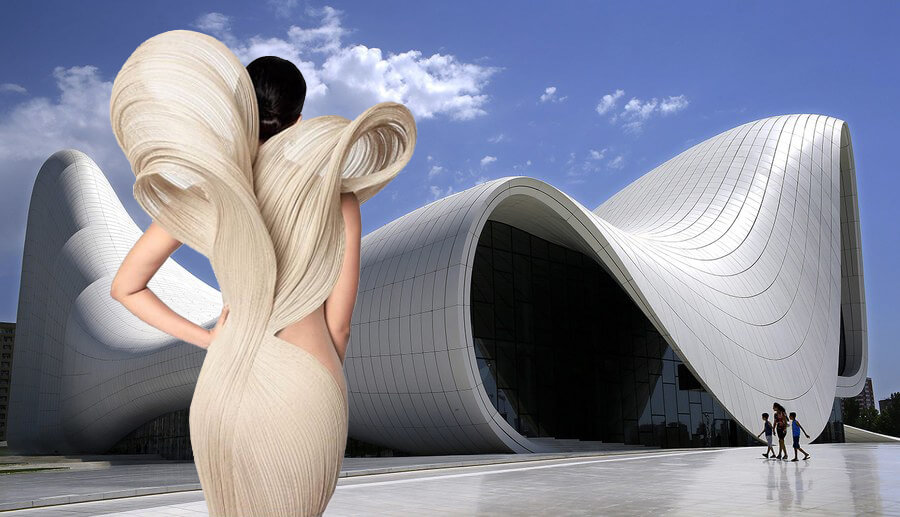
Table of Contents Show
Have you ever thought about the relationship between architecture and fashion? These two creative disciplines share far more than meets the eye. Architecture fashion is a fascinating subject that reveals how buildings and garments influence each other through form, material, and artistic vision. From the grand silhouettes of Gothic cathedrals inspiring haute couture gowns to the minimalist lines of modern buildings shaping contemporary streetwear, the connection between fashion and architecture runs deep. Let’s take a closer look at the relationship of architecture and fashion — two different branches of art that continually cross-pollinate and inspire one another.
How Fashion Is Inspired by Architecture
There is something we are used to seeing in world-famous fashion shows, which are clothing, accessories and shoe designs reminiscent of iconic buildings. Fashion architects like Zaha Hadid, who famously designed shoes for Lacoste and United Nude, demonstrate how an architect’s spatial thinking translates directly into wearable design. Similarly, designers such as Iris van Herpen and Issey Miyake have built entire collections around architectural principles of structure, geometry, and spatial form.
It is certain that the structural elements of the buildings and the facade design is a kind of inspiration for fashion designers. As we have seen in many examples, inspiring buildings have also influenced other branches of art such as fashion. The concept of clothing architecture — where garments are constructed with the same rigor and intentionality as buildings — has become a defining trend in contemporary fashion design.
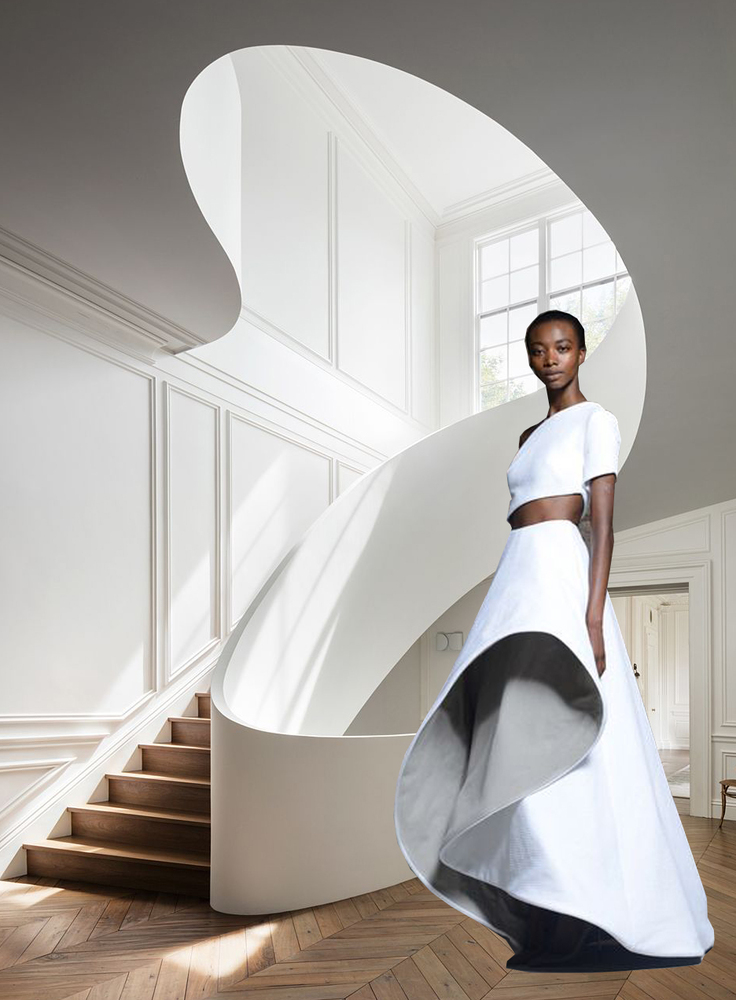
Photo Source: Does Form Follow Fashion? Viktoria Lytra’s Montages Keep Iconic Architecture In Vogue | ArchDaily
In addition, there are subjects that fashion and architecture jointly inspire. For example, both are influenced by works of art, paintings, sculptures, and technology. Undoubtedly, with each passing year, we see more and more the effect of technology in fashion shows and in architecture. We can feel the influence of art and technology from resources for both arts from the production process of the works to their appearance. In 2025, AI-driven design tools are reshaping both disciplines, enabling fashion architects and building designers to experiment with parametric forms and generative patterns that were previously impossible to create.

Photo Source: Architecture Fashion, How Fashion Designs and Architects Cross-Pollinate (mymodernmet.com)
Famous Fashion Architects and Designer Collaborations
The crossover between architecture for fashion has produced some of the most memorable collaborations in both industries. Rem Koolhaas and OMA have designed iconic retail spaces for Prada, transforming the shopping experience into an architectural event. The late Zaha Hadid collaborated with numerous fashion brands, bringing her signature fluid geometry to everything from handbags to runway installations. These fashion architect collaborations prove that the boundaries between building design and garment creation are increasingly blurred.
Other notable collaborations include architect Peter Marino, who has designed luxury flagship stores for Dior, Louis Vuitton, and Chanel, merging high fashion aesthetics with architectural innovation. Japanese architect Kengo Kuma partnered with iconic building principles to create retail environments that reflect the brand’s identity through spatial design and material storytelling.
Material Similarities in Fashion and Architecture
It is impossible not to mention the material, which is the most important thing for both productions. In architecture, material is as influential as how the building stands and how it is felt and seen. Likewise, in fashion, it is impossible to make designs without materials. The shared language of materials is perhaps the strongest link between architect fashion and clothing design.
Just like in architecture, the character of the materials shapes the design. The materials used in architecture and the fabrics in fashion are similar in appearance. Have you noticed this before? Both disciplines rely on understanding how a material drapes, reflects light, provides structure, or creates transparency. Whether it is a sustainable facade material or an eco-friendly textile, the principles of material selection are remarkably parallel. Let’s compare together!
Glossiness
Glossy, reflective surfaces are a powerful design tool in both fashion in architecture and clothing design. In buildings, reflective glass and polished metal facades create dramatic visual effects, mirroring the surroundings and changing appearance throughout the day. In fashion, metallic fabrics, patent leather, and sequined textiles achieve a similar sense of luxury and dynamism.

Photo Source: Burberry, JW Anderson, Erdem, and More: The Best Looks from London Fashion Week Fall 2020 (harpersbazaar.com)

Credit: Veiled in Brilliance: How Reflective Facades Have Changed Modern Architecture | ArchDaily
Transparency
Transparency is another shared quality that defines both fashion architecture and building design. In architecture, translucent materials like ETFE, frosted glass, and polycarbonate panels allow light to filter through while maintaining a sense of enclosure. In fashion, designers use sheer fabrics such as organza, tulle, and chiffon to create garments that play with visibility and concealment — much like a modern glass facade reveals and hides the interior spaces of a building.

Photo Source: Fashion Week or Bust! – Luck of the Stylish

Photo Source: Ten translucent buildings with exteriors that allow light to pass through (dezeen.com)
Colors
Color in architecture and fashion serves as a powerful tool for identity, emotion, and cultural expression. The De Stijl art movement, pioneered by Piet Mondrian, is one of the clearest examples of how color theory bridges fashion and architecture. Mondrian’s bold primary color blocks have inspired both colorful building facades and iconic fashion collections, including Yves Saint Laurent’s legendary Mondrian dress from 1965.

Photo Source: De Stijl by Balmain – In the Thick of Style
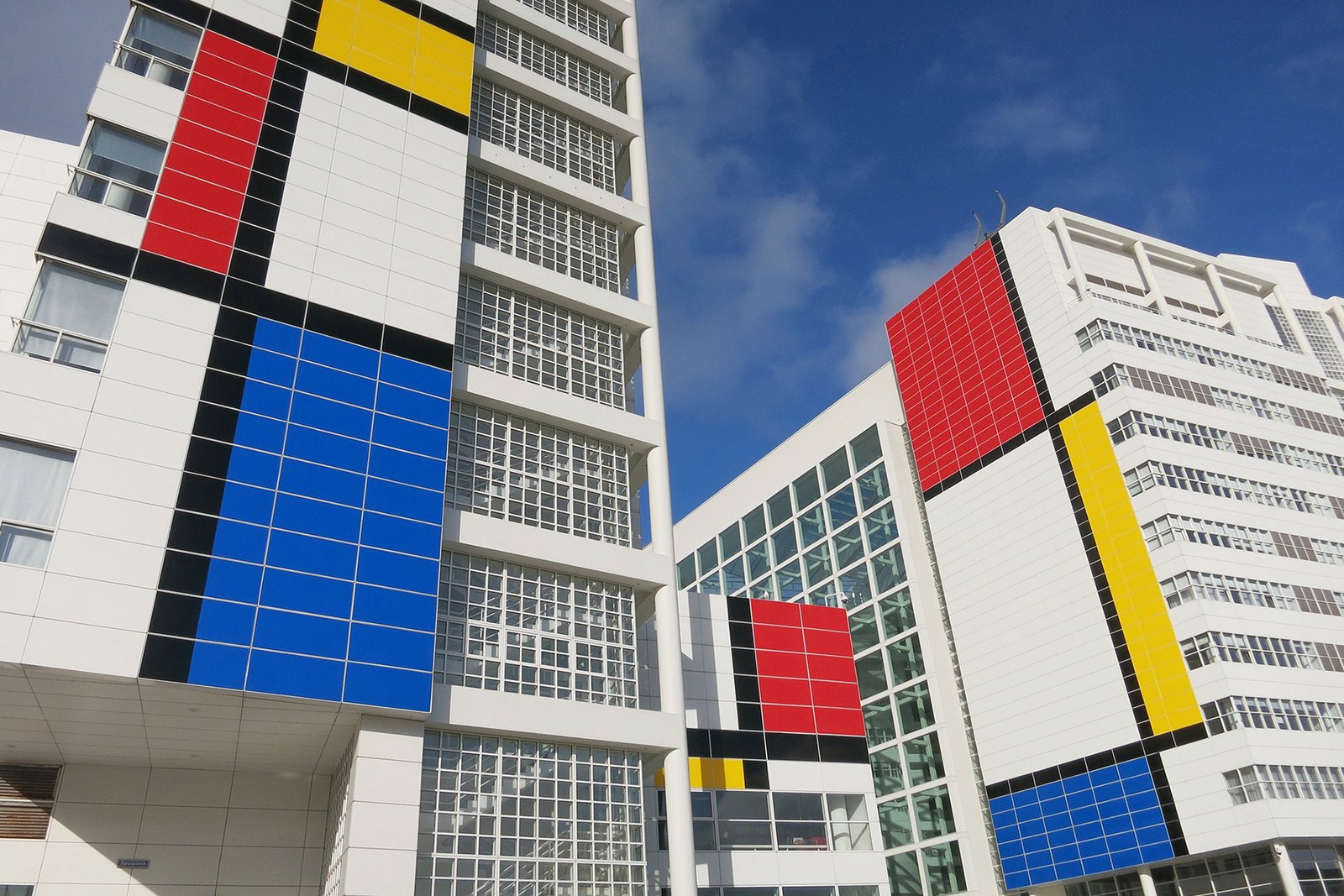
Photo Source: 6 Colorful, Geometric Buildings Inspired by Piet Mondrian – Dwell
Texture
Texture creates depth, visual interest, and tactile richness in both architecture and fashion. Rough stone facades, woven brick patterns, and textured concrete in architecture find their counterparts in tweed, knitted fabrics, and embroidered textiles in fashion. The interplay of smooth and rough textures can dramatically alter how we perceive both a building and a garment, making texture one of the most expressive tools shared by fashion architects and building designers alike.

Photo Source: Pinterest

Photo Source: Pinterest
Structural Principles: Where Architecture Meets Fashion Design
Beyond materials, architecture and fashion share fundamental structural principles. Both disciplines must solve the challenge of supporting weight and creating form. In architecture, load-bearing walls, cantilevers, and tensile structures define how a building stands. In fashion, boning, draping, and tailoring determine how a garment holds its shape on the human body.
Designers like Rei Kawakubo of Comme des Garçons have pushed the boundaries of clothing architecture by treating garments as sculptural, inhabitable forms. Her work challenges the conventional relationship between body and garment, much like deconstructivist architects challenge the relationship between structure and space. This approach to architecture for fashion has influenced an entire generation of designers who view clothing as a form of wearable architecture.
Sustainability: A Shared Concern for Fashion and Architecture
Both fashion and architecture face increasing pressure to adopt sustainable design practices. In architecture, this means using recycled materials, designing energy-efficient facades, and pursuing carbon-neutral construction. In fashion, sustainability involves using organic and recycled textiles, adopting zero-waste production techniques, and designing garments with longer life cycles.
The convergence of sustainability in both fields has produced exciting innovations. Architects and fashion designers are collaborating on bio-based materials, 3D-printed structures, and circular design systems that minimize waste. These shared sustainability goals are strengthening the bond between fashion in architecture and pushing both industries toward a more responsible future. For example, sustainable facade design principles are now informing how fashion brands approach material sourcing and lifecycle planning.
The Future of Architecture and Fashion
As technology continues to evolve, the relationship between architecture and fashion will only deepen. Wearable technology, smart textiles, and responsive materials are blurring the line between what we wear and the spaces we inhabit. Digital design tools like parametric modeling and AI-generated patterns are being used by both fashion architects and building designers to create forms that adapt to the human body and environment.
The future of fashion architecture lies in interdisciplinary thinking — where architects design clothing and fashion designers conceive buildings. As both fields continue to share materials, technologies, and creative philosophies, the crossover between architecture and fashion will produce increasingly innovative and inspiring results. Whether you are a fashion designer seeking structural inspiration or an architect fascinated by textile innovation, the dialogue between these two art forms offers endless possibilities for creative exploration.


1 Comment


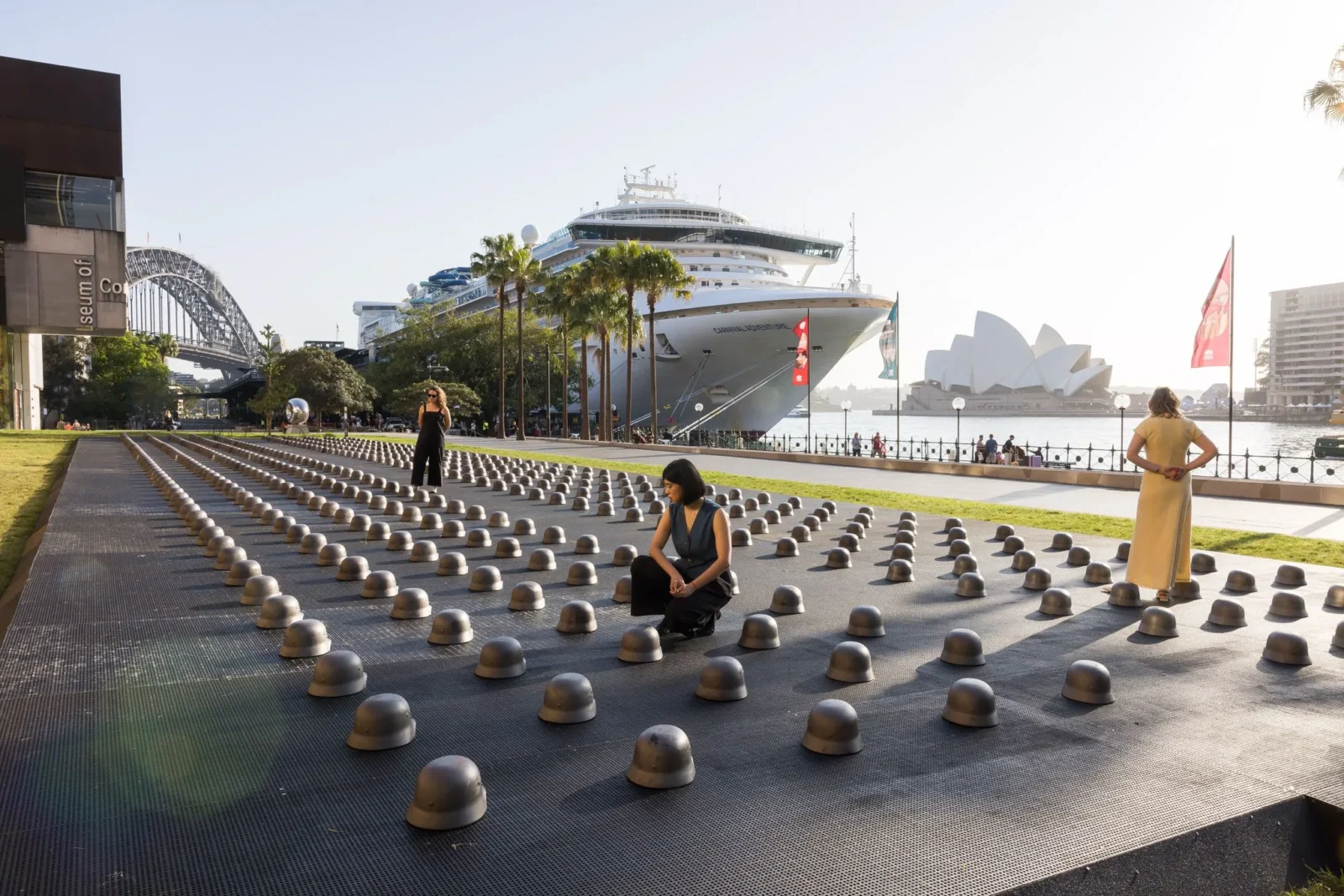
Ai Weiwei Installs 500 Cast-Iron Helmets Outside Sydney Museum
Ai Weiwei's 500 cast-iron helmets opened outside Sydney's MCA on 25 September,...
 illustrarch Editoral Team2 Mins read
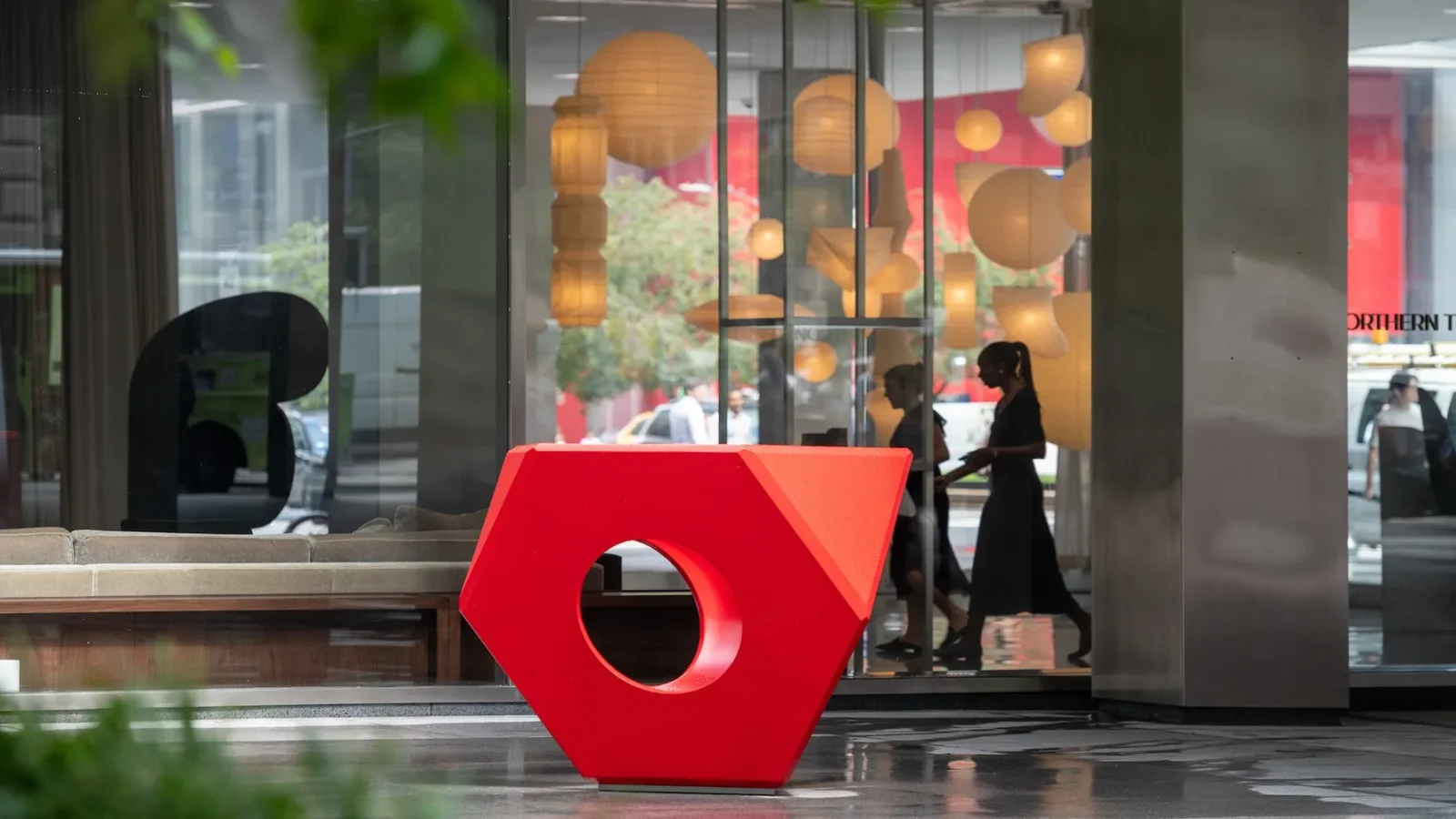
Isamu Noguchi at Lever House Traces Sculptor’s Decades-Long Collaboration with Bunshaft
Lever House's new exhibition pairs Noguchi sculptures with unbuilt garden designs made...
illustrarch Editoral Team2 Mins read

Futuro House Production Revived in Finland After Decades-Long Hiatus
A Facebook listing for abandoned moulds led to the first new Futuro...
illustrarch Editoral Team3 Mins read
Building Your Dream Home in NSW: What You Should Know About Montgomery Homes
Montgomery Homes has been building across Sydney, Newcastle, the Hunter, Wollongong and...
illustrarch Editoral Team4 Mins read


I never thought about how fashion and architecture are connected. It makes sense that designers would draw inspiration from buildings. The examples in the article are interesting.