

Green Architecture Explained: Designing for a Resilient Tomorrow
Green architecture explained through resilience: practical ways to cut carbon, improve health, and endure heat, storms, smoke, with metrics and 30-50% cuts.
 Sinan Ozen26 December 20254 Mins read292
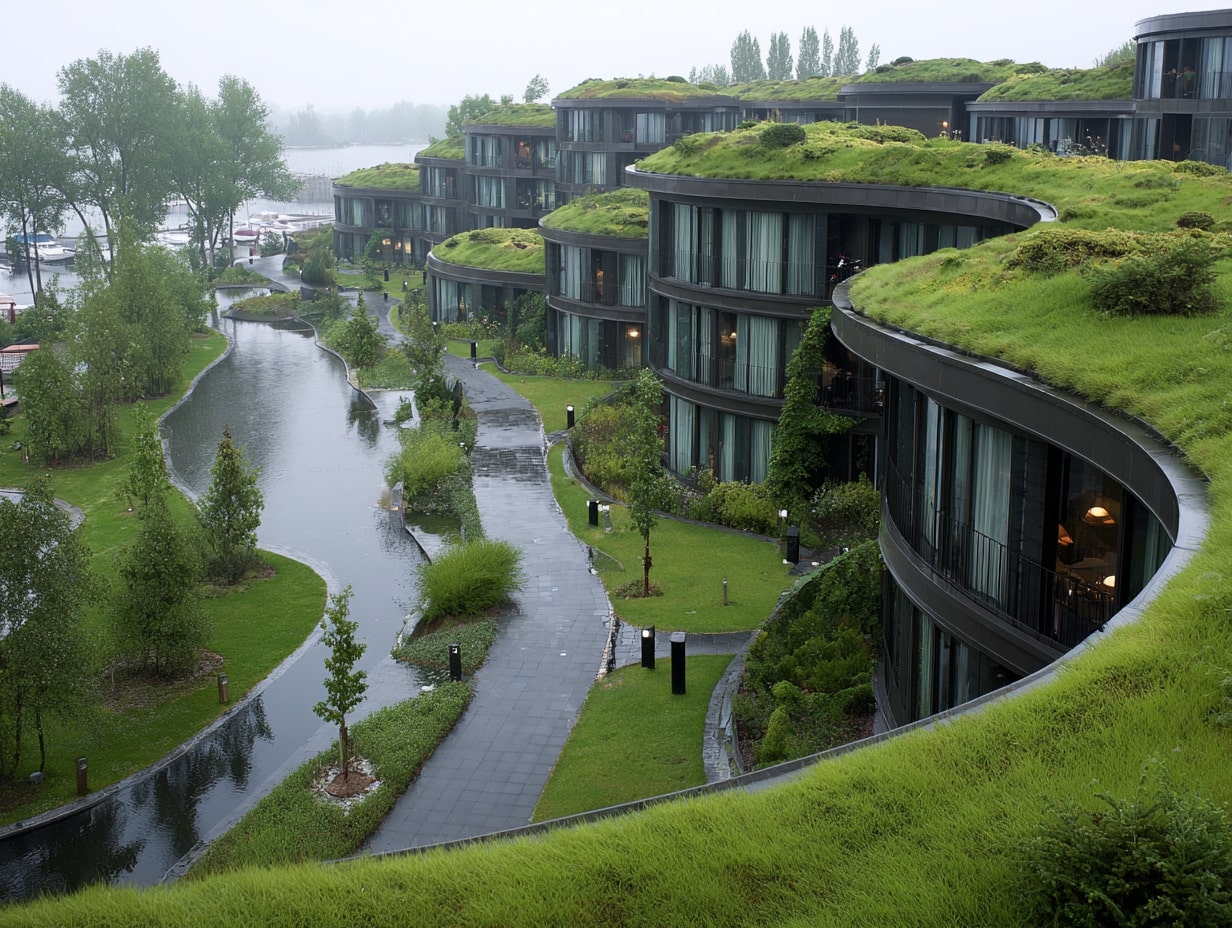
Table of Contents Show
Green architecture isn’t just about low-flow fixtures and a few rooftop panels anymore. As climate risks intensify and codes tighten, we’re rethinking how buildings perform, how they’re made, and how they evolve. In this guide, we explain green architecture through a resilience lens, how we design spaces that cut carbon, safeguard health, and stand up to heat, storms, smoke, and rising costs. Let’s get practical about what works now, and what prepares us for what’s next.
See also our guide to sustainable architecture ideas.
What Green Architecture Means Today
From Sustainability To Regeneration
We’ve moved from “doing less harm” to creating net benefits. That shift shows up in projects that generate energy, restore habitat, and clean or reuse water on site. Instead of optimizing a single building system, we treat the site as an ecosystem, linking energy, water, materials, and community. The goal: lower operational and embodied carbon while enhancing resilience and local quality of life.
Balancing Performance And Aesthetics
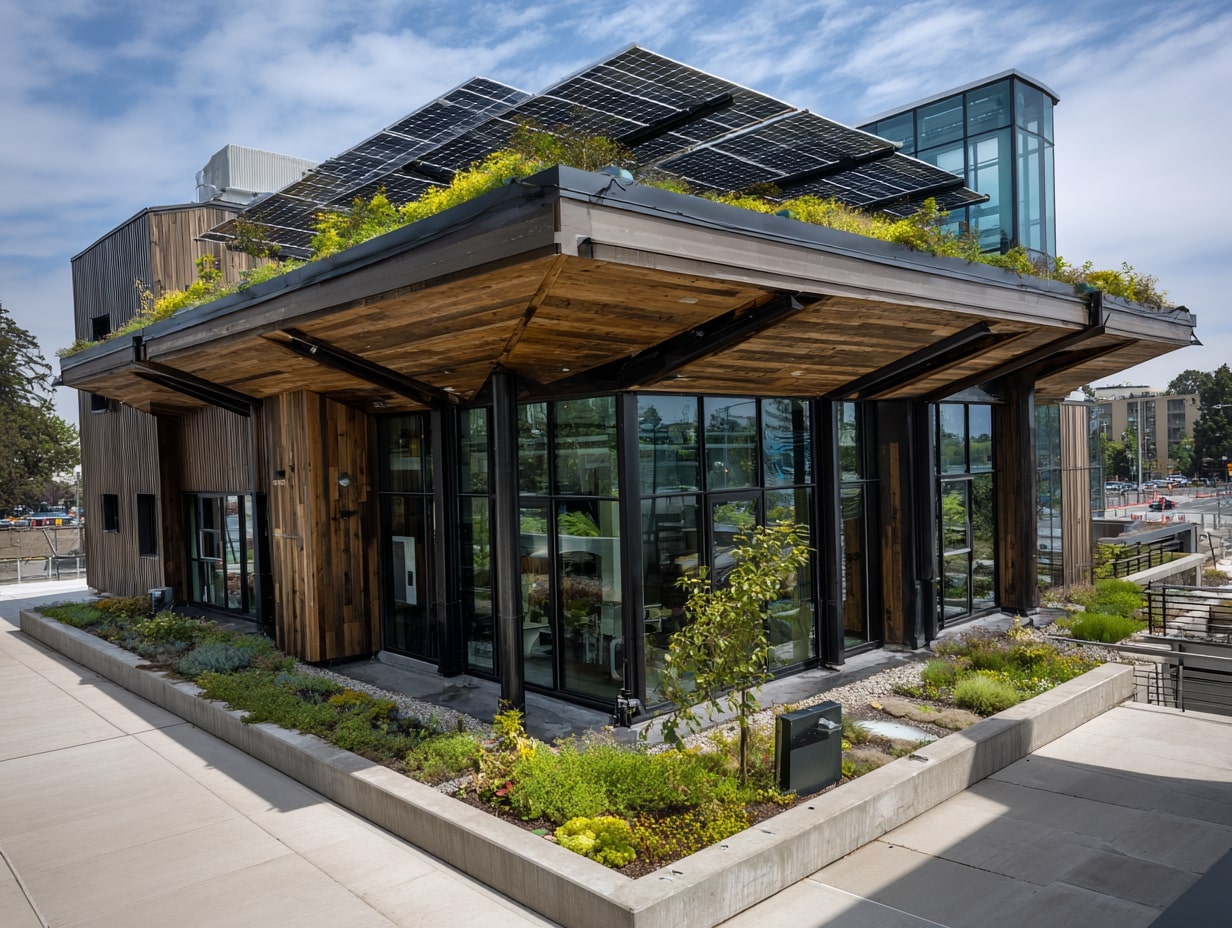
Performance without beauty rarely endures. We prioritize passive moves, proportions, shading, massing, then express them with materials and forms that feel right for place. Daylight-rich interiors, textured natural finishes, and visible stormwater landscapes make resilience tangible. When design delights, owners maintain it and occupants champion it, which is a quiet superpower for longevity.
Certifications And Metrics That Matter
Ratings like LEED, WELL, and Living Building Challenge help align teams, but we track hard numbers: EUI (energy use intensity), thermal comfort hours, WBLCA results for embodied carbon, indoor air quality, and water balance. We also set a carbon budget early and hold to it. Certifications are the milestone: measured outcomes are the mission.
Core Principles For Resilience
Passive First: Orientation, Envelope, And Daylighting
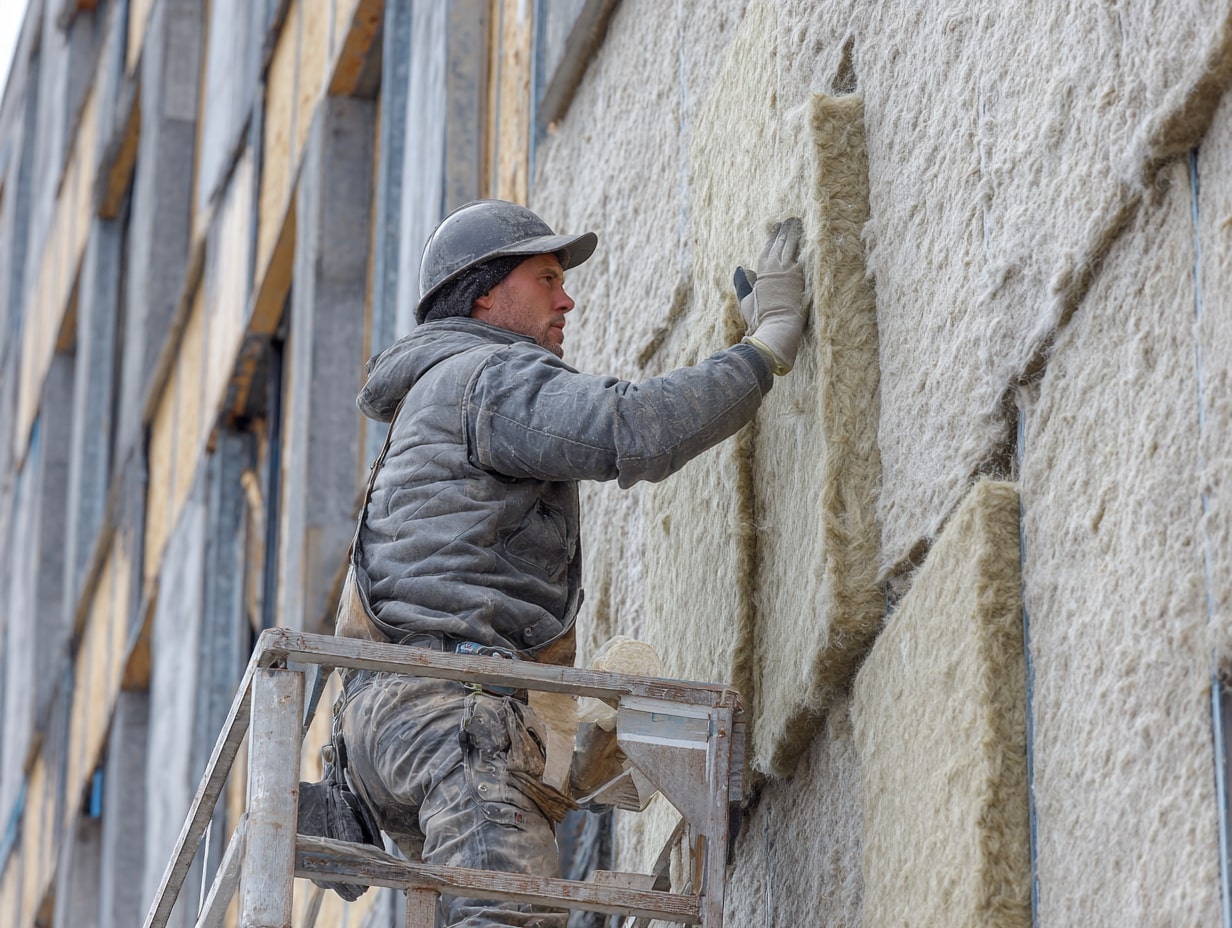
We start with siting and form. Proper orientation, high-performance envelopes (continuous insulation, airtightness under 1.0 ACH50 when feasible), exterior shading, and glare-controlled daylighting can cut loads 30-50% before we add tech. Right-size mechanicals follow, often with all-electric heat pumps and dedicated outdoor air systems for efficient, healthy ventilation.
Water-Wise Design And Onsite Reuse
Drought and deluge are two sides of the same coin. We specify native planting, soil amendments, and bioswales to slow, store, and clean runoff. Cisterns capture roof rain for irrigation or toilet flushing: graywater reuse trims potable demand. Smart fixtures, leak detection, and submetering keep the savings honest. Designing the site to safely flood, without damaging critical systems, is resilience 101.
Healthy Interiors And Biophilic Strategies
We choose low-emitting materials (CDPH tested), formaldehyde-free composites, and avoid PFAS where possible. Abundant daylight, views to green, operable windows in appropriate climates, and acoustic zoning improve cognitive performance and well-being. Biophilic elements, wood, plants, water, and local textures, do more than look nice: they measurably reduce stress.
Climate-Specific Strategies
Heat And Drought Adaptation
For hotter zones, we prioritize solar control: deep overhangs, dynamic shading, high-SHGC tuning by orientation, cool roofs, and night-flush strategies. Thermal mass can smooth diurnal swings in dry climates. Landscape design leans xeric with efficient irrigation and soil moisture sensors. We ensure mechanical spaces are shaded and maintainable during heat waves.

Flood, Storm, And Sea-Level Readiness
In storm-prone or coastal areas, we elevate critical equipment, use flood-damage-resistant materials at lower levels, and design sacrificial zones that can wet and dry. Breakaway walls, continuous load paths, and robust roofing keep envelopes intact. Site grading, permeable paving, and protected egress routes preserve access after events. Backup power via batteries and onsite PV keeps essentials running.
Wildfire And Smoke Mitigation
In WUI regions, we specify noncombustible cladding, ember-resistant vents, and Class A roofs. Clear defensible space, irrigated zones near structures, and metal screens on soffits matter. For smoke, we design high-MERV filtration (13+), airtight envelopes, and dedicated clean-air rooms. Operable windows are great, until they’re not, so we plan for sealed-mode operation during smoke events.
Materials And Carbon Circularity
Low-Carbon Structures And Finishes
Structure drives embodied carbon. We evaluate low-cement concrete mixes (with SCMs), optimize spans, and consider mass timber where appropriate and code-compliant. For interiors, we favor recycled content, rapidly renewable materials, and finishes that last. Fewer layers, fewer adhesives, more mechanical fasteners.

Design For Disassembly, Reuse, And Longevity
We treat buildings like material banks. Standardized grids, bolted connections, and accessible fasteners allow components to be swapped, not trashed. Durable details, kick plates, replaceable wear layers, and generous maintenance access, extend life. We salvage when possible and specify reusable fixtures with documented provenance.
Measuring Impact: WBLCA, EPDs, And Carbon Budgets
Whole-Building Life Cycle Assessment quantifies embodied impacts from structure to finishes. Product-specific EPDs let us compare apples to apples. We set a project carbon budget (kgCO2e/m²) at concept, then track deltas as the design evolves. Procurement matters: low-carbon specifications in bid documents lock in performance, not just intent.
Policy, Economics, And Practice
Codes, Incentives, And Financing Mechanisms
Policy is catching up. Stretch energy codes, electrification mandates, and embodied carbon limits are expanding. We stack incentives, tax credits for heat pumps and PV, utility rebates, green bonds, C-PACE, and resilience grants, to close gaps. Early engagement with AHJs streamlines approvals, especially for water reuse and mass timber.
Total Cost Of Ownership And Risk Reduction
We evaluate lifecycle cost, not just first cost. Lower energy use, smaller mechanicals, and durable materials reduce O&M. Resilience features, floodable ground floors, backup power, smoke-ready ventilation, lower downtime and insurance risk. In many markets, green architecture now pencils out because it reduces volatility, not just consumption.

Integrated Workflow: Modeling, Commissioning, And POE
We front-load decisions with climate and energy modeling, daylight simulations, and early WBLCA. Commissioning verifies performance: monitoring-based commissioning keeps it honest. Post-occupancy evaluation (surveys, sensors, and utility data) closes the loop, informing future designs so we don’t repeat mistakes.
Conclusion
Designing for a resilient tomorrow means aligning beauty with physics and budgets with carbon reality. When we start passive, right-size systems, and treat materials as a circular resource, we create buildings that are kinder to people and tougher under stress. The payoff is tangible: lower bills, healthier air, and spaces that keep working when the grid or weather doesn’t. Green architecture, explained simply, is smart architecture, designed for the long run.








Famous Sustainable Buildings: 6 Green Skyscrapers Leading the Future
From Milan's Bosco Verticale to Sydney's record hybrid timber tower, six green...
 Furkan Sen6 Mins read
Best Orientation for a House: Why North Orientation Matters
North orientation shapes a home's light, warmth, and running costs, and its...
Furkan Sen6 Mins read
Passive Design Architecture: A Practical Guide to Low-Energy Buildings
Passive design uses a building's orientation, form, and materials to control heat,...
Furkan Sen8 Mins read
Passive House vs LEED Certification: Which Green Standard Should You Pursue?
Passive House focuses on strict energy performance and airtightness, while LEED scores...
Sinan Ozen8 Mins read


Leave a comment