

Why Smart Bin Rental Strategy Shapes Better Architecture Projects
 Bahattin Duran26 December 20255 Mins read71
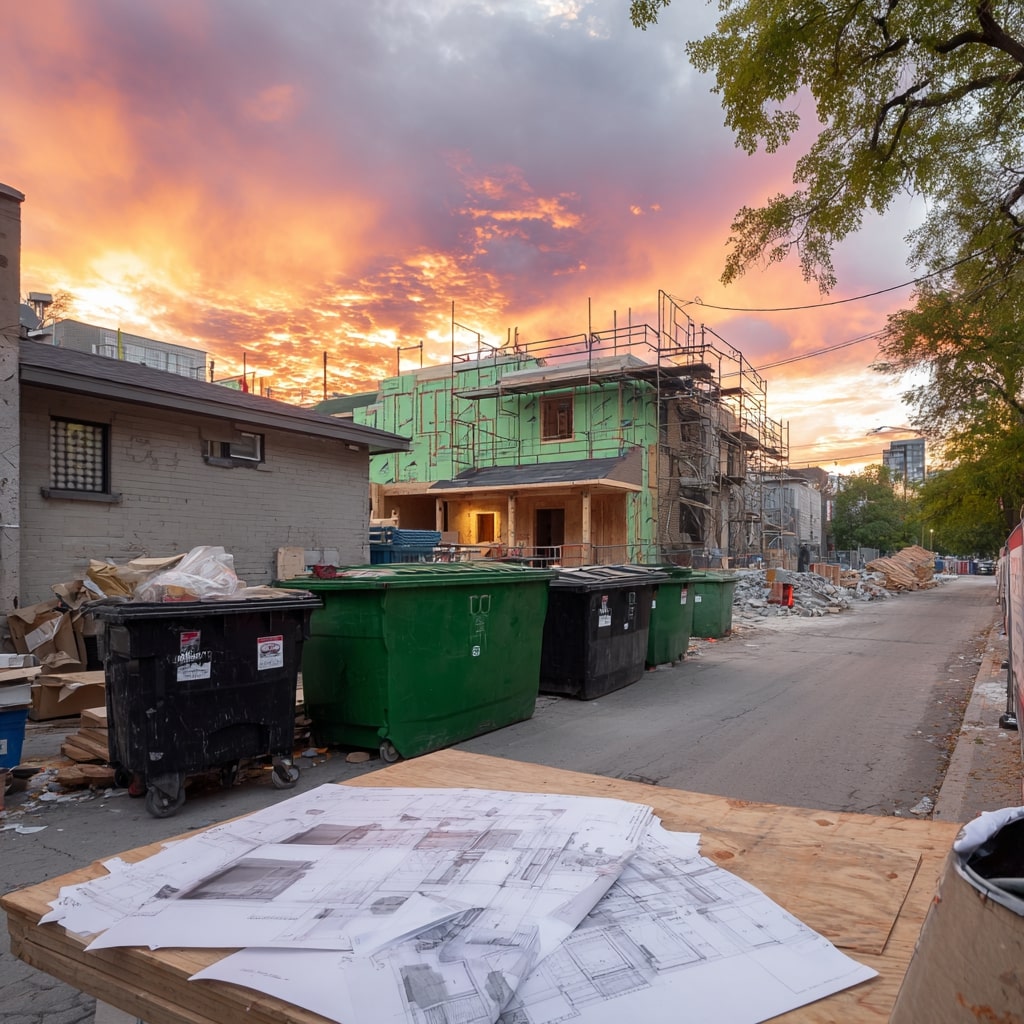
Table of Contents Show
Picture this: you’re standing before your dream architectural project, blueprints approved, permits in hand, and then reality hits. Where does all that construction debris actually go? Enter the unsung hero of successful builds: strategic bin rental for construction projects. While it might sound like the least glamorous part of bringing architectural visions to life, effective waste bin rental planning sits right at the intersection of site logistics, environmental responsibility, and budget management.
Think of building permits as your project’s passport and waste management as your travel itinerary. You wouldn’t fly overseas without planning where you’ll stay, right? Similarly, architects and contractors who treat waste disposal as an afterthought often discover mid-project that their “minor detail” has morphed into a major headache. The difference between projects that flow smoothly and those that stumble often comes down to how well the logistics dance around material flow, and that starts with choosing the right containers before the first wall comes down.
Modern architecture increasingly embraces sustainability, adaptive reuse, and material consciousness. Yet these principles crash against reality when renovation debris piles up without proper containment. A colleague once told me about a heritage building restoration where improper waste management damaged original hardwood floors that survived a century but couldn’t withstand careless demolition cleanup. That single oversight cost more than the entire waste management budget would have been for proper planning.
The Hidden Architecture of Waste Management
Here’s something architecture school rarely teaches: site logistics create their own spatial choreography. Just as you’d never block a building’s main entrance with scaffolding, placement of waste containers demands the same spatial intelligence. The best contractors approach bin rental placement like placing furniture in a room. It needs to serve function without strangling circulation.
During a mid-rise residential project in Toronto’s west end, the site supervisor positioned three different sized bins strategically: one near the demo zone for structural waste, another by finish carpentry for wood scraps, and a third accessible from the street for packaging materials. This seemingly simple arrangement reduced worker walking time by roughly 40%, which translated to completing demolition three days ahead of schedule. Time saved equals money earned, but more importantly, it meant the architectural team could begin their design implementation phase earlier.
The spatial considerations extend beyond mere placement. Container size selection mirrors the architectural principle of right-sizing spaces. A 40-yard bin might seem efficient, but if your project timeline only generates waste for partial loads over extended periods, you’re essentially paying rent on empty space. Conversely, undersized bins create the equivalent of spatial bottlenecks, forcing multiple swaps that disrupt workflow and compound costs.
Material Separation as Design Thinking
Architects obsess over how materials interact in a finished building, but savvy ones extend that thinking backward through the construction process. Material separation during demolition and construction isn’t just about recycling quotas; it’s about understanding the material lifecycle from cradle to grave. This holistic view aligns perfectly with modern permit processes that increasingly emphasize environmental compliance.
Consider concrete, metals, and wood—the holy trinity of construction waste. Mixed together, they’re landfill fodder. Separated thoughtfully, they become resources with second lives. Metal recycling facilities actually pay for clean scrap, offsetting some rental costs. Concrete gets crushed into aggregate. Clean dimensional lumber finds new purpose through reclamation yards that supply designers with character-rich materials.
One adaptive reuse project converting a 1920s industrial building into loft apartments generated nearly $8,000 in recycled metal revenue simply by dedicating one bin exclusively to steel and copper. The architect specified this separation upfront, making it integral to the demolition plan rather than an afterthought. The recovered materials offset waste management expenses while reducing the project’s environmental footprint.
Timing: The Fourth Dimension of Waste Planning
Architects live and breathe timelines, yet waste management timing often gets treated as a perpetual afterthought. The reality? Bin rental timing influences critical path elements just like material deliveries or inspection schedules. Understanding this temporal dimension separates amateur logistics from professional orchestration.
Phased construction projects particularly benefit from dynamic waste management strategies. Rather than keeping one massive container on-site indefinitely, intelligent scheduling brings bins in and out as project phases dictate. Foundation work generates mostly soil and concrete; framing produces wood waste; finishing creates packout materials and minor debris. Each phase has distinct waste profiles requiring different container types and pickup schedules.
A residential addition project demonstrated this beautifully. The contractor scheduled a dirt-only bin during excavation, swapped to a construction debris bin for framing, then finished with a smaller bin for final cleanup. This adaptive approach reduced total waste management costs by 35% compared to the original bid that assumed one large container for the entire timeline.
Budget Architecture: Building Financial Frameworks
Let’s talk money, because ultimately every design decision faces the crucible of budget reality. Waste management typically represents 2-4% of total construction costs, but poor planning can double or triple that percentage through inefficiencies, emergency removals, and disposal violations.
Smart budgeting treats waste management as an investment rather than expense. Upfront planning—selecting appropriate sizes, scheduling strategic swaps, understanding weight limits—prevents the budget bleed of reactive decisions. Emergency bin deliveries command premium pricing. Overweight penalties bite hard. Unplanned extensions drain resources.
One commercial renovation saved nearly $15,000 by conducting a pre-demolition waste audit. The architect and contractor walked through together, estimating material volumes and types. This exercise revealed that specialty waste (asbestos tiles, old refrigerants) required separate handling, preventing expensive contamination of general waste bins. The audit also identified salvageable architectural elements—vintage lighting, original brick, antique doors—that offset disposal costs while providing character materials for the new design.
Environmental Ethics Meet Practical Reality
Modern architecture increasingly embraces environmental responsibility, but nowhere does rhetoric meet reality more directly than in waste management. LEED certification, green building standards, and municipal waste diversion targets all demand proof, not promises. Proper waste documentation becomes part of your project’s environmental credentials.
Progressive architects now include waste management performance metrics in their project closeout documentation. Diversion rates, recycling tonnages, and landfill avoidance numbers tell a story about environmental commitment that resonates with clients and communities. These aren’t abstract metrics—they represent tangible impact.
A mixed-use development achieved 87% waste diversion through aggressive separation protocols and strategic bin rental. The architect featured these numbers in marketing materials, attracting environmentally conscious tenants who paid premium rents. The waste management investment became a revenue generator through reputation building and tenant attraction.
The Coordination Dance: Integrating Multiple Stakeholders
Every construction project resembles a complex ballet with multiple performers moving in synchronized patterns. Waste management adds another dancer to this choreography, and coordination prevents collisions. The architect, general contractor, subcontractors, waste management provider, and municipal regulators all need alignment.
Clear communication protocols prevent common disasters. Who orders bin swaps? How do drivers access the site? Where do different materials go? What happens if prohibited items appear in containers? These questions need answers before problems arise, not during crisis management.
One particularly smooth project attributed success to weekly coordination meetings that included the waste management provider. This integration allowed real-time adjustments to bin schedules based on actual progress rather than estimated timelines. When framing proceeded faster than expected, bins swapped early. When inspections delayed demolition, pickups pushed back. This flexibility prevented both waste overflow situations and paying for empty containers.
Future-Forward Thinking
Architecture looks forward, imagining spaces that don’t yet exist. That same forward thinking should extend to waste management. New technologies, changing regulations, and evolving environmental standards continuously reshape best practices.
Digital waste tracking platforms now provide real-time data on container weights, pickup schedules, and material composition. Some services offer photo documentation proving proper disposal and recycling, creating audit trails that satisfy stringent green building certifications. GPS tracking prevents the age-old excuse of “the truck never came” by providing exact arrival and departure timestamps.
Smart architects incorporate these technological capabilities into project specifications, ensuring waste management evolves alongside other building systems. The data generated becomes valuable for future project estimation, creating institutional knowledge that improves with each build.
Looking ahead, circular economy principles will likely reshape how we conceptualize construction waste entirely. Materials might not be “waste” at all but resources in transition between uses. Forward-thinking architects already design for eventual deconstruction, specifying materials and assembly methods that facilitate future disassembly and reuse. This paradigm shift makes waste management less about disposal and more about material stewardship.







Residential Architecture Face-Off: Co-Living vs Traditional Apartment for Urban Housing
Co-living and traditional apartments represent two distinct approaches to residential architecture in...
 Furkan Sen8 Mins read

Fibonacci Sequence in Architecture: 10 Iconic Examples and How They Work
From the spiral columns of ancient temples to the proportional grids of...
 Elif Ayse Sen14 Mins read

What Makes a Bathroom Truly High-End? The Decisions You Don’t See
Table of Contents Show Circulation That Survives Real UseMaterials Chosen for Behaviour,...
 illustrarch Editoral Team3 Mins read

Summer Insulation Tips for Metal Garages, Shops, and Barns
Table of Contents Show Signs Your Building Needs Better InsulationBest Insulation Options...
illustrarch Editoral Team2 Mins read


Leave a comment