

The Role of Insurance in Building a Resilient Construction Business
Insurance plays a crucial role in the construction industry by providing essential coverage that protects projects and assets from financial risks associated with unforeseen.
 Bahattin Duran15 January 20264 Mins read184
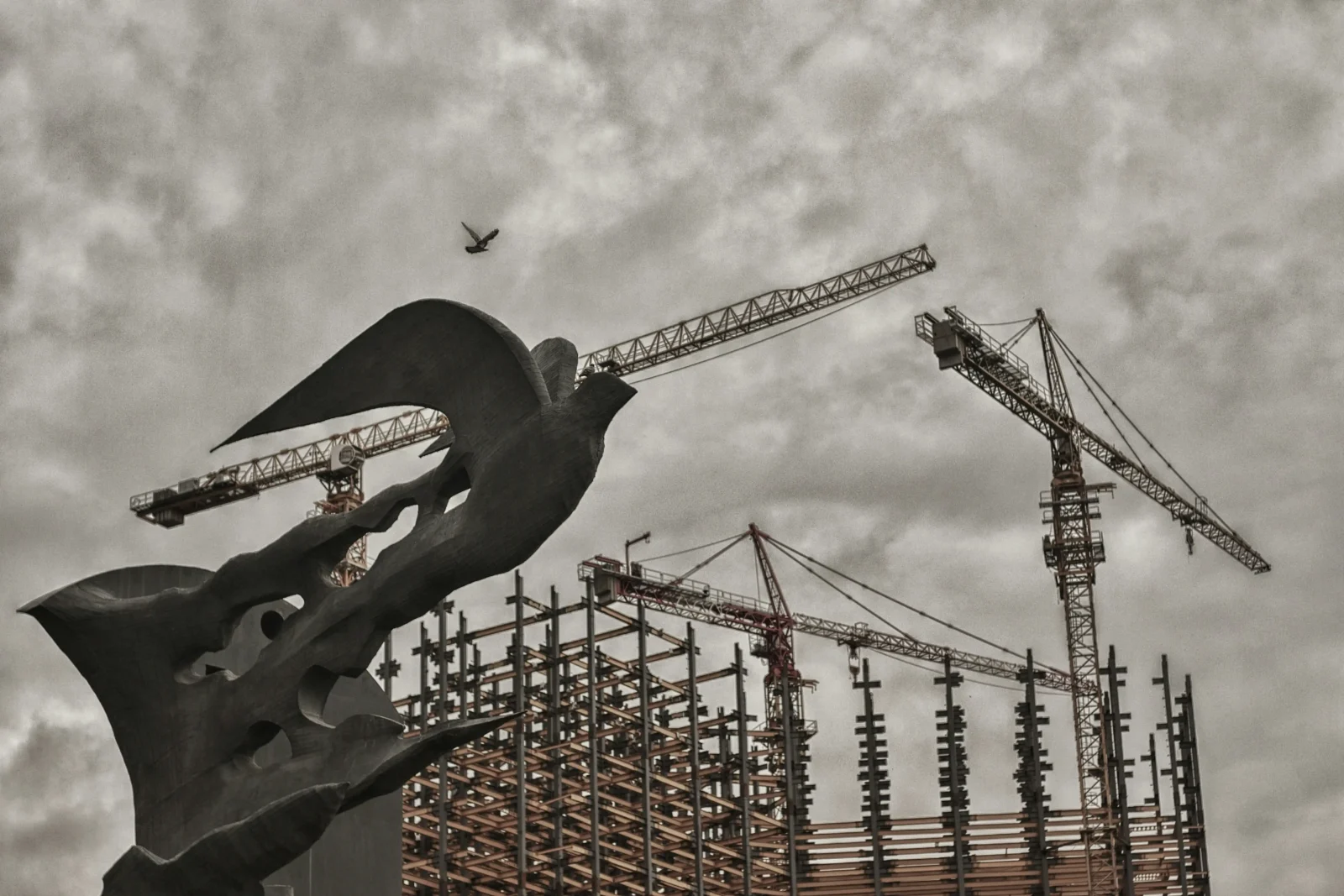
Table of Contents Show
In the construction industry, every project faces uncertainty from accidents, damaged materials, and severe weather. A single setback can interrupt progress and cause major financial loss. Insurance provides a safeguard that keeps a construction business steady during unpredictable events. It helps companies protect projects, assets, and long-term operations from risks that could otherwise halt growth.
A resilient construction business does not depend on luck. It relies on a well-structured insurance approach that protects work in progress, supports recovery after disasters, and balances liability exposure. Through specialized coverage types, a company can build the confidence and flexibility needed to handle today’s complex challenges with greater stability and clarity.
Contract Works Insurance: Protects materials and work in progress from damage or loss during construction
Contract works insurance helps construction firms shield the work on-site from damage, loss, or theft before completion. It usually covers materials, labor, and structures under construction, which reduces financial stress if a project faces setbacks from events like fire, storm, or vandalism.
Many builders view this coverage as essential because it supports their ability to recover quickly after unforeseen incidents. It can cover not only physical damage but also costs to repair or rebuild affected sections of the project. Therefore, it serves as a key tool for maintaining financial stability across multiple job sites.

Contractors comparing top-rated contractor insurance packages in Arizona often include contract works insurance within their policies. These packages can help them stay compliant, meet client requirements, and protect materials already purchased or installed. As a result, businesses keep their projects on track with fewer interruptions and lower financial risk.
Climate Resilience Insurance: Mitigates financial risks from extreme weather and natural disasters
Climate resilience insurance helps construction businesses reduce financial exposure from storms, floods, wildfires, and other natural hazards. It provides the funds needed to repair damage and resume projects faster after severe weather events. As weather patterns grow less predictable, this type of coverage helps maintain cash flow and protect long-term investments.
Insurers use data on climate risk to adjust premiums and coverage terms. This data reflects regional hazard levels and the vulnerability of assets such as buildings, equipment, and supply routes. By pricing risk more accurately, insurers encourage stronger design and site planning practices.
In addition, climate resilience insurance supports better financial planning. It enables contractors and developers to absorb losses that might otherwise halt construction or lead to insolvency. Therefore, it serves as both a safety net and a financial strategy that helps the construction sector withstand changing environmental conditions.
Layered Insurance Programs: Integrate multiple coverages for comprehensive risk management
A layered insurance program allows a construction business to spread exposure across several levels of coverage. Each layer sets a limit, and once that limit is reached, another policy takes effect. This structure helps manage losses that might exceed a single insurer’s capacity.
Contractors often face large, unpredictable claims. By dividing coverage between primary and excess policies, they secure higher total limits without relying on one provider. The top layers protect against severe losses, while the lower layers handle more frequent, smaller claims.

This method also creates flexibility. Businesses can mix policies for property damage, liability, or business interruption based on their specific needs. As a result, they control premiums more effectively and reduce the risk of financial gaps.
Regular review of each layer keeps the structure aligned with project scale, labor costs, and market changes. This approach builds a stronger financial foundation for long-term operations.
Contractor Liability Insurance: Shields contractors from claims related to injuries or property damage
Contractor liability insurance protects construction businesses from accidents that cause bodily injury or property damage to others. Even a small job can lead to unexpected incidents, such as a client tripping on a site or damage caused during a repair. This coverage helps contractors manage these risks without major financial loss.
The policy covers legal fees, medical payments, and settlements that may result from claims. It acts as a safeguard so contractors can continue work without severe interruptions. In addition, many clients require proof of liability insurance before signing a contract, which makes it an important part of staying competitive.
Policy costs depend on the type of work, business size, and claim history. A contractor with higher-risk projects may pay more due to greater exposure to accidents. Therefore, selecting appropriate coverage helps protect both reputation and business stability in the long run.
Parametric Insurance: Enables faster payouts based on predefined climate event triggers
Parametric insurance offers a clear way for construction businesses to manage weather-related risks. Instead of assessing physical damage after a storm or flood, it pays out based on measurable factors such as rainfall levels or wind speed. This model saves time and reduces uncertainty for project owners and contractors.
These policies rely on data from satellites, sensors, or weather stations to activate payouts once a trigger is met. The process allows funds to reach affected businesses quickly, which helps maintain cash flow and supports ongoing operations after a severe event.
Construction companies benefit from this speed because project delays can lead to major financial strain. With predetermined triggers, both insurers and clients understand the payout conditions in advance. Therefore, disputes over claim values become less common, and recovery can begin sooner.
As climate risks rise in frequency, parametric insurance provides a modern tool to fill protection gaps traditional coverage may miss. It supports greater resilience across the construction sector.
Conclusion
Insurance helps a construction business stay steady in uncertain conditions. It offers financial support after accidents, natural events, or project delays. This protection allows companies to maintain operations and avoid major disruptions.
A thoughtful insurance strategy reduces financial pressure and supports long-term growth. Companies that review coverage regularly and align it with changing project needs often face fewer setbacks. As a result, they use their resources more efficiently and meet client expectations with greater consistency.
By combining strong risk management with proper insurance coverage, a construction business can build lasting stability. This balance safeguards assets, supports employees, and creates confidence across all project stages.






Designing Renovation Projects Around Debris Flow and Site Logistics
Effective renovation planning must prioritize debris flow management. Learn how to integrate...
 illustrarch Editoral Team4 Mins read

How Long Does a Building Warranty Typically Last? Coverage Periods Explained
Building warranty cover is layered, not uniform: one year for finishes, two...
 Sinan Ozen5 Mins read

What Is an Architect’s Certificate of Practical Completion?
A practical breakdown of the architect's certificate of practical completion: who issues...
Sinan Ozen6 Mins read

Preventing Corrosion-Driven Accidents
Learn how to prevent corrosion-driven accidents in buildings and infrastructure, from early...
illustrarch Editoral Team2 Mins read


Leave a comment