

Specialised Construction Services: From Foundations to Site Clearance
Specialised construction services encompass deep foundation work, industrial site modifications, and underwater construction techniques essential for complex projects.
 Bahattin Duran6 January 20266 Mins read183
Table of Contents Show
The construction industry encompasses far more than building walls and laying bricks. Behind every successful project lies a network of specialised services that handle the challenging work most people never see.
From deep foundation work to industrial site modifications, specialist contractors solve problems that general builders cannot address. This guide explores the critical specialised services that keep Australia’s construction industry moving forward.
The Role of Specialist Contractors
Modern construction projects demand expertise across numerous technical disciplines. No single contractor possesses all the skills and equipment required for complex projects.
Specialist contractors fill these gaps with focused expertise and purpose-built equipment. Their niche knowledge solves problems efficiently while maintaining safety and quality standards.
Why Specialisation Matters
Complex technical work requires years of focused experience to master properly. Generalist approaches to specialist tasks often produce inferior results and safety risks.
Equipment costs for specialised work can reach millions of dollars for single machines. Only dedicated specialists can justify these investments through consistent utilisation.
Finding the Right Specialists
Project managers must identify and engage appropriate specialists for each unique challenge. Understanding available services helps match requirements with capable contractors.
Reputation, experience, and safety records indicate specialist contractor quality reliably. Thorough vetting protects projects from delays and substandard work.
Marine and Underwater Construction

Construction doesn’t stop at the waterline for many Australian projects. Ports, bridges, marine structures, and coastal developments all require underwater work capabilities.
Challenges of Working Underwater
Water creates unique challenges that complicate every aspect of construction work. Visibility limitations, pressure effects, and material behaviour all differ dramatically from surface conditions.
Specialised training and equipment enable work in these demanding environments. Safety protocols for underwater operations exceed typical construction requirements significantly.
Concrete Applications Below Water
Placing concrete underwater requires specialised techniques and materials unavailable to general contractors. Standard concrete disperses and fails to cure properly when placed in water.
Professional underwater concreting services utilise tremie methods and specially formulated mixes designed for submerged placement. These techniques ensure concrete cures properly and achieves required strength despite water presence.
Applications include bridge pier repairs, seawall construction, and marine structure foundations. Pipeline stabilisation and scour protection also rely heavily on underwater concrete placement.
Diving contractors combine construction skills with commercial diving certifications for this work. Their dual expertise enables quality construction outcomes in challenging underwater environments.
Other Marine Construction Services
Underwater welding repairs damaged steel structures without costly dry dock requirements. Skilled diving welders work on ships, pipelines, and offshore installations regularly.
Pile driving and extraction in marine environments require specialised barges and equipment. These operations support wharf construction, bridge building, and coastal development projects.
Underwater inspection services assess the structure’s condition without expensive dewatering operations. Regular inspections identify maintenance needs before failures occur.
Foundation and Piling Specialists
Every structure depends on foundations transferring loads safely into the ground. Foundation specialists ensure buildings stand securely for decades regardless of soil conditions.
Understanding Piling Systems
Piles transfer structural loads through weak surface soils to stable bearing strata below. These foundation elements range from small residential piers to massive bridge supports.
Different pile types suit different soil conditions and load requirements. Driven piles, bored piles, and screw piles each offer distinct advantages for specific applications.
Pile Installation Services
Installing piles requires heavy equipment and experienced operators working precisely. Incorrect installation compromises structural integrity and risks catastrophic failures.
Driven piles use impact or vibratory hammers to force prefabricated elements into soil. Bored piles involve drilling shafts and filling them with reinforced concrete.
Pile Cutting and Cropping
Installed piles typically extend above the required finished levels initially. Cutting piles to precise heights enables connection with structures above.
Traditional pile cutting methods are slow, dangerous, and produce poor-quality results. Modern hydraulic croppers revolutionise this process with speed, safety, and precision.
A professional Pile Cropper in Australia delivers clean cuts that facilitate proper structural connections. Hydraulic cropping equipment handles concrete, steel, and timber piles efficiently.
Cropping services significantly accelerate construction programmes compared to manual methods. The clean breaks produced also reduce preparation work before subsequent construction phases.
Ground Improvement Techniques
Weak soils sometimes require improvement before foundations can be installed effectively. Ground improvement specialists strengthen soil to support required loads safely.
Techniques include grouting, compaction, and soil mixing with cementitious materials. Selection depends on soil type, improvement requirements, and project constraints.
Demolition and Removal Services
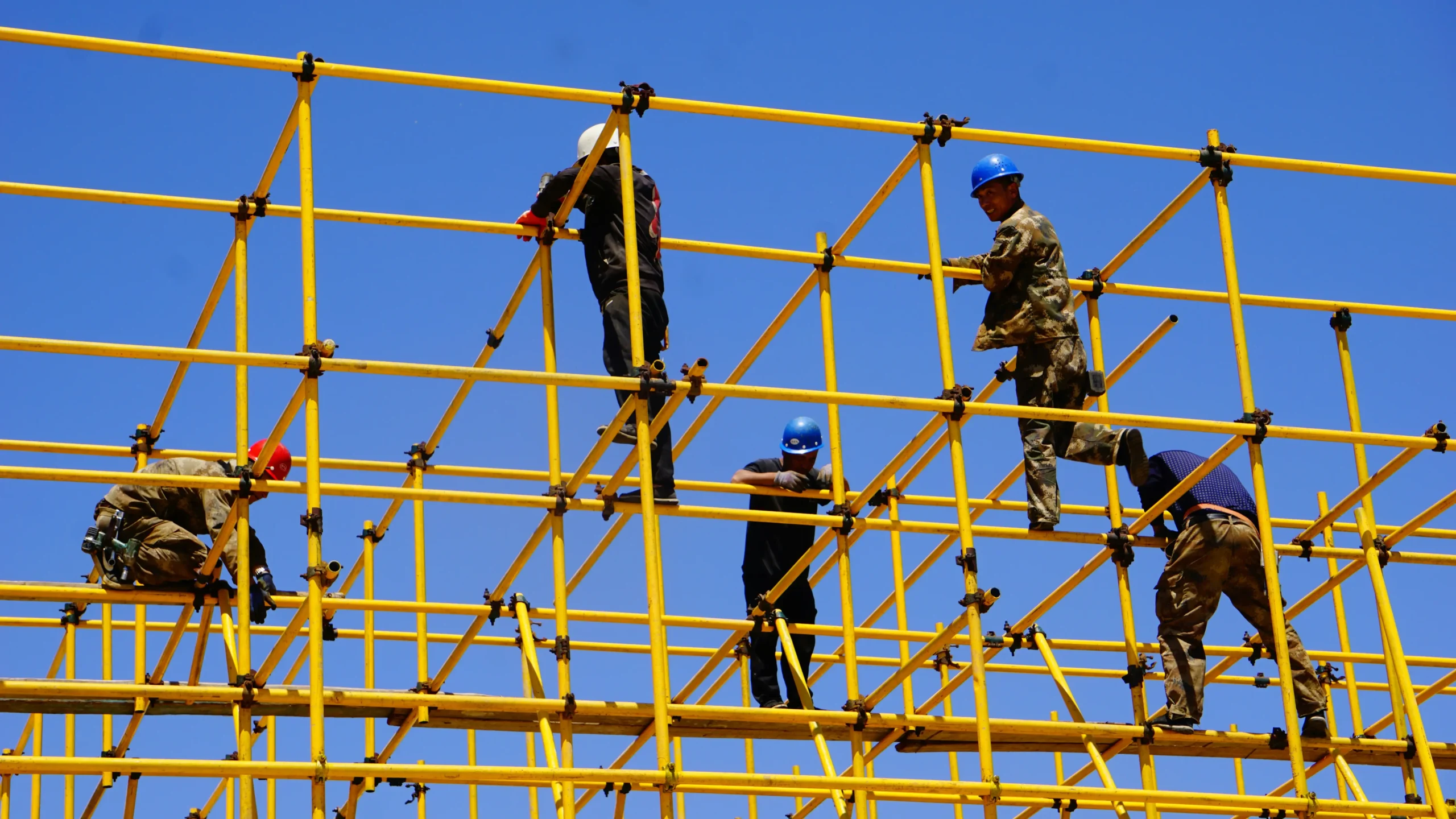
Construction often requires removing existing structures before new work can proceed. Demolition specialists handle this work safely while managing waste responsibly.
Controlled Demolition
Removing structures in built-up areas demands careful control and planning. Uncontrolled demolition risks damage to adjacent properties and endangers workers and public.
Specialist demolition contractors develop detailed methodologies for each unique situation. Their expertise prevents accidents while completing removals efficiently.
Hazardous Material Management
Many older structures contain hazardous materials requiring special handling procedures. Asbestos, lead paint, and contaminated soils all demand specialist treatment.
Licensed removalists follow strict protocols protecting workers and preventing environmental contamination. Proper disposal documentation demonstrates regulatory compliance throughout removal processes.
Industrial Equipment Removal
Factories and warehouses contain substantial equipment requiring removal during renovations or closures. Heavy machinery, storage systems, and infrastructure all need professional handling.
Professional pallet racking removal services safely dismantle and remove warehouse storage systems efficiently. These specialists understand racking construction and can disassemble systems without damaging reusable components.
Racking removal often precedes warehouse renovations, relocations, or changes of use. Professional removal protects workers and preserves components for potential reinstallation elsewhere.
Anchor bolt removal frequently accompanies equipment and racking removal work. Embedded fasteners require specialist techniques to extract without damaging the surrounding concrete.
Site Clearance Services
Preparing sites for new development often requires comprehensive clearance operations. Vegetation removal, structure demolition, and debris disposal all fall within clearance scopes.
Cleared sites must meet specific standards before construction can commence. Professional clearance contractors deliver sites ready for immediate development work.
Structural Repair and Strengthening
Existing structures sometimes require repair or strengthening to continue serving safely. Specialist engineers and contractors address these complex challenges.
Concrete Repair
Concrete structures deteriorate over time due to weather, loading, and chemical attack. Repair specialists restore structural integrity and extend service life significantly.
Techniques include patch repairs, crack injection, and protective coating application. Selection depends on damage type, structural requirements, and access constraints.
Structural Strengthening
Changed use requirements or code updates sometimes necessitate structural strengthening. Adding capacity to existing structures avoids costly demolition and reconstruction.
Carbon fibre reinforcement and steel plate bonding add strength with minimal intrusion. These modern techniques solve problems that once required complete replacement.
Heritage Structure Specialists
Historic buildings require sensitive approaches respecting original construction methods. Heritage specialists combine traditional skills with modern engineering understanding.
Restoration work preserves architectural significance while ensuring structural adequacy. These projects demand patience and craftsmanship, increasingly rare in modern construction.
Choosing Specialist Contractors
Selecting appropriate specialists significantly impacts project outcomes and safety. Due diligence before engagement protects all parties involved.
Verification Requirements
Verify licensing, insurance, and safety accreditations before engaging any specialist. These credentials indicate professional standards and protect against liability.
Request references from similar completed projects whenever possible. Speaking with previous clients reveals performance quality beyond sales presentations.
Contract Considerations
Clear contracts specify scope, timing, responsibilities, and payment terms precisely. Ambiguity in specialist contracts creates disputes and delays during projects.
Include provisions addressing variations, delays, and quality standards explicitly. Well-drafted contracts prevent misunderstandings and protect all parties appropriately.
Safety Standards
Specialist work often involves elevated risks requiring rigorous safety management. Verify contractors maintain appropriate safety systems and incident records.
Safety shortcuts on specialist work create catastrophic risks for entire projects. Never compromise safety standards to reduce costs or accelerate programmes.
Coordinating Multiple Specialists

Complex projects require multiple specialists working in coordinated sequences. Managing these interactions demands experienced project management capabilities.
Programming Considerations
Specialist activities often constrain overall project programmes significantly. Understanding durations and dependencies enables realistic scheduling.
Lead times for specialist contractors frequently exceed general trade availability. Early engagement secures preferred contractors and prevents programme delays.
Interface Management
Different specialists must coordinate where their work overlaps or connects. Clear interface definitions prevent gaps and duplications in project scopes.
Regular coordination meetings keep all parties aligned and informed throughout projects. Communication prevents conflicts and enables prompt problem resolution.
The Future of Specialist Construction
Technology continues to transform specialist construction capabilities and methods. Staying current with developments helps identify opportunities for project improvement.
Emerging Technologies
Robotics and automation increasingly support dangerous specialist operations. Remote-controlled equipment reduces worker exposure to hazardous conditions.
Digital monitoring systems provide real-time data on specialist work quality. These technologies improve outcomes while creating valuable documentation.
Sustainability Focus
Environmental considerations increasingly influence specialist service delivery. Waste minimisation, recycling, and emission reduction all receive growing attention.
Clients increasingly specify sustainability requirements for specialist contractors. Progressive specialists invest in capabilities meeting these evolving demands.
Conclusion
Specialised construction services enable projects that would otherwise prove impossible. From underwater foundations to industrial site clearance, specialists solve challenges beyond general contractor capabilities.
Understanding available specialist services helps project teams address complex requirements effectively. The right specialists deliver solutions efficiently while maintaining safety and quality standards.
Invest time in identifying and vetting appropriate specialists for your project needs. Quality specialist engagement protects projects from delays, cost overruns, and safety incidents.
Australia’s construction industry depends on skilled specialists working alongside general contractors. Together, they deliver the infrastructure and buildings that support our communities and economy.






Designing Renovation Projects Around Debris Flow and Site Logistics
Effective renovation planning must prioritize debris flow management. Learn how to integrate...
 illustrarch Editoral Team4 Mins read

How Long Does a Building Warranty Typically Last? Coverage Periods Explained
Building warranty cover is layered, not uniform: one year for finishes, two...
 Sinan Ozen5 Mins read

What Is an Architect’s Certificate of Practical Completion?
A practical breakdown of the architect's certificate of practical completion: who issues...
Sinan Ozen6 Mins read
Preventing Corrosion-Driven Accidents
Learn how to prevent corrosion-driven accidents in buildings and infrastructure, from early...
illustrarch Editoral Team2 Mins read


Leave a comment