

Small Space Furniture Ideas: Modern Design That Works in 2026
Modern furniture for small spaces goes beyond saving square footage, it operates as spatial infrastructure. From multipurpose furniture for small apartments to modern outdoor furniture for small spaces, this guide explores architecturally-driven design strategies for compact living rooms, patios, studio apartments, and more. Learn how to arrange furniture in small apartments, choose the right pieces for visual continuity, and extend your living space outdoors with small space patio furniture.
 Sinan Ozen31 January 20268 Mins read232

Table of Contents Show
Small spaces have become one of the defining spatial conditions of contemporary life. Across global cities, shrinking apartments, rising housing costs, and increasingly flexible lifestyles have transformed compact living from a temporary compromise into a long-term architectural reality. For anyone searching for small space furniture ideas, the challenge is not merely one of square meters; it is cultural, psychological, and deeply architectural. How we furnish limited interiors, whether a small apartment living room, a compact patio, or a small studio apartment, reveals how we understand comfort, privacy, adaptability, and even dignity within constrained environments. Modern furniture, often reduced to a stylistic shorthand of clean lines and neutral palettes, plays a far more complex role here. At its best, it operates as spatial infrastructure, shaping movement, framing use, and quietly negotiating between body and building.
In this context, furniture is no longer an accessory layered onto architecture after the fact. It becomes an active design agent, mediating between fixed walls and fluid daily routines. The most successful modern furniture for small spaces does not simply “save space” in a literal sense; it rethinks how space is defined, shared, and experienced. This article explores furniture ideas that genuinely work within compact interiors, from furniture for small apartment living rooms to modern outdoor furniture for small spaces, not as trends or gimmicks, but as design strategies rooted in architectural thinking and contemporary spatial culture.

Furniture as Spatial Architecture in Small Apartments
In small spaces, furniture inevitably assumes architectural responsibilities. A sofa may become a boundary, a bookshelf a partition, a table a hinge between living and working. Modern living room furniture for small spaces that works well in compact environments is often designed with this dual role in mind, blurring the line between object and spatial element. Low-backed seating, open shelving systems, and visually permeable storage units allow space to remain legible and continuous, avoiding the visual fragmentation that quickly overwhelms small interiors. Rather than dividing rooms with walls, furniture establishes zones through proportion, alignment, and material consistency, echoing architectural principles at a reduced scale.
This approach matters because it preserves spatial clarity. In limited square footage, visual and physical continuity are critical to maintaining a sense of calm and orientation. Furniture that behaves architecturally, anchored, intentional, and structurally legible, supports the perception of space as coherent rather than congested. For architects and designers, this reinforces the idea that interior scale does not diminish the need for architectural thinking; it intensifies it. Whether you are selecting furniture for a small apartment or rethinking a small studio apartment furniture layout, the same principles of spatial clarity apply.

Multipurpose Furniture for Small Apartments: Value Without Compromise
Multi-functional furniture is often presented as the default solution for small spaces, yet not all transformation is created equal. The most successful modern designs avoid theatrical complexity in favor of intuitive adaptability. A dining table that subtly extends, a bed integrated into a wall plane, or a bench that conceals storage without advertising it, these multipurpose furniture for small apartments solutions respect both usability and aesthetics. Crucially, they do not force inhabitants to constantly reconfigure their environment in order to live comfortably.
From an architectural perspective, this restraint is significant. When furniture demands excessive movement, folding, or mechanical engagement, it risks turning daily life into a performance. Thoughtful modern furniture acknowledges the rhythms of everyday use and responds with quiet flexibility rather than constant transformation. This balance between adaptability and stability allows small spaces to feel livable over time, not merely clever at first glance. The best good furniture for small apartments serves double or triple duty while still looking and feeling like a single, well-designed piece.
Vertical Thinking and the Reclaiming of Height
In compact interiors, horizontal expansion is limited, but vertical potential often remains underutilized. Modern furniture that works in small spaces frequently engages the section rather than the plan, activating height through tall storage, wall-mounted systems, and integrated vertical elements. Floor-to-ceiling shelving, suspended desks, or elevated sleeping platforms transform walls into functional surfaces, effectively expanding usable space without increasing footprint. This strategy is particularly effective for anyone working through small studio apartment furniture ideas where every square foot matters.
This vertical strategy aligns closely with architectural thinking, where section is a primary tool for spatial efficiency. By encouraging occupants to inhabit space three-dimensionally, furniture reinforces a more dynamic relationship between body and volume. Importantly, successful vertical furniture avoids heaviness through material lightness, consistent detailing, and visual rhythm, ensuring that height feels expansive rather than oppressive. In this way, furniture becomes a collaborator in shaping spatial perception, not merely a response to limitation. The space-saving solutions that perform best are those that engage the full volume of a room.

Material Lightness and Visual Continuity
Material choices play a decisive role in whether furniture enhances or constrains a small interior. Contemporary living room furniture for small spaces that performs well often prioritizes visual lightness, through slender profiles, reflective surfaces, and tonal continuity with surrounding architecture. Glass, metal frames, light woods, and upholstered elements in muted palettes allow objects to recede visually, supporting a sense of openness even when space is densely programmed.
Beyond aesthetics, this material restraint reflects a broader cultural shift toward clarity and intentionality in design. In small spaces, excess texture, contrast, or ornamentation quickly accumulates into visual noise. Furniture that aligns with architectural finishes, echoing floor tones, wall colors, or structural rhythms, contributes to a unified spatial language. This continuity reinforces the idea that furniture and architecture are not separate layers, but parts of a single, coherent system. For living room furniture for small apartments, selecting pieces in consistent tonal palettes is one of the most effective ways to make a room feel larger than it is.
How to Arrange Furniture in a Small Living Room Apartment
Understanding how to arrange furniture in a small living room apartment is as important as choosing the right pieces. A well-designed small apartment furniture layout begins with identifying functional zones, seating, dining, working, and using furniture to define these areas without physical barriers. In open-plan layouts, a sofa can serve as a subtle room divider, while a strategically placed bookshelf creates separation while maintaining visual connectivity.
Key principles for an effective layout include placing the largest piece of furniture first, typically the sofa, and building around it. Avoid pushing all furniture against walls; even a few inches of breathing room between the sofa and the wall can make the space feel more expansive. Use area rugs to anchor conversation zones, and keep sightlines across the room clear by opting for low-profile pieces near windows and entry paths. In a tight room the living room rug placement does more work than the rug itself: running the front legs of the seating onto the rug ties the group together and reads as one zone, while a rug that floats clear of every piece of furniture only makes the floor look more fragmented. For a small studio apartment furniture layout, consider placing the bed and primary seating on opposite walls to create distinct zones without physical partitions. Mirrors and reflective surfaces positioned opposite windows amplify natural light and double the perceived depth of the room.

Small Space Patio Furniture: Extending Living Outdoors
The architectural logic of small-space design extends beyond interior walls. Small space patio furniture applies the same principles of proportion, material lightness, and multi-functionality to outdoor environments. A balcony, terrace, or compact backyard becomes an extension of the living area when furnished with intentionality. Small patio furniture for small spaces, such as bistro sets, foldable dining tables, and stackable chairs, allows these outdoor zones to shift between relaxation, dining, and socializing without permanent spatial commitments.
Modern outdoor furniture for small spaces increasingly reflects the same design intelligence found indoors. Weather-resistant materials like powder-coated aluminum, teak, and all-weather wicker maintain visual lightness while withstanding the elements. Vertical planters, wall-mounted folding tables, and small outdoor furniture for small spaces like nesting tables bring the principles of vertical thinking and modularity to the patio. For urban dwellers with limited outdoor square footage, these pieces transform even a narrow balcony into a functional outdoor room that complements the compact interior.
How to Move Furniture Into a Small Apartment
Even the most architecturally thoughtful furniture selection can be undone by poor planning on move-in day. Understanding how to move furniture into a small apartment is a practical concern that directly impacts which pieces you can actually use. Before purchasing, measure not only the room dimensions but also doorways, stairwells, elevator interiors, and hallway turning radii. Many furniture for small studio apartments solutions are designed with this challenge in mind, modular sofas that arrive in sections, knock-down bed frames, and flat-pack shelving systems that can be assembled on-site.
Plan your move sequence strategically: bring in the largest items first, typically the bed and sofa, and build the layout around them before introducing smaller pieces. Disassemble what you can, protect walls and door frames during transit, and use the opportunity to test your small apartment living room furniture arrangement before fully committing. A floor plan sketched to scale, or a simple digital layout tool, can save significant effort and prevent the common mistake of buying furniture that technically fits the room but cannot physically pass through the front door.

Furniture That Anticipates Changing Lifestyles
Contemporary small-space living is rarely static. Remote work, hybrid routines, shared households, and shifting personal needs require interiors to adapt over time. Modern furniture that truly works within small spaces is designed with this temporal dimension in mind. Modular seating systems, reconfigurable shelving, and mobile elements allow spaces to evolve without renovation, supporting long-term sustainability and economic resilience.
For architects and designers, this adaptability is not simply practical, it is ethical. Designing for change acknowledges uncertainty as a fundamental condition of contemporary life. Furniture that can be reassembled, expanded, or repurposed extends the lifespan of interiors and reduces material waste. In small spaces especially, this foresight transforms furniture from a static purchase into a long-term spatial investment. As the adaptive reuse movement demonstrates in architecture at large, designing for flexibility is one of the most sustainable strategies available, and it applies equally to the furniture within our homes.

Small Space Living Room Furniture: Choosing the Right Pieces
Selecting small space living room furniture requires balancing scale, function, and aesthetics. The most effective pieces for compact living rooms share several characteristics: slender frames, raised legs that allow visual flow beneath them, and neutral or muted color palettes that recede into the background. Apartment-sized sofas, typically under 80 inches in length, deliver comfort without overwhelming the floor plan. Modern interior design increasingly favors armless chairs, round coffee tables, and nesting side tables that can be tucked away when not in use.
For a small apartment living room furniture scheme that feels cohesive, choose pieces from the same material family, all light wood, all metal-framed, or all upholstered in the same tonal range. Avoid the temptation to fill every corner; negative space is as important as furniture in making a room feel open and breathable. Storage ottomans, console tables with concealed compartments, and wall-mounted media units offer practical utility without adding visual bulk. The goal is a room where every piece earns its place through function, proportion, and contribution to the overall spatial harmony.
Conclusion
Modern furniture for small spaces succeeds not by offering clever tricks, but by embracing architectural thinking at an intimate scale. When furniture is conceived as spatial infrastructure, shaping movement, framing use, and negotiating between permanence and change, it enables compact interiors to function with dignity and depth. Whether you are furnishing a small apartment living room, outfitting a small space patio, or planning a small studio apartment furniture layout, these designs matter because they challenge the assumption that small living must be synonymous with compromise. Instead, they demonstrate that constraint can sharpen design intelligence, pushing furniture to operate with greater precision and responsibility.
Looking forward, the dialogue between architecture and furniture will only become more intertwined as urban living continues to densify. For students, practitioners, and designers, small spaces offer a critical testing ground for ideas about flexibility, material ethics, and human-centered design. Modern furniture that genuinely works in these environments, from modern living room furniture for small spaces to small space outdoor furniture, reminds us that good design is not measured by size, but by how thoughtfully it supports the lives unfolding within it.


1 Comment





A New Book Records the 1970s Interiors of Ebony and Jet’s Chicago Headquarters
820 Ebony/Jet collects Barbara Karant's photographs of the empty Johnson Publishing Company...
 illustrarch Editoral Team2 Mins read
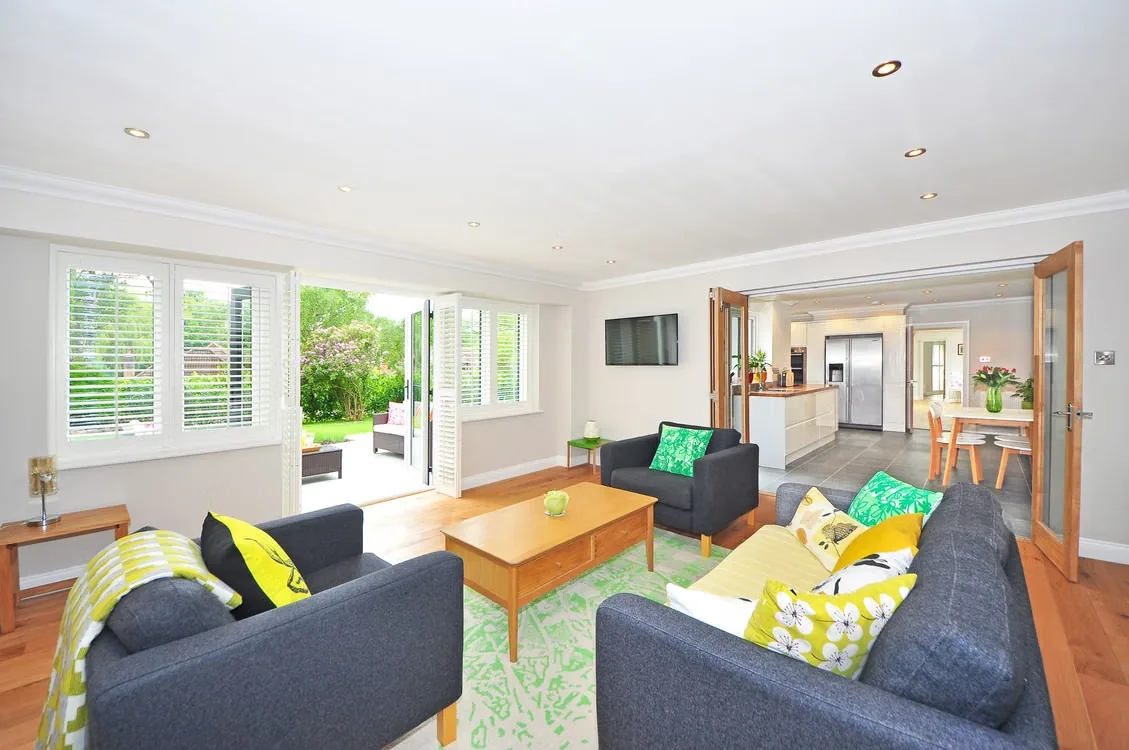
How Integrated Furniture Can Shape the Architecture of Urban Interiors
Most people treat furniture as the last decision in interior architecture, yet...
illustrarch Editoral Team2 Mins read
Architecture and Interior Design: Can Architects Specialize in Both?
Architects hold most of the skills interior design needs, from space planning...
 Furkan Sen5 Mins read
How to Make an Architecture Mood Board: A Step-by-Step Guide
A practical walkthrough for building an architecture mood board, covering how to...
Furkan Sen6 Mins read


This article talks about how to make small spaces work better. It seems like a good idea to use furniture that helps with space. I think it’s interesting how furniture can change the way we live.