

Japandi Style Guide: Japanese Minimalism Meets Modern Furniture
Learn what japandi style really means and how it brings together Japanese minimalism with Scandinavian warmth. This guide covers furniture choices, bedroom ideas, dining tables, color palettes, and practical room-by-room tips for designing a japandi home.
 Furkan Sen25 February 202613 Mins read279

Table of Contents Show
Somewhere between the quiet discipline of a Kyoto tearoom and the cozy warmth of a Copenhagen living room, there is a design philosophy that feels both ancient and refreshingly current. Japandi style sits at that intersection, fusing Japanese minimalism with Scandinavian functionality to produce interiors that are calm, purposeful, and genuinely livable. If you have been drawn to spaces that feel open without being cold, or warm without being cluttered, this is probably the aesthetic you have been searching for.

The word itself is a portmanteau of “Japanese” and “Scandi,” and the cultural exchange behind it stretches back roughly 150 years. When Scandinavian travelers first reached Japan during the Meiji era, they discovered a shared reverence for craftsmanship, natural materials, and restrained beauty. That mutual admiration has quietly shaped furniture, ceramics, and architecture ever since. Today, japandi style has moved well beyond niche design circles. Pinterest spotlighted it among its trendiest interior categories, and publications from Architectural Digest to House & Home continue to feature it as a defining look for modern homes.
In this guide you will find a clear breakdown of what japandi actually involves, from color palettes and furniture silhouettes to room-specific advice for bedrooms, dining areas, and living spaces. Whether you are furnishing a first apartment or rethinking a family home, the principles here will help you build a space that supports how you actually live. For more on broader interior trends, check out our overview of future trends in interior design.
What Is Japandi Style and Where Does It Come From?

At its core, japandi style interior design merges two philosophies that happen to share a lot of common ground. On the Japanese side, you have wabi-sabi, the appreciation of imperfection, impermanence, and natural aging. On the Scandinavian side, there is hygge, the pursuit of coziness and quiet contentment. Both cultures prize simplicity over ornamentation, quality over quantity, and honest materials over synthetic ones. When these values overlap, they create rooms that feel balanced without being sterile.
What separates japandi from pure Scandinavian design is its tonal range and material depth. Scandinavian interiors tend toward lighter, cooler palettes with pale birch and white walls. Japanese interiors often include darker woods, earthy ceramics, and muted greens or charcoal accents. A japandi design style room blends both: you might see a light oak dining table paired with dark walnut shelving, or soft linen curtains against a wall finished in warm clay plaster. The result is richer than either tradition alone.
Functionality is non-negotiable in both parent styles. Every object in a japandi home should earn its place. A storage bench does double duty as seating. A handcrafted ceramic bowl serves as both tableware and decoration. This insistence on purpose keeps rooms uncluttered and makes even small spaces feel expansive. If you are interested in how minimalism works on a practical level, our article on minimalist design 101 covers the fundamentals.
Core Elements of Japandi Interior Design Style

Understanding the building blocks of japandi interior design style makes it much easier to apply in your own home. Rather than copying a specific room from a magazine, focus on these principles and adapt them to your space, your budget, and the way you actually use each room.
Natural Materials and Honest Finishes
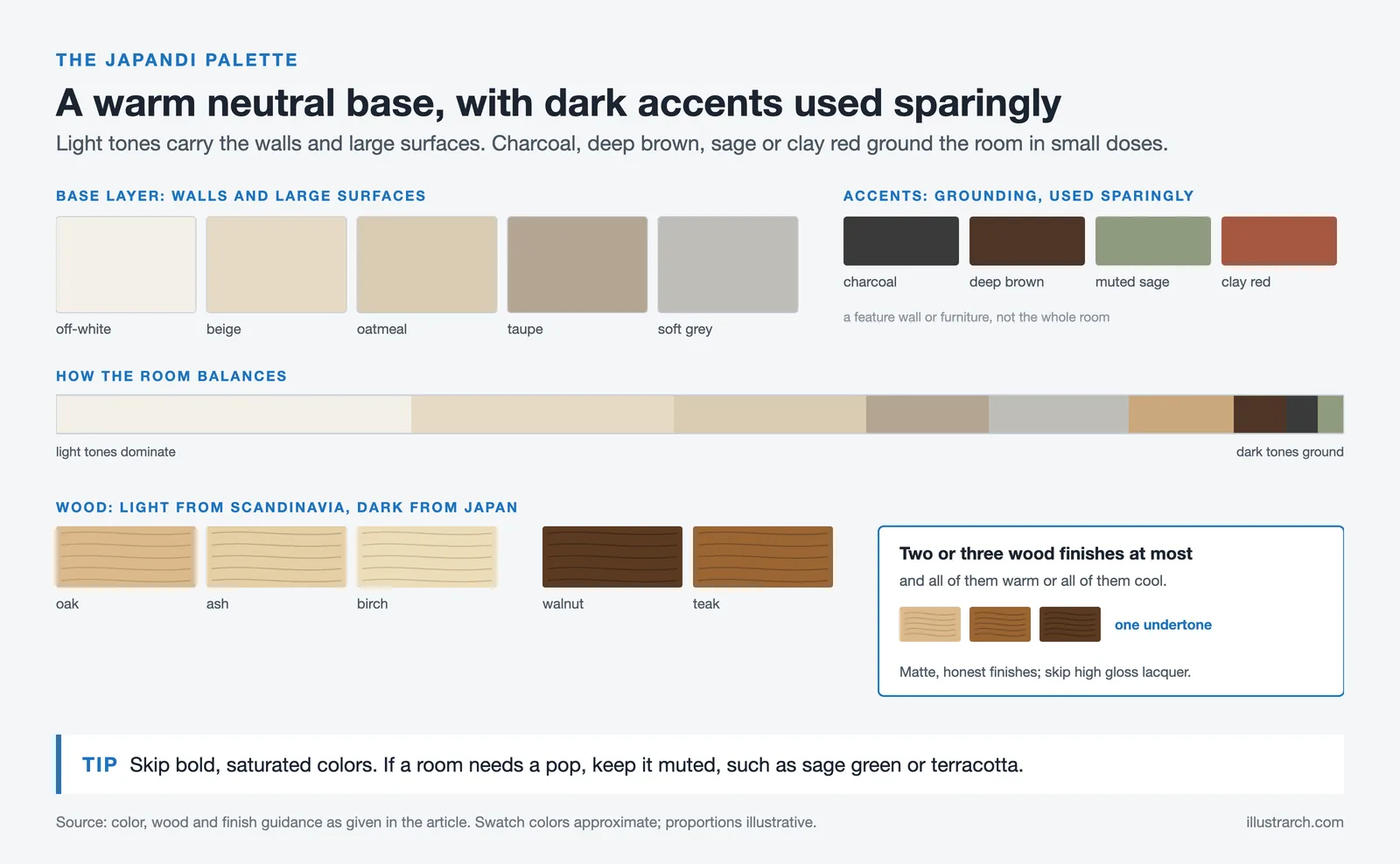
Wood is the backbone of japandi interiors. Light species like oak, ash, and birch bring Scandinavian airiness, while darker tones from walnut and teak add Japanese depth. Many pieces feature visible joinery, such as mortise-and-tenon or dovetail connections, that celebrate craftsmanship rather than hiding it. Beyond timber, expect to see bamboo, rattan, stone, linen, and unglazed ceramics. Avoid plastic wherever possible. The goal is a space where you can feel the materials, not just see them.
A Muted, Layered Color Palette
Think warm neutrals: beige, oatmeal, taupe, soft grey, and off-white form the base layer. Japanese influence introduces accents of charcoal, deep brown, muted sage, and even clay red. Scandinavian influence keeps things light and prevents the palette from becoming heavy. You can use darker tones as grounding elements, perhaps on a feature wall or through furniture, while lighter tones dominate walls and larger surfaces. Bold, saturated colors are used sparingly if at all.
Clean Lines with Gentle Curves
Furniture silhouettes in japandi spaces are simple but not rigid. Scandinavian design contributes slim, tapered legs and streamlined forms. Japanese design adds subtle curves, rounded edges, and low-slung proportions. The interplay between straight and curved lines keeps rooms visually interesting without the need for ornament. If a piece feels too sharp, it leans Scandinavian; too organic, and it skews Japanese. Japandi sits right in between.
Intentional Negative Space
Empty space is a deliberate design element, not a sign of an unfinished room. In Japanese design this concept is called ma, the meaningful pause between objects. Leaving surfaces clear, maintaining breathing room around furniture, and resisting the urge to fill every shelf transforms a room from cluttered to calm. This principle also makes small rooms feel larger than they are, which is why japandi works so well in apartments.
Sustainability and Longevity
Both Japanese and Scandinavian design traditions value pieces that last generations. Japandi homes favor handcrafted, responsibly sourced items over mass-produced goods. Choosing fewer, better things is not just an aesthetic decision; it is also an environmental one. For a deeper look at sustainable materials in design, the resources at Dezeen are worth exploring.
Japandi Style Dining Table: Choosing the Right Centerpiece

The dining table often anchors a japandi home because meals, gatherings, and daily rituals revolve around it. A well-chosen japandi style dining table combines clean geometry with natural warmth, creating a surface that invites you to sit, eat, talk, and linger.
Solid wood is the preferred material. Oak, ash, and walnut are popular choices, prized for their grain character and durability. Look for tables with slim profiles, minimal ornamentation, and either straight or gently tapered legs. Rounded and oval shapes work particularly well because they soften the room and improve flow around the table, an important consideration in open-plan layouts.
For a more traditionally Japanese approach, consider a lower dining table paired with floor cushions or low benches. This setup creates intimacy and brings people closer to the ground, which aligns with Japanese spatial philosophy. If a standard-height table suits your lifestyle better, pair it with simple wooden chairs, perhaps a classic wishbone style, or benches that tuck neatly underneath when not in use.
Table decor should be restrained. A single ceramic vase with seasonal branches, a linen runner in a neutral tone, or a small cluster of handmade pottery is enough. The surface of the wood itself is a visual feature, so let it show. For more ideas on furniture selection and interior styling, see our guide to modern furniture design ideas.
Japandi Style Bedroom Furniture: Designing for Rest

The bedroom is arguably where japandi style shines brightest. Sleep demands calm, and everything about this aesthetic is calibrated to reduce visual noise and promote relaxation. Japandi style bedroom furniture follows a few consistent patterns that are easy to replicate.
Start with a low-profile platform bed in natural wood. Japanese design keeps beds close to the floor to create a sense of groundedness, while Scandinavian beds add just enough elevation for practical storage underneath. A frame in light oak or warm walnut, with a simple slatted headboard or no headboard at all, sets the tone for the entire room.
Nightstands should be compact and functional. A small wooden stool, a wall-mounted shelf, or a slim-legged side table all work. Avoid anything with excessive drawers or ornamental hardware. Dressers follow the same logic: clean fronts, integrated handles (or push-to-open mechanisms), and a wood or wood-and-linen finish.
Bedding is where Scandinavian hygge takes the lead. Layer linen sheets in soft white or oatmeal with a textured wool or waffle-weave throw at the foot of the bed. Add one or two cushions in muted earth tones rather than a mountain of decorative pillows. Lighting should be warm and indirect: paper lanterns, linen-shaded lamps, or dimmable wall sconces are ideal. For additional bedroom inspiration, our piece on minimalist bedroom design offers practical tips.
Japandi Style Couches and Living Room Seating

Living rooms are where japandi style couches anchor the social life of the home. The right sofa strikes a balance between the sculptural simplicity of Japanese seating and the sink-in comfort that Scandinavian design demands.
Choose a sofa with a low back, slim arms, and wooden or metal legs that lift the frame off the floor. This openness underneath lets light travel through the room and keeps the space feeling airy. Upholstery in natural fabrics like linen, cotton, or boucle in neutral shades (warm grey, cream, soft beige) works best. Avoid high-gloss leather or bold patterns.
Accent chairs add personality. A single sculptural armchair in a slightly darker tone or a different texture can create a focal point without disrupting the calm. Floor cushions and low meditation stools offer flexible, Japanese-inspired seating for reading or casual conversation.
Coffee tables should echo the material language of the rest of the room. A round wooden table with clean lines, or a stone-topped piece on a timber base, keeps the look cohesive. For more on achieving this kind of serene living space, take a look at our article about creating minimalist interiors.
Planning a Modern Japandi Style Home Room by Room
Applying japandi across an entire home requires consistency without monotony. The trick is to carry the same material and color palette from room to room while letting each space express a slightly different emphasis. A modern japandi style home feels unified, not repetitive.

Kitchen
Japandi kitchens favor flat-front cabinetry in natural wood or muted painted finishes. Open shelving in light oak displays ceramics and stoneware instead of hiding them behind doors. Countertops in natural stone or matte-finish surfaces complement wooden elements. Hardware is minimal: simple pull handles in brushed brass or matte black, or no visible hardware at all. Keep countertops clear except for a few functional items like a wooden cutting board or a ceramic crock of utensils.
Bathroom
Natural stone tiles, wooden vanity units, and freestanding soaking tubs evoke a Japanese bathhouse atmosphere. Scandinavian influence keeps the layout practical and well-lit. Use soft, warm lighting rather than harsh overhead fixtures. Textiles like organic cotton towels and a linen bathmat add warmth to stone and tile surfaces. Storage baskets in woven seagrass or bamboo keep toiletries organized and in character.
Home Office
A simple wooden desk with clean lines, a comfortable chair in natural upholstery, and thoughtful storage are all you need. Japandi offices avoid visual clutter, which helps maintain focus. A single plant, a ceramic pen holder, and a desk lamp with a warm glow complete the space. Keep cables managed and technology discreet.
Outdoor Spaces
If you have a balcony, patio, or garden, extend the japandi aesthetic with wooden or stone seating, potted greenery, and gravel or pebble ground cover. Japanese garden principles, such as asymmetry and the use of rocks and water features, pair naturally with Scandinavian love for outdoor living. For guidance on this topic, see our dedicated piece on designing a Japanese garden.
Comparison: Japandi vs. Scandinavian vs. Japanese Design
Understanding how japandi relates to its parent styles helps you make more confident choices. The table below highlights the key differences.
| Feature | Scandinavian | Japanese | Japandi |
|---|---|---|---|
| Color Palette | Cool whites, pale greys, soft pastels | Earthy tones, charcoal, deep browns | Warm neutrals blending both palettes |
| Wood Tones | Light (birch, pine, ash) | Dark (walnut, teak, cedar) | Mix of light and dark woods |
| Key Philosophy | Hygge (coziness, comfort) | Wabi-sabi (beauty in imperfection) | Both combined: warm imperfection |
| Furniture Height | Standard to mid-height | Low-profile, close to the ground | Low to mid-height, varies by room |
| Textiles | Wool throws, knit cushions, heavy rugs | Linen, cotton, tatami, shoji screens | Linen, cotton, wool in muted tones |
| Sustainability Focus | High (eco-conscious materials) | High (craft traditions, longevity) | Very high (quality over quantity) |
For a more detailed exploration of Scandinavian principles, our article on Scandinavian design secrets is a useful companion read. You can also explore this step-by-step guide to interior design on our sister site for a broader planning framework.
How to Create a Japandi Style House on Any Budget

You do not need a large renovation budget to bring japandi into your home. The philosophy itself encourages restraint, which naturally keeps costs manageable. Here are practical steps you can take right away.
Begin by decluttering. Remove anything that does not serve a functional or meaningful purpose. This single step transforms a room faster than any new purchase. Next, assess what you already own. That simple wooden shelf, those linen curtains, or the ceramic mug you picked up at a local market may already fit a japandi style home perfectly.
When you do buy new pieces, invest in one or two quality items rather than filling a room with inexpensive alternatives that will need replacing. A solid wood side table or a handmade ceramic lamp will anchor a room for years. For budget-friendly texture, add woven baskets for storage, swap synthetic cushion covers for linen ones, and introduce one or two potted plants in simple clay pots.
Paint is another affordable tool. A warm off-white or pale greige on the walls instantly shifts the mood of a room toward japandi territory. If your floors are not wood, a natural fiber rug in jute or sisal can simulate the warmth of timber underfoot. The Wikipedia entry on Japandi offers additional historical context if you want to understand the movement’s roots more deeply.
Common Mistakes to Avoid in Japandi Interior Design
Even with the best intentions, certain missteps can pull a room away from the japandi spirit. Awareness of these pitfalls helps you stay on track.
Going too minimal is the most frequent error. Japandi is not about living in an empty white box. Warmth comes from texture, materiality, and the few well-chosen objects you keep. A room that feels cold or clinical has missed the Scandinavian half of the equation. Always balance open space with tactile comfort.
Another common mistake is mixing too many competing wood tones or introducing materials that clash with the natural palette. Stick to two or three wood finishes at most, and make sure they share a similar undertone (warm or cool). Avoid high-gloss lacquers, which break the matte, organic feel that japandi relies on.
Overdoing the “Japanese” signifiers, such as filling a room with bonsai, bamboo screens, and red lacquer boxes, turns a thoughtful interior into a themed set. Japandi borrows principles, not props. The same applies to Scandinavian cliches: a room stuffed with sheepskin throws and antler accessories misses the point.
Finally, resist trends that contradict the core values. Neon accent walls, statement-making oversized furniture, and excessive gallery walls fight against the simplicity that makes japandi work. If you want a more detailed understanding of how various interior design styles compare, our guide to modern nuances in interior design styles breaks down the distinctions clearly.
Japandi Style in 2026 and Beyond

Japandi has proven itself to be more than a passing trend. Its popularity has grown steadily since the early 2020s, driven by a cultural shift toward intentional living, wellness-oriented homes, and sustainable consumption. As of October 2026, the style continues to evolve. Expanded color palettes now include deeper earth tones like terracotta and olive green alongside the classic neutrals. Smart home technology is being integrated discreetly, with modular furniture hiding charging ports and speakers behind clean surfaces.
Biophilic design, which emphasizes connections between indoor spaces and the natural world, aligns naturally with japandi. Expect to see larger statement plants, indoor water features, and designs that maximize natural light through expansive windows and skylights. The boundaries between indoors and outdoors are becoming softer, with zen-inspired patios and gravel courtyards extending the japandi atmosphere beyond the front door.
Craftsmanship is receiving renewed attention. Artisan-made furniture, hand-thrown ceramics, and traditional joinery techniques like those practiced in Japan’s Hida-Takayama woodworking region are gaining recognition as homeowners seek pieces with genuine provenance. This interest in authenticity pushes back against mass production and aligns with a broader movement toward slower, more meaningful consumption.
For those studying design formally, understanding how these cultural currents shape interior practice is increasingly valuable. Resources on Learn Architecture Online offer a solid foundation for students exploring these intersections.
Bringing It All Together
Japandi style is not a rigid formula. It is a set of shared values, drawn from two design traditions that discovered common ground over a century ago, applied with flexibility and personal judgment. Start with quality natural materials. Keep your palette warm and muted. Choose furniture with honest construction and clean, purposeful shapes. Leave room to breathe. Let imperfection be part of the story.
Whether you are selecting a japandi style dining table for weekend gatherings, building a restful bedroom with low-profile furniture and linen layers, or simply rearranging your living room to let more light in, the goal stays the same: a home that feels calm, intentional, and genuinely yours. If you are exploring related ideas, our articles on Scandinavian home decor and concept ideas for interior design offer additional perspectives worth reading.
Frequently Asked Questions About Japandi Style
What is japandi style in simple terms?
Japandi style is a design approach that blends Japanese minimalism with Scandinavian warmth and functionality. It emphasizes natural materials, neutral colors, clean lines, and purposeful simplicity. Every item in a japandi room should be both beautiful and useful.
Is japandi style expensive to achieve?
Not necessarily. Because japandi prioritizes fewer, better pieces over large quantities of decor, you can build the look gradually by investing in one quality item at a time. Decluttering, painting walls in warm neutrals, and swapping synthetic textiles for natural fabrics are affordable starting points.
What colors work best for a japandi interior?
Warm neutrals form the foundation: beige, cream, oatmeal, soft grey, and taupe. Accent with deeper earth tones such as charcoal, walnut brown, muted sage green, or terracotta. Avoid bright, saturated colors, though small pops of muted color can add subtle visual interest.
Can japandi style work in small spaces?
Yes, it is particularly well suited to compact rooms. The emphasis on decluttering, negative space, and multifunctional furniture makes small areas feel more open and organized. Low-profile furniture and light wall colors enhance the sense of space.
How is japandi different from plain minimalism?
While japandi shares minimalism’s love of simplicity, it adds warmth through natural materials, tactile textures, and the wabi-sabi appreciation of imperfection. Pure minimalism can feel austere; japandi balances restraint with comfort, creating rooms that are calm but never cold.


1 Comment



How Integrated Furniture Can Shape the Architecture of Urban Interiors
Most people treat furniture as the last decision in interior architecture, yet...
 illustrarch Editoral Team2 Mins read
Architecture and Interior Design: Can Architects Specialize in Both?
Architects hold most of the skills interior design needs, from space planning...
Furkan Sen5 Mins read
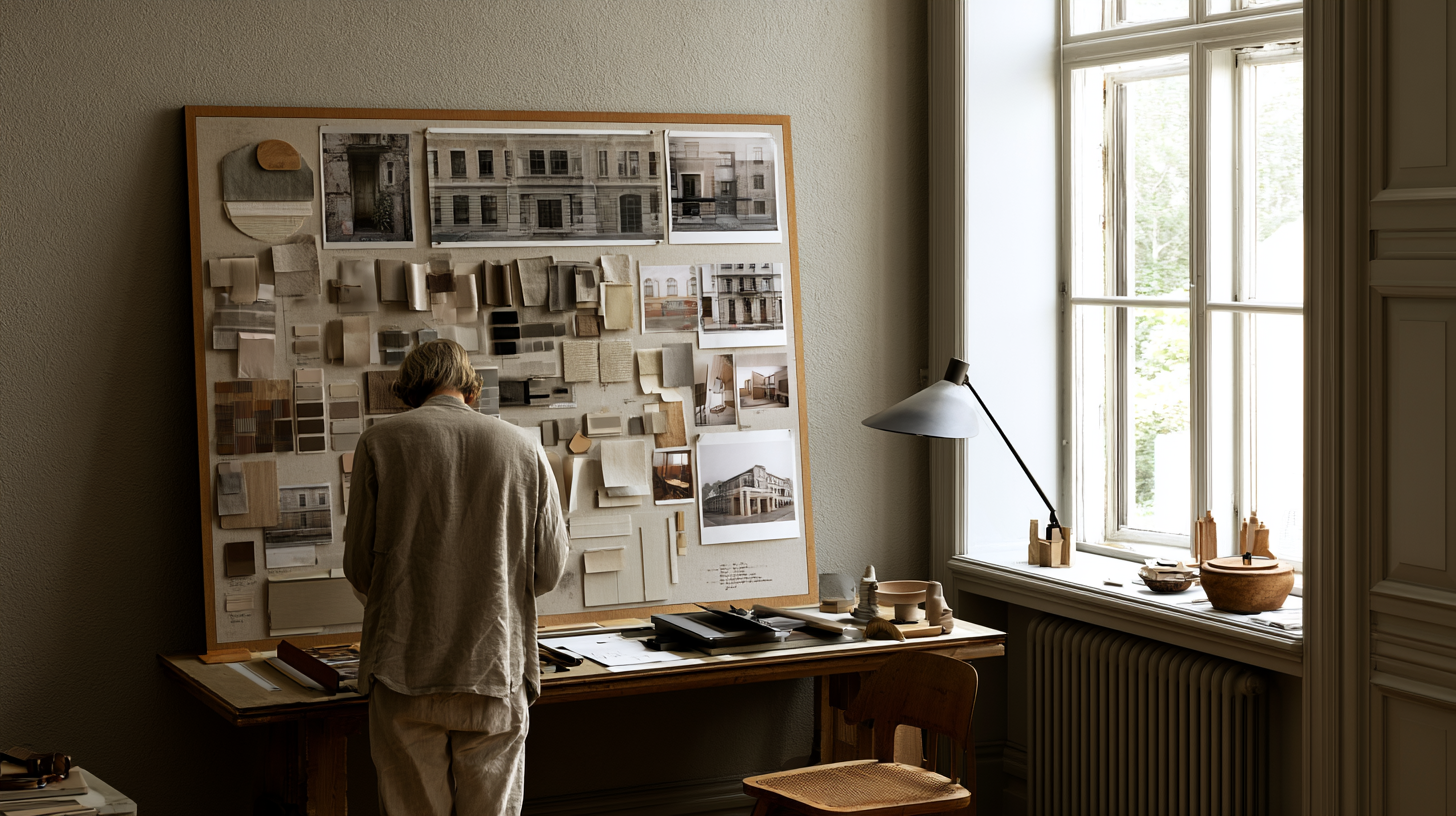
How to Make an Architecture Mood Board: A Step-by-Step Guide
A practical walkthrough for building an architecture mood board, covering how to...
Furkan Sen6 Mins read
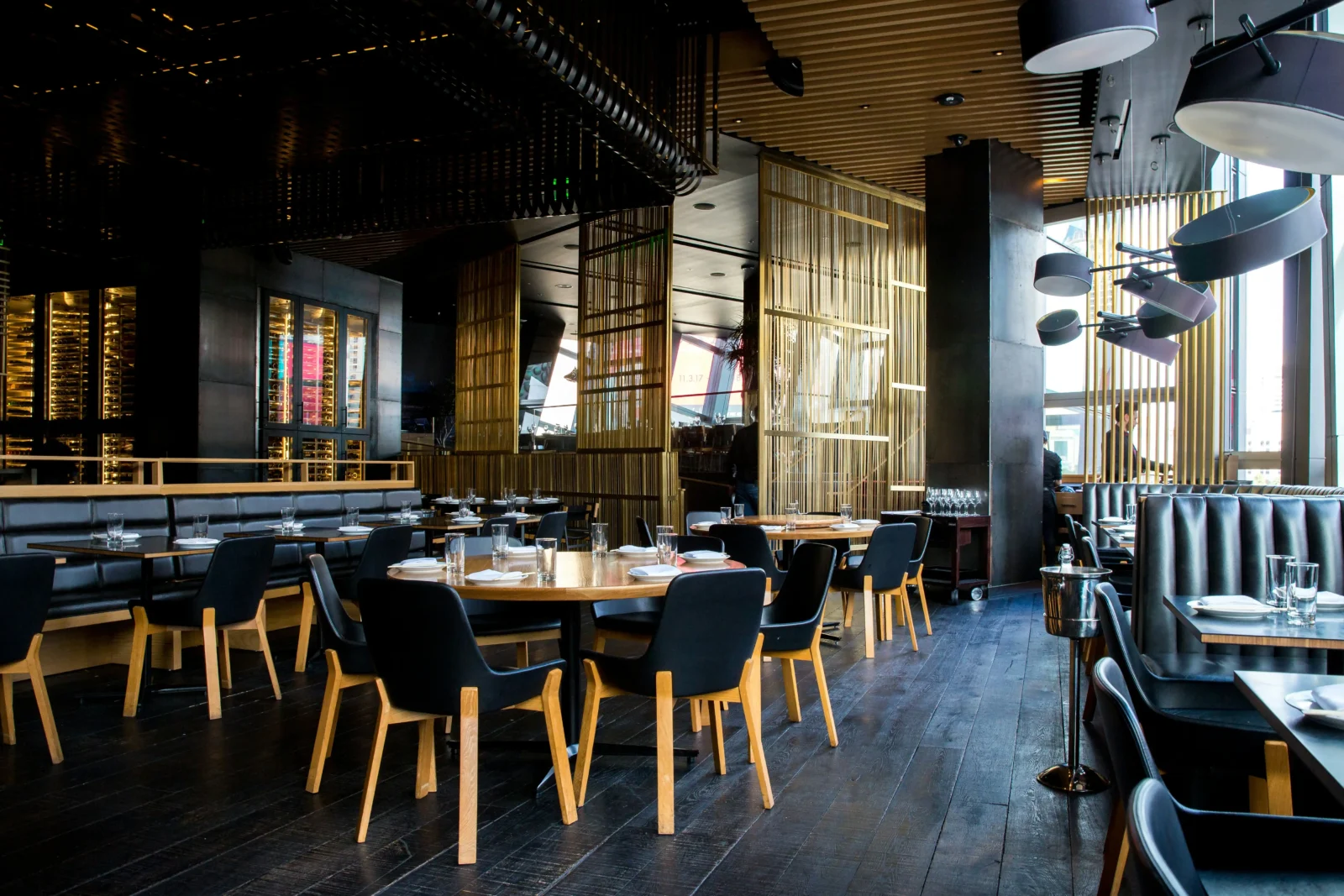
The Power of Ambience: Role of Restaurant Design on Customer Experience
A restaurant's ambience, its lighting, layout, and decor, quietly shapes how guests...
illustrarch Editoral Team3 Mins read


I found the explanation of the color palette in japandi style really interesting. Using warm neutrals like beige and taupe sounds like a great way to create a calming atmosphere. I wonder how easy it is to mix these colors with darker accents without losing the overall warmth.