

Public Spaces, Well Designed or…
Well-designed public spaces prioritize accessibility, comfort, activities, and sociability, allowing people to shape their environment organically.
 Begüm Şardan21 July 20195 Mins read396
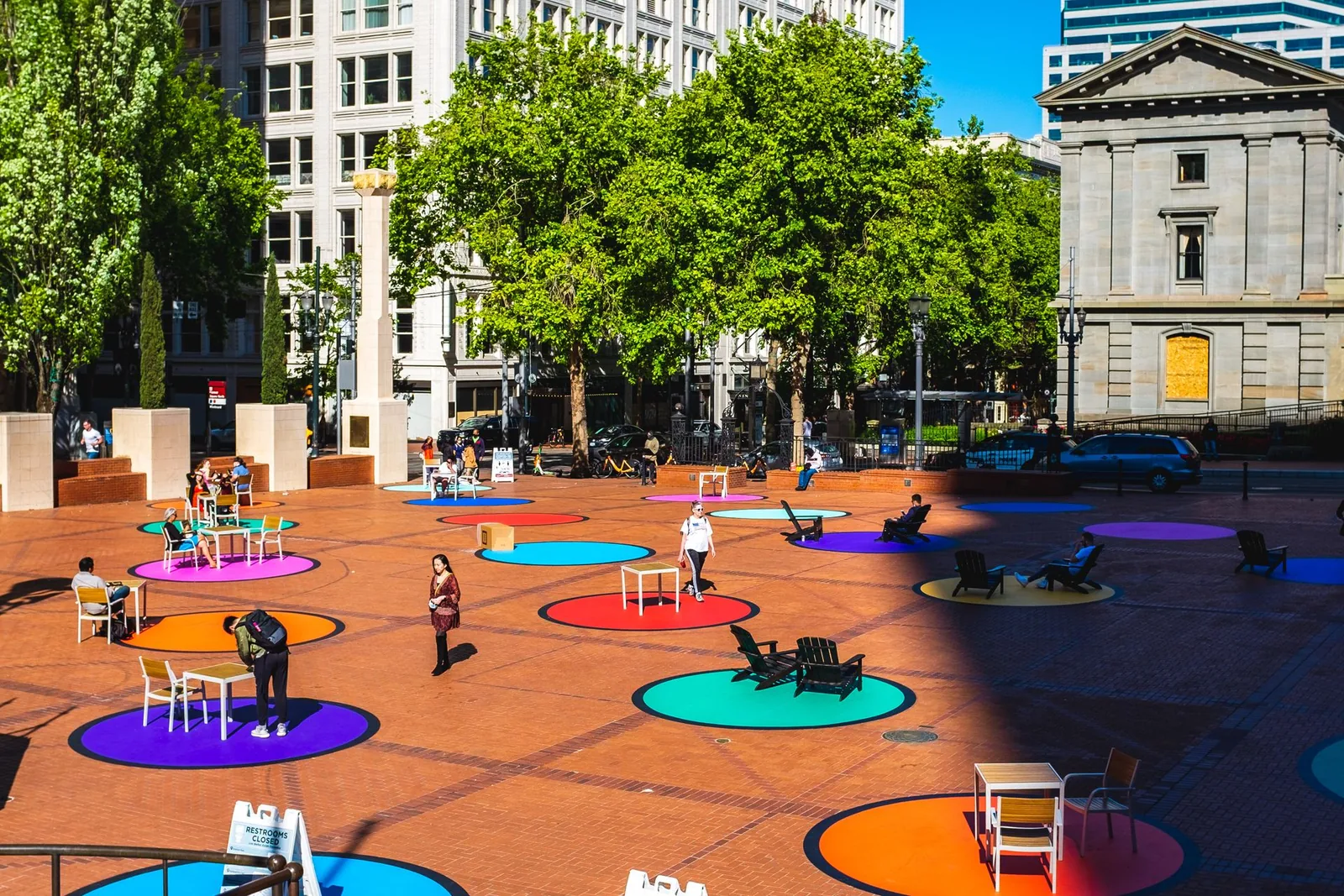
Table of Contents Show
Well-designed public spaces are places that respect how people already use them, balance built elements with the natural setting, and stay open enough for daily life to shape them. The best ones do not impose a single idea. They read the site, keep what works, and add only what people genuinely need to gather, rest, and move.
Have you ever stopped to ask what a public space really is? When someone calls a place public, what comes to mind first? A square, a park, a strip of pavement between two towers? And does a space have to be designed at all, or can it be the opposite?
If you want, almost any space can become a place, which is something I wrote about in my first article here. The moment you start using a space, you set your own limits and borders. You design it in your own way, even when no architect was involved.
Children show this better than anyone. They treat every place as a public space and reshape it on their own terms. Nobody tells them whether a street is suitable for football. They decide, then turn the street into a playground.

What makes a public space well-designed?
A well-designed public space works because people want to be there, not because a plan says they should. Project for Public Spaces, a non-profit that has studied thousands of places worldwide, points to four qualities that great places share: they are accessible, comfortable, full of activities, and sociable. You can read their framework for what makes a great place and test any space you know against it.
Accessibility means you can reach the space easily and see into it from the street. Comfort covers seating, shade, safety, and the simple feeling that you are welcome. Activities give people a reason to stay, while sociability is the sense that you could run into someone or join in. Strip any one of these away and the space starts to empty out, no matter how striking it looks in a render.
🎓 Expert Insight
“A good city is like a good party, people stay longer than really necessary because they are enjoying themselves.” Jan Gehl, founder of Gehl
Gehl’s point reframes the whole question. The measure of a well-designed public space is not how it photographs but how long people choose to linger once their errand is done.
How much should you design a public space?
Most people now agree that we need to design public spaces. I agree too. The real question is how much we should design and how much we should leave alone. A good space stays true to its site and the way it already exists. You cannot bulldoze everything, pour a clean slab, and call the result public life.
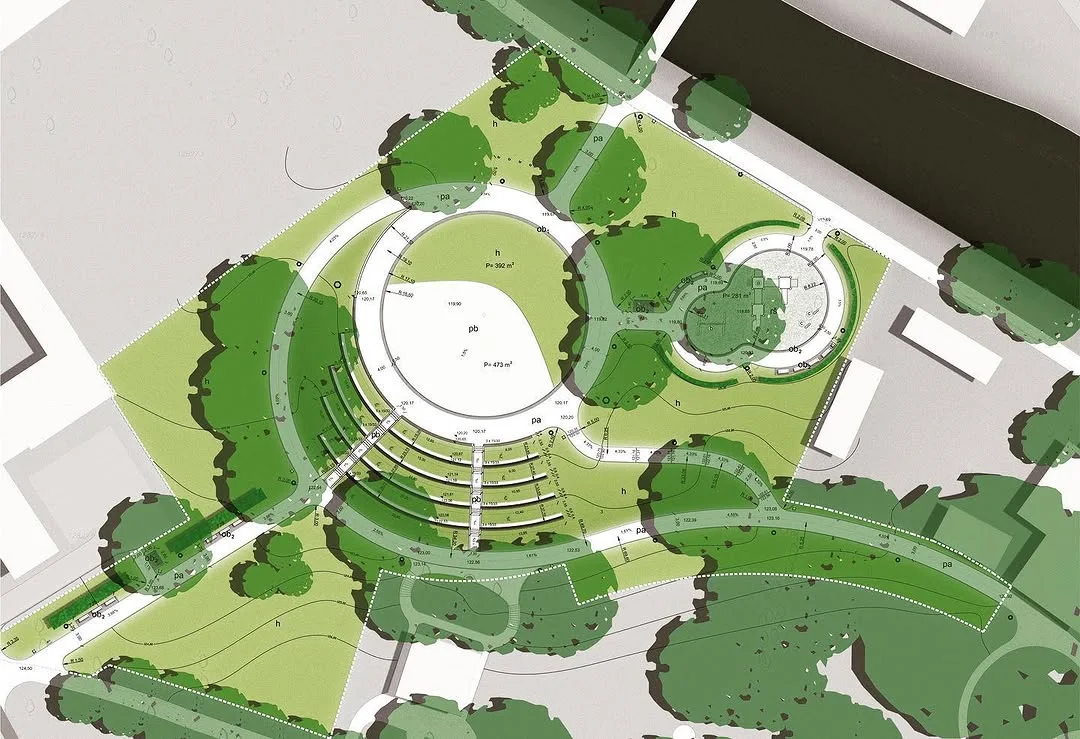
Picture yourself in a park, greenery all around, a river running beside you. Now add the seating, whether benches, low platforms, or something looser. How did you place them? Did you clear the planting to make room, or did you work around what was there? That single choice usually decides whether the finished space feels honest or forced.
💡 Pro Tip
Before you draw a single line, spend an hour sitting in the space at different times of day. Watch where people already walk, pause, and sit. Designing along those existing patterns almost always beats imposing a fresh geometry that ignores them.
Designing with nature, not against it
The Bamboo Theatre in China, by DnA, is the example I keep coming back to. The architects treat the existing condition as the design itself. They wanted a gap, an opening above the gathering space, and the solution was smart precisely because it added almost nothing. The seating is just rocks. The only design move is how they are placed, yet the atmosphere is striking.

This kind of restraint is harder than it looks. It asks the designer to step back and trust the site. You can see more of this thinking in the work of DnA Design and Architecture, the practice led by Xu Tiantian, whose rural projects often add a single precise gesture rather than a whole new structure.
🏗️ Real-World Example
Bamboo Theatre, Hengkeng Village (China, 2016): DnA shaped a performance space by guiding living bamboo into a domed canopy. There is no foundation, no roof, and the seating is loose stone. The structure grows back each season, so the venue is literally alive.
Flexible public space inside the city
You might reasonably say that a bamboo grove sits in a forest, while most of us live among buildings and traffic. Fair point, so here is a very different case from Taipei, the Happier Cafe by JC Architects.
JC Architects describe it this way: “A collaboration that started with a discussion of what makes one feel happy, whether tangible or a feeling, from small pleasures to life conquests. Happier cafe is a place for change and evolution, where people feel comfortable but also are key attributes to the space. For that, we believe each person sharing the space should be able to change and contribute to its creation.”
They built the interior almost entirely from paper craft. Instead of solid walls, they separated zones with paper partitions. The result is an interactive, flexible, mixed-use public space that visitors can rearrange. The design hands some control back to the people using it, which is a quiet but powerful idea.

Why public space matters at the city scale
Beyond any single project, public space is a backbone of healthy cities. It shapes how strangers meet, how children grow up, and how a neighbourhood holds together. The same logic drives the way architects shape cities and communities, and it links closely to debates around mixed-use versus single-use zoning, since the richest public life tends to appear where many uses overlap.
📌 Did You Know?
According to UN-Habitat, thriving cities tend to dedicate around 50 percent of their land to streets and open public space, yet most cities fall well short. Through its Global Public Space Programme, UN-Habitat has helped deliver more than 150 public spaces across over 100 cities, reaching roughly 2.8 million people.
Practitioners like the urban design firm Gehl have spent decades measuring how people actually use streets and squares, and global bodies such as UN-Habitat’s public space programme treat well-designed public spaces as basic infrastructure rather than decoration. If you want to see where these ideas are heading, our look at public space trends for 2026 traces the same thread forward.
The Bigger Picture
So when someone hands you a brief to create a public space, on a street, inside a building, or out in a forest, the honest first move is not to draw. It is to ask whether you would ignore the existing conditions and write your own rules, or work with what is already there. Often the answer sits in the middle, keeping what serves people and quietly removing what does not. Picture yourself standing in the place you are making, and the right solution tends to reveal itself. Maybe the question was never whether a public space is well designed or not, but who gets to finish the design after you leave.
If you have examples like these, or ones that argue the opposite, share them, and feel free to comment below with your own thoughts.



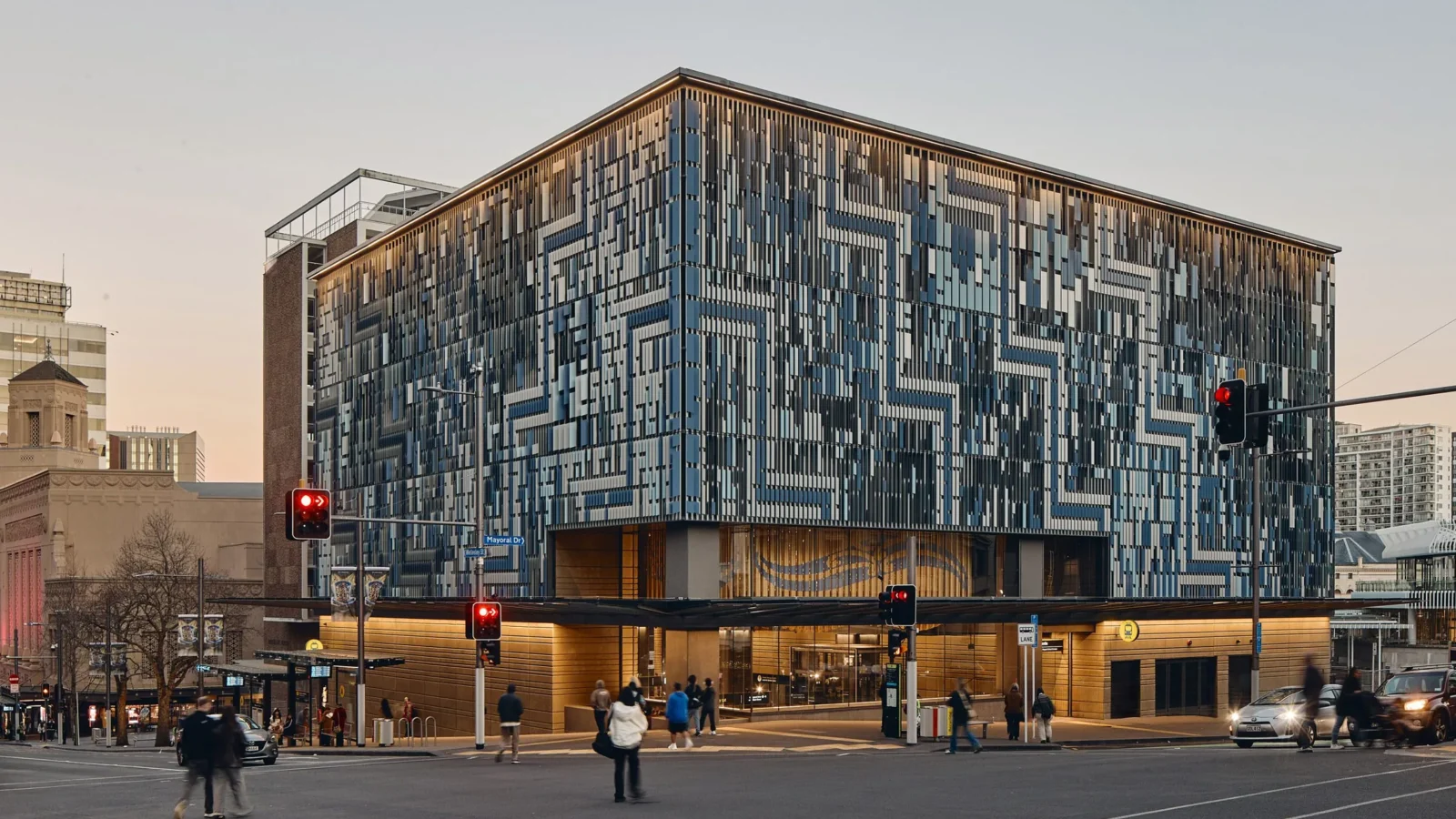
Grimshaw’s Auckland City Rail Link Stations Open Weaving in Māori Design Language
Grimshaw's three City Rail Link stations open in Auckland, built with Mana...
 illustrarch Editoral Team3 Mins read
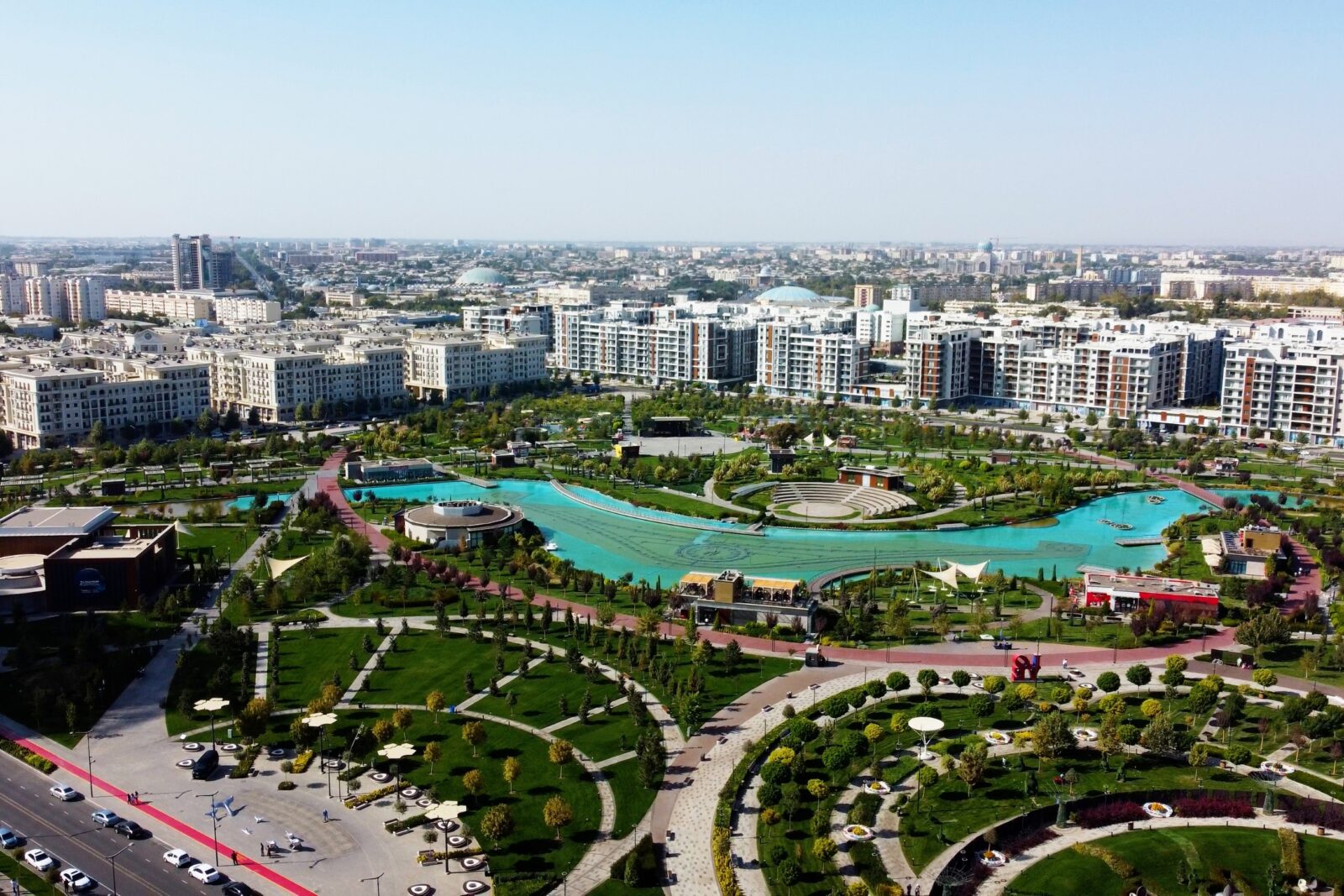
Architecture, Culture, and Community: Public Space Trends for 2026
Public spaces are evolving rapidly in 2026 as cities focus on people-centered...
 Elif Ayse Sen5 Mins read

The United States’s Most Beautiful Parks and Gardens: Our Essential Guide
Discover the United States’s Most Beautiful Parks and Gardens with expert picks,...
 Sinan Ozen4 Mins read
Top Botanic Gardens in the United States: Where We Go For Living Collections And Calm
Top Botanic Gardens in the United States: our expert-vetted list with when...
Sinan Ozen4 Mins read


Leave a comment