

The Lichen
The Lichen is a multifunctional pavilion in Wuppertal, Germany, designed to reflect the mutualism of nature and humans while engaging with the work of sculptor Tony Cragg.
 illustrarch Editoral Team28 July 20191 Mins read386


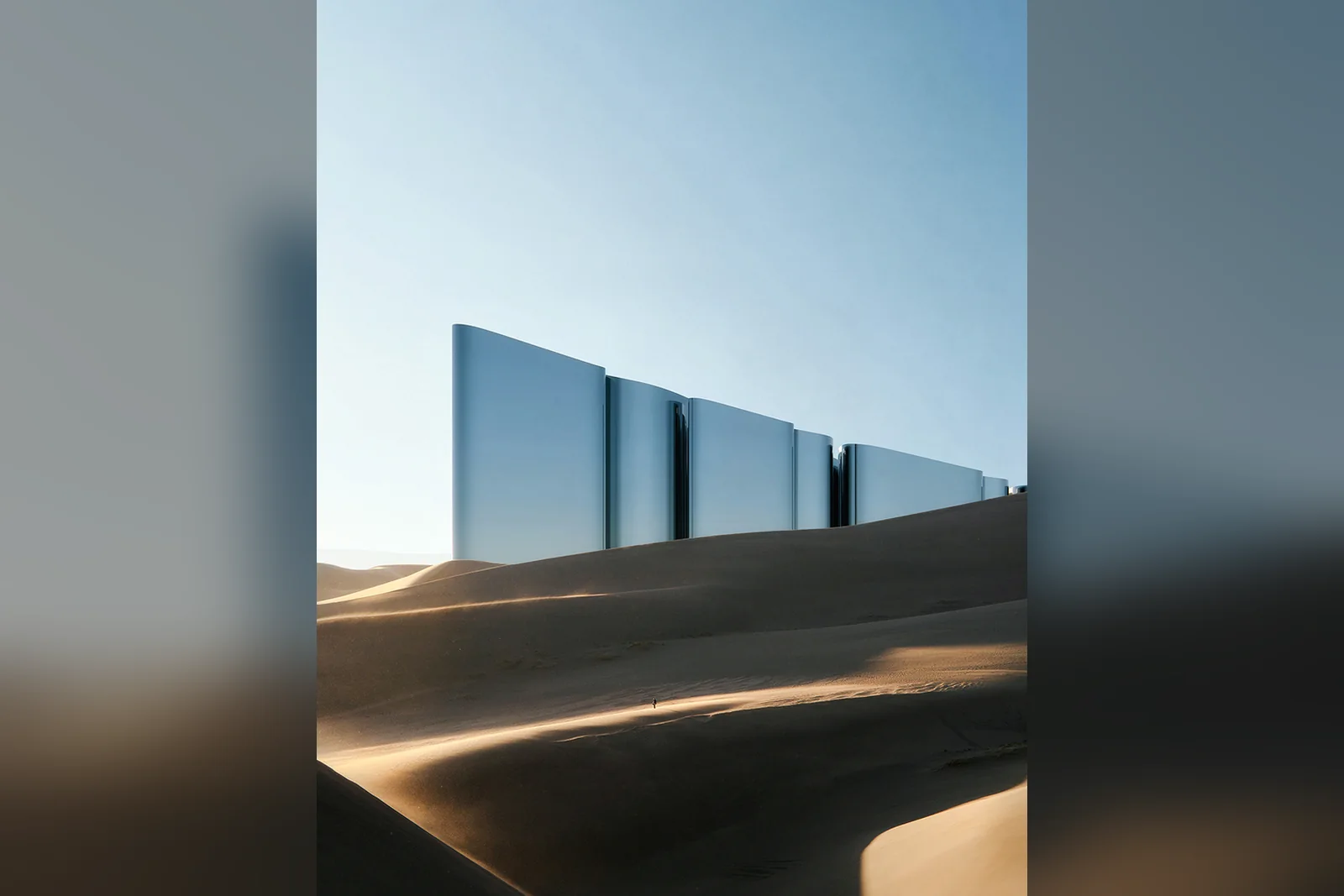
The Lichen is a small, multifunctional pavilion in Wuppertal, Germany, designed by Errita Zuna to empathize with the work of sculptor Tony Cragg by mimicking the movement of his workflow. The project frames a compact space that defines the mutualism of nature and humans, using technology as an asset for the environment rather than an intrusion upon it. By aiming toward the sky, the structure offers a unique experience that helps visitors understand the artist behind it.
At the heart of the design is a sequence of hoops that reflect a moving image and also provide light. The gaps between these hoops, together with the reflections they carry, create a surrealist atmosphere where the reality of the present, expressed through nature, and the imagination of the moving images collapse into one another for the viewer. As people move close to or step inside the pavilion, the boundary between what is physically there and what is projected begins to blur, which mirrors the gestural, sculptural sensibility associated with Cragg’s practice.
Why pavilions invite experiment
The pavilion has long served as a free testing ground in architecture. Because it carries fewer programmatic demands than a permanent building, a pavilion can prioritize atmosphere, movement, and the relationship between a structure and its surroundings. This makes the type well suited to a concept like The Lichen, where the goal is not to enclose a fixed function but to stage an encounter between people, light, and landscape. Designers of such spaces often work closely with ideas from land art and site-specific installation, where the setting itself becomes part of the composition.
The reference to lichen is fitting for a project rooted in the idea of mutualism. In nature, a lichen is a partnership between organisms that thrive together, and the pavilion borrows that logic to suggest a balance between human presence and the natural world. Set within the cultural context of Wuppertal, a city closely tied to Cragg and his sculpture park, the design treats technology as a quiet collaborator with the environment instead of a competitor. The result reads less like a fixed object and more like a moment to be moved through, watched, and slowly understood.





Savan House by Nobico Studio
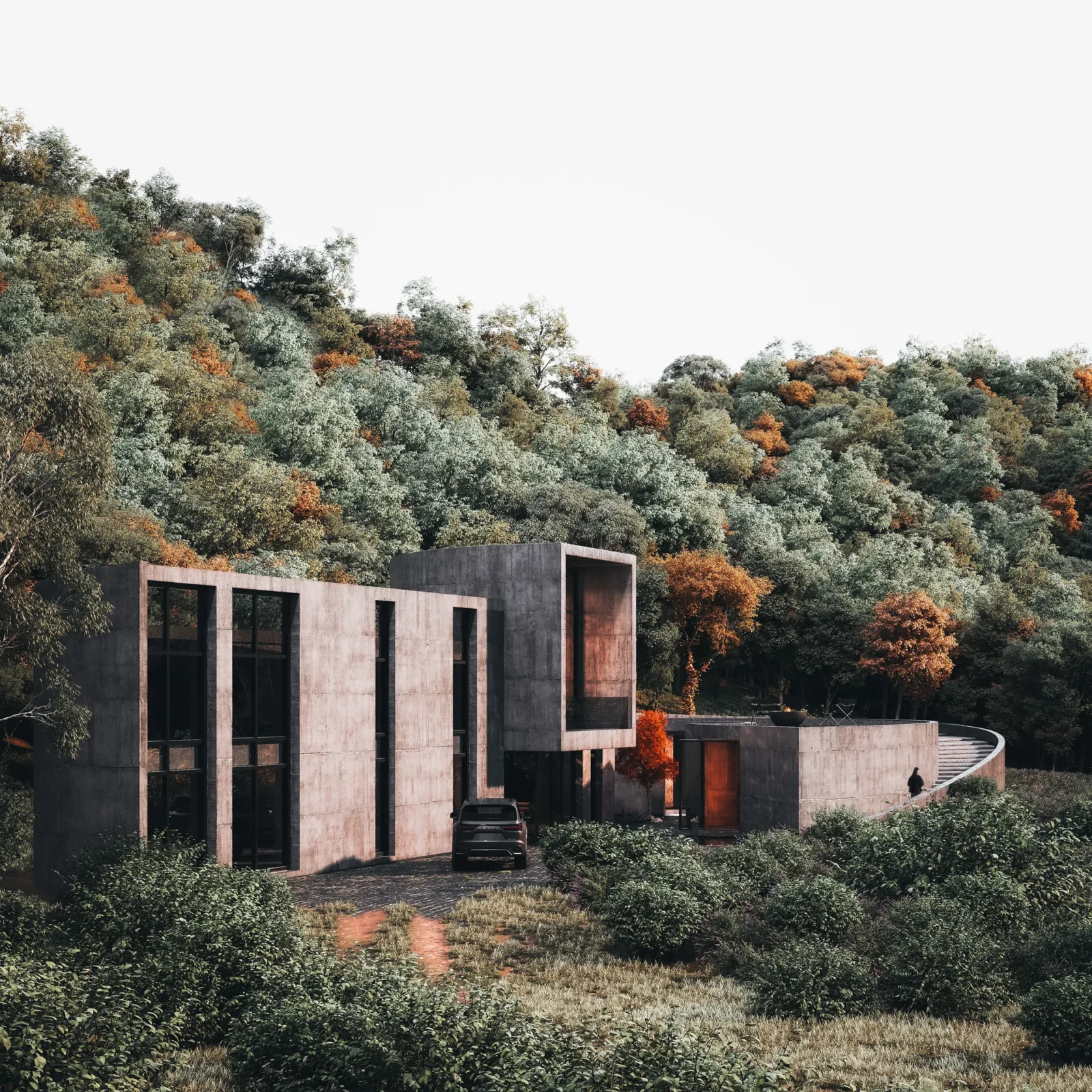
Savan House is Nobico Studio's unbuilt concept for a forested hillside in...
illustrarch Editoral Team3 Mins read

Renaatus Irumathi
Renaatus Irumathi Residence features 69 spacious apartments designed with contemporary aesthetics, maximizing...
illustrarch Editoral Team2 Mins read
White Khamovniki
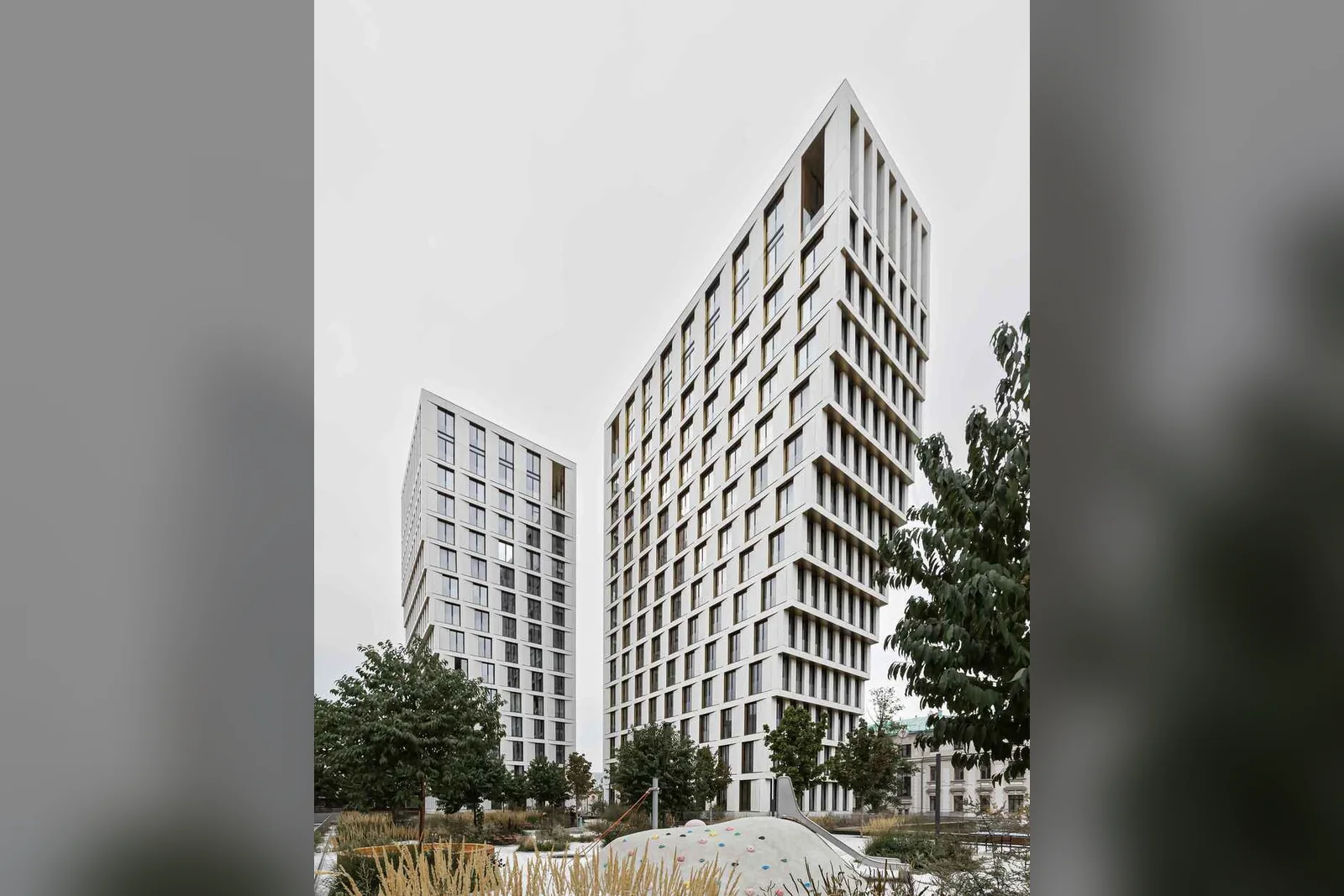
White Khamovniki is a residential tower project in Moscow that combines urban...
illustrarch Editoral Team1 Mins read
Millennium Horizon
Millennium Horizon is an innovative architectural project in the UAE that uses...
illustrarch Editoral Team2 Mins read


Leave a comment