

Fishing Based Smart Community Housing
Fishing Based Smart Community Housing in Mumbai integrates residential and workspaces for fishing households, fostering community ties and addressing urban living challenges.
 illustrarch Editoral Team25 October 20192 Mins read447


Fishing Based Smart Community Housing reimagines urban living in Mumbai by tying the home directly to the livelihood of the people who occupy it. Designed by Tamanna Parwani, the project responds to a city often described as the economic capital of India, where individual ambition can leave residents confined to private spaces and disconnected from their neighbors. The proposal argues that people thrive more fully inside a shared community, and it builds that community around a common occupation: fishing.
The thinking behind the scheme rests on a simple observation. A community forms when people find some commonality with those around them, and that shared ground enables collective action, mutual problem solving, and a steady push toward economic, social, environmental, and cultural well being. Community based organizations gather resources, ideas, and people with the common aim of improving a place for everyone who lives there. Occupation based communities, where people both live and work, tend to develop stronger bonds, a durable economic base, and a micro culture that enriches their surroundings.
Designing housing around a shared livelihood
Housing is one of the hardest building types to get right because it must serve private domestic life and public collective life at the same time. The discipline of public and social housing has long wrestled with how to give each family privacy while still creating shared thresholds, courtyards, and routes where neighbors meet by chance. When a single trade anchors the community, as fishing does here, the design can fold work directly into the residential fabric, with space for landing the catch, drying, repairing nets, and selling. That overlap of home and workplace is what turns a cluster of dwellings into a working neighborhood.
Mumbai brings its own pressures to this challenge. As a dense coastal metropolis, the city contends with limited land, monsoon climate, and a long relationship with the sea that has shaped settlements such as the historic Koli fishing communities. Designing for fishing households means planning for water access, storage, and resilience against humidity and flooding, all while keeping homes affordable and humane. Architecture cannot manufacture community on its own, yet thoughtful planning can supply the courtyards, shared workspaces, and gathering points where the bonds described in this proposal are most likely to take root. By grounding the plan in a familiar way of life, the project offers a model of Mumbai housing where belonging is built in from the start.




Residential Architecture Face-Off: Co-Living vs Traditional Apartment for Urban Housing
Co-living and traditional apartments represent two distinct approaches to residential architecture in...
 Furkan Sen8 Mins read
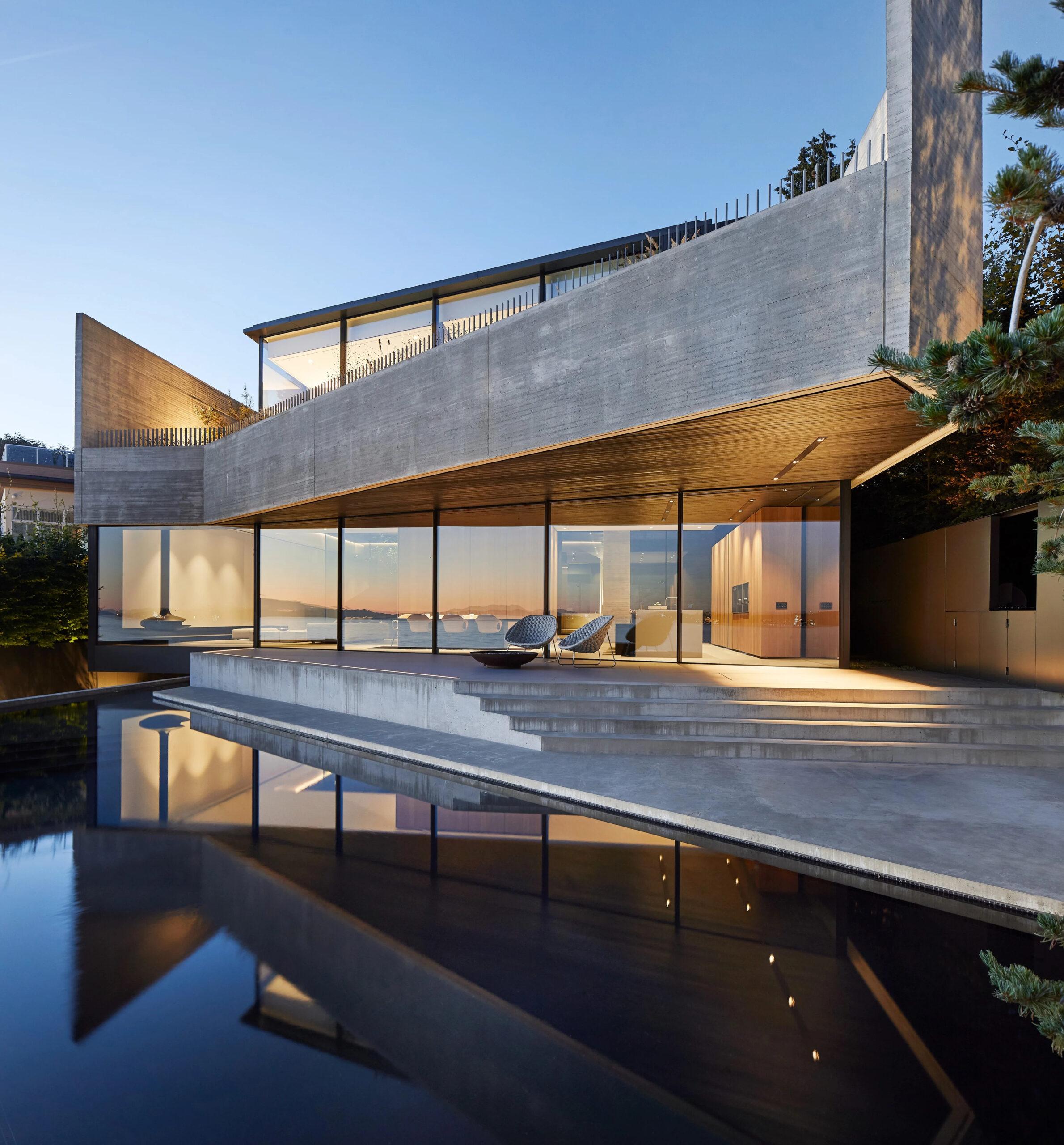
Designing a Liminal Space Where Urban Meets Coastal
The Liminal House by Mcleod Bovell Modern Houses in West Vancouver is...
 Elif Ayse Sen5 Mins read
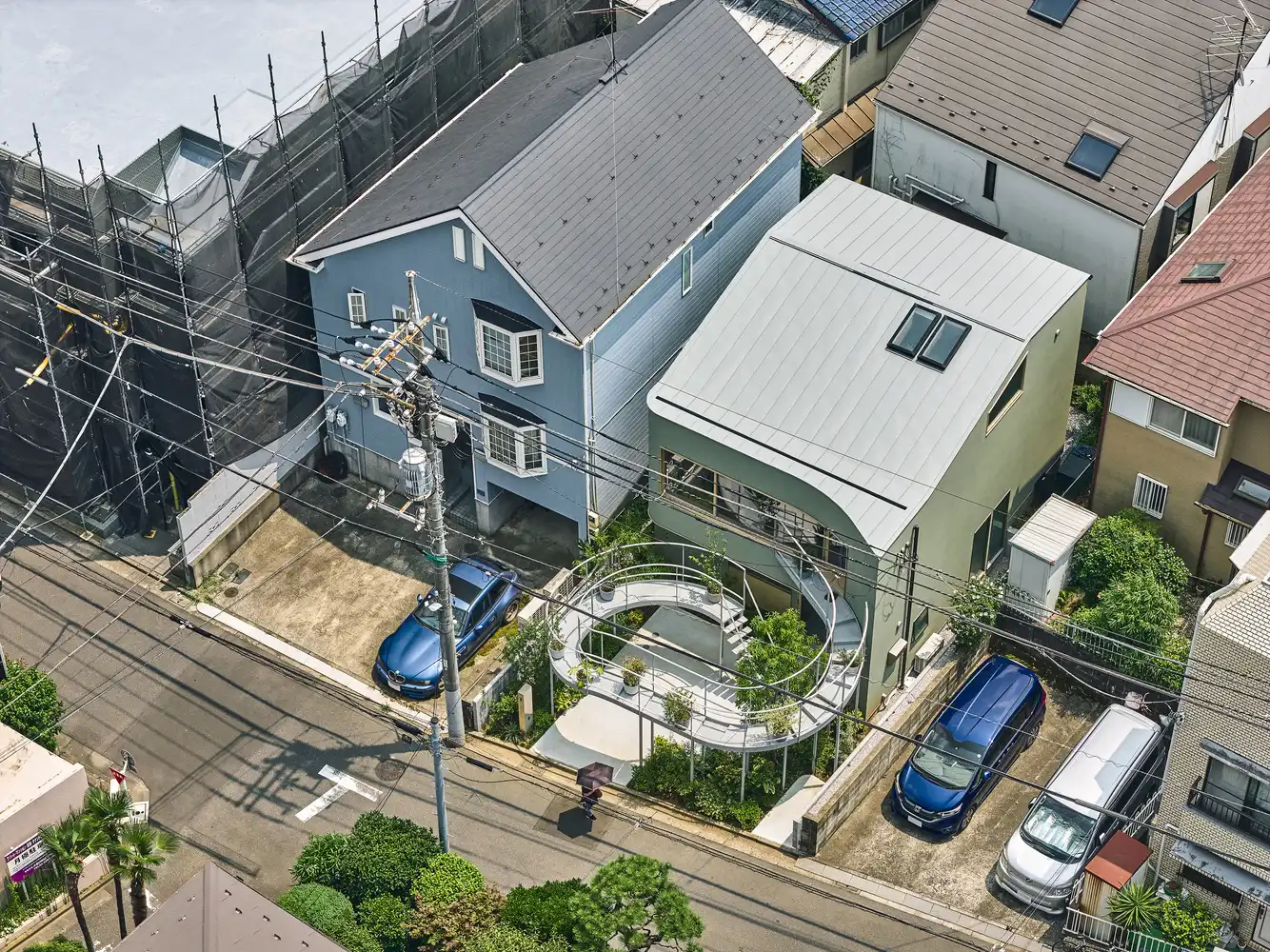
House in Nakano: A 96 m² Tokyo Architecture Marvel by HOAA
House in Nakano, designed by HOAA, creatively addresses urban density challenges by...
 Bahattin Duran6 Mins read

Bridleway House by Guttfield Architecture
Bridleway House by Guttfield Architecture is a barn-inspired timber extension that reframes...
 Begum Gumusel3 Mins read


Leave a comment