

The Labyrinth
The Labyrinth is a conceptual mixed-use design that uses disorientation and emotional experiences to challenge traditional architectural boundaries and navigation.
 illustrarch Editoral Team15 August 20211 Mins read475
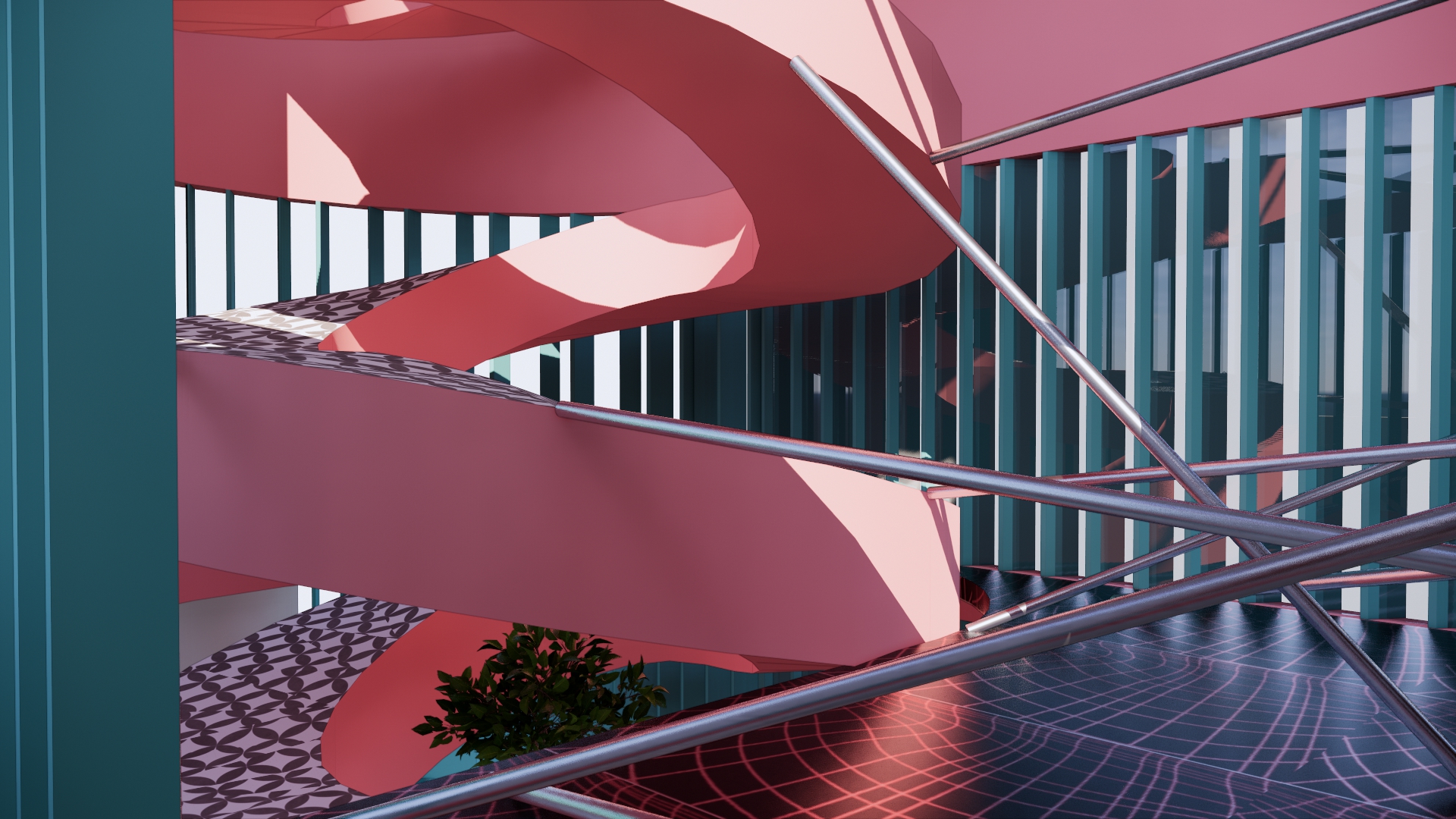


The Labyrinth is a conceptual mixed-use design that pushes architecture to an extreme, showing how the arrangement of boundaries and connections can reshape spatial proximities. Created in 2020 by Jash Bhadricha and Parth Bane, the project treats the building as a single experiential journey rather than a fixed container of rooms. A labyrinth appears to offer a straight, linear path toward a goal, yet its entangled circulations turn that journey into something far more uncertain.
Because the design is defined as an existence that changes continuously through movement, it deliberately produces three states in the visitor: Anxiety, Anticipation and Chaos. When a person first enters the building, the sense of feeling lost provokes anxiety. The intricacy of elements and mirrored reflections produces chaos, while the casting of light and shadows carries a ray of hope, or anticipation. The user begins the maze on a platform that channels them toward any of these three emotions, and each emotion is linked to the others before the final destination is reached.
Emotion as a Mixed-Use Organising Principle
Most mixed-use buildings solve the problem of bringing different programs together through clear zoning and efficient circulation, so that visitors always know where they are. The Labyrinth inverts that logic. Instead of legibility, it uses disorientation as the connective tissue between functions, asking what happens when wayfinding becomes a designed emotional sequence rather than a service. This approach has deep roots: the labyrinth has been a spatial and symbolic device across many cultures, standing for trials, contemplation and transformation.
The reliance on mirrored surfaces and the controlled play of light recalls a long tradition of architecture that manipulates perception. By multiplying reflections, the design dissolves the edges of the space and unsettles a visitor’s sense of scale and direction, a strategy related to broader ideas of daylighting and the careful staging of shadow. Light here is not only practical illumination but a guide that hints at an exit and rewards persistence with anticipation.
As a concept project, The Labyrinth works best understood as a study in how movement, boundary and atmosphere can be composed into a continuous emotional path. It suggests that a building’s plan can be read as a sequence of feelings, where reaching the destination matters less than the states a person passes through along the way.







Villa Argentina by 3LHD
3LHD reconstructs Villa Argentina in Dubrovnik, tying a 1920 villa, later villas...
illustrarch Editoral Team3 Mins read

55 Albert Street by Jackson Clements Burrows
55 Albert Street by Jackson Clements Burrows is a 51 apartment building...
illustrarch Editoral Team2 Mins read
Good Habits Smoothie Bar by XN32 Studio
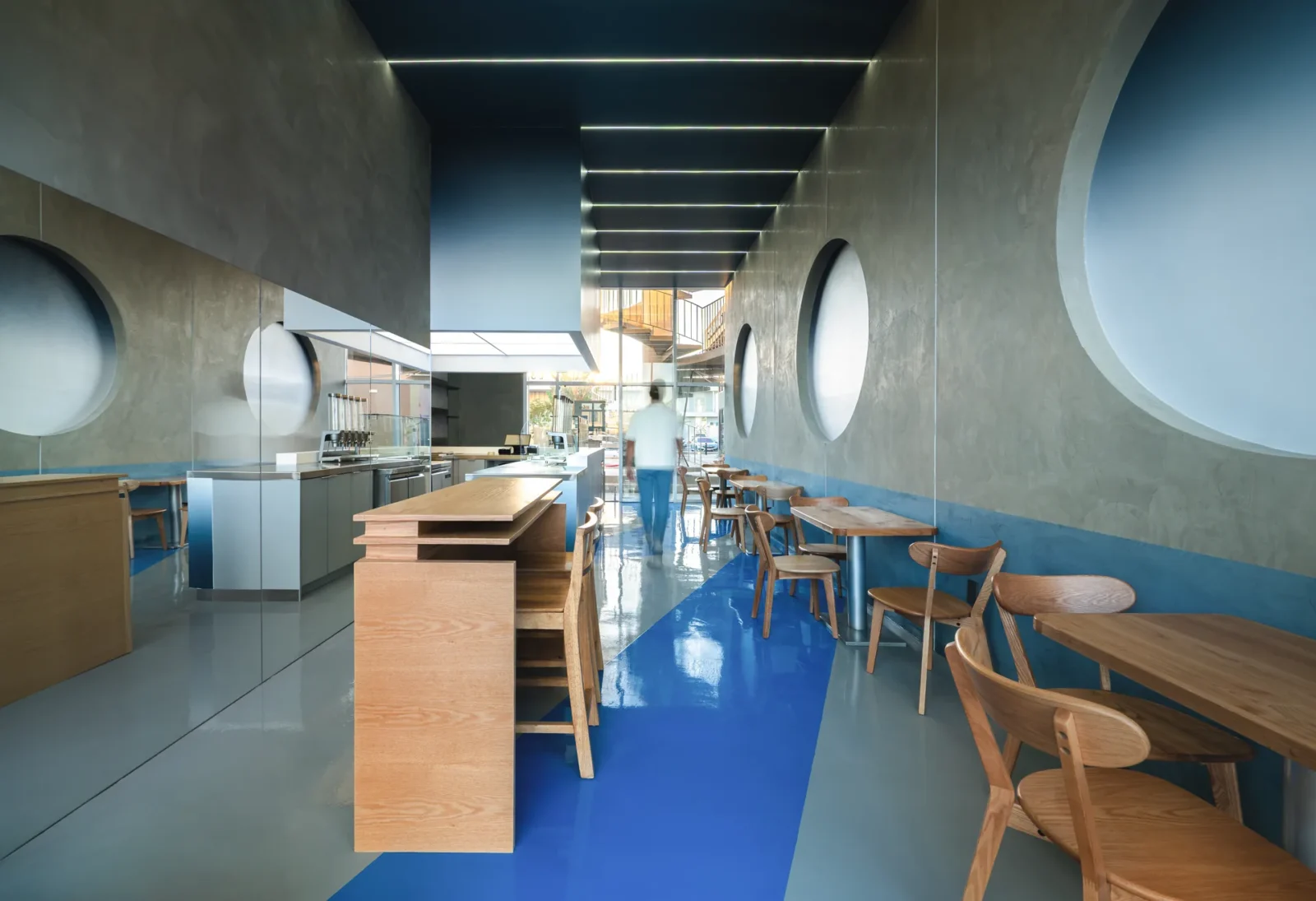
XN32 Studio turns a 55 m² smoothie bar in Mexicali into a...
illustrarch Editoral Team3 Mins read
Cottage by archicraft
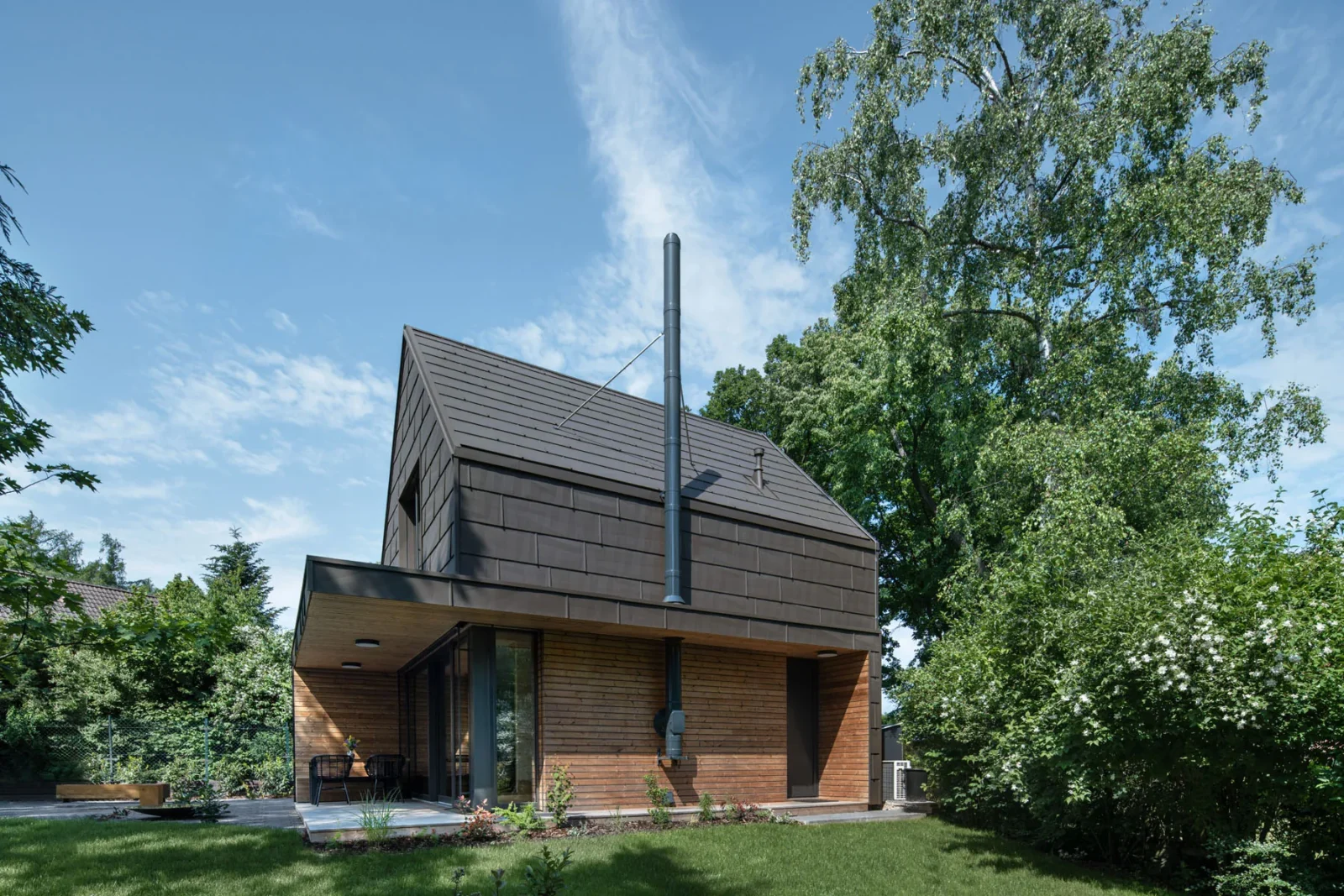
The most interesting architectural opportunities often emerge from the strictest constraints. This...
illustrarch Editoral Team2 Mins read


Leave a comment