

Museum Repression
Museum Repression is a memorial complex in Baku designed by Fazil Humbatli to honor victims of Stalin's Great Purge through a thoughtfully organized narrative space.
 illustrarch Editoral Team30 November 20191 Mins read588
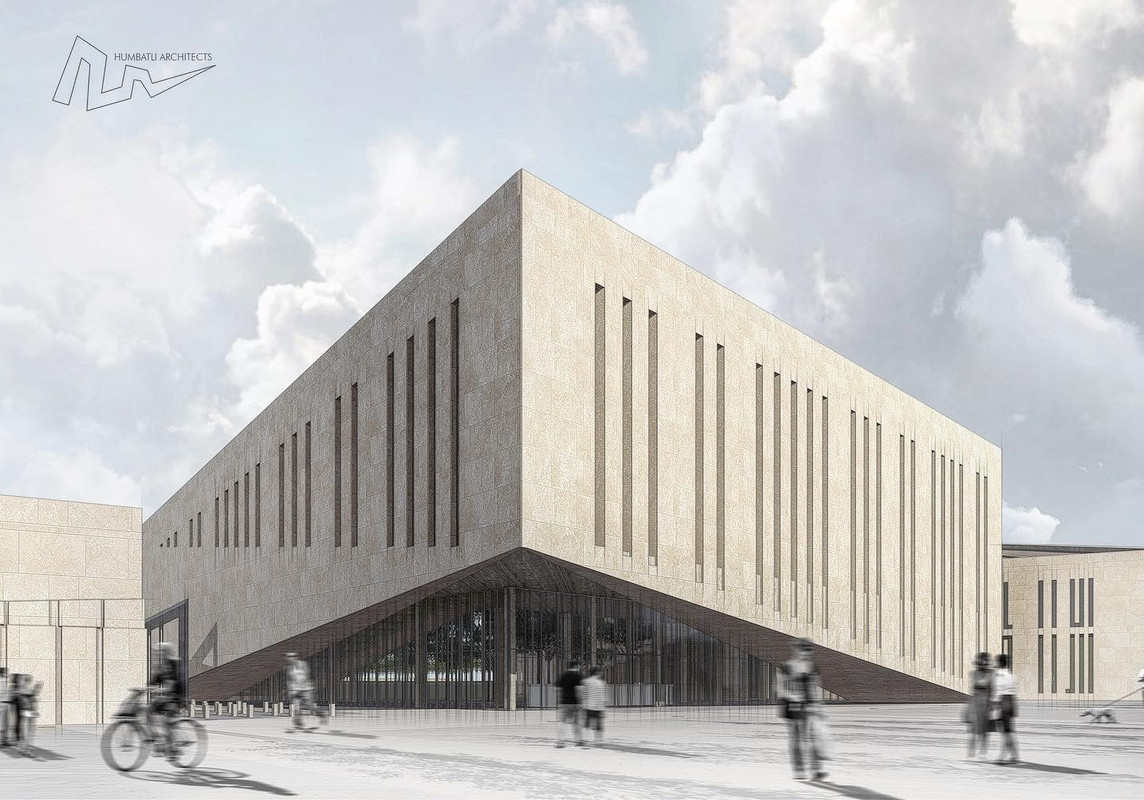


Museum Repression is a memorial complex designed by Fazil Humbatli to honor the victims of the “Great Purge,” also known as Stalin’s Political Repressions, which took place between 1930 and 1936 across the USSR. The proposal organizes its site around two main axes that connect two focal points tied to those events: the Bibi-Heybat Mosque, the first religious building destroyed by the Bolsheviks in Azerbaijan, and Nargin Island, where more than 20,000 political activists were executed in mass shootings by the Soviet authorities. For Humbatli, the work carries a personal weight, since his own great-grandfather was among those killed.
A memorial museum is one of the most demanding building types in architecture, because it must hold historical fact and human grief in the same space. Unlike a conventional gallery, this kind of institution asks visitors to move through a narrative rather than simply view objects, and the route itself becomes part of the meaning. By anchoring the plan to two real sites of loss, the design grounds memory in geography, letting the city of Baku and the waters around it speak as evidence rather than backdrop.
Axes, Sightlines, and the Weight of Memory
Working with two crossing axes is a long-standing strategy in commemorative design. Axial planning directs the body and the eye toward a destination, and when each axis terminates at a charged location, the act of walking becomes an act of remembrance. The connection toward Nargin Island, set offshore, introduces distance and water as part of the experience, while the link to the Bibi-Heybat Mosque ties the complex to a specific early wound in Azerbaijan’s religious and civic life.
Projects that confront state violence, such as memorials addressing the broader history of the Great Purge, tend to favor restraint over spectacle. Quiet materials, controlled light, and deliberate pacing allow visitors room to reflect without being told what to feel. The challenge for any designer is balance: the place must inform without lecturing, and mourn without overwhelming. Museum Repression takes on that balance directly, turning a painful chapter of Soviet history into a space where remembrance has both a path and a purpose.


1 Comment


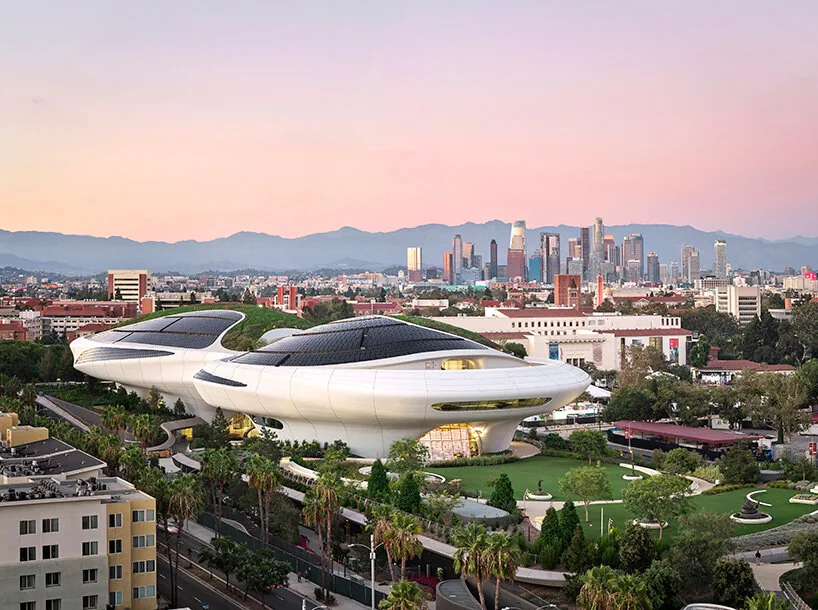
George Lucas’s Narrative Art Museum Set to Open in LA in 2026
George Lucas's museum of narrative art, designed by Ma Yansong, opens in...
illustrarch Editoral Team3 Mins read
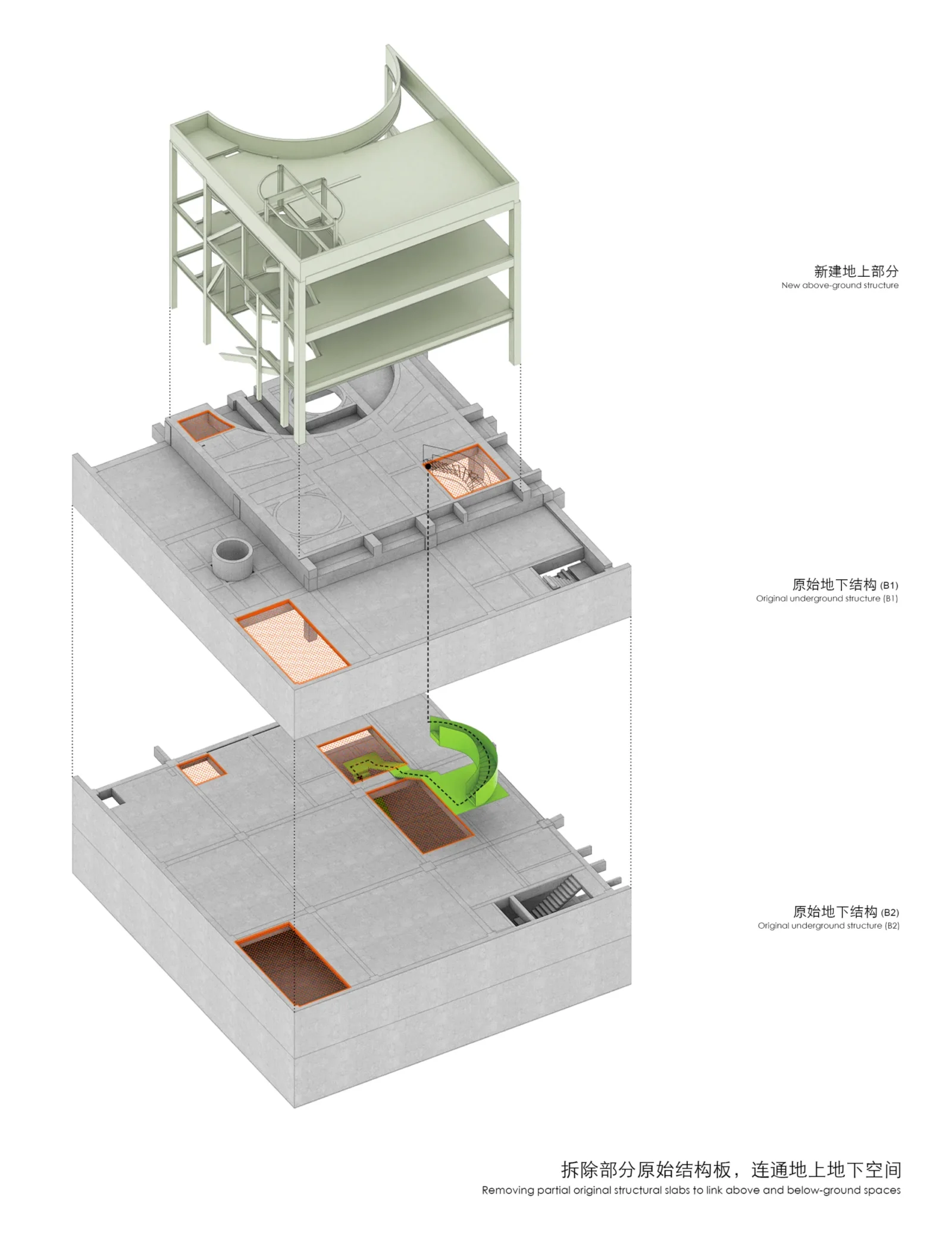
Hangzhou Empathy Museum by TAOA
Hangzhou Empathy Museum: a museum peeling back its skin to reveal a...
illustrarch Editoral Team3 Mins read
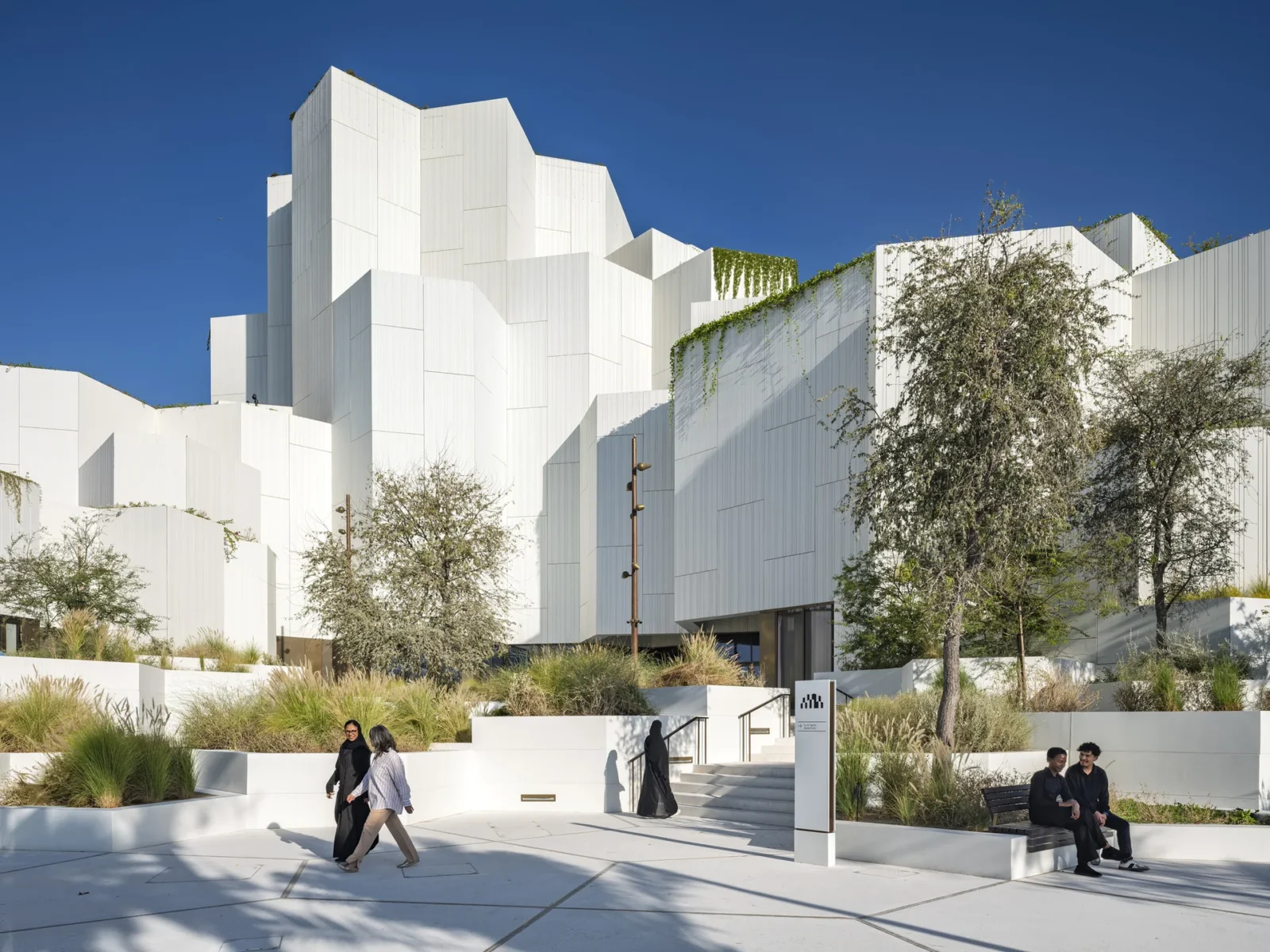
Natural History Museum Abu Dhabi by Mecanoo
Mecanoo builds the largest natural history museum in the Middle East as...
illustrarch Editoral Team2 Mins read
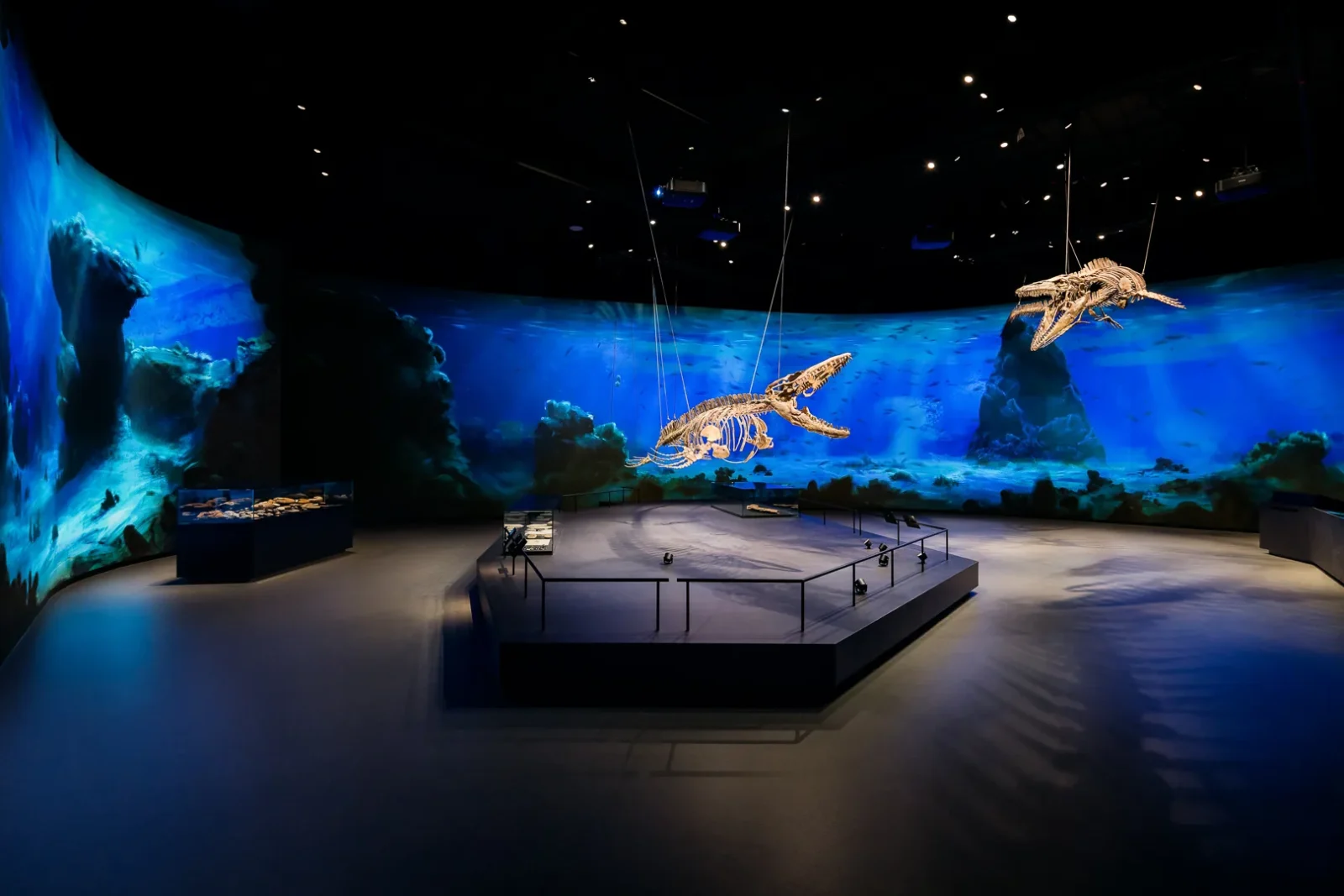
Dinosauria Museum Prague by archicraft
archicraft designed Dinosauria Museum Prague as a sequence of atmospheric rooms built...
illustrarch Editoral Team2 Mins read


I LOVE ITTTTTTTTTTTTTTTTTTTTTTTTTTTTTTTTTTTTTTTTTT