

Apartamento Horácio
Apartamento Horácio features a compact 55 m² design that maximizes comfort and privacy through an integrated layout and careful material selection.
 illustrarch Editoral Team23 September 20242 Mins read358


Combining comfort and privacy in a compact 55 m² apartment is one of the most demanding tasks in contemporary residential design, and it is exactly what Pro.a Arquitetos set out to solve at Apartamento Horácio in Itaim Bibi, São Paulo. The property sits on Rua Avenida Horácio Lafer, in a neighbourhood known for its dense vertical living, where every square metre has to perform more than one role.
The studio chose a fully integrated layout, using the furniture itself to define each space rather than relying on dividing walls. A double bed faces one of the walls and separates the bedroom from the living area, while behind the headboard a home office desk is positioned, ensuring the privacy of those using the sleeping zone. The television, placed on the wall opposite the sofa, can be watched from most of the rooms, including the bedroom, home office and living room. “This layout ensured the privacy of the areas even though they are integrated,” says Daniella Martini, founding partner of Pro.a Arquitetos.
Material choices that tie the rooms together
The kitchen sits right at the entrance to the apartment, a zone marked out by a green tone that colours the door, the ceiling, the sink backsplash and the planned joinery. The granilite flooring, made on site, is the highlight of the project and is responsible for integrating all the rooms into a single continuous surface. In the living area and bedroom, an industrial character is reinforced by the concrete slab finished by the builder. To warm the interior, the architects opted for furniture and upholstery in warmer tones such as terracotta and ochre.
This kind of open, furniture-led planning is a familiar response to the constraints of small-footprint city homes, where natural light, sightlines and storage all compete for the same compact volume. Honest, hard-wearing materials like granilite and exposed concrete are common in Brazilian residential work because they age gracefully and reduce visual clutter. The apartment was designed around the needs and personality of its resident, with the choice of materials, the geometric shapes of the furniture and the handle-free cupboards giving the project an elegant and modern finish. Projects like this show how thoughtful zoning can make a studio-scale home feel generous rather than cramped.
Readers interested in the wider context can explore compact living and small-home design, the architecture of São Paulo, and the principles of studio apartment planning.





Modern Earthy Sanctuary House by PENTARCH designers
The Modern Earthy Sanctuary is a 10 Marla house in Sheikhupura, Pakistan,...
illustrarch Editoral Team2 Mins read
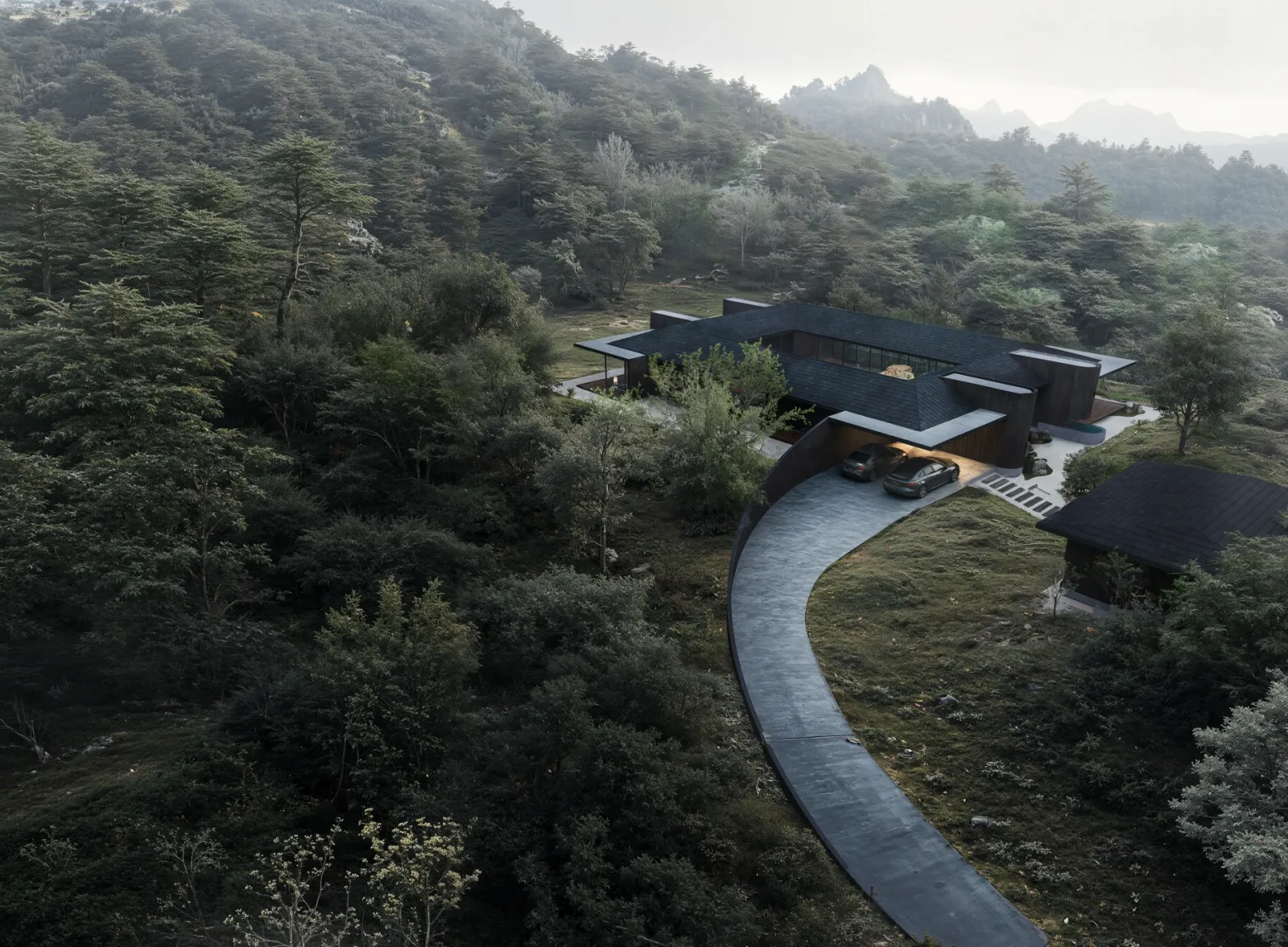
Casa Paisaje by TAP Arquitectura
Casa Paisaje is TAP Arquitectura's unbuilt 2025 competition proposal for a 302...
illustrarch Editoral Team2 Mins read

Casa d’Abreu Neto by Álvaro Siza
Casa d’Abreu Neto in Matosinhos is the first house Álvaro Siza saw...
illustrarch Editoral Team3 Mins read
The House of Memories by Studio Lagom
Studio Lagom replace a rambling 22-room family house in Valsad with a...
illustrarch Editoral Team3 Mins read


Leave a comment