

Sportshall
Sportshall is a modular timber sports hall designed by MGF Architecture, featuring prefabricated components that allow for quick assembly and adaptability to various site.
 illustrarch Editoral Team24 September 20192 Mins read502

Sportshall is a modular timber sports hall by MGF Architecture, designed for various locations across Trier, Germany, where a single construction principle can adapt to different sizes and site conditions. The project treats the sports hall not as a one-off building but as a kit: prefabricated wall and roof elements built from wood in two basic geometric components, the rod and the plate, assembled on site into a complete structure.
The system rests on a reinforced concrete floor slab with strip foundations made on site, onto which the wooden elements are mounted as roof and wall panels. A visible, linear design grid reads across the façade and the hall ceiling, giving the building a clear architectural order that follows directly from how it is put together. Because the elements are precisely prefabricated, they can be erected in almost no time and largely independent of the weather, a meaningful advantage on a typical municipal building schedule. Interior walls as wooden frame elements stiffen the structure and can be pre-installed with parts of the technical building equipment before they ever reach the site.
A kit of parts on a 3 by 3 metre grid
Prefabrication and transport are organised around a basic grid of 3 by 3 metres. Wooden elements three metres wide move to the construction site without difficulty, which keeps the realisation fast and therefore economical. Separating the hall from the side-room construction, and keeping everything single-storey, lets the design add changing areas for outdoor sports or leave out rooms in the single-field version. This flexibility is central to how sports buildings serve communities, since a school gym, a club hall, and a competition venue often share a structural logic but differ in their support spaces. Long clear spans, durable surfaces, and good acoustics are recurring concerns in this building type, and a repeatable timber frame answers many of them at once.
Wood suits this construction task in every area. Inside, it creates a pleasant indoor climate, while the outer skin of larch formwork stays economical in both construction and operation. The use of prefabrication and renewable timber framing reflects a wider shift toward low-impact, quickly assembled public buildings. The clear geometric zoning of open and closed elements supports the modular idea, while natural lighting and ventilation give athletes and spectators a calm setting for sport and play. Sportshall shows how a disciplined kit of parts can turn a standard public commission into something adaptable and quietly well-made.





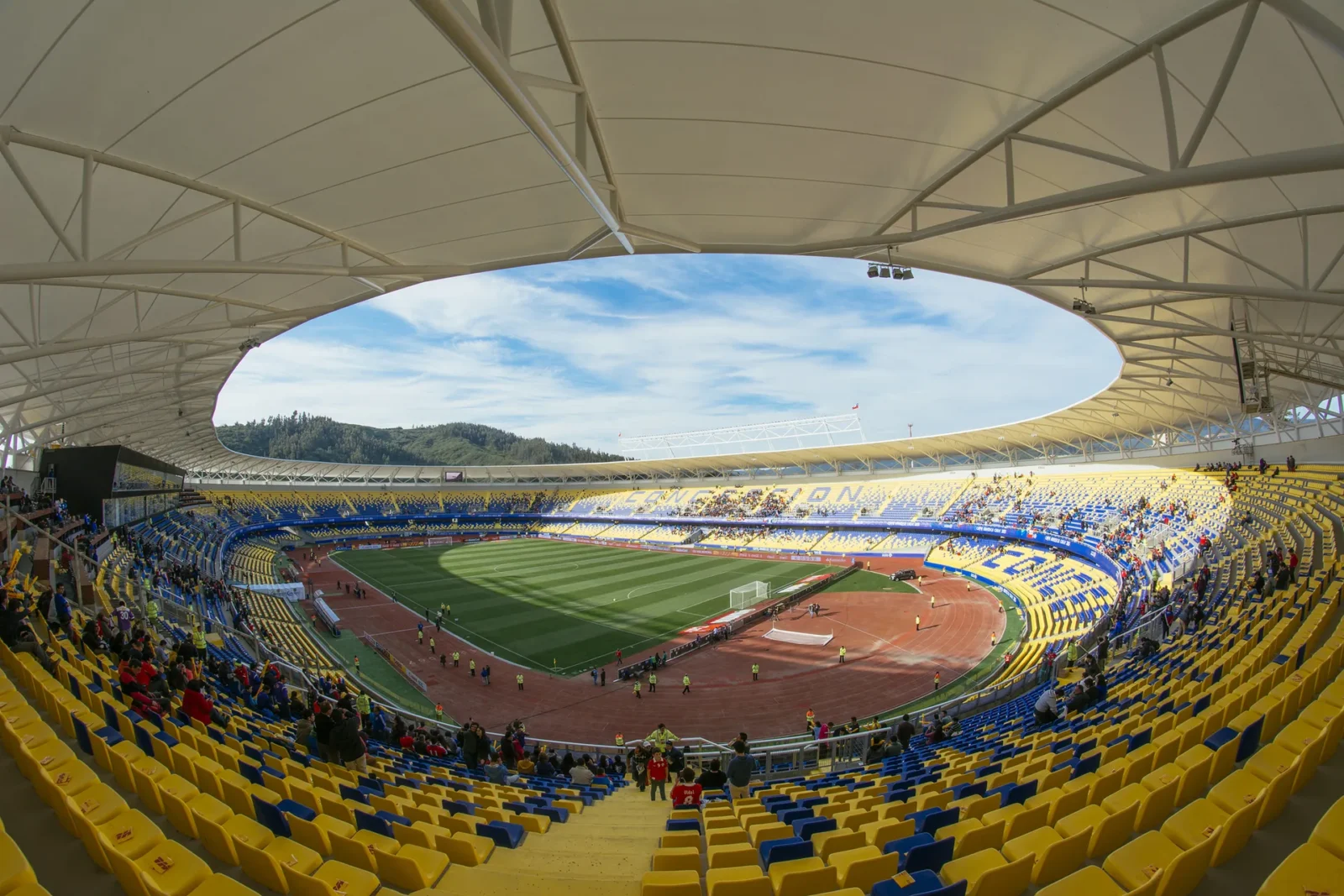
Ester Roa Rebolledo Municipal Stadium by Valle Cornejo Arquitectos
Valle Cornejo Arquitectos modernise Concepcion's municipal stadium by wrapping a single continuous...
illustrarch Editoral Team2 Mins read

6 Stadium Projects Redefining Sports Architecture in 2026
Across Europe, Asia, Africa, and the Middle East, a new generation of...
 Elif Ayse Sen3 Mins read

Jean Dauger Stadium by Patrick Arotcharen Architecte
Jean Dauger Stadium in Bayonne redefines the contemporary sports venue as a...
 Begum Gumusel4 Mins read
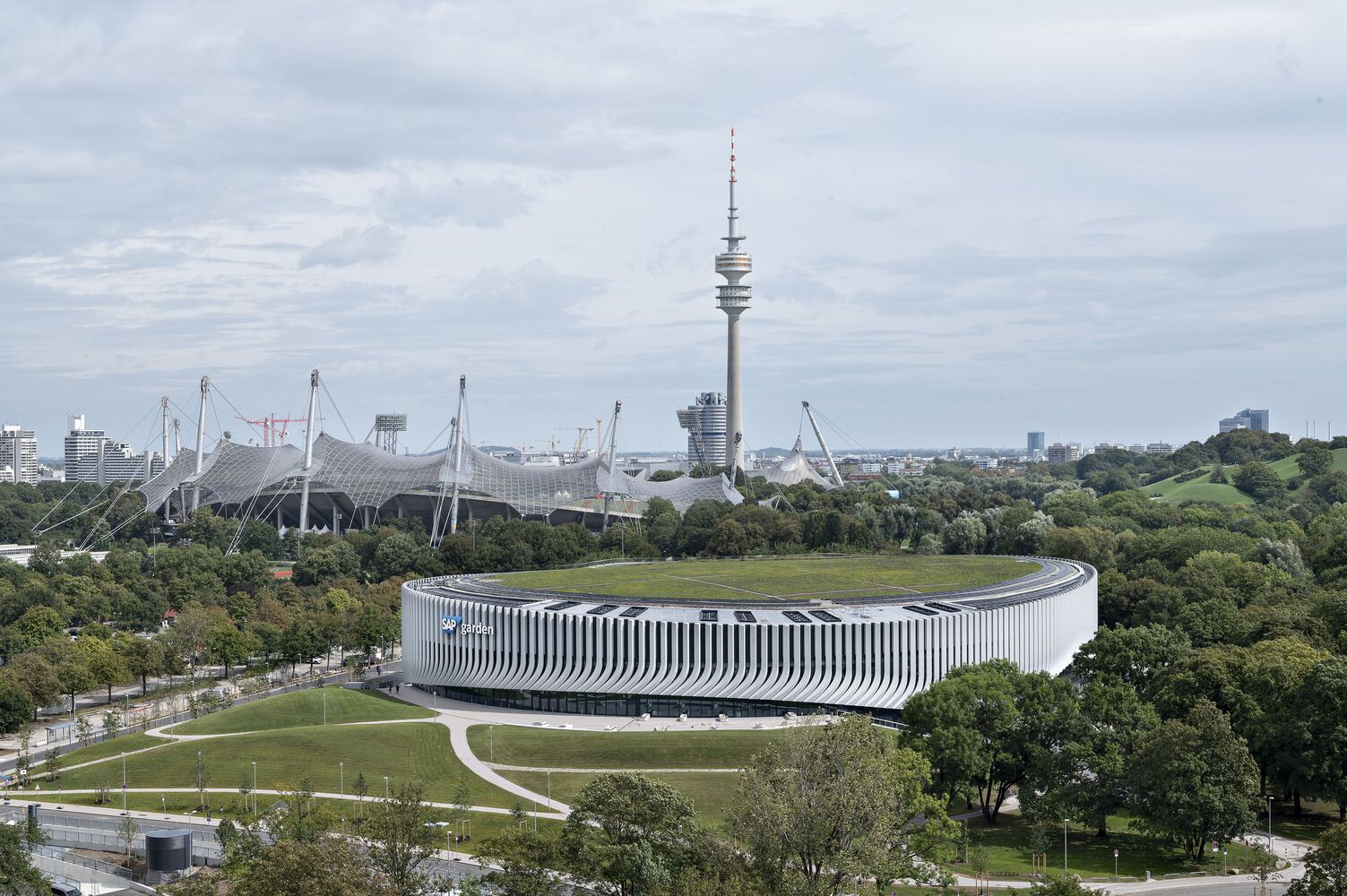
Sportarena Olympiapark Munich SAP Garden by 3XN
SAP Garden by 3XN is a state-of-the-art arena in Munich’s Olympic Park,...
Begum Gumusel3 Mins read


Leave a comment