

Vita I Building Extension University Hospital
The Vita I building extension at the University Hospital in Tübingen features a psychosomatic ward designed to enhance healing through natural light and outdoor spaces.
 illustrarch Editoral Team25 September 20191 Mins read334
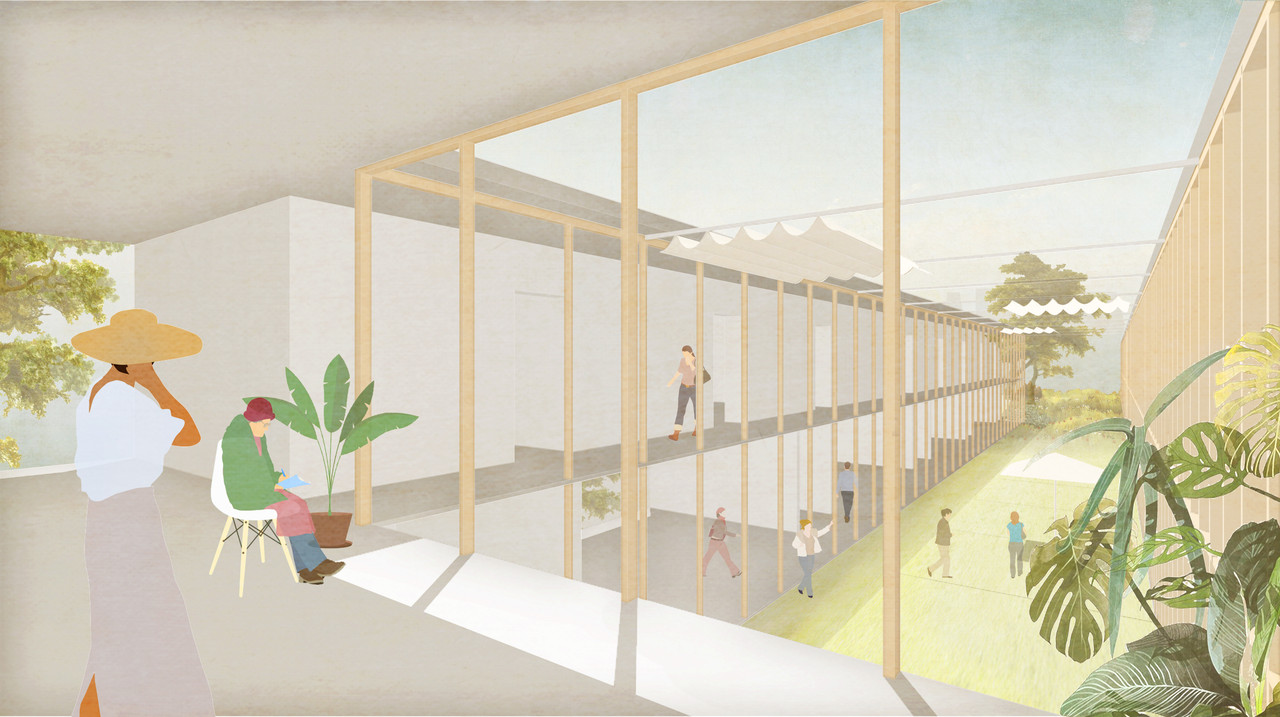
The Vita I building extension adds a dedicated psychosomatic ward to the University Hospital in Tübingen, Germany, designed by MGF Architecture and completed in 2018. The project grew out of a 2017 feasibility study prompted by the spatial consolidation of the psychological and psychiatric centers of the University Hospital Tübingen. Its room program brings together general service rooms, seminar rooms, lounges, dining areas and two 28-bed wards across roughly 1,900 square meters, with a gross floor area of about 2,340 square meters. The two wards are divided into a normal ward and a comfort ward.
At the heart of the scheme is a courtyard. By arranging two building blocks as an angled structure, the architects shape a slender, south-facing courtyard that connects the existing psychosomatic areas with the new shared spaces of the expansion, including the dining and lounge area. The angled form also resolves a practical problem of the site, conveying the height jump between Liebermeisterstraße and the entrance level of the ViTa.
Designing for healing environments
Healthcare buildings carry demands that few other building types share. Wards must support clinical workflows, infection control and around-the-clock staffing while still feeling calm and humane for patients who may stay for extended periods. For psychosomatic and psychiatric care in particular, the quality of daylight, views to greenery and a clear sense of orientation matter as much as the medical program, since the physical setting becomes part of the therapeutic process. Research into evidence-based design has long linked access to nature and natural light with reduced stress and better recovery, which makes a south-facing courtyard a meaningful gesture rather than a decorative one.
The courtyard strategy answers several of these challenges at once. It draws sunlight deep into the plan, gives patients and staff a protected outdoor room, and stitches old and new together so the extension reads as a continuation of the hospital rather than a bolt-on. Working within the fabric of an active hospital campus in Tübingen also meant respecting the existing levels and circulation, which the angled massing handles by bridging the change in grade between street and entrance. The result is an extension that treats the courtyard as both an organizing device and a quiet amenity for everyone who uses the building.





Tidsmaskinen After-School Center by BBP Arkitekter
BBP Arkitekter add a heptagonal tower and a greenhouse to a 1918...
illustrarch Editoral Team2 Mins read

KAFD Metro Station by Zaha Hadid Architects
Zaha Hadid Architects' KAFD Metro Station ties three Riyadh Metro lines together...
illustrarch Editoral Team4 Mins read
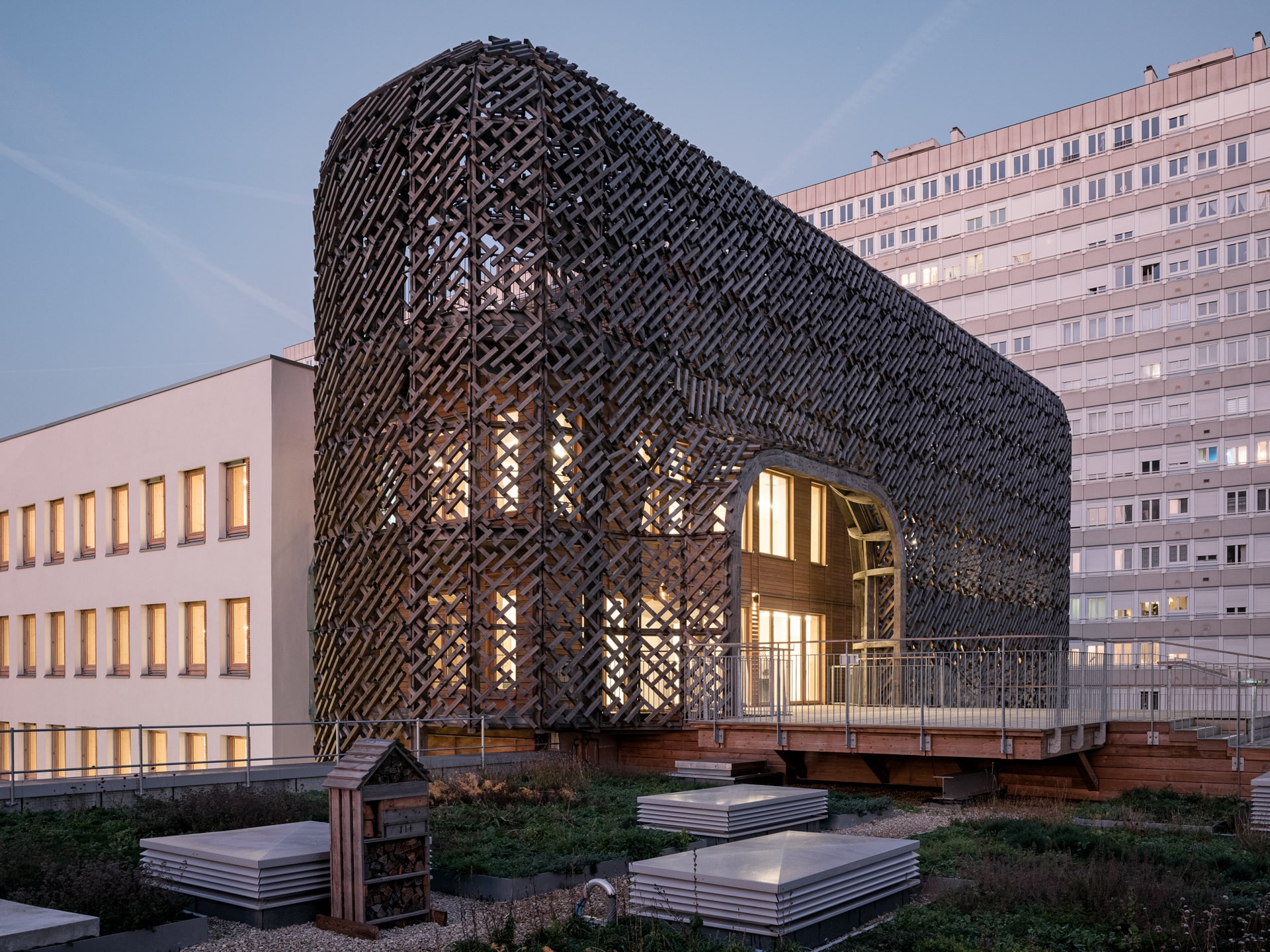
James Baldwin Media Library and Refugee House by associer
In Paris’s 19th arrondissement, Atelier Associer has reimagined a 1970s secondary school...
 Elif Ayse Sen3 Mins read
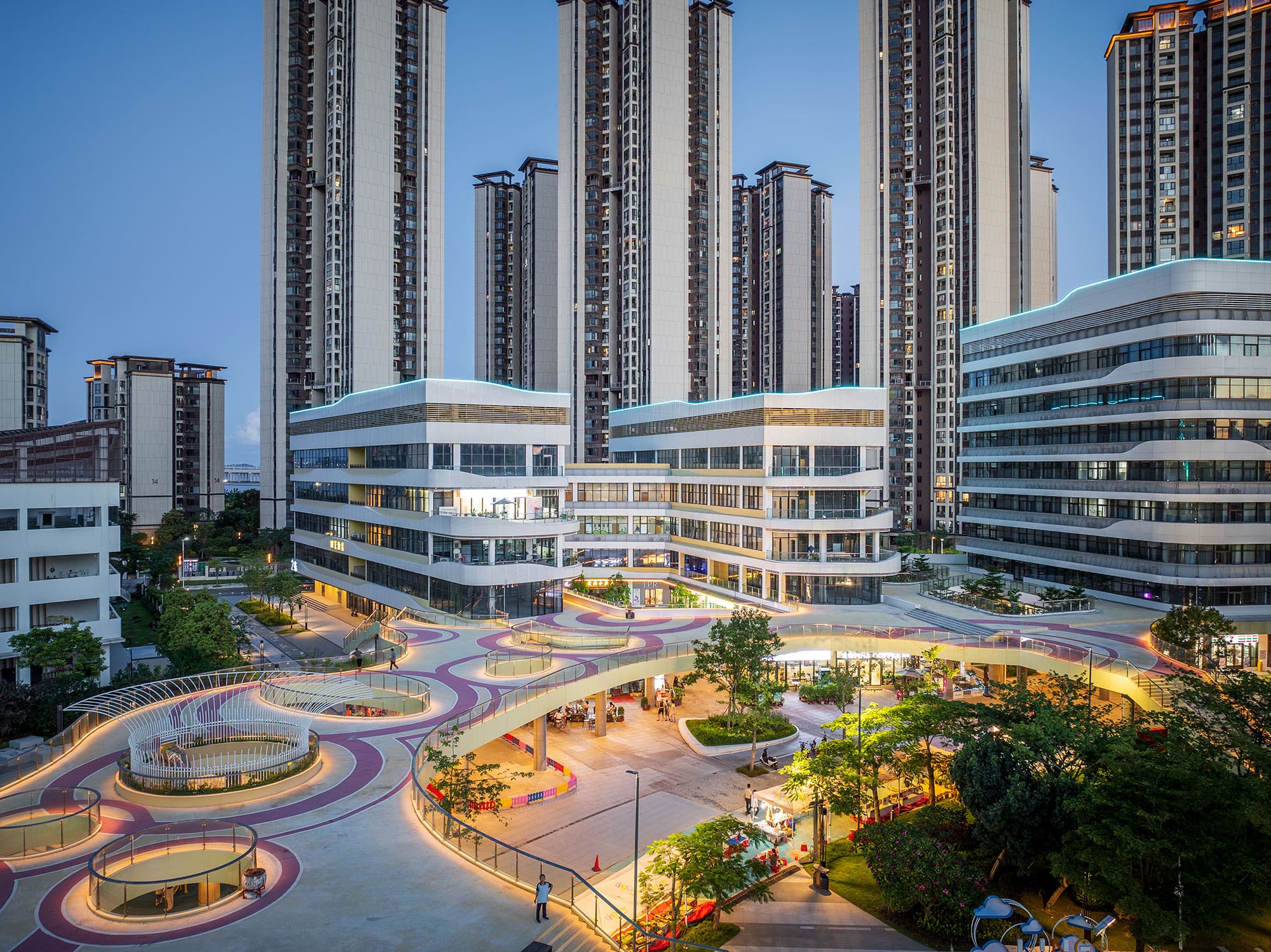
KING ONE Community Center by E Plus Design
In Zhuhai, E+UV has turned four disconnected, underused buildings into the lively...
Elif Ayse Sen4 Mins read


Leave a comment