

Architecture as Infrastructure: Designing Beyond Buildings
Architecture as infrastructure reframes cities as systems, flows, lifecycles, and value. Explore resilient design for streets, energy, transit, and governance.
 Sinan Ozen5 December 20254 Mins read247
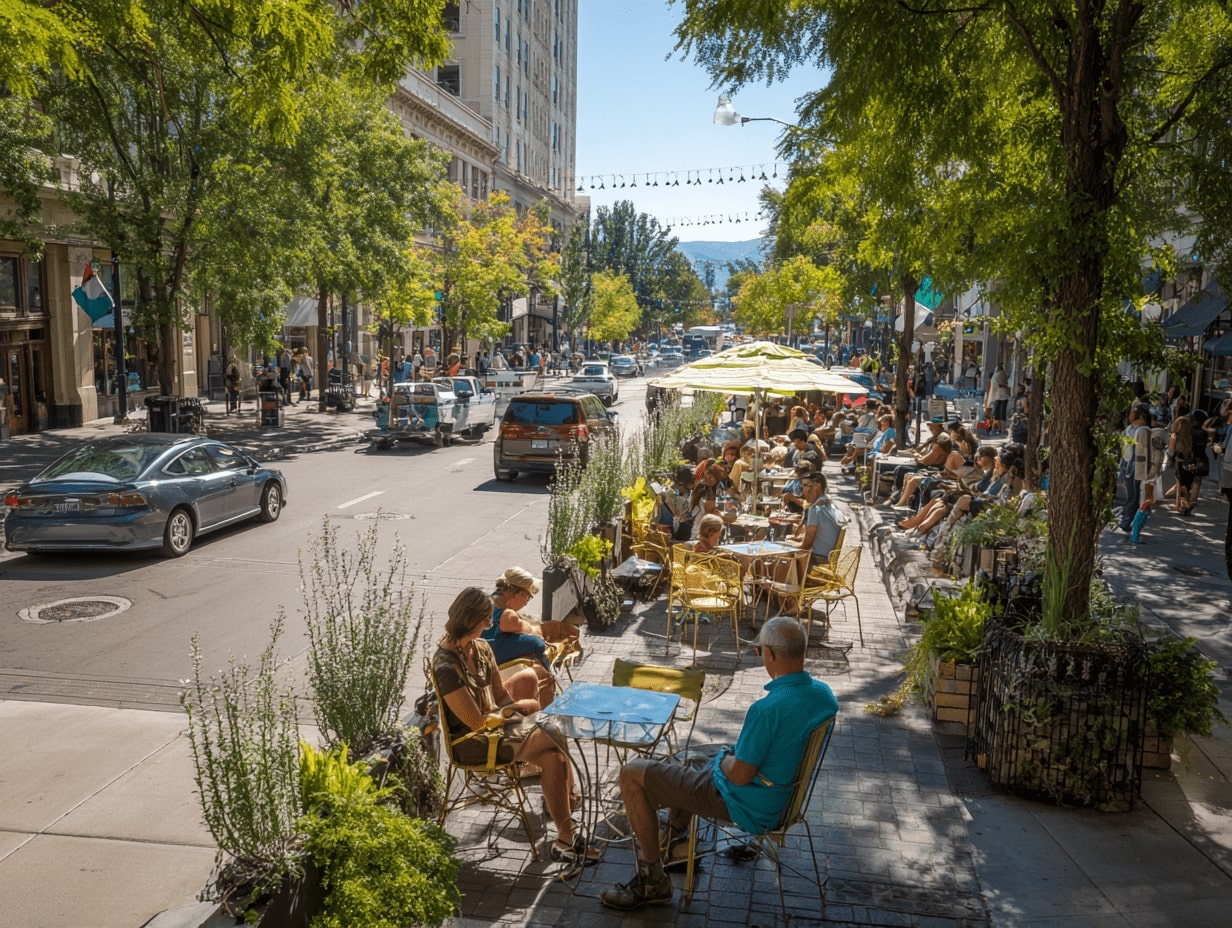
Table of Contents Show
We’re living through a pivotal shift in how cities are made. Architecture as infrastructure isn’t a slogan, it’s a practice that treats buildings, landscapes, mobility, and data as one interdependent system. When we design beyond buildings, we design flows, maintenance, and long-term value, not just facades. In the pages that follow, we share how this mindset changes our work on streets, parks, transit, energy, and governance, and why it’s the most resilient path forward.
From Objects To Systems: What It Means To Design As Infrastructure
Shifting The Unit Of Design: Flows, Networks, Lifecycles
Designing architecture as infrastructure means the “unit” isn’t a parcel, it’s a catchment, a service area, a travel shed. We ask: how does stormwater move? Where do people flow at noon versus midnight? How will components be replaced in 5, 15, or 50 years? The map we sketch includes supply chains and maintenance routes as much as massing and sections.

Performance, Maintainability, And Interoperability
Systems only work if they can talk, fit, and be fixed. We specify interoperable parts, open protocols, and standardized interfaces so lighting, EV chargers, sensors, and transit information can be upgraded over time. We design for maintainers, clear access, replaceable modules, and materials that weather well, because a solution that can’t be maintained isn’t a solution.
Lessons From History: Infrastructure As Civic Architecture
Aqueducts, bridges, and transit halls have long doubled as public architecture. Think of New York’s early parkways or Seoul’s Cheonggyecheon restoration, utility plus civic life. Today’s equivalents are blue‑green corridors that carry water, people, and biodiversity while anchoring neighborhoods.
Climate And Urban Ecologies
Blue-Green Infrastructure As Public Amenity
We weave wetlands, bioswales, and tree canopies into streets and plazas so a storm event becomes a performance the city can handle, and enjoy. Sponge-city tactics create shaded walks, habitat corridors, and places to sit. A floodable park is a park first, an emergency basin second.
Designing For Adaptation, Not Just Protection
Hard walls fail silently: adaptive systems fail safely. We favor layered defenses, setbacks, raised utilities, amphibious open space, and flexible ground floors that can shift from retail to refuge. The Dutch “Room for the River” shows how giving space back to water can protect more people with fewer surprises.
Measuring Carbon, Heat, And Water Performance
We quantify what matters: whole-life carbon (A1, A5, B, C), energy use intensity, peak load reduction, canopy cover, UHI deltas, infiltration rates, and time‑to‑drain for storm events. Transparent dashboards help cities and communities course‑correct in real time.
Mobility And The Public Realm
Streets As Platforms, Not Corridors
When streets are platforms, curbs flex. Freight hours, cafe seating, stormwater planters, and bus lanes share time and space via policies and modular hardware. Sensors inform signal timing: permeable pavers treat runoff. The result: fewer conflicts, more choices, better air.

Transit-Oriented And 15-Minute Networks
We plan for everyday proximity, schools, clinics, groceries within a short walk or ride. Transit-oriented development and 15‑minute networks lower emissions and household costs. Paris’s school streets, Barcelona’s Superblocks, and Mexico City’s Metrobús show how governance plus design can rebalance access quickly.
Reclaiming Space For Active Modes
Protected bike lanes, micromobility docks, slow streets, and curb pricing return precious space to walking and rolling. At the urban edge, we can turn former arterial shoulders into linear parks with multi‑use trails, add BRT stations stitched into new housing, and build stormwater wetlands that double as recreation. These urban edge interventions, say, a greenway along a ring road, a community sports field over a capped drainage channel, or a safe cycling spine into employment zones, connect new growth to the core without locking in car dependence.
Digital And Social Infrastructure
Data Layers, Energy Systems, And Microgrids
Digital twins and open data layers help us simulate traffic, flooding, and energy peaks. Pair that with district energy and microgrids, solar, storage, thermal loops, and communities ride through outages with critical services intact. Standard APIs keep vendors interchangeable and future upgrades painless.
Community Care, Schools, And Social Hubs
Resilient cities run on trust. Libraries as cooling centers, schools as after‑hours makerspaces, faith halls as relief hubs, these are social micro‑infrastructures. We co-design programs, not just rooms: meal distribution routes, elder check‑ins, youth tech labs.

Privacy, Inclusion, And Digital Equity
No sensor without consent: no data without purpose. We champion privacy‑by‑design, edge processing where possible, and community data trusts. Public Wi‑Fi, device lending, and accessible interfaces ensure the benefits reach everyone, not only the already connected.
Governance, Finance, And Equity For Systemic Design
Performance-Based Standards And Open Data
Regulate outcomes, not aesthetics. If streets must capture a given storm or meet a bus speed target, designers can innovate on the how. Open data requirements let independent researchers test claims and surface inequities early.

Whole-Life Costing, Procurement, And Maintenance
We budget for the asset we’ll own for decades, not the ribbon‑cutting. Total cost of ownership, climate risk, and maintenance cycles belong in RFPs. Progressive procurement, outcomes contracts, pilot‑to‑scale pathways, rewards durability and interoperability over lowest first cost.
Co-Production, Stewardship, And Who Benefits
Communities should co‑author priorities and steward assets. Community land trusts, rate‑payer boards, and shared‑savings models align incentives. Every project should answer: who benefits, who bears risk, and how do we rebalance if results miss the mark?
Conclusion
Designing Architecture as Infrastructure: Designing Beyond Buildings asks us to trade object thinking for systems stewardship. We plan for flows and lifecycles, measure what matters, and build civic value into the utilities we all depend on. If we do this well, on streets, in watersheds, across schools and microgrids, we get cities that are cooler, safer, fairer, and genuinely delightful. The invitation is simple: let’s design the connections, not just the containers.
- architecture as infrastructure
- beyond building design
- community-focused architecture
- environmentally conscious architecture
- infrastructure and building synergy
- innovative architectural infrastructure
- integrated architecture solutions
- multi-functional architecture
- resilient infrastructure design
- sustainable infrastructure solutions






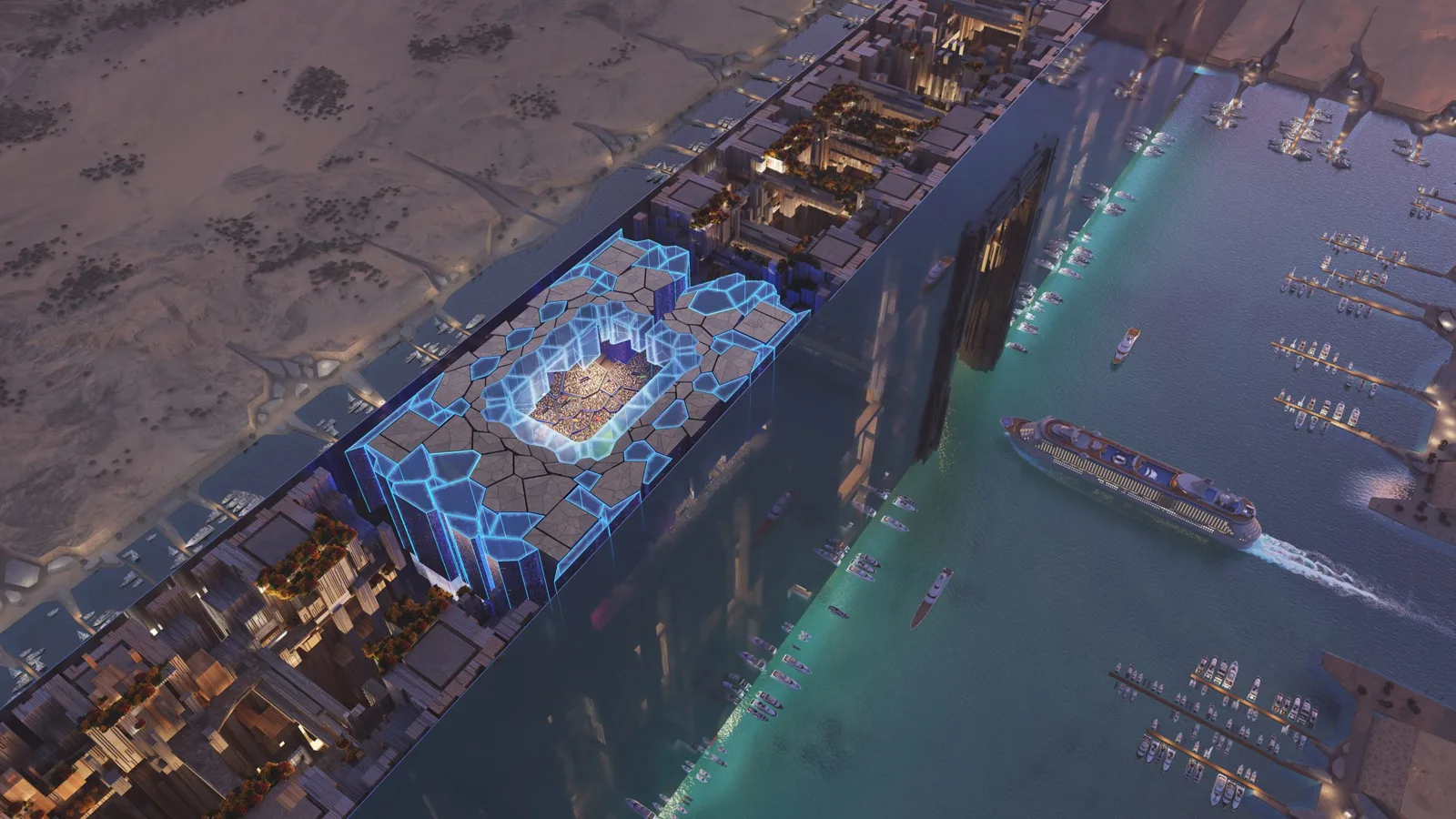
Neom Stadium, the Elevated 2034 World Cup Venue, Reportedly Shelved by Saudi Arabia
Two sources told Reuters that Saudi Arabia has put the 46,000 seat...
 illustrarch Editoral Team2 Mins read

Danish Architecture Center Marks Jan Gehl’s 90th Birthday with Cities for People Exhibition
DAC in Copenhagen celebrates Jan Gehl's 90th birthday with Cities for People,...
illustrarch Editoral Team2 Mins read
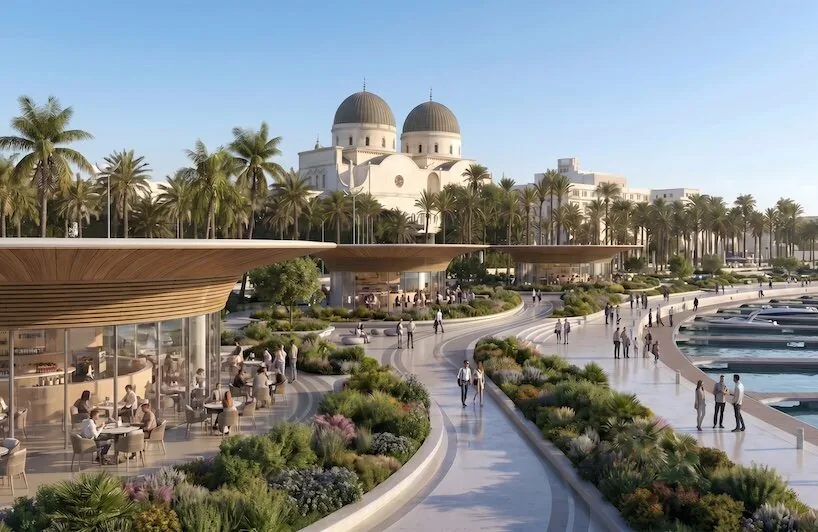
ZHA-Led Consortium Presents Benghazi 2050 City Planning Framework
A seven-firm consortium including ZHA presented a spatial plan and digital twin...
illustrarch Editoral Team2 Mins read

Ahmedabad Civic Body Plans 3D Digital Twin of Entire City
AMC plans a 625 sq km GIS survey giving 25 lakh properties...
illustrarch Editoral Team2 Mins read


Leave a comment