

Recycled Asphalt in Urban Design: Rethinking Roads as Architectural Infrastructure
Recycled asphalt is reshaping how cities think about roads, infrastructure, and material responsibility. More than a technical solution, it reframes streets as architectural surfaces where sustainability, durability, and urban culture intersect. By turning waste into long-lasting ground planes, recycled asphalt reveals how design intelligence can operate at the scale of the city.
 Sinan Ozen23 January 20264 Mins read159

Table of Contents Show
Cities are often understood through their skylines, their public buildings, and the spaces that invite people to gather. Yet the most extensive architectural surface in any city is rarely celebrated: the road. Streets, highways, and pavements form the continuous ground plane upon which urban life unfolds, carrying not only vehicles but also social, economic, and cultural movement. In recent decades, as architectural discourse has shifted toward sustainability, resilience, and material responsibility, this ground plane has quietly become a site of profound transformation. Recycled asphalt, once considered a compromise or a technical afterthought, now sits at the intersection of environmental ethics, infrastructural intelligence, and contemporary urban design.
The reuse of asphalt challenges long-standing assumptions about permanence, value, and waste in the built environment. Rather than viewing roads as disposable layers endlessly stripped and replaced, recycled asphalt reframes infrastructure as a material cycle, one that can be reprocessed, strengthened, and reintegrated into the city with minimal loss. This shift mirrors broader architectural questions about adaptive reuse, circular economies, and the role of design in managing finite resources. In this context, recycled asphalt is not merely a technical solution; it is a cultural statement about how cities choose to build, repair, and imagine their futures.

Roads as the Hidden Architecture of the City
Roads are among the most influential yet overlooked architectural elements of urban life. They dictate movement patterns, shape neighborhoods, influence environmental performance, and silently choreograph daily routines. Despite this central role, road construction has historically been treated as a purely engineering-driven process, disconnected from architectural thinking. Recycled asphalt disrupts this separation by introducing questions of material memory, longevity, and spatial continuity into infrastructural design. When existing asphalt is milled, processed, and reincorporated into new road surfaces, the city literally builds upon itself, preserving embedded histories while improving performance. This approach aligns infrastructure with architectural values, continuity, contextual response, and material intelligence, transforming roads from expendable surfaces into designed urban artifacts.

Material Cycles and the Logic of Urban Sustainability
At its core, recycled asphalt embodies the principles of circular design increasingly embraced across architecture and urbanism. Traditional road construction relies heavily on virgin aggregates and energy-intensive production processes, contributing significantly to carbon emissions and resource depletion. By contrast, recycled asphalt reuses existing material, reducing the demand for new extraction while lowering transportation and production energy. This material loop reflects a broader shift in design culture, where sustainability is no longer an aesthetic label but a structural logic embedded in construction systems. For architects and urban designers, recycled asphalt offers a tangible example of how large-scale infrastructure can operate within ecological limits while maintaining, and often improving, technical performance. It demonstrates that sustainability at the urban scale is achieved not through symbolic gestures, but through disciplined material strategies.
Performance, Durability, and the Myth of Compromise
One of the persistent misconceptions surrounding recycled materials in construction is the assumption of reduced quality. In the case of asphalt, this belief has been systematically challenged by research and real-world application. Recycled asphalt pavement, when properly designed and engineered, can match or exceed the durability and strength of conventional mixes. The aging of bitumen within reclaimed asphalt can actually enhance stiffness, while modern additives and precise mix designs allow engineers to fine-tune performance characteristics. For urban designers, this dismantling of the “compromise” narrative is crucial. It reinforces the idea that responsible material choices do not require sacrificing longevity or safety. Instead, recycled asphalt demonstrates how technical innovation can align performance with environmental responsibility, strengthening both the physical and ethical foundations of urban infrastructure.

Urban Identity, Repair, and the Aesthetics of Maintenance
Cities are never finished objects; they are continuously repaired, resurfaced, and renegotiated. Recycled asphalt introduces a new architectural reading of maintenance as an act of design rather than mere upkeep. The visible and invisible processes of recycling roads contribute to a city’s identity, signaling values of care, efficiency, and continuity. In contrast to demolition-driven urban renewal, this approach emphasizes incremental improvement, an architecture of repair rather than replacement. For contemporary urban culture, this shift carries symbolic weight. It suggests that progress is not always expressed through newness, but through intelligent stewardship of what already exists. Roads built with recycled asphalt become quiet markers of a city’s commitment to long-term thinking, embedding sustainability into the everyday experience of movement.
Infrastructure as a Design Discipline
The growing adoption of recycled asphalt invites architects to engage more deeply with infrastructure as a legitimate design domain. Streets are no longer neutral backdrops for buildings; they are spatial systems that shape environmental performance, accessibility, and social equity. By integrating recycled materials into road design, cities create opportunities for interdisciplinary collaboration between architects, urban designers, engineers, and policymakers. This collaboration expands architectural influence beyond isolated objects toward systemic urban strategies. Recycled asphalt thus becomes a gateway material, one that encourages architects to consider infrastructure not as a constraint, but as a canvas for sustainable innovation and spatial coherence at the metropolitan scale.

Conclusion
Recycled asphalt represents more than an efficient response to construction waste; it reflects a broader cultural reorientation in how cities understand material value, time, and responsibility. As urban populations grow and climate pressures intensify, the future of architecture will increasingly depend on how intelligently it engages with infrastructure, the systems that support daily life yet often escape design scrutiny. Roads built from recycled asphalt demonstrate that durability and sustainability are not opposing forces, but complementary goals achievable through thoughtful material strategies.
For architectural practice and education, this shift carries important implications. It calls for a deeper understanding of material lifecycles, a willingness to engage with infrastructural scales, and a recognition that design quality extends beyond buildings into the surfaces that connect them. Recycled asphalt quietly reshapes the urban ground beneath our feet, reminding architects and designers that the most meaningful transformations often occur not at the skyline, but at street level: where material decisions translate directly into environmental impact, urban resilience, and the lived experience of the city.





Concentric Zone Model: Burgess’s Five Rings Explained
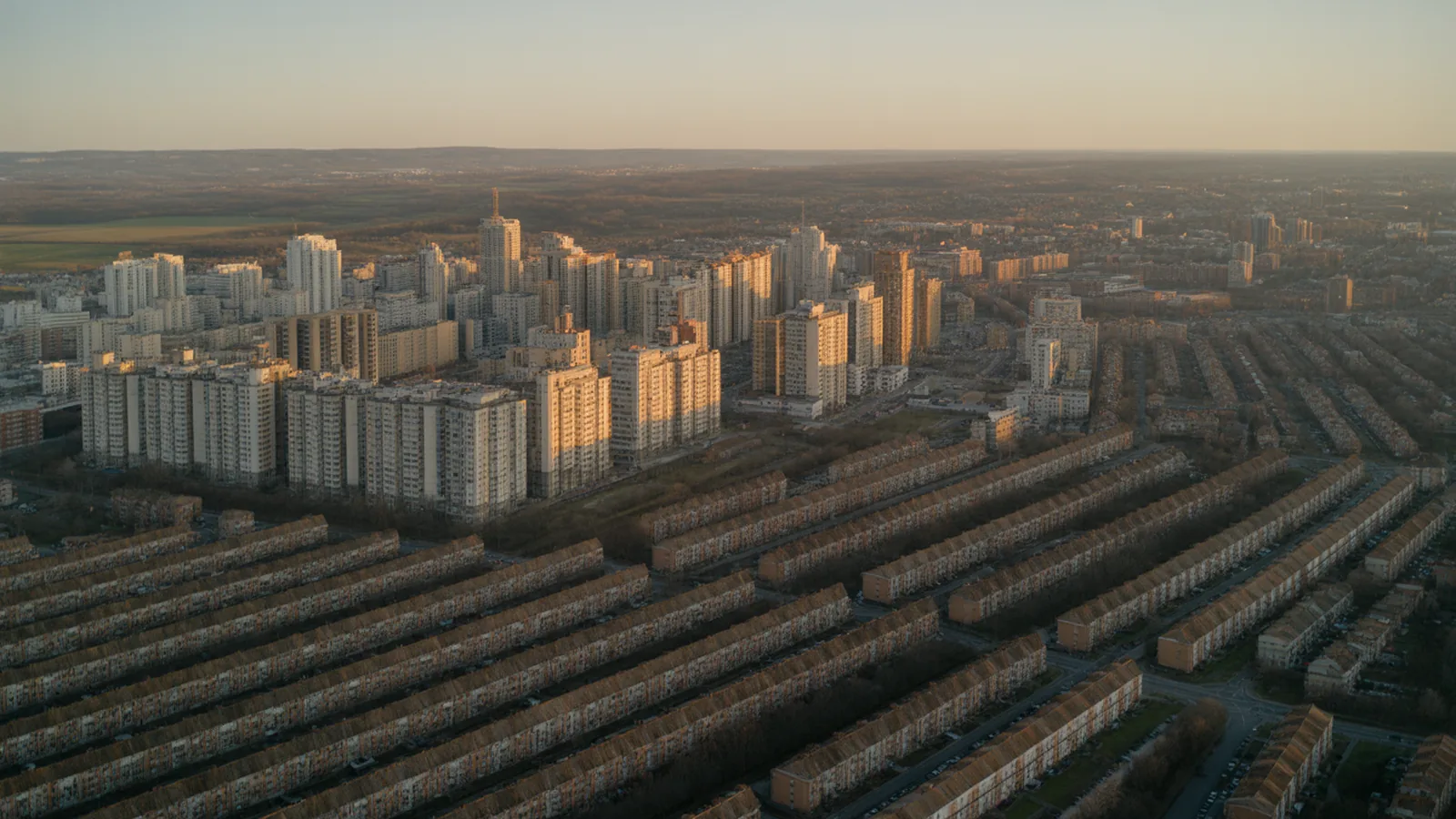
Burgess drew 1925 Chicago as five rings spreading from the business district....
 illustrarch Editoral Team9 Mins read
The Third Place: Oldenburg’s Eight Characteristics Explained
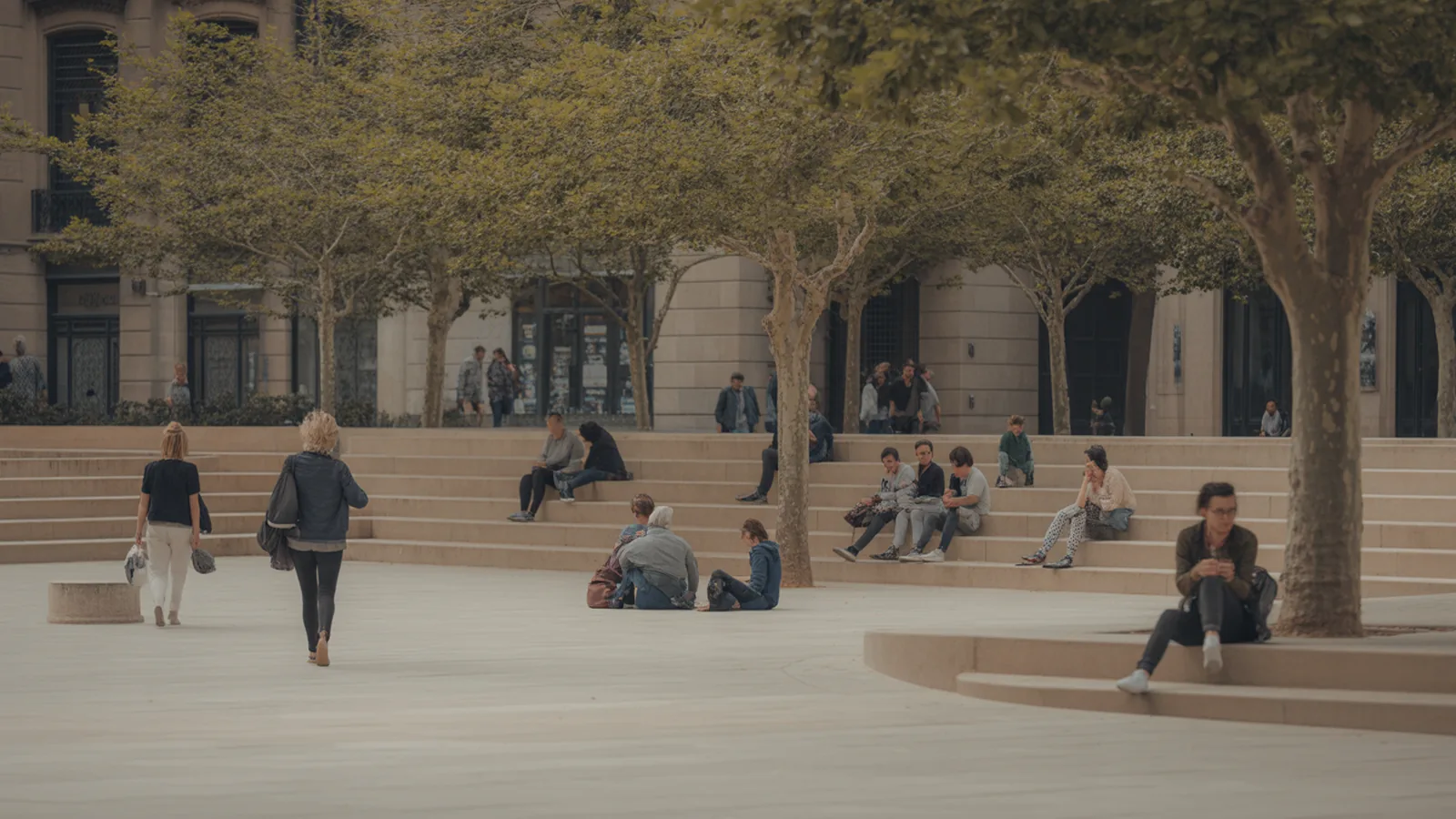
Cafés, pubs, barber shops and libraries do social work that homes and...
illustrarch Editoral Team7 Mins read
andre kong studio and Wayward Turn Old Lampposts into Solar-Powered Waylamps in Barnet
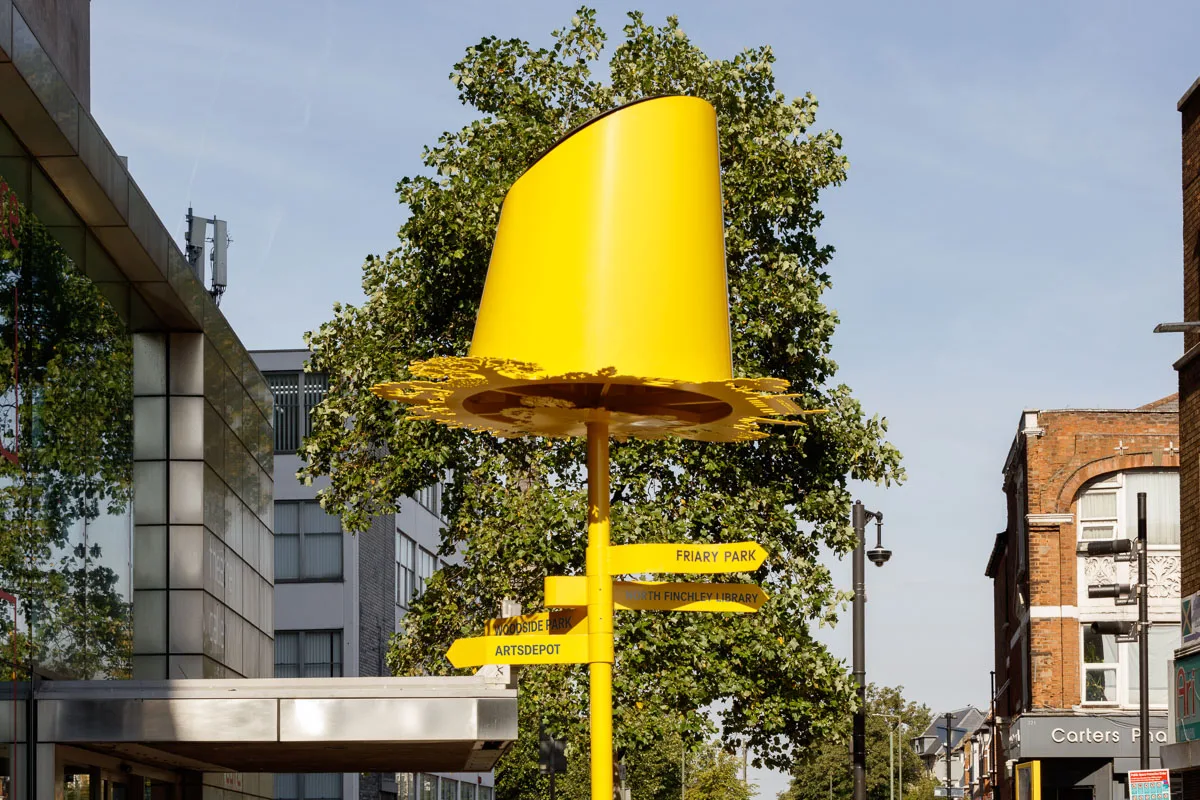
Four Waylamps by andre kong studio and Wayward reuse old lampposts as...
illustrarch Editoral Team1 Mins read

Neom Stadium, the Elevated 2034 World Cup Venue, Reportedly Shelved by Saudi Arabia
Two sources told Reuters that Saudi Arabia has put the 46,000 seat...
illustrarch Editoral Team2 Mins read


Leave a comment