

Inspirational Stories #13: Studio Transit
Studio Transit’s story is a powerful example of how research, collaboration, and visionary thinking can shape architecture with long-lasting cultural and urban impact. From early residential works to major urban transformations and cutting-edge BIM processes, the studio’s multidisciplinary approach continues to inspire young architects and emerging practices worldwide.
 Elif Ayse Sen5 December 20255 Mins read213
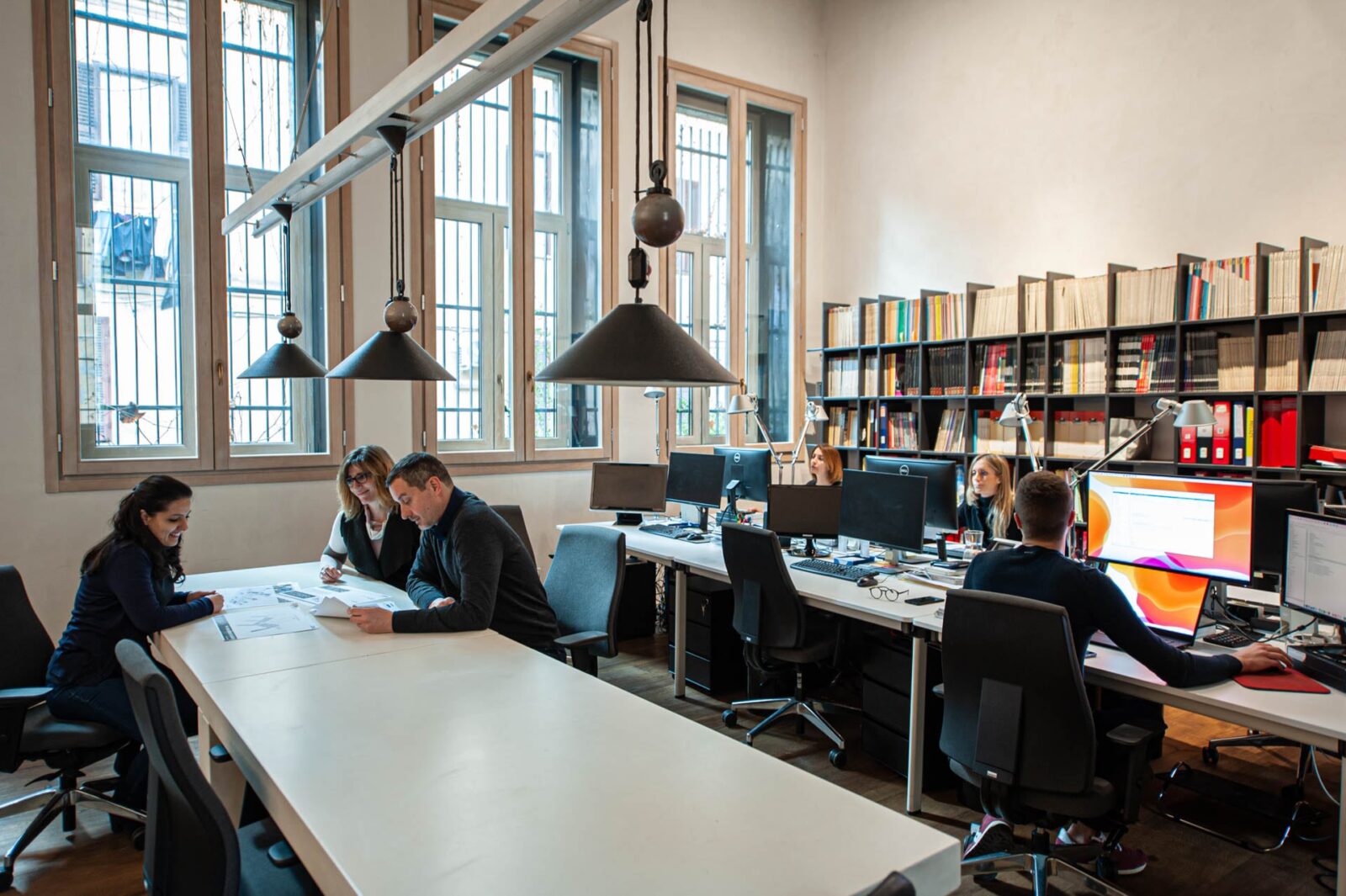
Table of Contents Show
In 13th edition of our Inspirational Stories series, we are honored to feature Studio Transit, a practice whose remarkable journey offers powerful inspiration for young architects, architecture students and emerging studios. From their base in Rome, Studio Transit has grown into a multigenerational, multidisciplinary team known for blending research, innovation, and technical excellence with a deep commitment to creating sustainable, smart, and connected architecture.
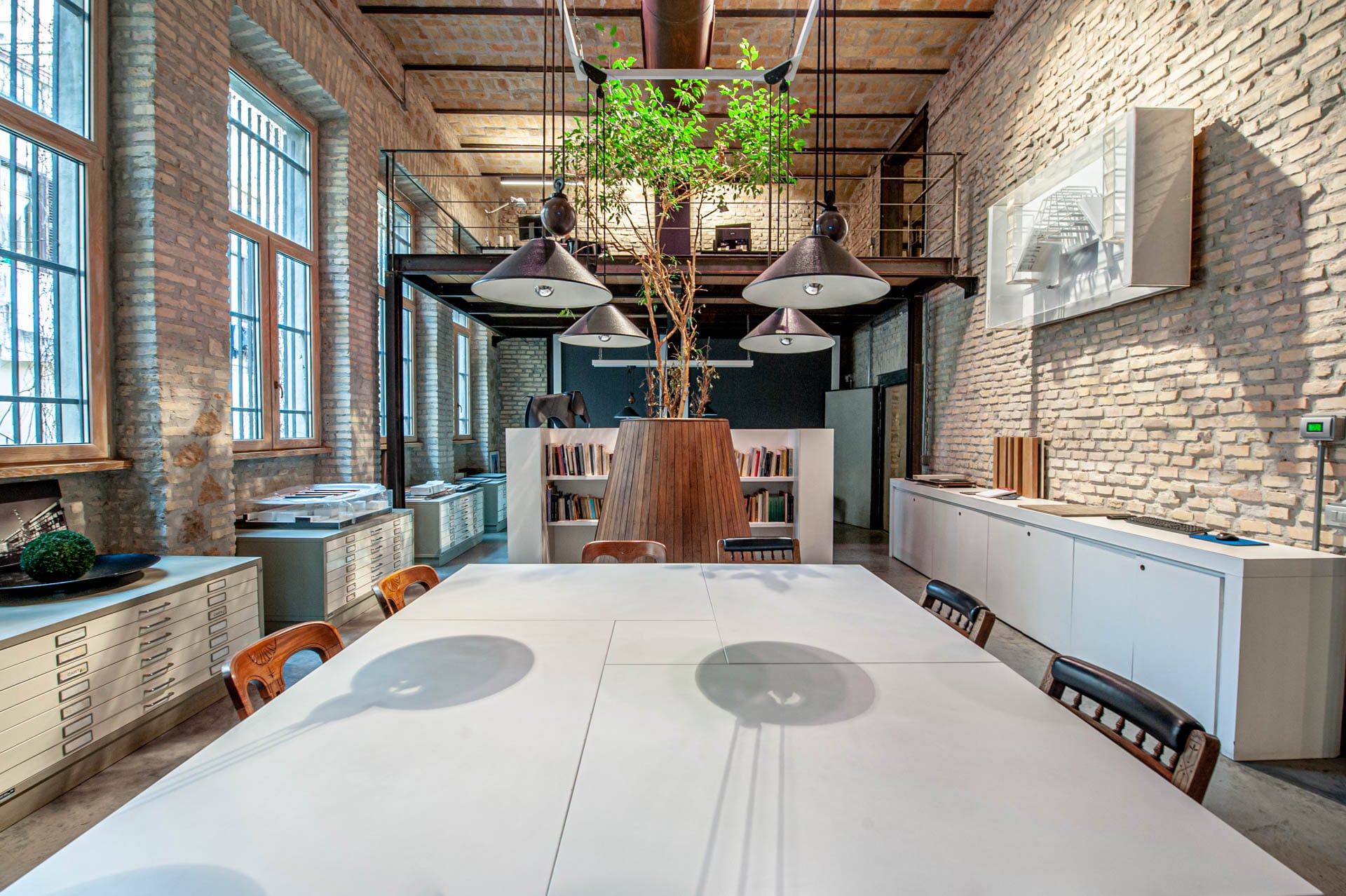
What makes their story truly motivating is the studio’s ability to turn curiosity into method, and method into impact. Supported by TransitLab, their vibrant research hub, Studio Transit continuously challenges conventions, explores new cultural and technological perspectives, and pushes projects to their highest potential through disciplined collaboration and advanced BIM-driven processes. Their path shows how a clear vision, rigorous inquiry, and passionate teamwork can shape architecture that is not only intelligent and future-oriented but also meaningful for the communities it serves. We extend our sincere thanks to Studio Transit for sharing their journey with us through our questions below, and you can also follow them on Instagram @studio_transit for more insights and updates.
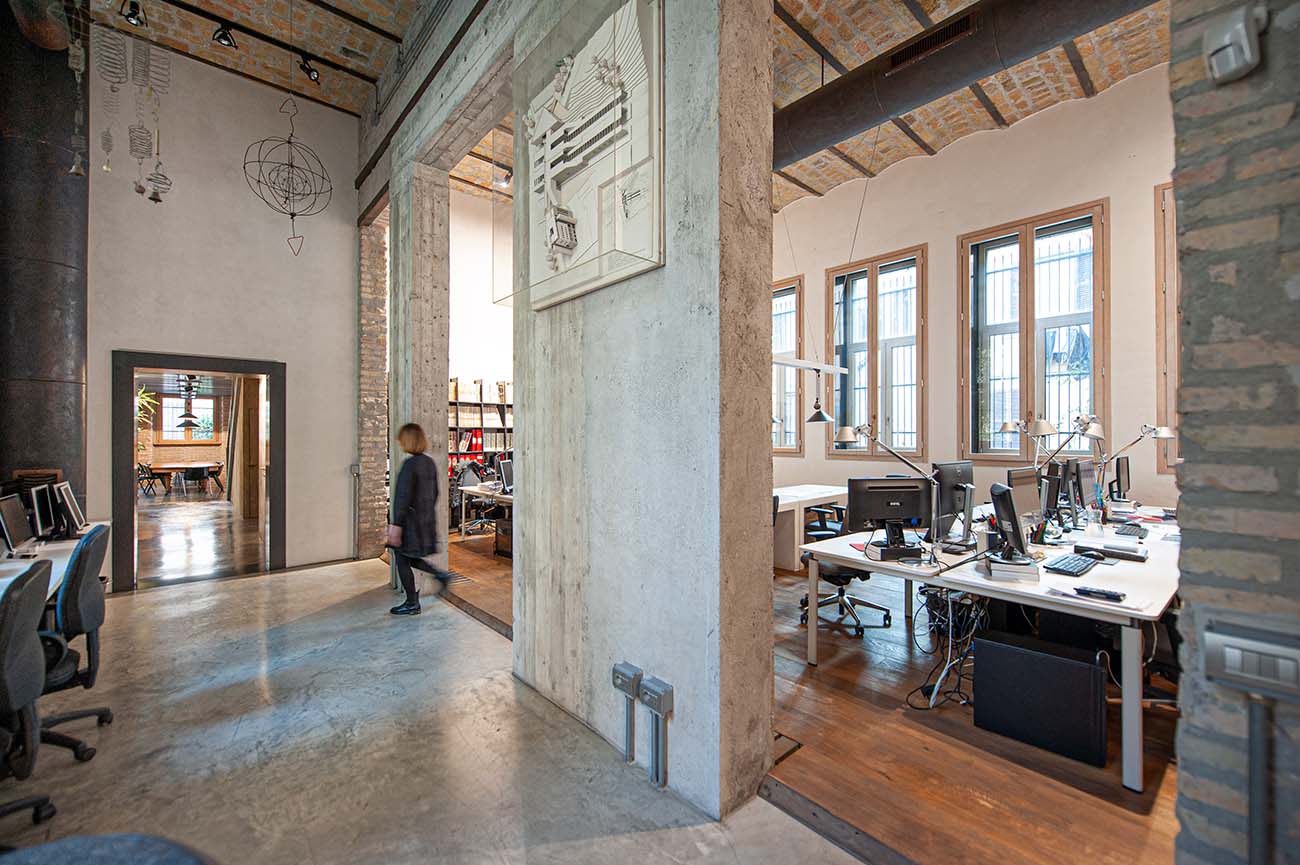
Studio Transit has evolved since 1972 across diverse fields. How would you describe your journey, and what key milestones have shaped your identity as a multidisciplinary practice?
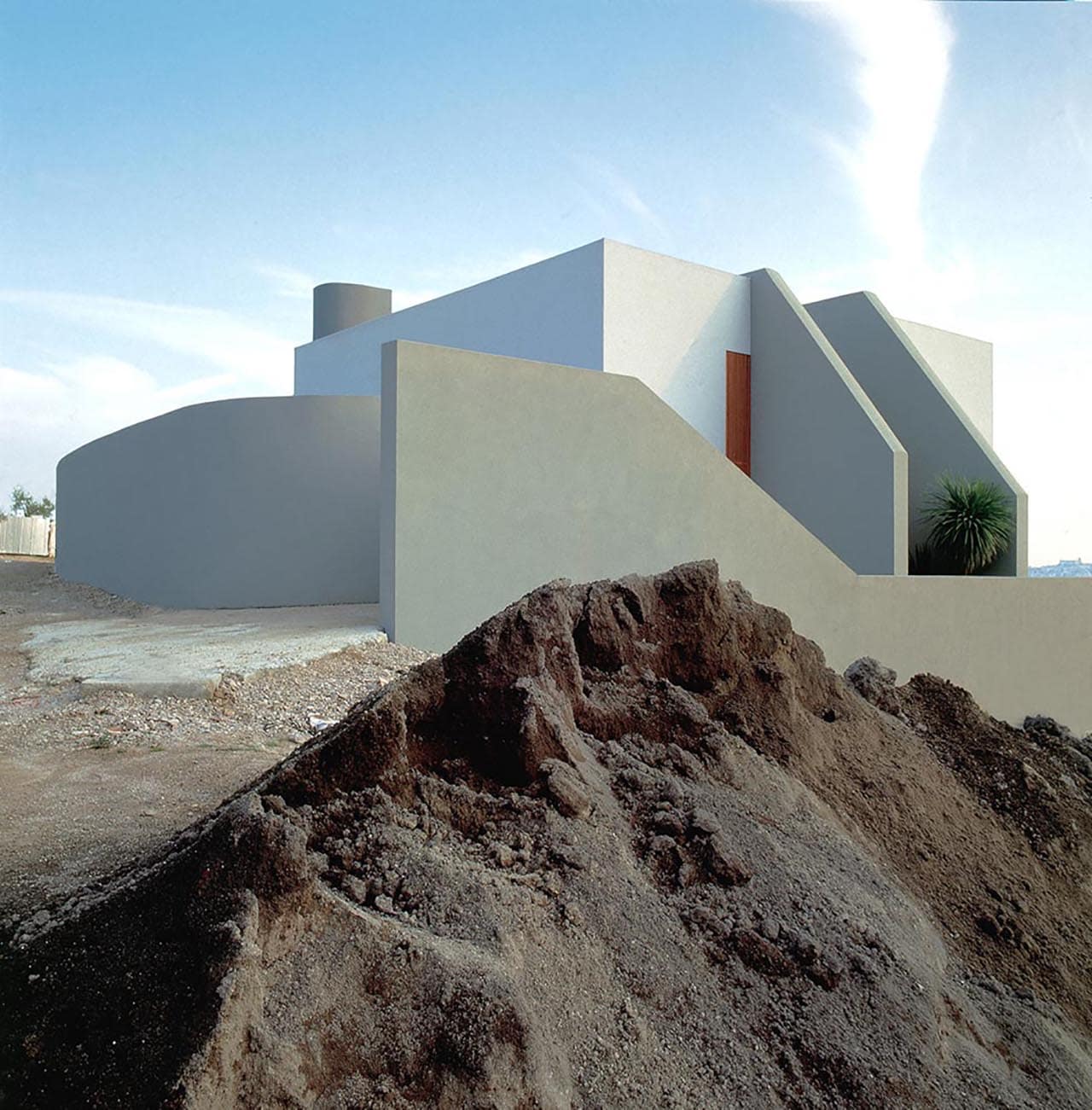
In the early 1970s, Studio Transit began its journey in the field of interior design and single-family houses, such as the iconic Villa in Formia. Over the following decade, the combined expertise of our four founding partners led to the important commission of redesigning several Rome Metro stations, the first of many works that would help redefine the city’s urban landscape.
This was followed by a growing number of large-scale office projects. By the early 2000s, our firm undertook the design of an entire business district, Europarco, featuring landmark buildings including the tallest skyscraper in the capital. Another key turning point that brought Studio Transit wider recognition was the project of the Angelini Headquarters, widely published in architectural journals.
Alongside the extensive work in the corporate sector, our studio has continued to pursue innovative residential design, with groundbreaking projects such as Casal Bertone, one of Rome’s first eco-sustainable housing developments, and Monti della Breccia, which helped transform the face of the city’s suburbs. Our firm’s wide portfolio also includes hotel design and retail complexes, as well as international competition entries ranging from museums and exhibition pavilions to educational facilities, a testament to the breadth and versatility of Studio Transit’s architectural vision.
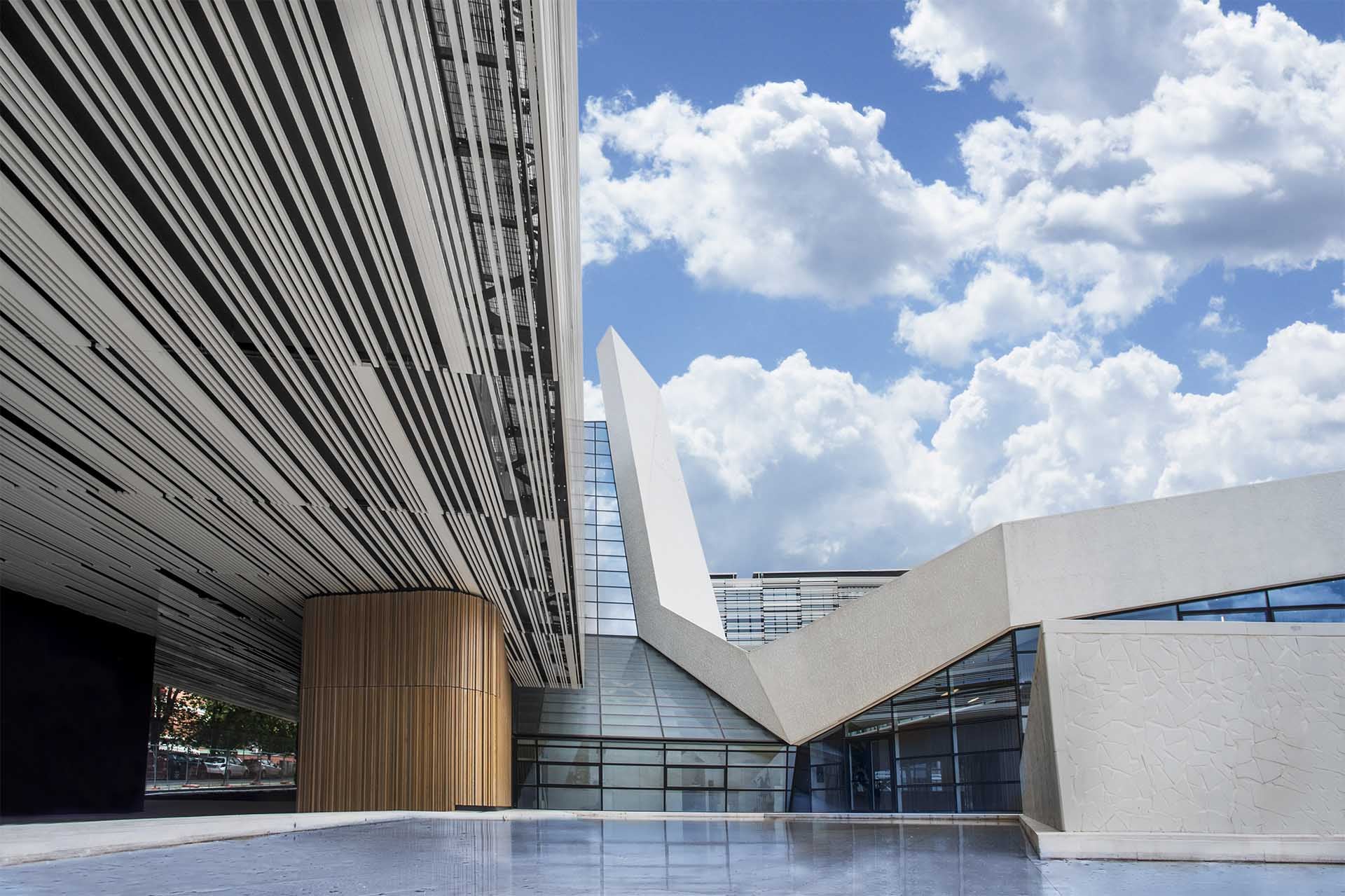
Can you take us back to the initial vision behind founding Studio Transit? How have the core values of the studio guided your work across generations?
Reflecting on the Rome Metro stations project, art historian Giulio Carlo Argan once wrote: “Ascarelli, Macciocchi, Nicolao and Parisio based their design for Line B on what they call transit design: a design conceived for users in a particular psychological condition, that of those in motion, who, while moving from one point to another, never experience the sensation of crossing a threshold.”
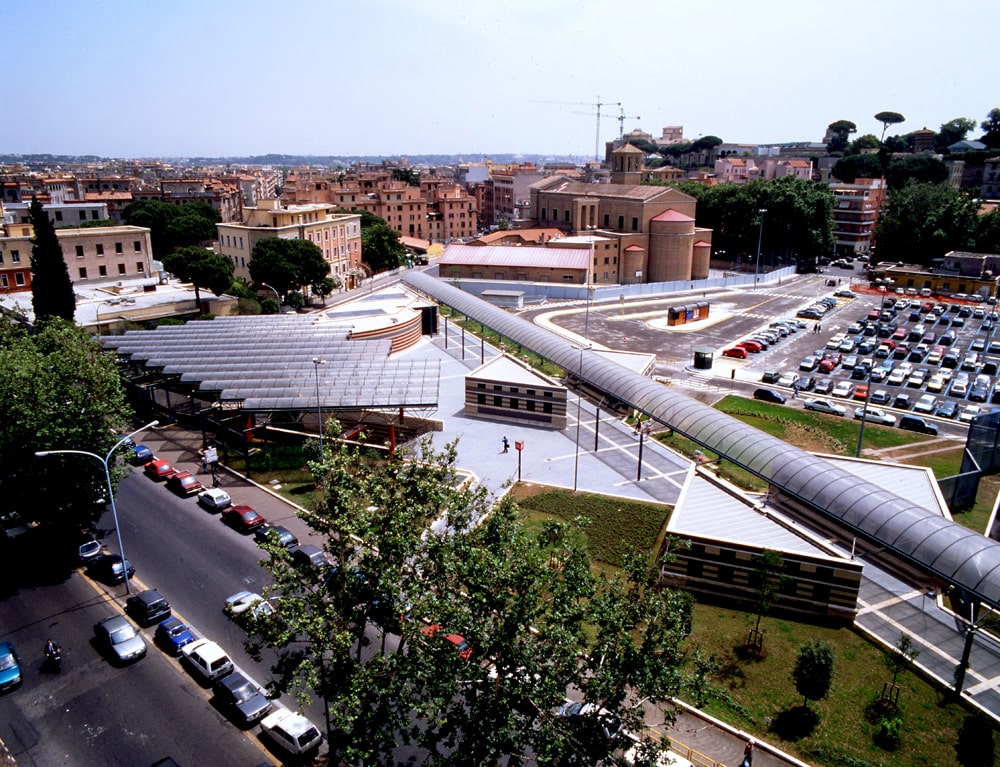
This notion of continuity, between interior and exterior, movement and stillness, lies at the core of Studio Transit’s architectural language. Our works are never conceived as autonomous objects, but as integral components of the urban fabric, spaces that foster dialogue between the built environment and the public realm.
Over the years, this approach has become a hallmark of the studio’s work: the ability to operate within the dynamics of urban transformation and regeneration, creating architecture that enhances collective experience while reshaping the city’s identity.
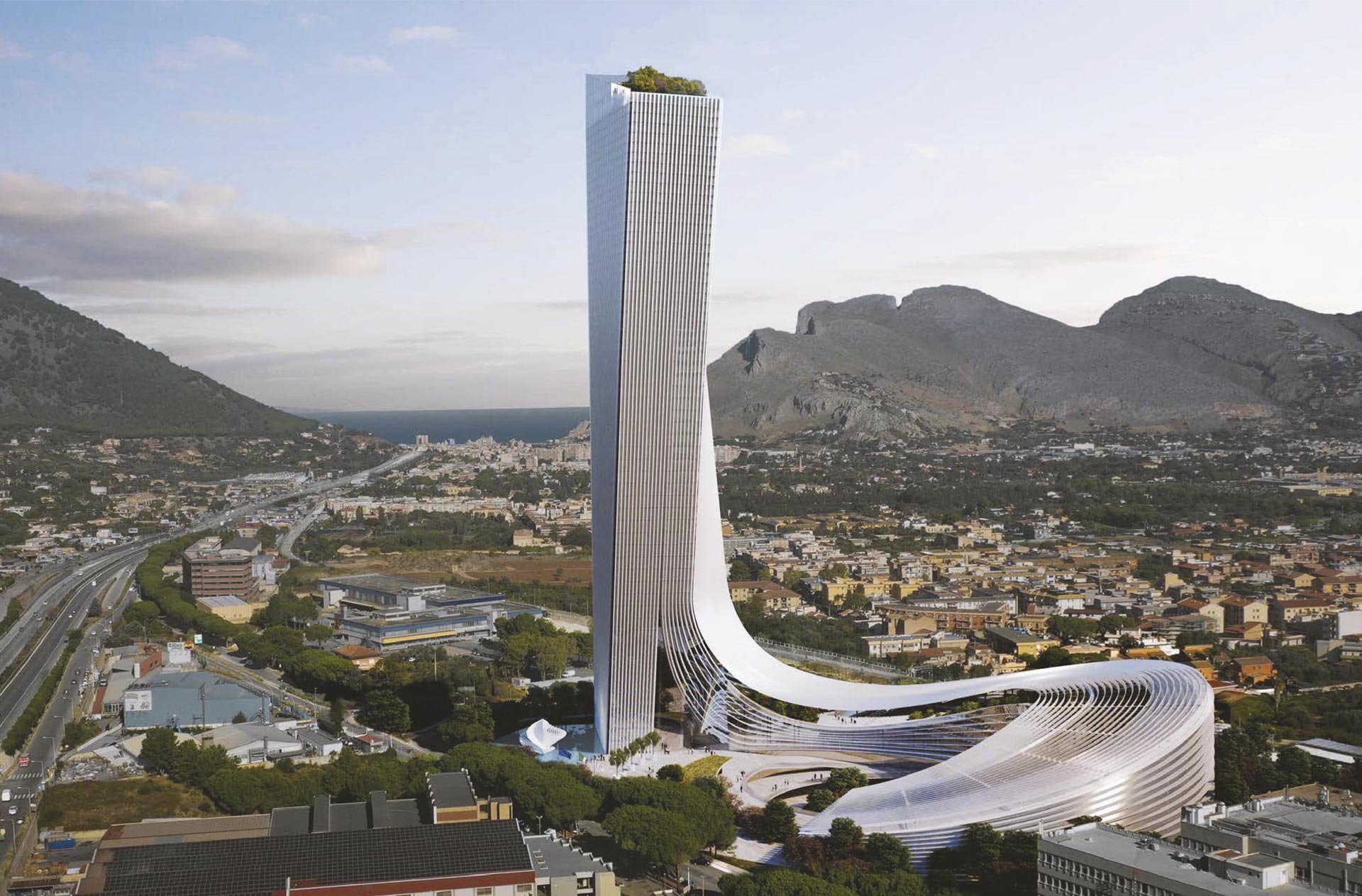
Your team brings together architects, urbanists, and engineers. How does this multidisciplinary collaboration influence your design approach across different project types and scales?
Our practice develops projects across a wide range of sectors and scales, from the very first conceptual stages to detailed design and on-site supervision. This full-spectrum approach makes multidisciplinary collaboration essential. Within the studio, architects, urban designers, and engineers work side by side, each contributing specific expertise that complements and enriches the others.
Although we regularly work with external specialists, having a diverse team in-house allows us to manage complex, integrated projects more effectively – particularly those of large scale, where coordination and shared vision are key to achieving coherence and quality throughout the design process.
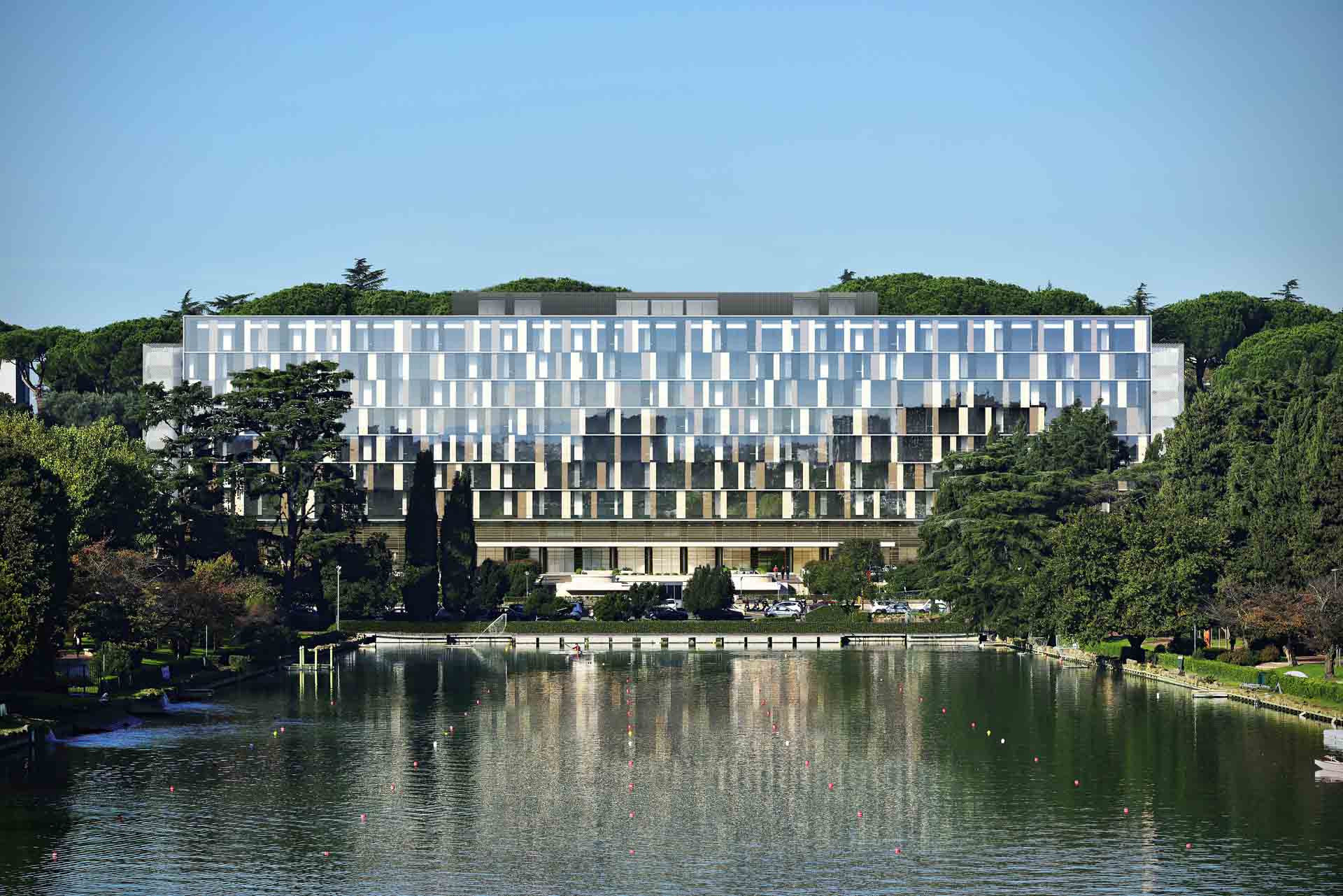
Are there defining projects or moments in your history that have helped shape Studio Transit’s philosophy or approach to architecture and urbanism?
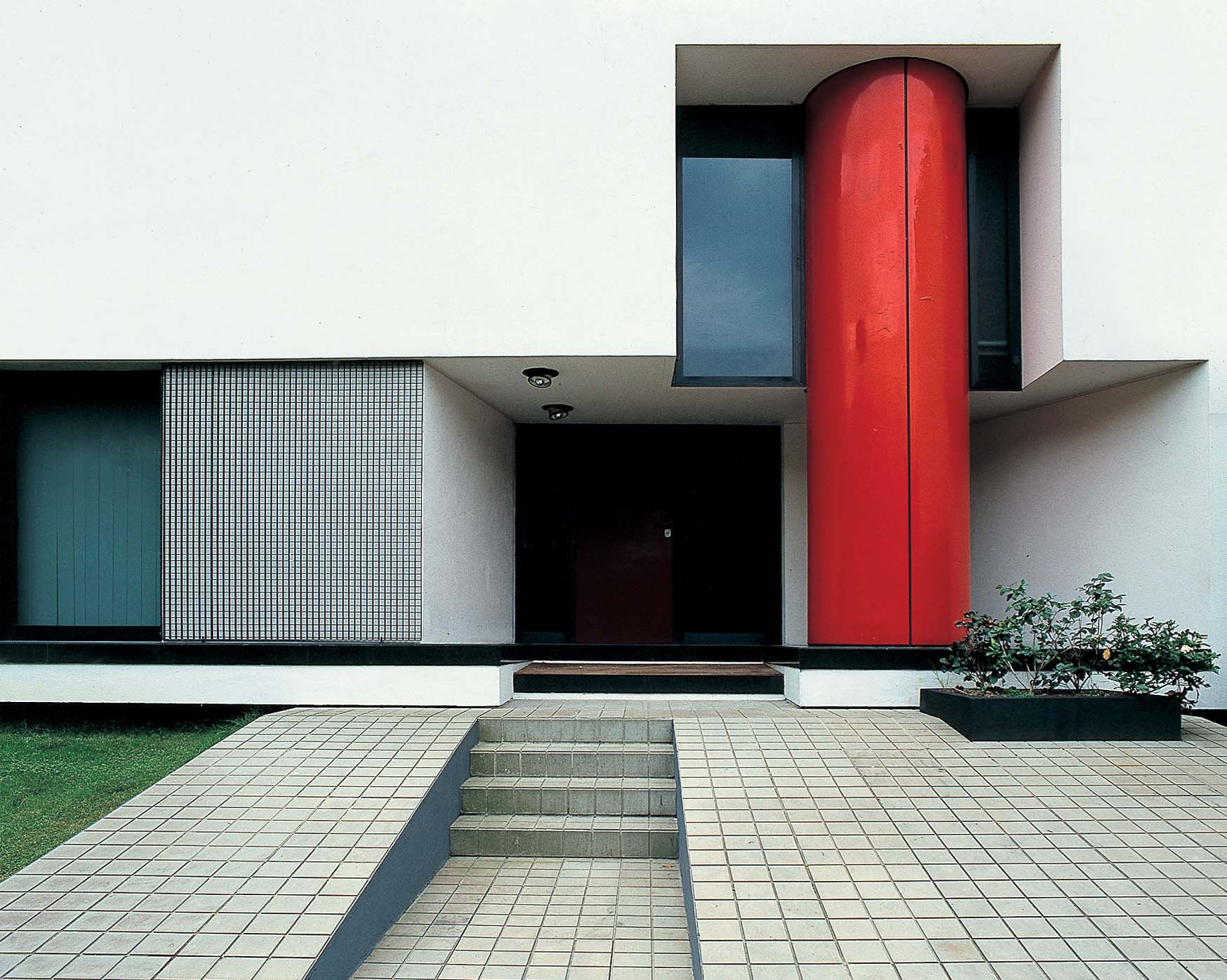
The first project that truly marked our entry into the world of architecture was the villa in Casal Palocco, built in 1974. It soon became an icon, not only for its numerous publications but also for being used as a set in well-known television productions. Another project that brought us into the spotlight, this time on an international scale, was the exhibition “L’economia italiana tra le due guerre” staged at the Colosseum in 1984. For this exhibition, the first ever held inside the monument, a full-scale section of the amphitheater was reconstructed, receiving widespread attention in architectural magazines and journals.
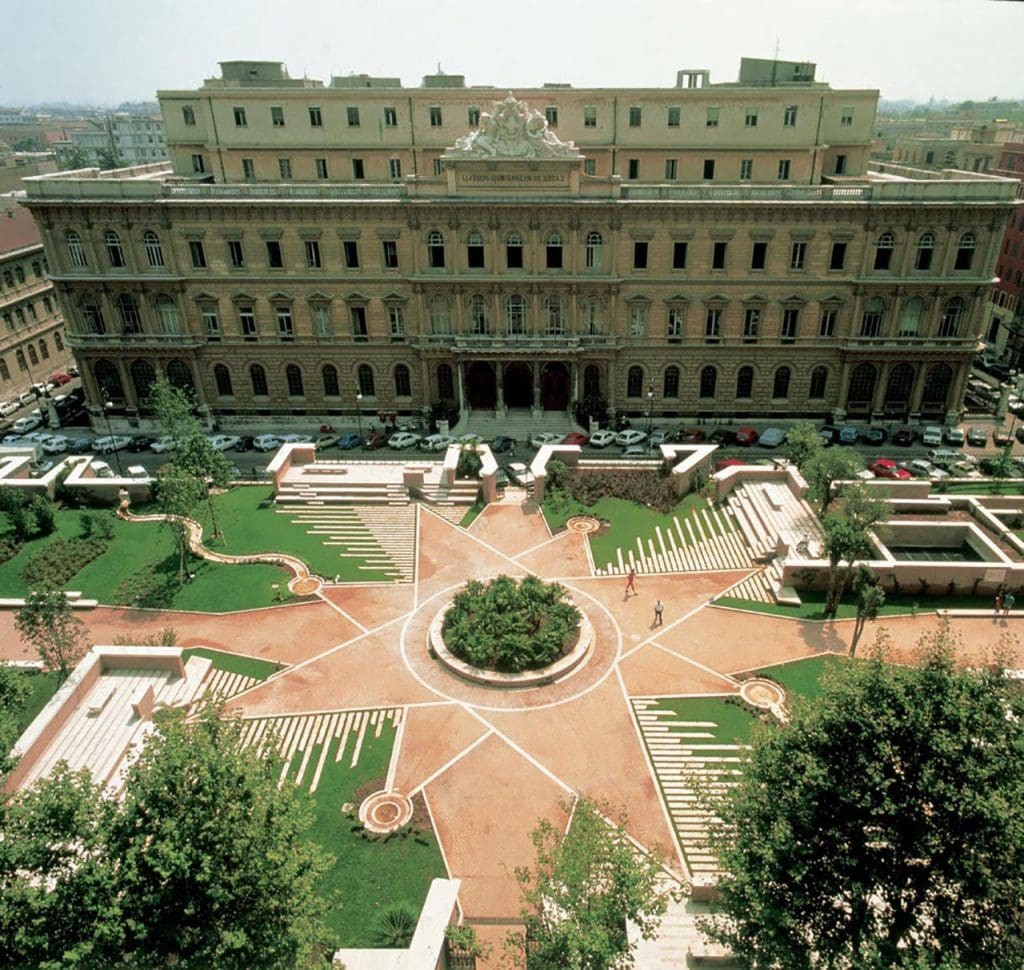
A major turning point came in 2006 when our project was awarded first place in the competition for the Angelini Headquarters, a rare example of urban regeneration that brought a strong sense of modernity to the surrounding district and helped define the studio’s identity and stylistic signature during that period. Also in the 2000s, Studio Transit reshaped the urban landscape of an entire section of the city through the development of the Europarco business district, which includes Torre Europarco, the Ministry of Health, the Eni Headquarters, and other buildings all bearing the signature of Studio Transit.
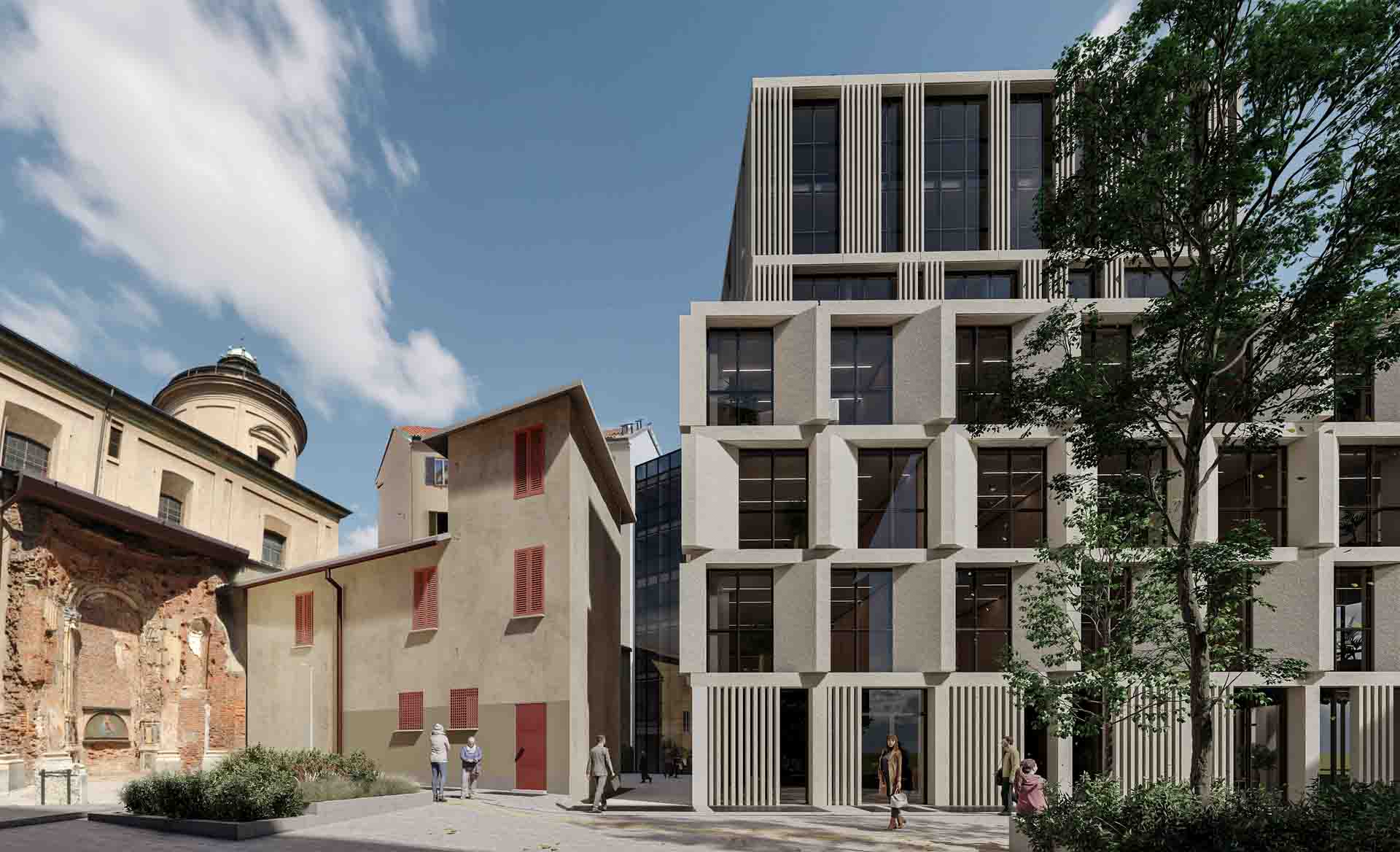
Last but not least, we are currently constructing our first building in Milan, right in the heart of the city centre: the new headquarters of the Chamber of Commerce. For us, this project represents the beginning of a new chapter, in which we aim not only to extend our architectural and urban contributions to other Italian cities, but also to broaden our presence and influence within the wider European architectural scene.
Looking ahead, how do you imagine the future of architecture and urban design? With evolving technologies, environmental concerns, and changing cultural contexts, how do you see Studio Transit continuing to create meaningful and impactful spaces?
Looking ahead, we see a future where designers and engineers will work with increasingly powerful tools, such as AI, enabling greater efficiency and speed in many aspects of the design process. Tasks that can be delegated to technology will free up more time for human creativity, allowing us to focus on the conceptual, imaginative and visionary dimensions of architecture.
At Studio Transit, we aim to continue creating adaptive and inclusive spaces that are sustainable both environmentally and socially. This means designing buildings and urban environments that can evolve with the changing needs of communities, accommodate diverse users, foster social interaction, and respond thoughtfully to cultural and environmental challenges. In practice, it is about blending flexibility, accessibility, and ecological responsibility to produce architecture that is not only functional and beautiful but also meaningful and resilient over time.
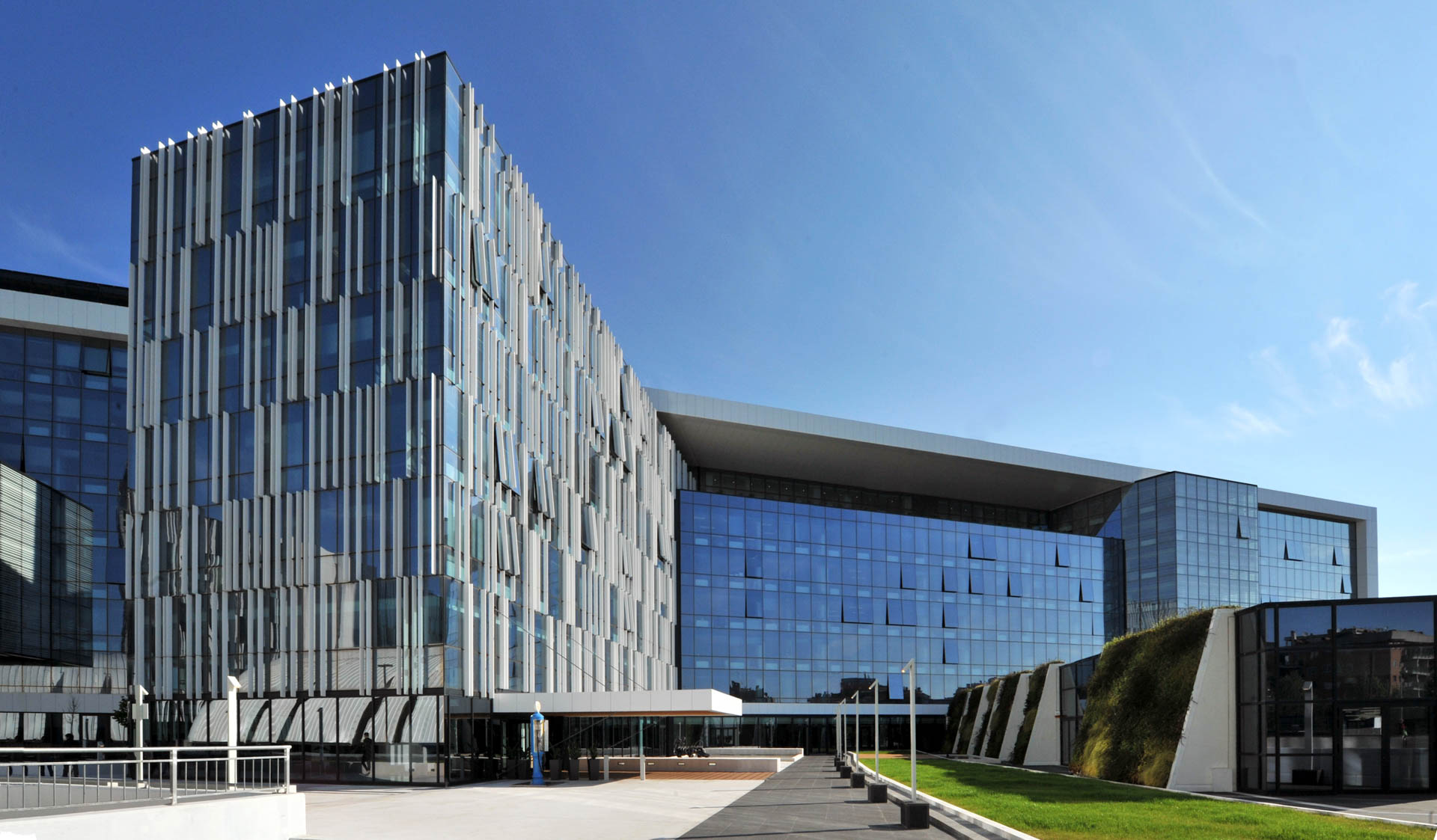
ENI Business Unit Refining and Marketing by Studio Transit, 2019
Studio Transit’s journey illustrates how a studio can evolve with purpose combining curiosity, research, and technical precision to shape architecture that is both forward-looking and deeply rooted in human experience. Their work demonstrates that meaningful design emerges from collaboration, cultural awareness, and a willingness to challenge conventions, offering young architects a compelling example of how passion and rigor can translate into lasting urban impact. As Studio Transit continues to expand its presence across Italy and Europe, their story stands as a reminder that architecture becomes truly influential when it enriches communities, adapts to change, and remains guided by a clear and thoughtful vision.


Inspirational Stories #20: Sanjay Puri Architects
In the 20th edition of our Inspirational Stories series, Sanjay Puri Architects...
Elif Ayse Sen5 Mins read
Inspirational Stories #19: KOOP Architects
In the 19th edition of our Inspirational Stories series, KOOP Architects shares...
Elif Ayse Sen6 Mins read

Inspirational Stories #18: Arch-Exist Photography
In the 18th edition of our Inspirational Stories series, Arch-Exist Photography shares...
Elif Ayse Sen4 Mins read

Inspirational Stories #17: Ambientevario
In the 17th edition of our Inspirational Stories series, Ambientevario shares how...
Elif Ayse Sen6 Mins read


Leave a comment