

Jebel Ali Beach: Dubai’s Future Longest Public Beach
Dubai is transforming Jebel Ali Beach into its longest public beach, introducing new leisure zones, environmental conservation areas and improved access as part of the Dubai 2040 Urban Master Plan. The project combines recreation, sustainability and innovative design to create one of the region’s most advanced coastal destinations.
 Elif Ayse Sen6 December 20253 Mins read406
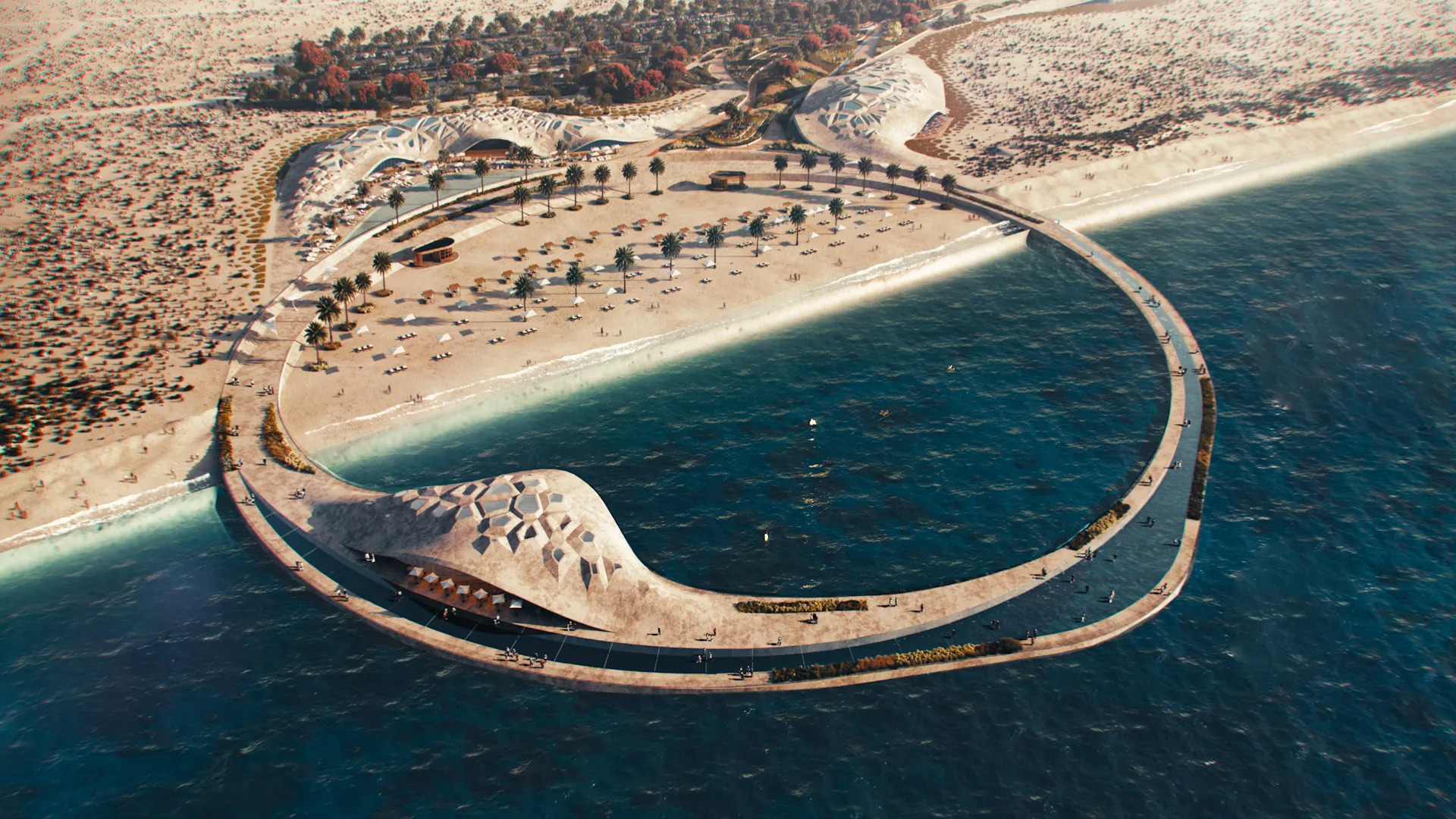
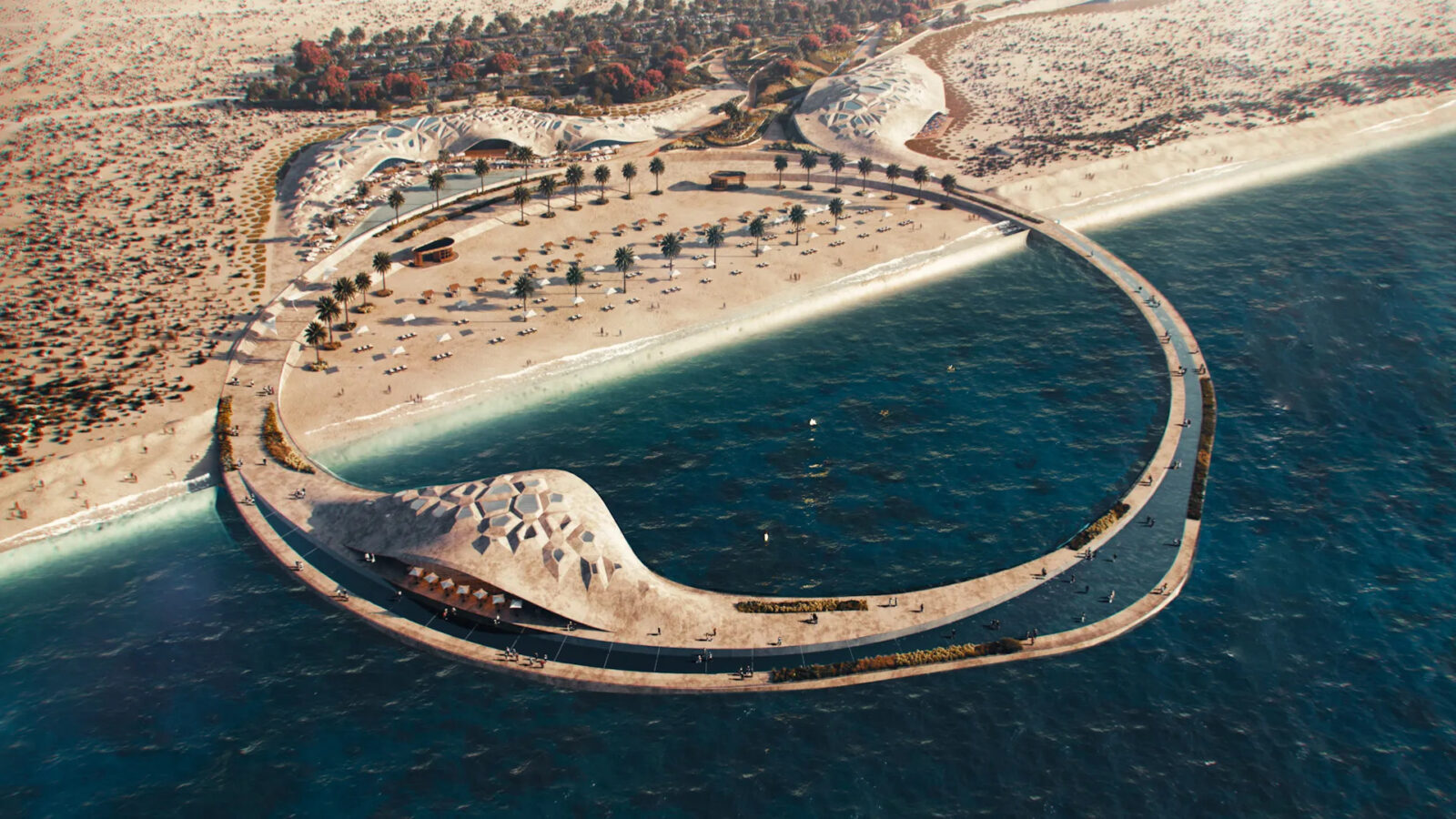
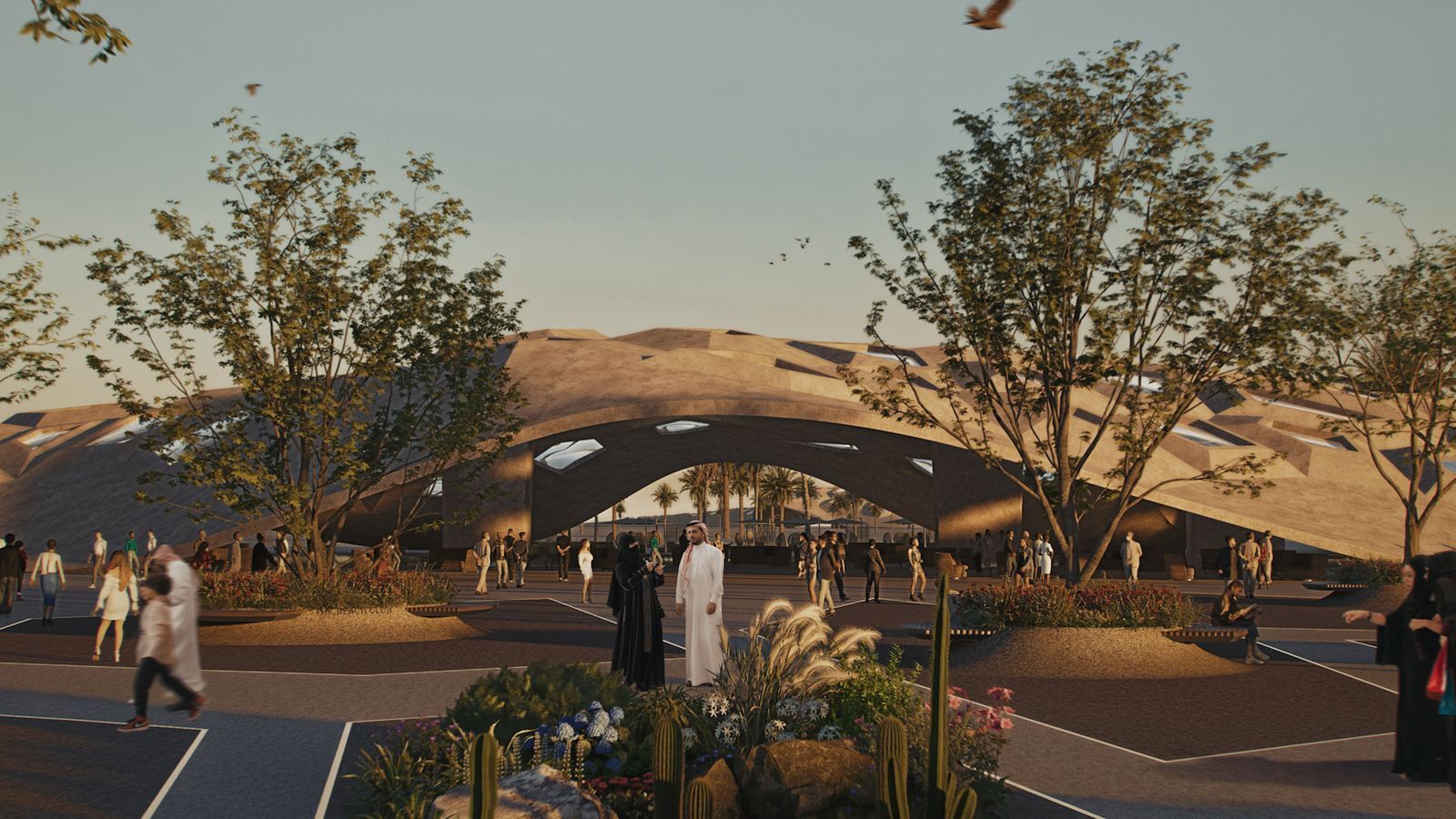
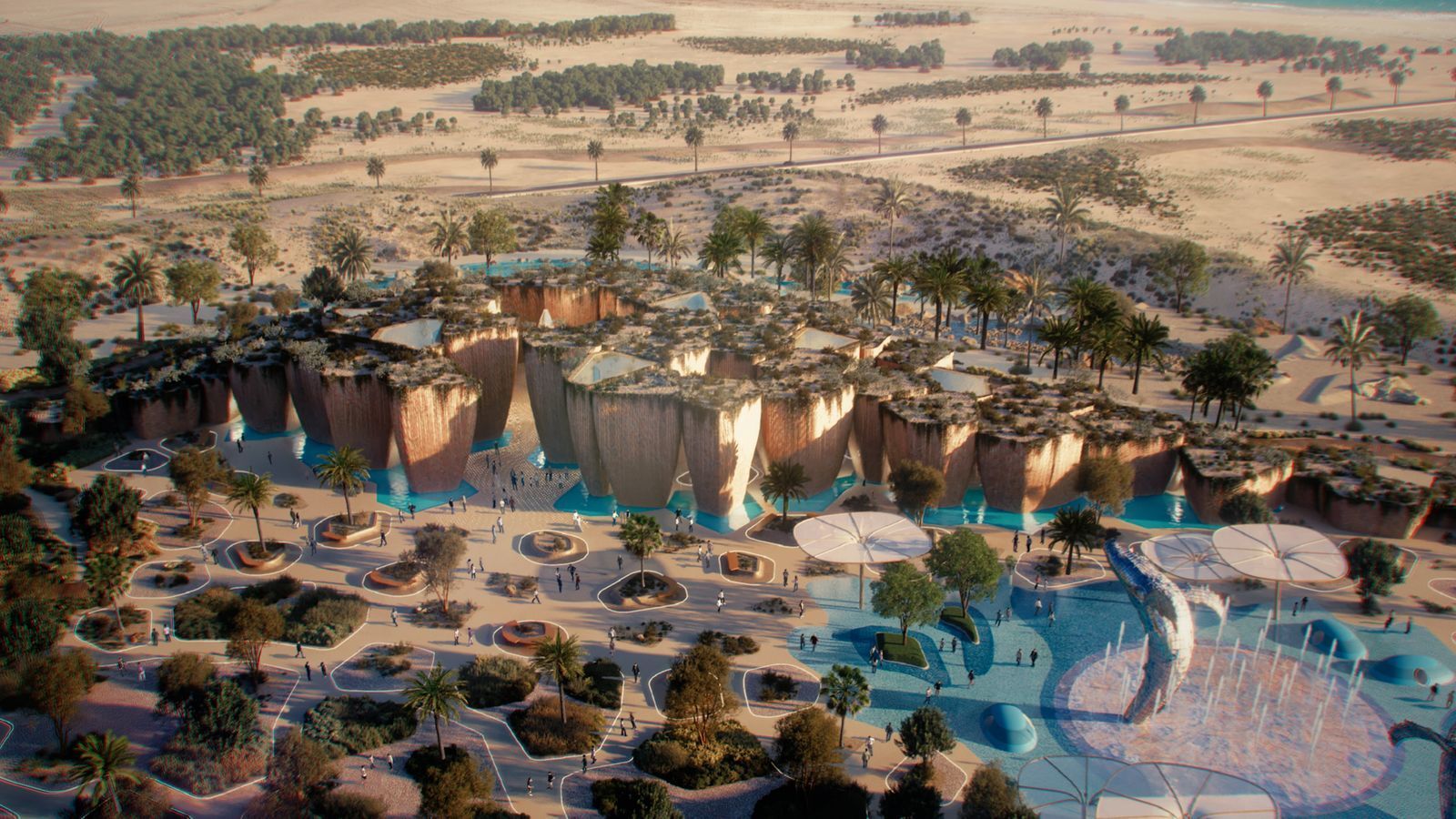
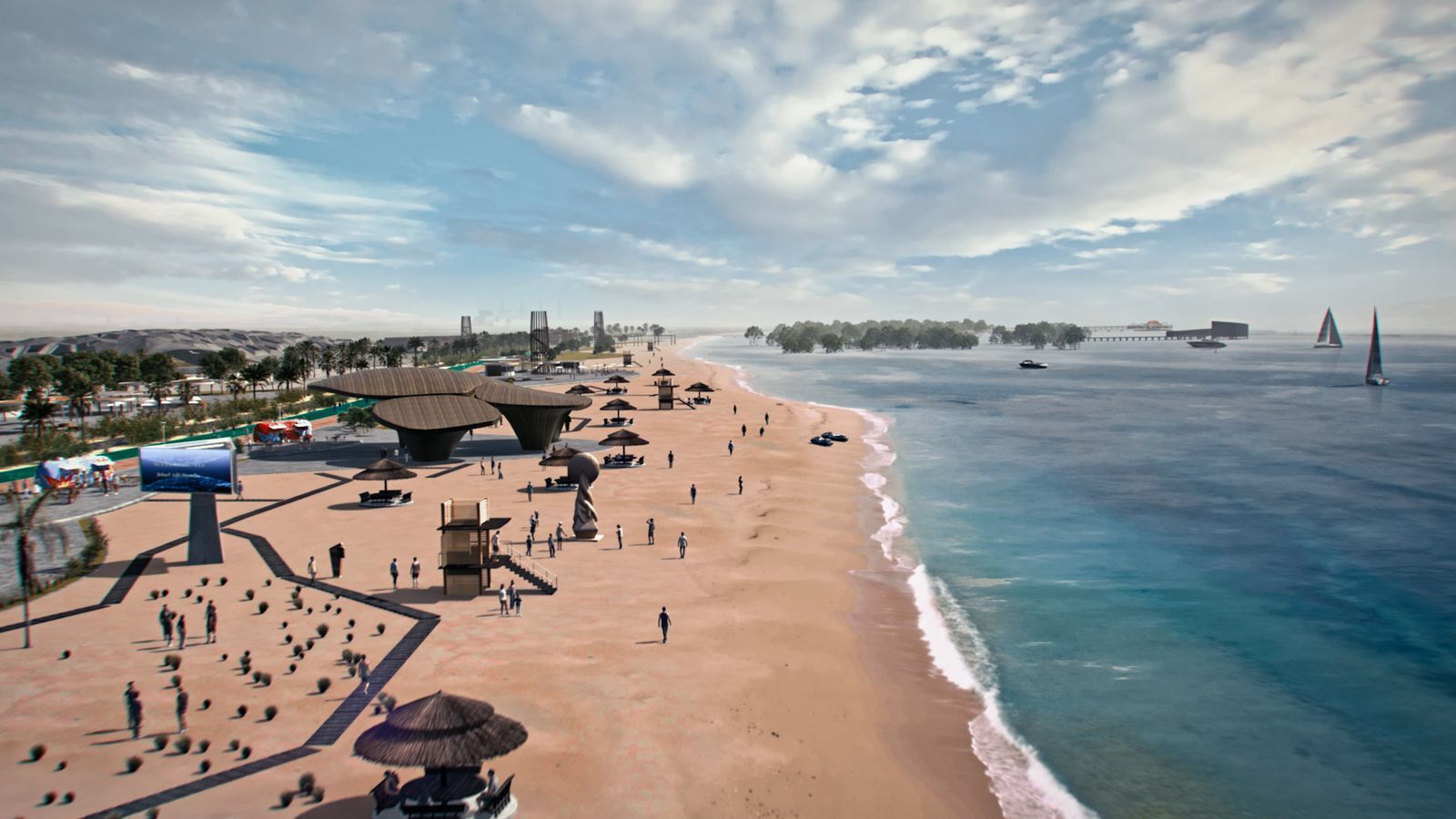
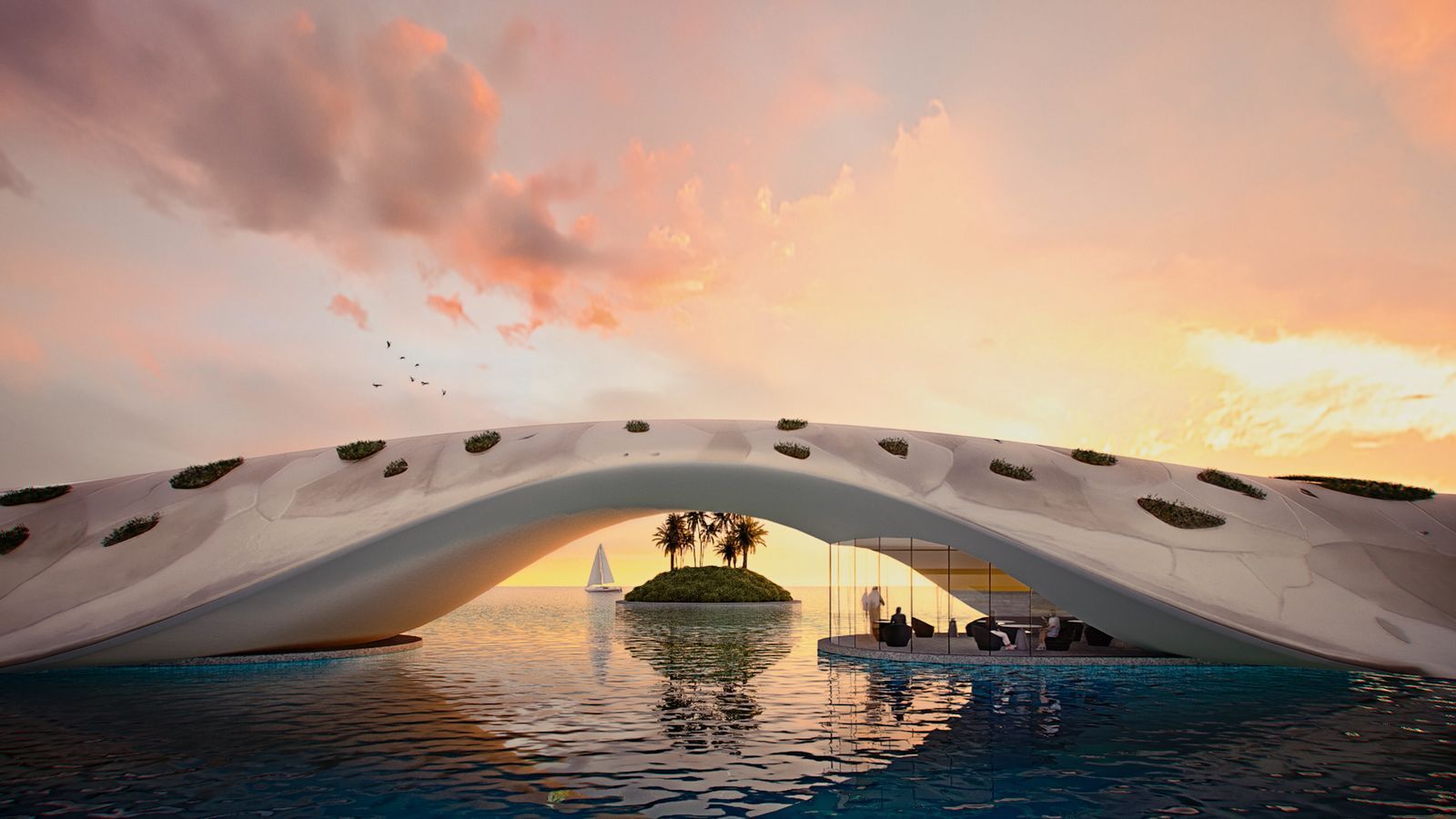
Table of Contents Show
The newly announced Jebel Ali Beach development marks a significant step in Dubai’s ambition to create some of the world’s most advanced and engaging coastal destinations. Designed as part of the Dubai 2040 Urban Master Plan, the project aims to expand public waterfront access, enhance environmental protection, and introduce a wide range of recreational opportunities for residents and visitors.
General Plan for the New Jebel Ali Beach
Jebel Ali Beach already attracts many visitors with its natural white sands, calm waters and peaceful atmosphere. The new project will transform this coastal zone into Dubai’s longest public beach, extending across 6.6 kilometres and covering an area of approximately 330 hectares. It is the first development of its kind in the UAE and will introduce new public facilities, including a 2-kilometre swimming area, a 2.5-kilometre diving zone, viewing platforms, children’s play areas, and a floating restaurant. Because the site lies within the Jebel Ali Wildlife Sanctuary registered under the Ramsar Convention the project will integrate strong sustainability measures to protect the local ecosystem.
Development Teams and Urban Vision
The transformation of Jebel Ali Beach will be led by Nakheel, known for master-planned communities such as Palm Jumeirah, while Dubai Municipality will oversee the 1.6-kilometre mangrove section.
The project forms part of the wider strategy guided by His Highness Sheikh Mohammed bin Rashid Al Maktoum and His Highness Sheikh Hamdan bin Mohammed Al Maktoum, aiming to expand the total length of public beaches in Dubai by 400 per cent. This vision focuses on increasing green areas, improving recreational infrastructure and supporting the wellbeing of the city’s growing population and tourism sector.
Key Zones and Planned Attractions
The newly developed beachfront will be organised into three main zones, each with a distinct purpose and character:
The Pearl
Located near Palm Jebel Ali, The Pearl will serve as the main leisure and hospitality hub. This family-oriented zone will include sports facilities, a swimming pool, beach clubs, retail spaces and a variety of dining options, including cafés and a floating restaurant.
The Sanctuary
This area will focus on conservation efforts. Situated within the protected wildlife zone, it will prioritise the preservation of natural habitats, especially those supporting the local turtle population, while offering outdoor activities that do not disturb wildlife.
The Nest
Positioned within the mangrove beach, The Nest will function as an environmental and educational centre. It will host programmes on biodiversity, marine ecology, and turtle rehabilitation, providing learning opportunities for students, researchers and visitors.
Architecture and Design Approach
According to His Excellency Mattar Al Tayer, Commissioner General for Infrastructure, the architectural language of the project will be inspired by natural geometries observed in marine habitats, such as corals and turtle shells. Buildings and structures will use locally available materials and will blend into the surrounding dunes to maintain a natural visual identity.
Environmental Impact and Sustainability
Environmental protection is a central priority within the project. Measures will be taken to protect marine life, support turtle nesting areas, and expand mangrove coverage. These mangroves will enhance biodiversity, serve as habitats for various species and contribute to the region’s blue carbon footprint. The project supports Dubai’s broader sustainability goals by promoting eco-tourism, protecting natural resources and maintaining the ecological balance within the sanctuary.
Connectivity and Access
Jebel Ali Beach will be connected to the city through upgraded transport infrastructure. New access roads, a two-lane route, parking for approximately 1,000 vehicles, 80 bicycle racks, a cycling track and a 5-kilometre running path will ensure smooth mobility.
Furthermore, Dubai’s long-term metro expansion plan, which aims to grow the network to 140 stations by 2040, will contribute to improved public transport access and reduce emissions across the city.



Celine and Lolo Hotel by Powerhouse Company
Powerhouse Company turns a 1976 split-level villa in Nairobi's Lavington into an...
 illustrarch Editoral Team2 Mins read
Apartment Elache by Caroline Andrusko Arquitetos
In Curitiba, Caroline Andrusko Arquitetos rebuilds the plan of a new 280...
illustrarch Editoral Team3 Mins read
A 2,500-Year-Old Solar Observatory in Puebla Is the First Group E Complex Found Outside the Maya Area
Archaeologists working for Mexico's INAH have confirmed that two platforms at Teteles...
illustrarch Editoral Team2 Mins read

Osaka Expo 2025 Future Life Village Pavilion by KOMPAS
KOMPAS gathers three exhibition programmes and a public toilet block into a...
illustrarch Editoral Team3 Mins read


Leave a comment