

Contemporary Museum Architecture: Designing For People, Place, And The Next 50 Years
Contemporary Museum Architecture reimagined: visitor-first design, flexible galleries, XR, and low-carbon systems. Get expert principles and strategies.
 Sinan Ozen6 December 20254 Mins read276
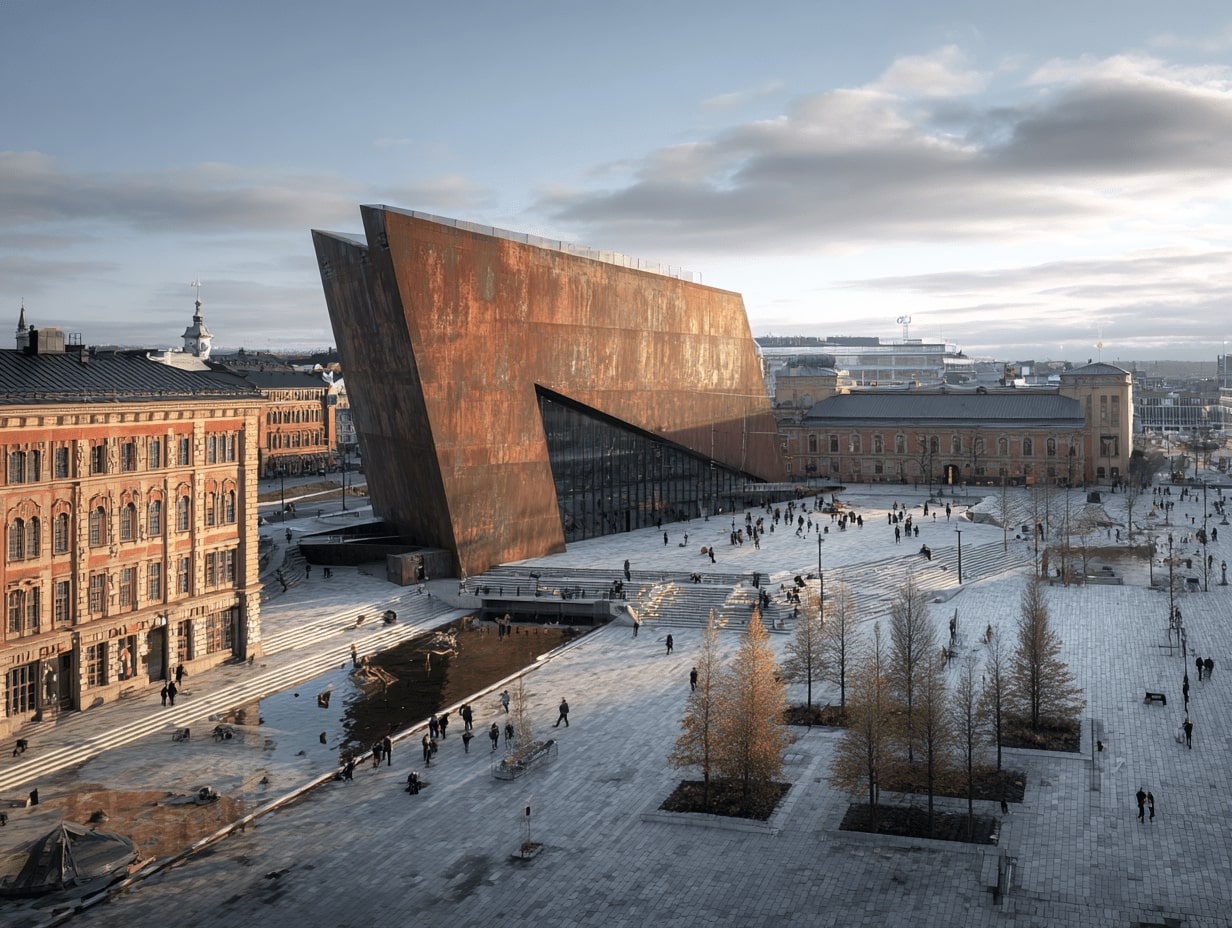
Table of Contents Show
Contemporary Museum Architecture is in the middle of a quiet revolution. We’re designing not just for objects, but for people, neighbors, students, tourists, and online audiences who expect meaningful, memorable experiences. From flexible galleries to carbon-aware materials and XR-enabled storytelling, the most successful museums now act like living civic platforms. In this guide, we share how we approach museums that perform beautifully on day one and stay relevant for decades.
The Evolving Role Of Museums Today
Visitor-Centric Shift From Objects To Experiences
Collections still matter, but the journey matters more. We prioritize a legible narrative arc, arrival, orientation, highs and lows, reflection, so exhibitions read like chapters instead of a maze. Think of the way M+ in Hong Kong moves visitors from urban plaza to grand forum to intimate galleries: the choreography supports learning and delight. Tactile interactives, seating that invites lingering, and varied acoustic zones make visits accessible to families, neurodiverse audiences, and serious researchers alike.

Hybrid Programming And New Revenue Models
Museums have diversified beyond ticketed galleries. We design black-box spaces that flip daily from lectures to film to rentals: cafés and roof terraces that extend hours: and maker labs that double as school classrooms. The Broad’s lobby-to-street porosity is a useful cue: letting programs touch the sidewalk brings in new audiences and stabilizes revenue. Membership lounges, after-hours events, and digital programs (streamed talks, paid virtual tours) are built into the plan and the infrastructure, not tacked on later.
Essential Design Principles For Contemporary Museums
Legible Circulation And Intuitive Wayfinding
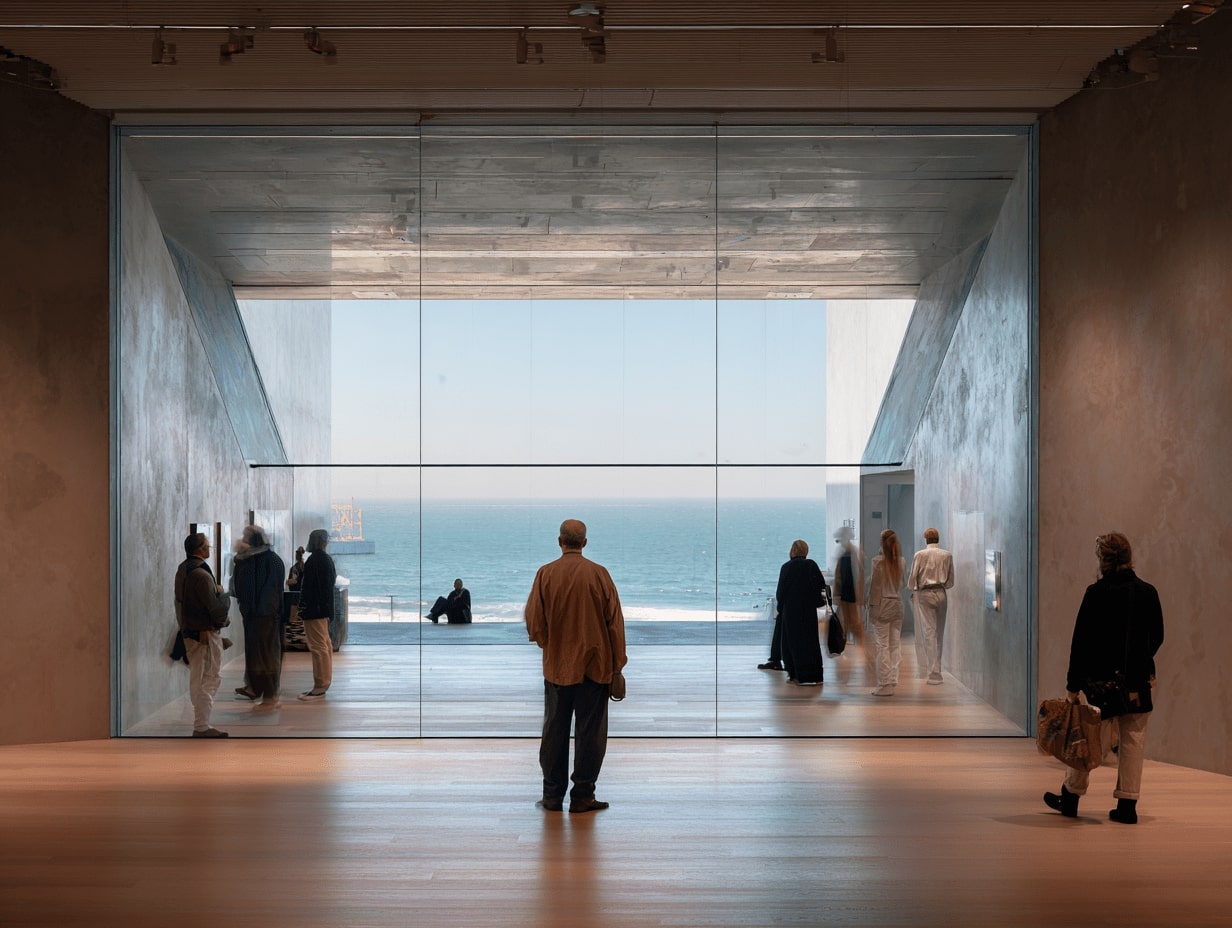
If visitors get lost, they remember the frustration, not the art. We aim for a clear spine with choice points at natural pauses: views to the city, glimpses into galleries, daylight markers. A loop with optional shortcuts keeps strollers and school groups from backtracking. Sightlines to orientation landmarks, a grand stair, a color-coded elevator core, or a signature window, do more for wayfinding than signage alone.
Flexible Volumes And Modular Gallery Systems
Exhibitions change faster than buildings. Tall, column-free volumes with robust overhead grids, redundant power/data, and demountable partitions let curators reformat shows without heavy construction. Modular wall systems on casters, floor boxes on a 10-foot grid, and ceiling tracks for lighting and blackout drapery keep costs and dust down between rotations. A hidden “shop” gallery behind the scenes is invaluable for mockups and staff training.
Light, Materiality, And Conservation Requirements
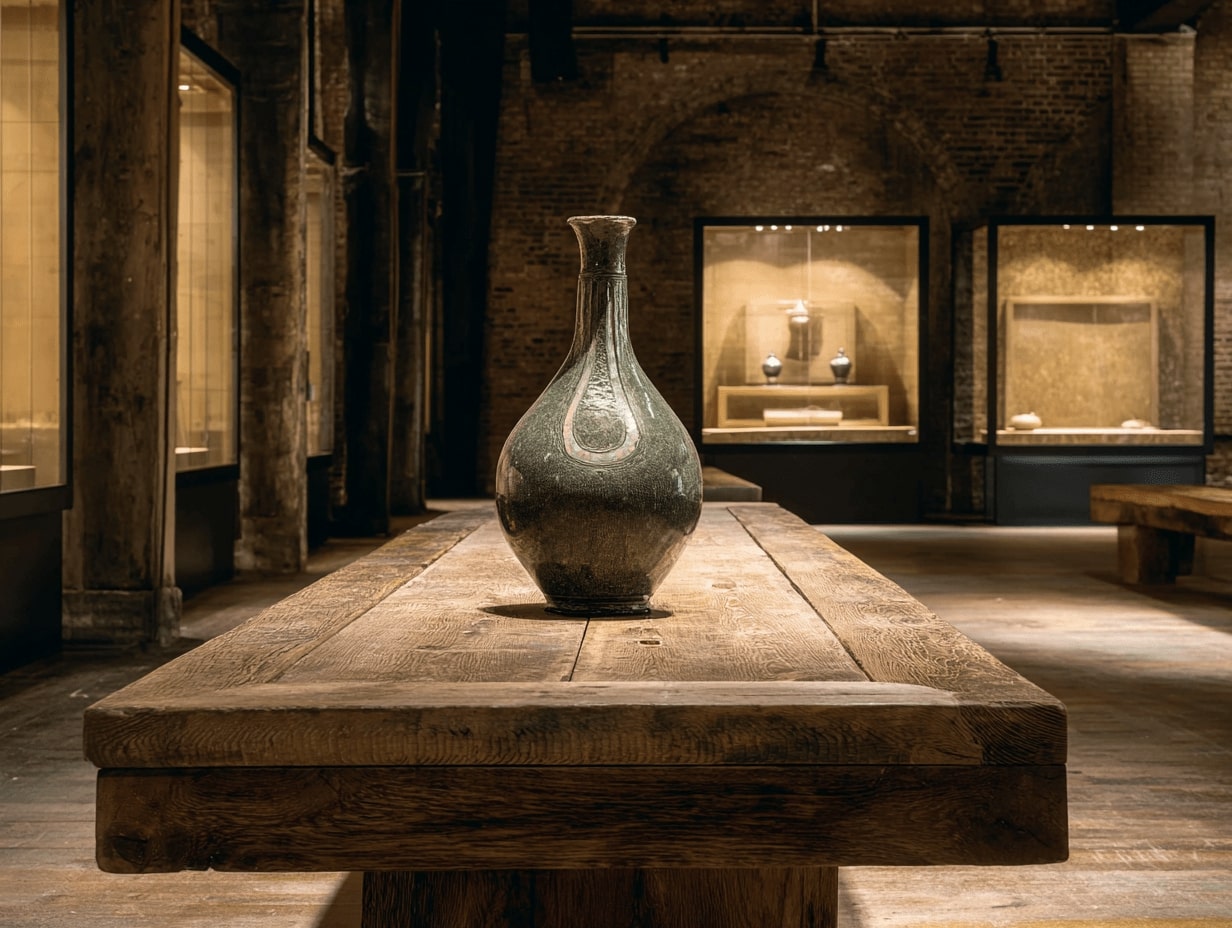
Great galleries control light like sound engineers control tone. North light monitors, deep overhangs, and electrochromic glazing tame daylight: layered LED systems (wall wash, accent, sparkle) shape mood while meeting strict lux limits. Materials do double duty: lime plasters buffer humidity, inert millwork protects objects, and low-VOC finishes keep staff healthy. For sensitive works, we design microclimates, sealed vitrines, decoupled HVAC zones, and vestibules, to meet conservation targets without over-conditioning the whole building.
Our design strategies favor systems that are simple to run and easy to adapt. Examples include: porous ground floors that host markets and school groups on weekends: looped circulation that supports both linear storytelling and choose-your-own-path visits: modular gallery walls that reconfigure in a day: and daylight baffles that let natural light in public spaces while keeping core galleries dark when needed. These moves make Contemporary Museum Architecture resilient to changing audiences and curatorial ambitions.
Technology-Enabled Experiences And Operations
Immersive Media, Interactives, And Extended Reality
Digital layers should amplify, not compete with, the collection. We integrate AR for object “x-rays,” projection-mapped rooms for time-based works, and tactile interactives for all ages. Crucially, we plan for maintenance: service catwalks, projector access, and standardized media racks. When Wi‑Fi 6/6E (and upcoming 7) blankets galleries and plazas, phones become companion devices for wayfinding, translations, and audio description.
Robust Back-End Infrastructure, Data, And Scalability
The most immersive front-of-house experiences ride on a serious back-of-house. We specify PoE lighting for granular control, edge compute for low-latency interactives, and a resilient network with fiber spines and redundant IDFs. A unified CMS for signage, ticketing, and membership analytics helps teams tune programming by season and audience. RTLS beacons (opt-in) inform heat maps, guiding staffing and queue design, while a digital twin supports preventive maintenance and energy optimization.
Sustainability And Long-Term Stewardship
Passive Strategies, Envelope Performance, And Daylight Control
Start with the envelope. High-R roofs, low-U glazing, airtight construction, and external shading slash loads before any equipment is specified. Displacement ventilation, thermal mass, and night-flush routines keep public zones comfortable. Carefully curated daylight, sawtooth clerestories, light shelves, and baffles, brings life to lobbies without compromising conservation in core galleries.
Low-Carbon Materials And Lifecycle Assessment
We track carbon like cost. Environmental Product Declarations (EPDs), low-clinker or alkali-activated concretes, high SCM mixes, mass timber in non-collection areas, and recycled aluminum systems move the needle. A whole-building LCA, run early and updated at milestones, keeps the team honest. Durable, repairable finishes beat fragile “statement” surfaces over a 50-year horizon.
Balancing Energy Efficiency With Collection Care
There’s no sustainability without stewardship. Following current conservation guidance, we often design for slightly broader temperature and humidity bands (with seasonal drift) for robust collections, while reserving tight control for the most sensitive works. Zoning and heat-recovery systems let us meet both goals without oversizing equipment.
Urban Context, Community, And Equity
Public Realm Integration And Placemaking
Great museums borrow the energy of their neighborhoods. Steps that double as seating, canopies for shade and rain, and storefront transparency make the threshold welcoming. Ground-floor studios, visible conservation labs, and street-facing cafés signal that learning isn’t confined to ticketed spaces.
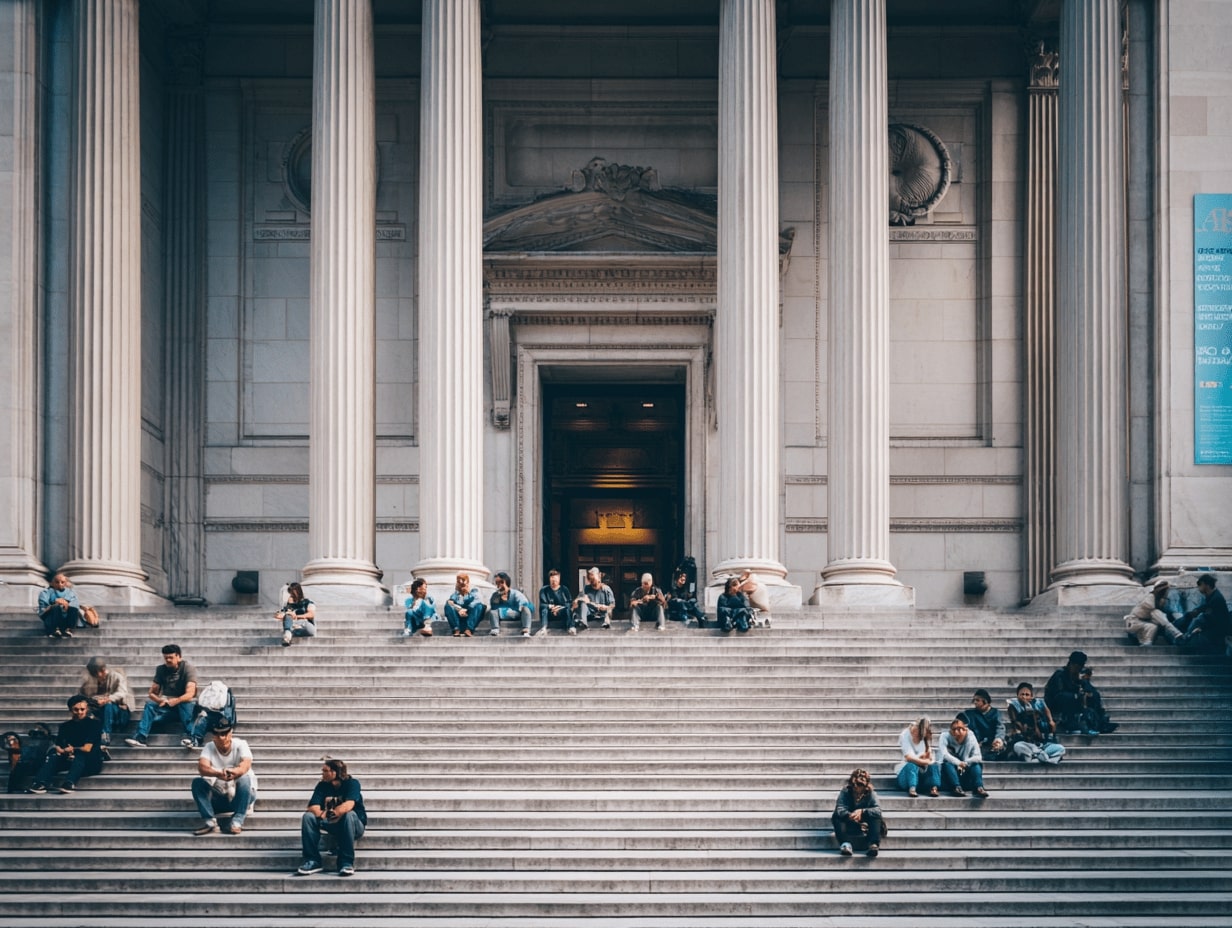
Inclusive Access, Universal Design, And Security
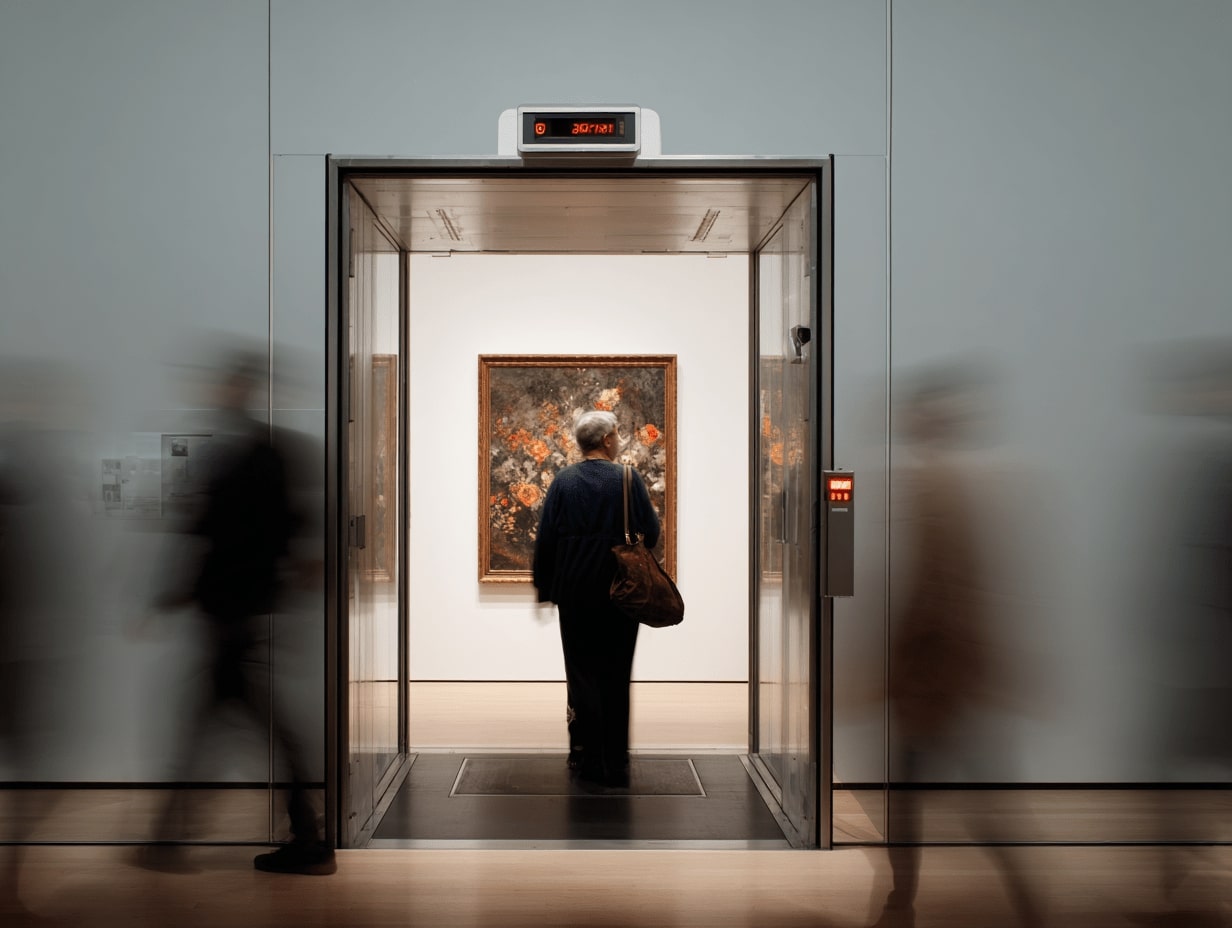
Access starts at site planning: gentle slopes, obvious entries, and generous elevators sized for strollers and wheelchairs. We include quiet rooms, clear sightlines, and multiple seating types. Security is layered and humane, CPTED-informed landscapes, discreet screening, and staff training, so safety supports, not intimidates, the visitor experience.
Community Co-Design And Cultural Sensitivity
When communities co-author spaces, programs stick. We host workshops with local artists and educators, budget for ongoing partnerships, and incorporate multilingual signage from day one. Material choices and narratives are vetted with cultural leaders to avoid tokenism and build trust that lasts beyond opening day.
Conclusion
Contemporary Museum Architecture works when buildings behave like adaptable civic tools: easy to navigate, simple to operate, generous to their neighbors, and gentle on the planet. If we pair flexible volumes with rigorous conservation, smart infrastructure with humane design, and community voices with curatorial vision, we don’t just build museums, we build places people return to, again and again, for different reasons and in different seasons.




India Art, Architecture & Design Biennale 2026: Ministry of Culture Opens Delhi Monuments
Delhi's monuments, including Purana Quila and the Red Fort, will host the...
 illustrarch Editoral Team2 Mins read
Vitra Museum Stages First Major Geoffrey Bawa Retrospective in Decades
Vitra Design Museum opens the first major Geoffrey Bawa retrospective in 20...
illustrarch Editoral Team2 Mins read
Ai Weiwei Installs 500 Cast-Iron Helmets Outside Sydney Museum
Ai Weiwei's 500 cast-iron helmets opened outside Sydney's MCA on 25 September,...
illustrarch Editoral Team2 Mins read
Isamu Noguchi at Lever House Traces Sculptor’s Decades-Long Collaboration with Bunshaft
Lever House's new exhibition pairs Noguchi sculptures with unbuilt garden designs made...
illustrarch Editoral Team2 Mins read


Leave a comment