

World’s Best Brick Buildings: 2025 Brick in Architecture Awards
Brick remains one of architecture’s most expressive and enduring materials, continuously reinterpreted through contemporary design. The 2025 Brick in Architecture Awards highlight the world’s best brick buildings, honoring projects that combine craftsmanship, innovation, and contextual sensitivity across global scales. From cultural institutions to housing and educational spaces, these awarded works demonstrate brick’s evolving architectural relevance.
 Elif Ayse Sen5 January 20263 Mins read263
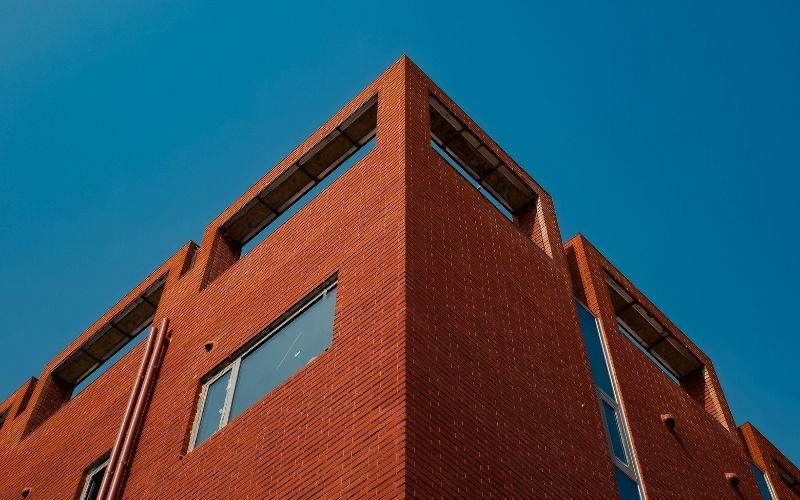
Table of Contents Show
Brick has long been one of architecture’s most enduring materials, but its role in contemporary design extends far beyond tradition or nostalgia. Across cultural institutions, housing, schools, and public landscapes, brick today is used as a performative, expressive, and highly adaptable architectural medium. This evolution was strongly reflected in the World’s best brick buildings honored at the 2025 Brick in Architecture Awards, organized by the Brick Industry Association.
The 2025 edition of the awards recognized 42 projects selected from 120 entries, spanning Best in Class, Gold, Silver, and Bronze distinctions across nine architectural categories, alongside a single Craftsmanship Award. Together, the winners demonstrate how brick continues to shape architectural identity through craft, sustainability, urban presence, and spatial clarity.
Brick as Craft: The 2025 Craftsmanship Award
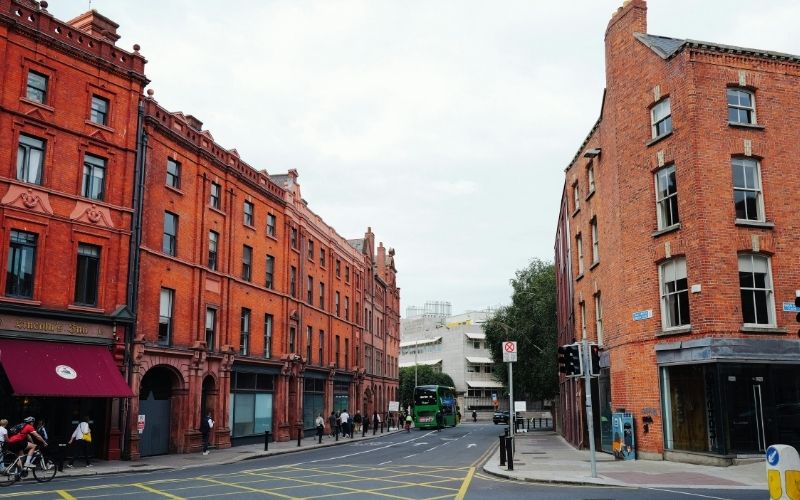
At the center of this year’s awards is the Craftsmanship Award, granted to 64 University Place in New York, designed by Kohn Pedersen Fox. The project stands as a contemporary interpretation of brick urbanism, where precision detailing and material discipline elevate a dense residential building into a refined city landmark.
Rather than treating brick as surface decoration, the project uses it as a structural and expressive system, carefully articulated through proportion, rhythm, and depth. The award underscores the continued importance of skilled masonry in an era increasingly dominated by lightweight envelopes and prefabricated systems.

Commercial Architecture: Brick in Cultural and Civic Life
In the Commercial category, brick emerges as a material capable of balancing public presence with intimacy. The Best in Class award went to Amant Campus Gallery & Cafe in New York, designed by SO-IL. The project uses brick to define courtyards, thresholds, and layered façades, creating a tactile environment that supports both art and everyday social interaction.
Across other recognized projects, from mixed-use developments in Washington, DC, to adaptive urban infill in Toronto, brick proves its flexibility in negotiating scale, context, and long-term durability within contemporary cities.

Education Architecture: Brick as a Pedagogical Tool
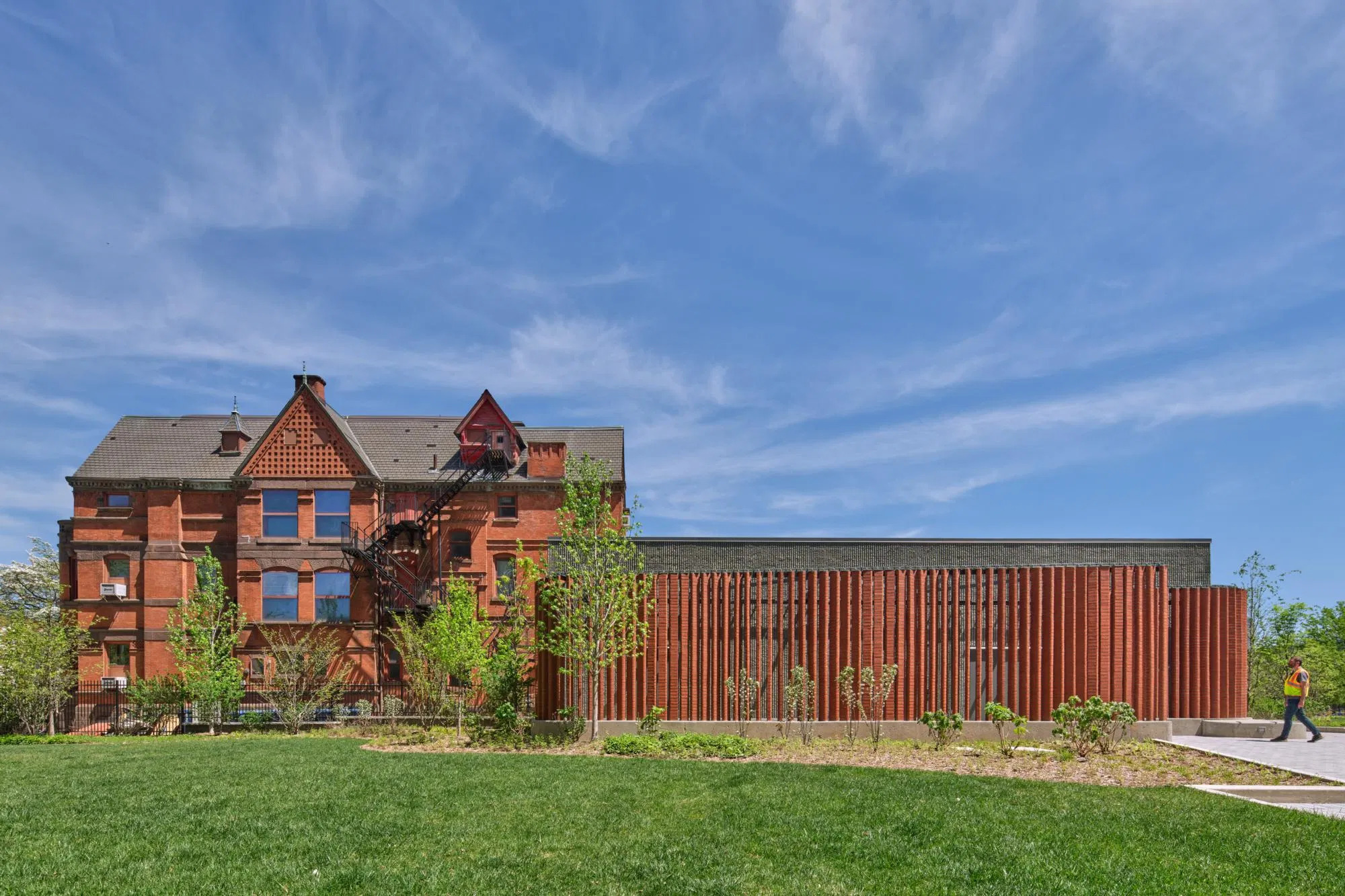
In the K: 12 category, The Packer Collegiate Institute Garden House Renovation & Expansion in Brooklyn, designed by WXY architecture + urban design, stood out for its sensitive integration of old and new. Brick here becomes a mediator between memory, scale, and contemporary educational needs, an approach echoed across multiple awarded school projects.
Global Perspectives: Brick Beyond Borders
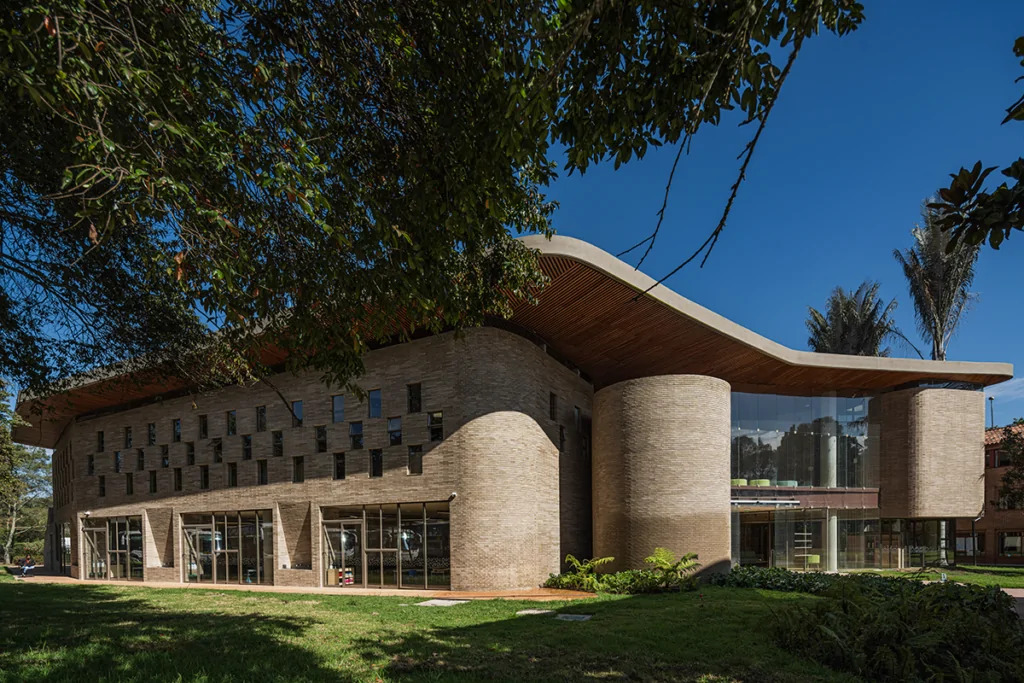
The International category reveals how brick adapts to climate, culture, and construction traditions worldwide. The Best in Class award went to Preescolar Colegio Los Nogales in Bogotá, designed by Taller de Arquitectura de Bogotá S.A.S. The project reimagines brick as a child-scaled, climate-responsive material, filtering light, air, and movement while fostering a strong sense of place.
From China to Belgium and South Africa, awarded international projects show brick operating as both a low-tech and highly intelligent solution, capable of addressing sustainability, craftsmanship, and local identity simultaneously.
Housing and Domestic Architecture: Brick at the Human Scale
In residential architecture, brick continues to bridge permanence and intimacy. The Best in Class Single-Family award went to Casa Lotus in Austin, designed by Miró Rivera Architects. Here, brick is used to frame courtyards, control climate, and anchor the house within its landscape demonstrating how material restraint can generate spatial richness.
Meanwhile, multi-family winners such as 64 University Place and 150 Barrow Street in New York reinforce brick’s relevance in dense urban housing, offering longevity and visual depth in rapidly changing city scapes.

Beyond walls and facades, the awards also recognized thin brick systems and paving and landscape projects, illustrating how brick now operates across multiple architectural scales. From university campuses to public waterfronts, these projects reveal brick’s capacity to define ground, movement, and civic identity often blurring the boundary between architecture and infrastructure.
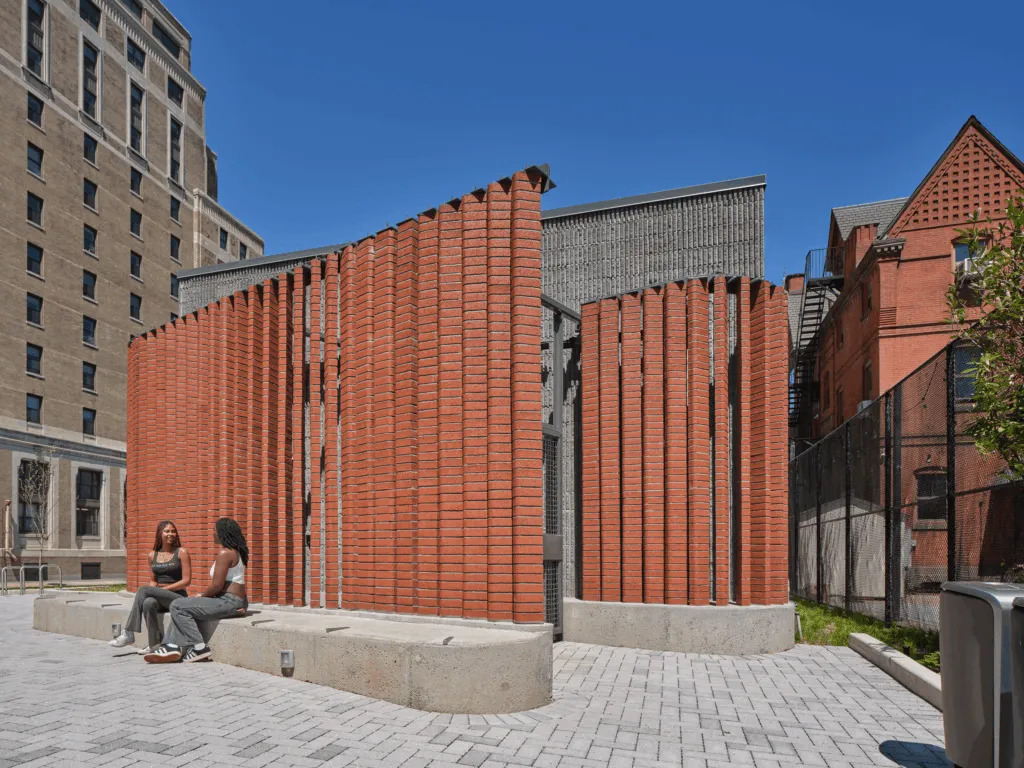
The 2025 Brick in Architecture Awards confirm that brick is far from a static or nostalgic material. Across continents and typologies, the awarded projects show brick as adaptive, sustainable, and deeply connected to architectural meaning. Whether through craftsmanship, urban density, educational spaces, or domestic environments, brick continues to offer architects a language that is both timeless and forward-looking.
As these projects demonstrate, the world’s best brick buildings are not simply well-built, they are culturally grounded, materially intelligent, and designed to endure.





Brussels’s €230m Kanal Museum Nears Opening as Questions Grow over Its Future Funding
Housed in a converted Citroën garage, Brussels's Kanal museum opens on 28...
 illustrarch Editoral Team1 Mins read

MoMA’s Full Disclosure Exhibition Traces Information Design from Hand-Drawn Data to AI Memories
Full Disclosure: The Edge of Information Design, curated by Paola Antonelli, is...
illustrarch Editoral Team2 Mins read
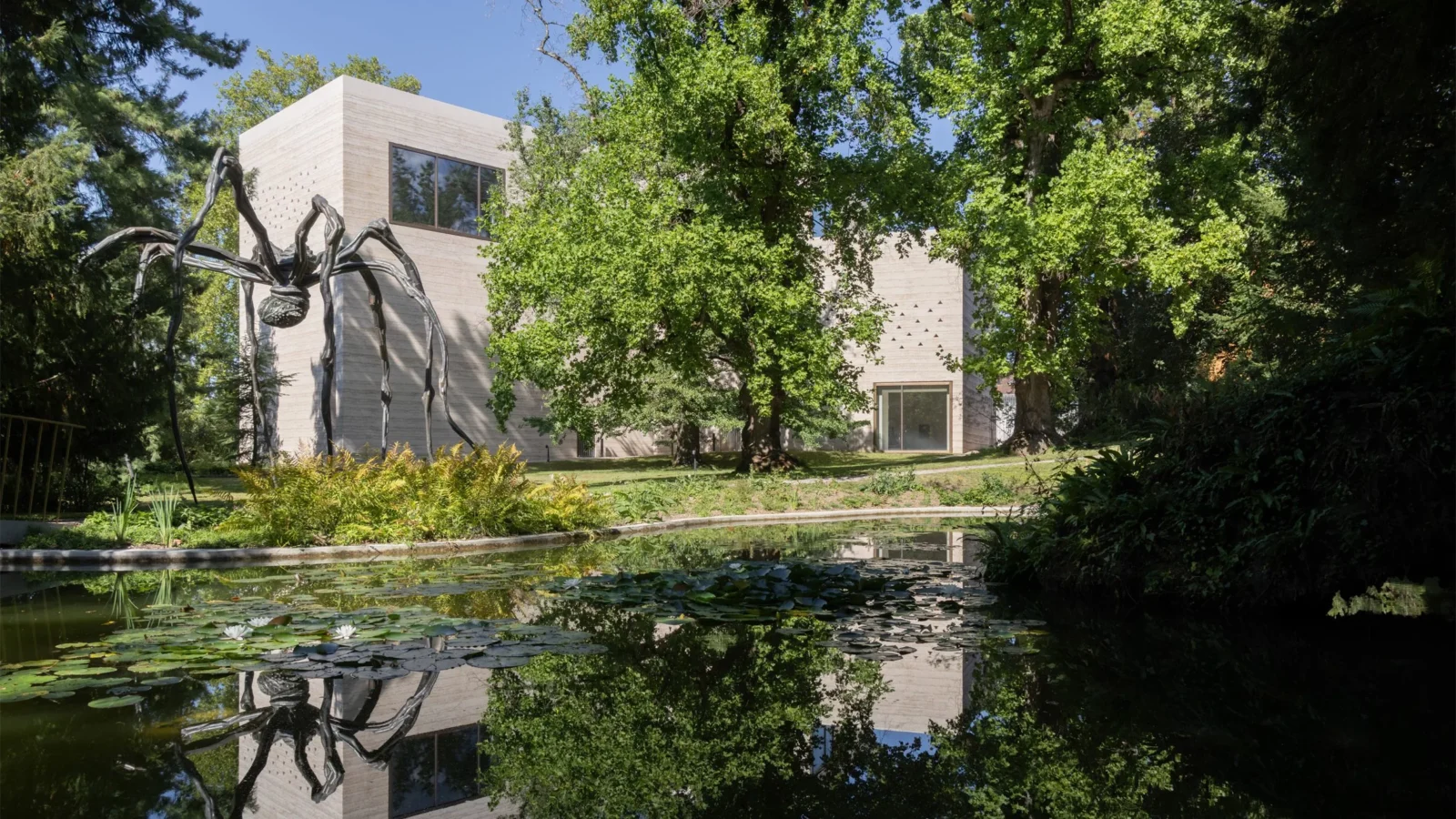
Zumthor’s Three New Buildings Open at Fondation Beyeler in Riehen
Peter Zumthor's Wyss Museum, Ammann Pavilion and Erlen Torhaus open at Fondation...
illustrarch Editoral Team4 Mins read

Benthem Crouwel Completes the Afsluitdijk Revamp with a Fish Passage and Domed Pumping Stations
The 32 km Afsluitdijk in the Netherlands has been raised, armoured and...
illustrarch Editoral Team2 Mins read


Leave a comment