

€700M Louvre Expansion Meets Museum Staff Resistance
Staff at the Musée du Louvre have gone on strike in protest of a proposed €700 million renovation, arguing that essential maintenance and security upgrades should take priority over large-scale architectural expansion. The dispute highlights growing tensions between iconic cultural redevelopment and the operational realities of maintaining one of the world’s most visited museums.
 Elif Ayse Sen14 January 20263 Mins read196
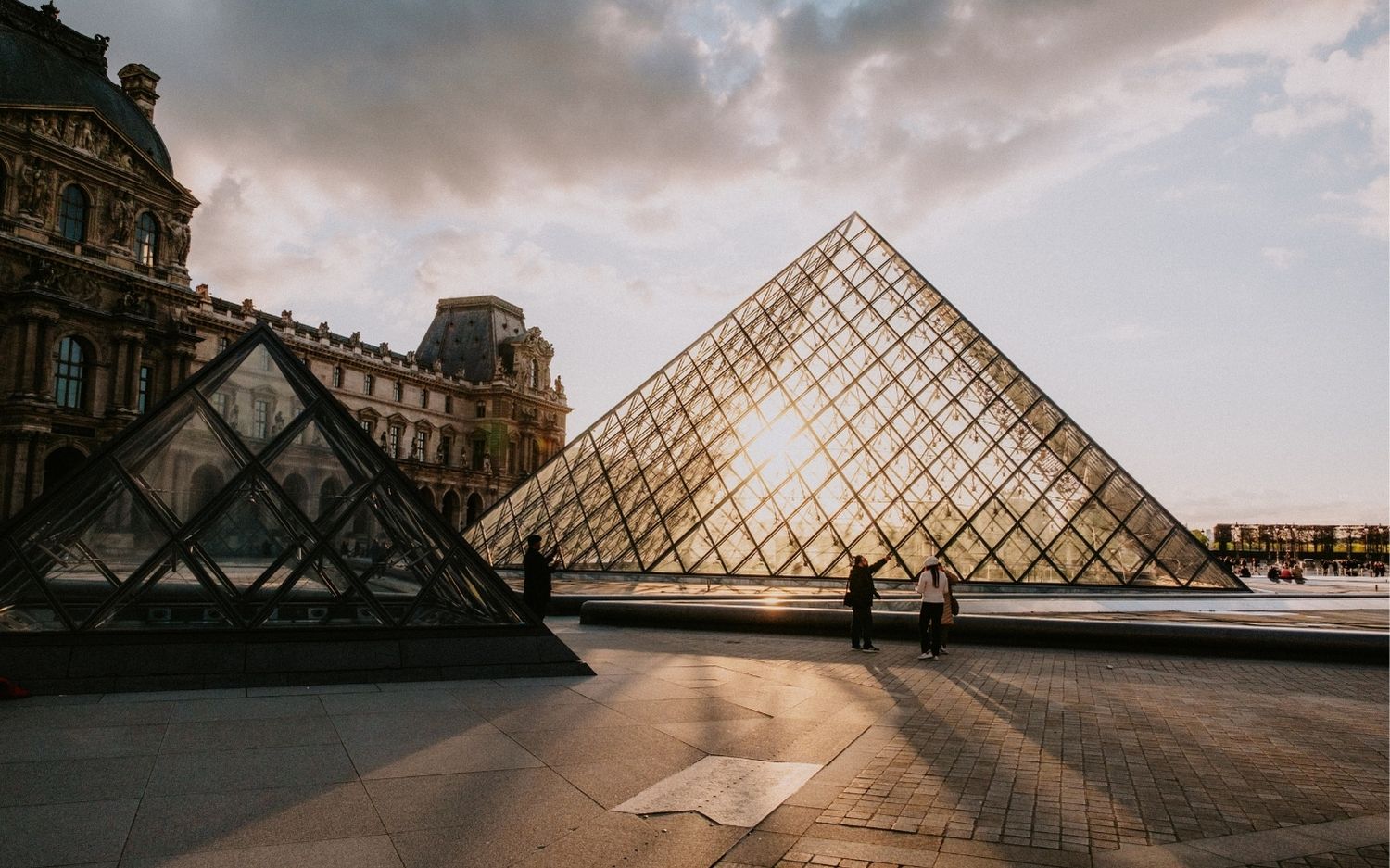
Table of Contents Show
Staff at the Musée du Louvre staged a strike this week, temporarily shutting down the Paris landmark and intensifying an ongoing debate about how one of the world’s most important museums should evolve. The walkout, organized by several French labor unions, protested a proposed large-scale renovation and expansion, urging museum leadership to redirect resources toward essential building maintenance, staff safety, and the protection of collections.
The strike forced the museum to close during the morning hours before partially reopening later in the day. According to union representatives, the action reflects growing concern that high-profile architectural interventions are being prioritized over urgent technical and infrastructural needs within the historic palace complex.
€700 Million “New Renaissance” Project Faces Internal Opposition
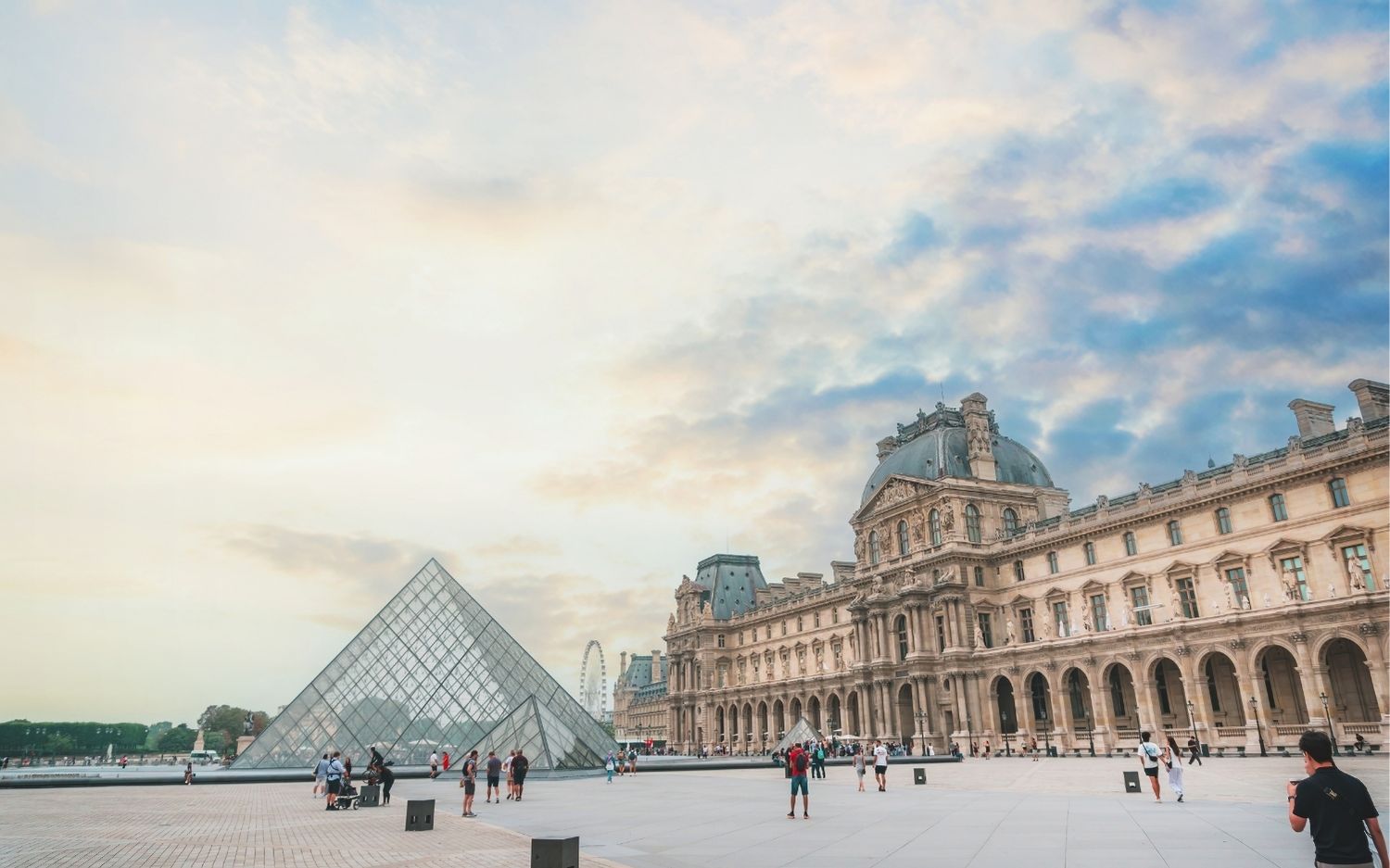
At the center of the dispute is the Louvre’s ambitious “New Renaissance” project, announced in 2025 by French President Emmanuel Macron. The plan includes the creation of a new entrance and a dedicated exhibition space for Leonardo da Vinci’s Mona Lisa, aiming to better manage visitor flows at a museum that receives millions of guests each year.
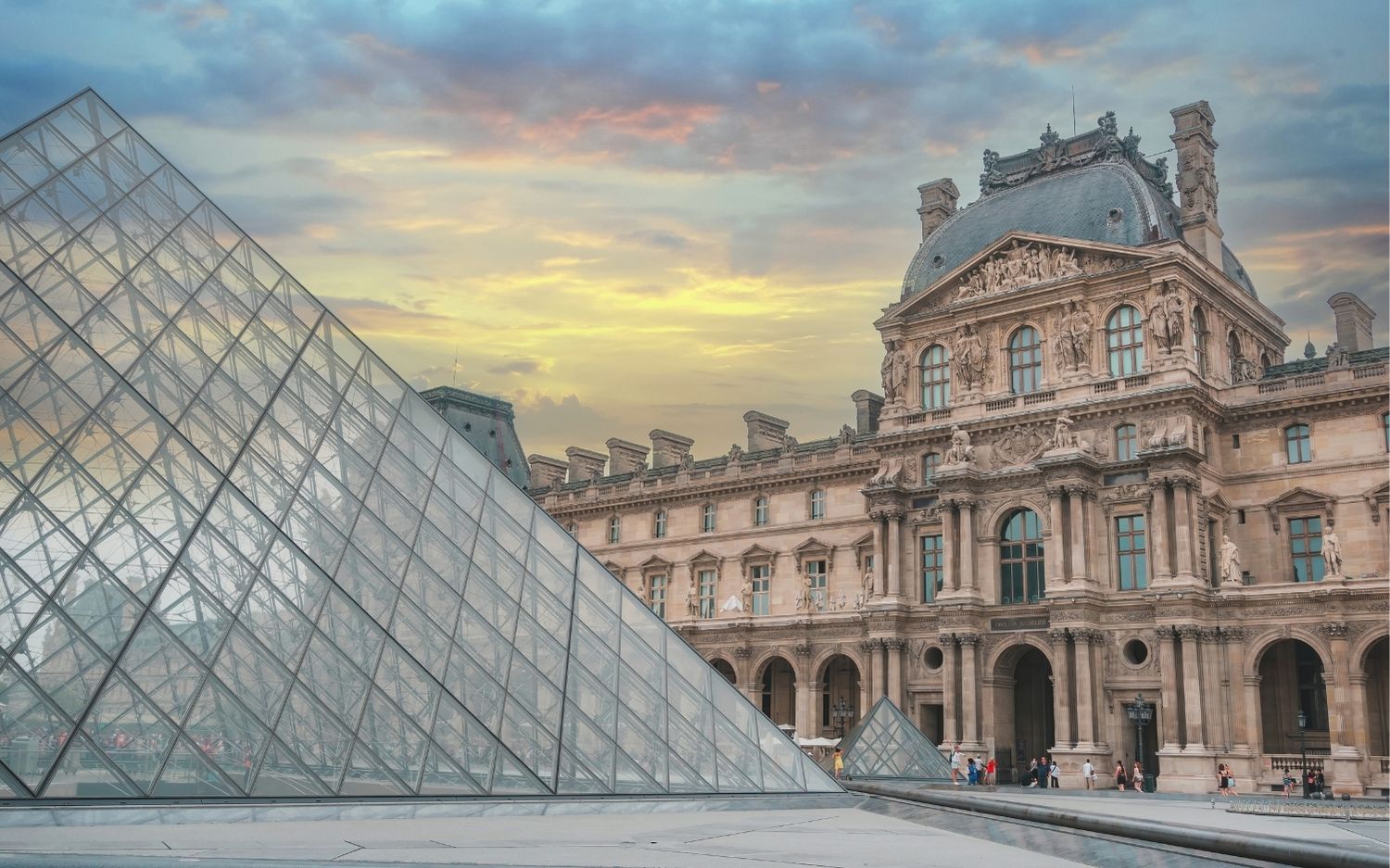
With an estimated cost exceeding €700 million, the project would represent the most significant transformation of the Louvre since I. M. Pei introduced the iconic glass pyramid in 1989. However, striking staff argue that the focus on expansion overlooks pressing issues such as aging infrastructure, climate control, and internal security systems, problems they say directly affect both employees and artworks.

Security Concerns and Criticism of “Visible” Architecture
Tensions escalated further following a high-profile theft in late 2025, when jewels valued at €88 million were stolen from the museum. An audit released shortly after the incident revealed long-standing concerns, noting that the Louvre had repeatedly favored “visible and attractive” projects over behind-the-scenes maintenance and security upgrades.
While museum officials have declined to comment on whether the robbery will influence the scope of the renovation, critics see the incident as evidence that foundational investments are overdue. The strike has thus reframed the architectural conversation, shifting attention from iconic additions to the less visible systems that sustain a complex heritage building.
Parallel Expansion Signals Curatorial Ambition
Even as the broader renovation remains contested, the Louvre continues to advance targeted architectural projects. Recently, the museum selected the American-French consortium WHY Architecture and BGC to design new exhibition spaces for its forthcoming Department of Byzantine and Eastern Christian Art.
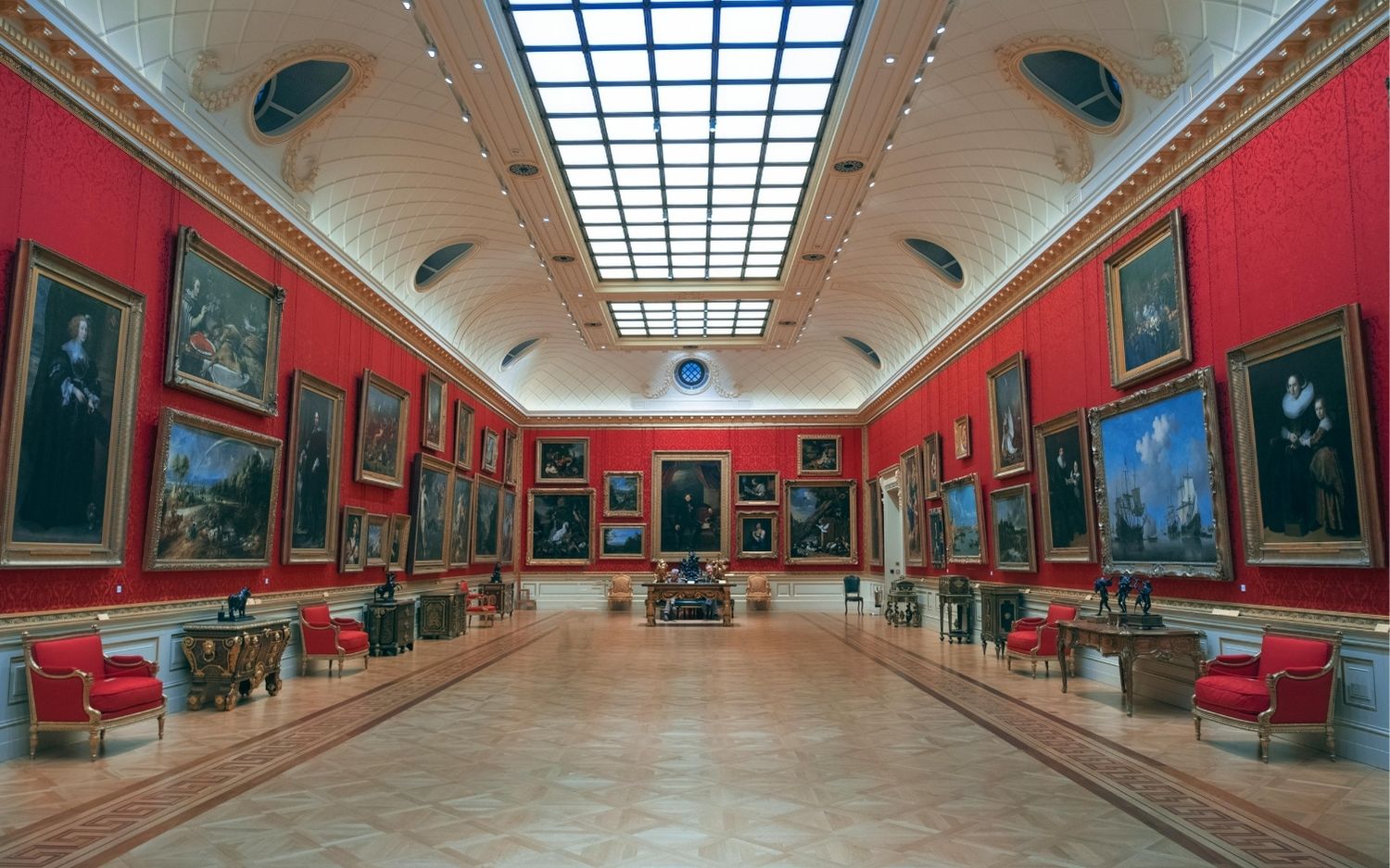
Scheduled to open in 2027, the 5,500-square-meter project will reorganize galleries within the Denon wing, creating new connections between Roman, Byzantine, and Islamic collections. Praised for its sensitive approach to heritage and scholarship, the project highlights a contrasting model of architectural intervention, one focused on curatorial clarity rather than monumental expansion.
The Tension Between Iconic Architecture and Maintenance
The dispute at the Louvre reflects a recurring debate in cultural institutions: how to balance visible, headline-grabbing architecture against the unglamorous work of maintaining the building that already exists. Large museums often find it easier to raise funds and public enthusiasm for new wings, entrances, and signature spaces than for upgrades to climate control, wiring, and security. Staff concerns in this case point to that imbalance, arguing that the systems protecting both people and artworks deserve attention before resources flow into expansion. The conversation echoes similar discussions at heritage sites worldwide.
Why Visitor Flow Drives Major Renovations
One reason museums pursue ambitious projects is the sheer pressure of visitor numbers. The Louvre receives millions of guests each year, and crowding around famous works such as the Mona Lisa can degrade both the experience and the conditions around the art. A dedicated room and a new entrance are intended to spread visitors across the complex and reduce bottlenecks. Managing circulation is a genuine architectural challenge, but the strike highlights that flow improvements and infrastructure renewal are not mutually exclusive and that planning should ideally address both.
The Legacy of I. M. Pei’s Pyramid
Comparisons to I. M. Pei’s glass pyramid, completed in 1989, are unavoidable in any discussion of changing the Louvre. That intervention was controversial when proposed yet became one of the most recognized pieces of contemporary architecture in the world, reorganizing the entrance sequence and giving the museum a modern symbol. The New Renaissance project invites the same scrutiny. History suggests that bold additions to historic institutions can succeed, but also that public and staff buy-in shapes how a project is received over the long term.
What This Means for Museum Design Going Forward
The episode offers a broader takeaway for institutions planning major work: behind-the-scenes investment in security, environmental systems, and staff working conditions is part of good design, not a separate line item. The 2025 theft and the subsequent audit reframed the architectural conversation around the less visible systems that keep a collection safe. For architects and museum leaders, the lesson is that lasting projects integrate spectacle with stewardship, ensuring that new spaces are supported by the maintenance and protection the rest of the building needs.







A 2,500-Year-Old Solar Observatory in Puebla Is the First Group E Complex Found Outside the Maya Area
Archaeologists working for Mexico's INAH have confirmed that two platforms at Teteles...
 illustrarch Editoral Team2 Mins read
India Art, Architecture & Design Biennale 2026: Ministry of Culture Opens Delhi Monuments
Delhi's monuments, including Purana Quila and the Red Fort, will host the...
illustrarch Editoral Team2 Mins read
Allentown Art Museum Leaves Its Venturi, Scott Brown Addition for a New Studios Architecture Building
The Allentown Art Museum is moving to a new Studios Architecture building...
illustrarch Editoral Team2 Mins read

Donald Insall, the Conservation Architect Who Led Windsor Castle’s Restoration, Dies at 100
Donald Insall, the British architect who turned conservation into a planning discipline...
illustrarch Editoral Team2 Mins read


Leave a comment