

Heatherwick Studio Unveils Design for Daegyo Apartments Redevelopment in Seoul
Heatherwick Studio has revealed the design for the Daegyo Apartments redevelopment in Yeouido, Seoul — its first residential project in South Korea. The scheme replaces four 1975-era blocks with approximately 900 new homes, a sky garden, and community spaces inspired by Seoul's surrounding mountain silhouettes.
 Elif Ayse Sen13 March 20266 Mins read226


Table of Contents Show
Heatherwick Studio has revealed its vision for the Daegyo Apartments redevelopment in Yeouido, Seoul — marking the studio’s first residential project in South Korea. The scheme transforms four aging residential blocks, originally completed in 1975, into approximately 900 new homes organized around a sky garden, public ground-floor spaces, and landscape designed to feel rooted in both the city and the natural terrain surrounding it.
Daegyo Apartments Project in Seoul
The Daegyo Apartments project is a community-led residential redevelopment located near Hangang Park along the Han River in Yeouido, one of Seoul’s most prominent urban districts. The existing complex — 576 units built in 1975 — will be fully replaced by a new development comprising approximately 900 homes across four residential buildings. Thomas Heatherwick personally presented the first images of the design to the Yeouido Daegyo Residents’ Union at a General Assembly meeting on February 28, 2026, reflecting the highly collaborative nature of the project, which involved input from more than 600 union members.
The studio has been involved since mid-2025, when the project was first announced, and will remain engaged across all phases from concept through to completion. For Heatherwick Studio, the Daegyo project represents a meaningful expansion into residential architecture in Asia — and an opportunity to directly challenge what the firm describes as the “endless repetitions of anonymous high-rise blocks” that define much of Seoul’s housing landscape.
📌 Did You Know?
Thomas Heatherwick served as General Director of the fifth Seoul Biennale of Architecture and Urbanism in 2025, an event that attracted a record 811,000 visitors. That curatorial role deepened the studio’s engagement with Seoul’s urban challenges and laid the groundwork for projects like the Daegyo redevelopment.
The Design Vision: Nature, Community, and Human Scale
The design philosophy behind the Daegyo redevelopment grew directly from research. Heatherwick Studio’s 2025 Humanise Campaign surveyed 1,000 Seoul residents, and the results were clear: people wanted homes that felt distinctive, textured, and genuinely cared for — not more of the same standardized towers. That finding shaped every decision from the roofline down to how the ground floor meets the street.
The four proposed residential buildings feature gently undulating rooflines that echo the mountain silhouettes encircling Seoul. Rather than imposing a fixed geometric profile, the buildings rise and fall in a rhythm that mirrors natural topography — grounding the development in its landscape while giving each tower a distinct visual identity. Stuart Wood from heatherwick studio architecture described the project’s goal as wanting to “spark a fundamental rethink of how apartment living in Seoul should look, feel, and support everyday life.”
🎓 Expert Insight
“We’re excited about how this will improve the daily lives of residents. It reflects the contributions of more than 600 union members, and the design unveiled today is the result of all that collaborative effort.” — Heesun Chung, Chairperson, Yeouido Daegyo Apartment Redevelopment Association
This comment captures what makes the Daegyo project unusual: it is genuinely community-authored at scale. Most large residential redevelopments are developer-driven; this one began with residents and grew outward from their stated needs and preferences.
Sky Garden, Ground-Level Plaza, and Community Facilities
At the heart of the Heatherwick Studio Seoul design sits a sky garden — an elevated communal space that residents share across the four buildings. Below, a generous ground-floor plaza is open to both residents and the broader public, creating a permeable edge between the private residential community and the surrounding neighborhood. This openness is deliberate. Rather than treating the development as an enclave, the design invites Yeouido into the project.
The landscape design at ground level is organized into stepped gardens, sheltered walkways, and sunken courtyards. Portions of the site’s edges are gently lifted to buffer the development from surrounding traffic — a move that creates calmer interior conditions without constructing hard perimeter walls. The result is a site that feels protected without feeling closed off.
Community facilities run throughout the scheme: children’s play areas, sports amenities, and dedicated welfare spaces for older residents. That attention to all age groups reflects a broader ambition in the heatherwick studio daegyo apartments project — to design not just housing but a genuine neighborhood, one that serves people across different stages of life.
💡 Pro Tip
When evaluating large residential redevelopment proposals, pay close attention to what happens at grade level. A generous, publicly accessible ground floor — as seen in the Daegyo design — is one of the most reliable indicators of whether a development will integrate successfully with its surrounding urban fabric or remain isolated from it.
Heatherwick Studio’s Growing Presence in Seoul
The Daegyo project is not Heatherwick Studio’s first engagement with the South Korean capital. The studio is also working on the redesign of Nodeul Island into a lively public park, the Hanwha Galleria shopping complex featuring twin hourglass-shaped structures, and the CoEx Convention Centre — a project that reimagines the building around the concept of a “Cabinet of Curiosities.” Together, these commissions make Heatherwick Studio one of the most active international architecture firms in Seoul right now.
That range of projects — public park, retail complex, convention centre, residential towers — reflects a studio that is engaging with the city at multiple scales. Each project addresses a different aspect of Seoul’s urban experience, from cultural infrastructure to the texture of everyday domestic life. The Daegyo apartments represent the most intimate of those scales: the home.
The studio’s growing Seoul portfolio also reflects a wider trend in South Korean architecture: an openness to internationally recognized studios that bring strong conceptual positions and deep research processes. You can read more about how international architects are engaging with Seoul and other Asian cities in illustrarch’s guide to architecture education in Asia.
Why the Daegyo Design Matters for Urban Housing
Seoul’s housing stock is dominated by apartment complexes — a result of rapid postwar urbanization that prioritized speed and density over character. Many of those complexes, including the original Daegyo buildings from 1975, were built to a repetitive formula that delivered quantity but little else. The question the heatherwick studio designs team is answering with Daegyo is whether high-density urban housing can be genuinely distinctive without sacrificing the efficiency that makes it viable.
The answer the studio proposes is rooted in nature and collaboration rather than novelty for its own sake. The undulating rooflines are not decorative gestures — they are a response to the actual landscape of Seoul, the mountains that ring the city and shape its character. The community spaces are not add-ons — they grew from surveyed resident priorities. The ground-floor permeability is not a branding exercise — it reflects a considered position on what a residential development owes to its wider neighborhood.
🏗️ Real-World Example
Bosco Verticale (Milan, 2014): Stefano Boeri Architetti’s twin residential towers demonstrated that high-density urban housing could incorporate over 900 trees and 20,000 plants across their facades — reducing indoor energy consumption by approximately 30% through natural shading. Daegyo pursues a comparable ambition through landscape rather than facade: nature integrated into the ground plane, sky garden, and stepped gardens rather than attached to the exterior skin.
For architects and urban designers tracking how residential redevelopment is evolving globally, Daegyo is worth watching closely. The project connects to broader conversations about nature-integrated architecture and the role of architects in shaping communities — both of which illustrarch has covered in depth. It also speaks directly to the question of how housing market forces shape architectural design in dense urban environments.
What Comes Next for the Daegyo Apartments
The February 2026 presentation to the Residents’ Union marks the transition from concept to active development. The studio will remain involved through all subsequent phases, from detailed design through construction documentation and delivery. The redevelopment is being driven by the Yeouido Daegyo Apartment Redevelopment Association, whose chairperson Heesun Chung has emphasized how the design reflects the direct input of union members throughout the process.
No formal completion timeline has been announced, but given the scale of the project — replacing 576 units with approximately 900 new homes across four buildings — the development will likely unfold over several years. In the meantime, the published renderings offer the clearest picture yet of what south korea heatherwick studio residential architecture could look like: human-scaled, landscape-integrated, and deeply attentive to the specific character of the city it is being built within.
💡 Pro Tip
For architecture students and professionals following this project, pay attention to how the studio handles the transition between private residential space and public ground-floor access. Few large-scale residential projects manage this boundary successfully — it is where community aspirations often meet the hardest planning and commercial constraints.
The Daegyo project also invites broader reflection on what urban redevelopment can achieve when it starts with people rather than parcels. The studio’s Humanise Campaign research, the extended collaboration with the Residents’ Union, and the insistence on designing for all age groups suggest an approach to architecture that treats the social outcome as inseparable from the physical one. For more on how architects are thinking about the future of urban living, see illustrarch’s feature on technology and modern architecture in future cities and the discussion of architecture as urban infrastructure.
✅ Key Takeaways
- Heatherwick Studio has unveiled the Daegyo Apartments redevelopment in Yeouido, Seoul — its first residential project in South Korea.
- The scheme replaces 576 units built in 1975 with approximately 900 new homes across four buildings featuring undulating rooflines inspired by Seoul’s surrounding mountains.
- A sky garden, publicly accessible ground-floor plaza, and community facilities for all age groups are central to the design.
- The project was shaped by input from over 600 union members and informed by a 2025 survey of 1,000 Seoul residents, making it unusually community-driven for a development of this scale.
- The Daegyo project is part of Heatherwick Studio’s wider engagement with Seoul, which also includes the CoEx Convention Centre, Nodeul Island, and the Hanwha Galleria.


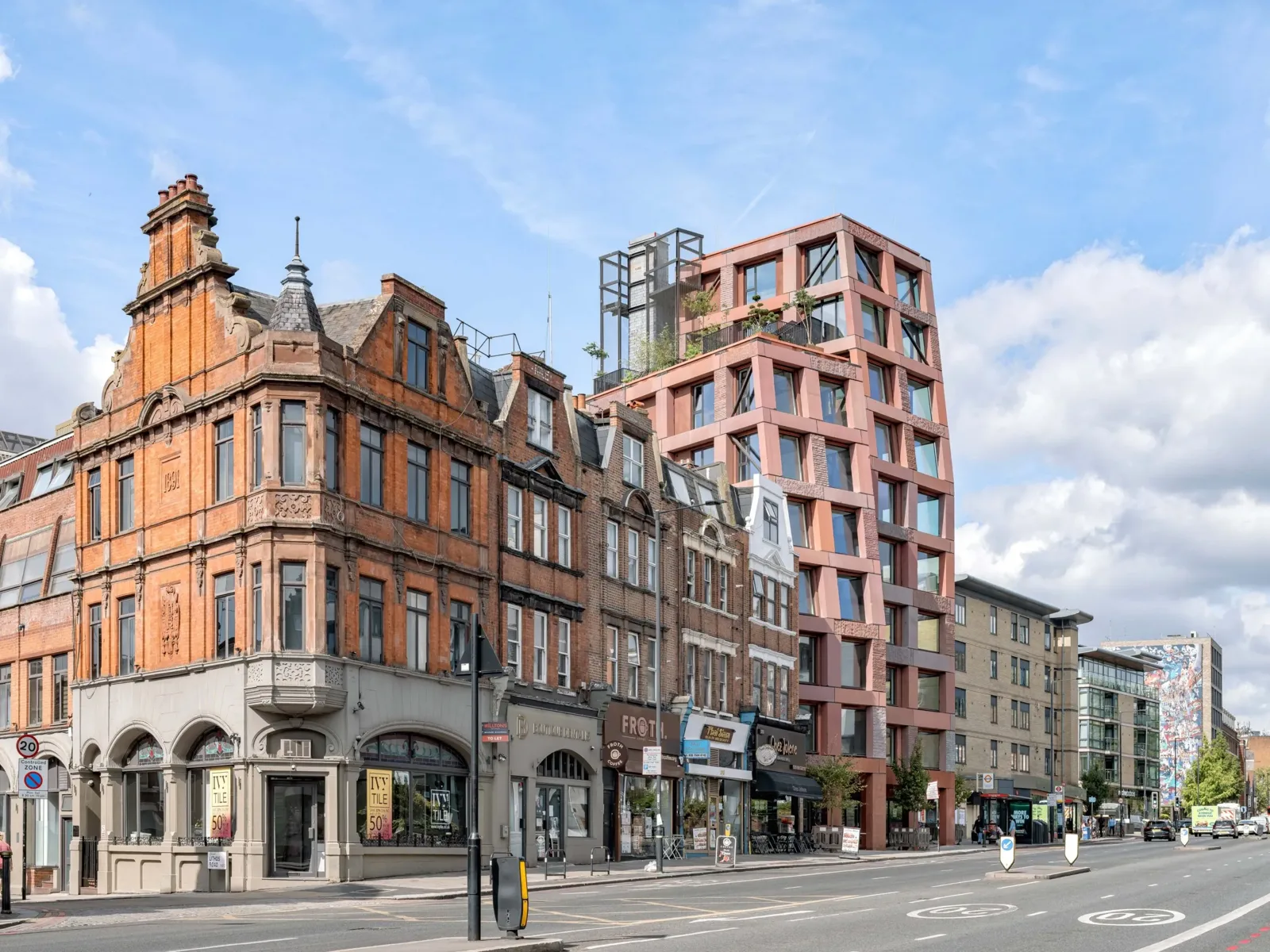
Groupwork Completes 10-Storey Loadbearing Granite Flats in London
Groupwork's Petra Heights on Finchley Road is a 10-storey block of 22...
 illustrarch Editoral Team2 Mins read
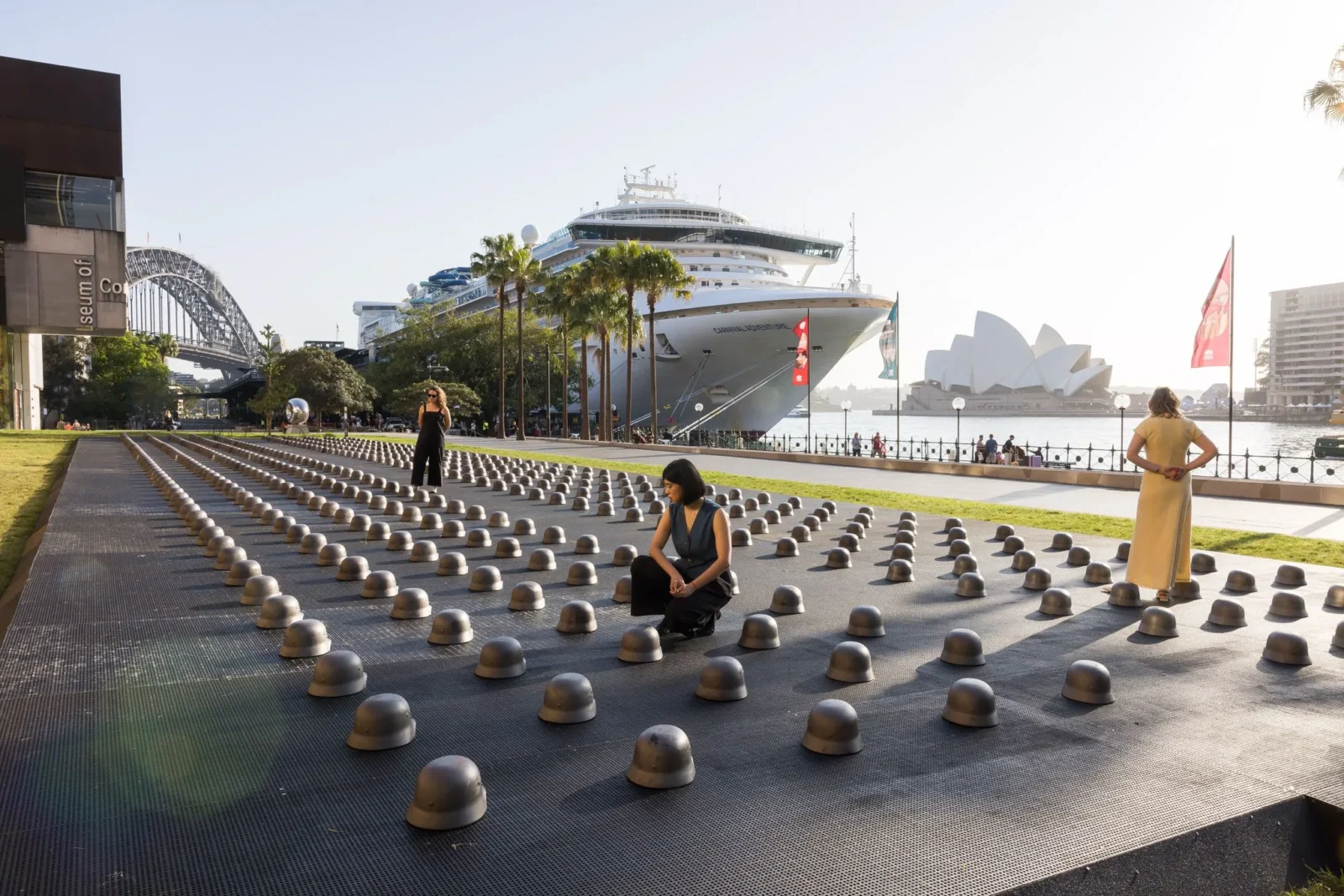
Ai Weiwei Installs 500 Cast-Iron Helmets Outside Sydney Museum
Ai Weiwei's 500 cast-iron helmets opened outside Sydney's MCA on 25 September,...
illustrarch Editoral Team2 Mins read
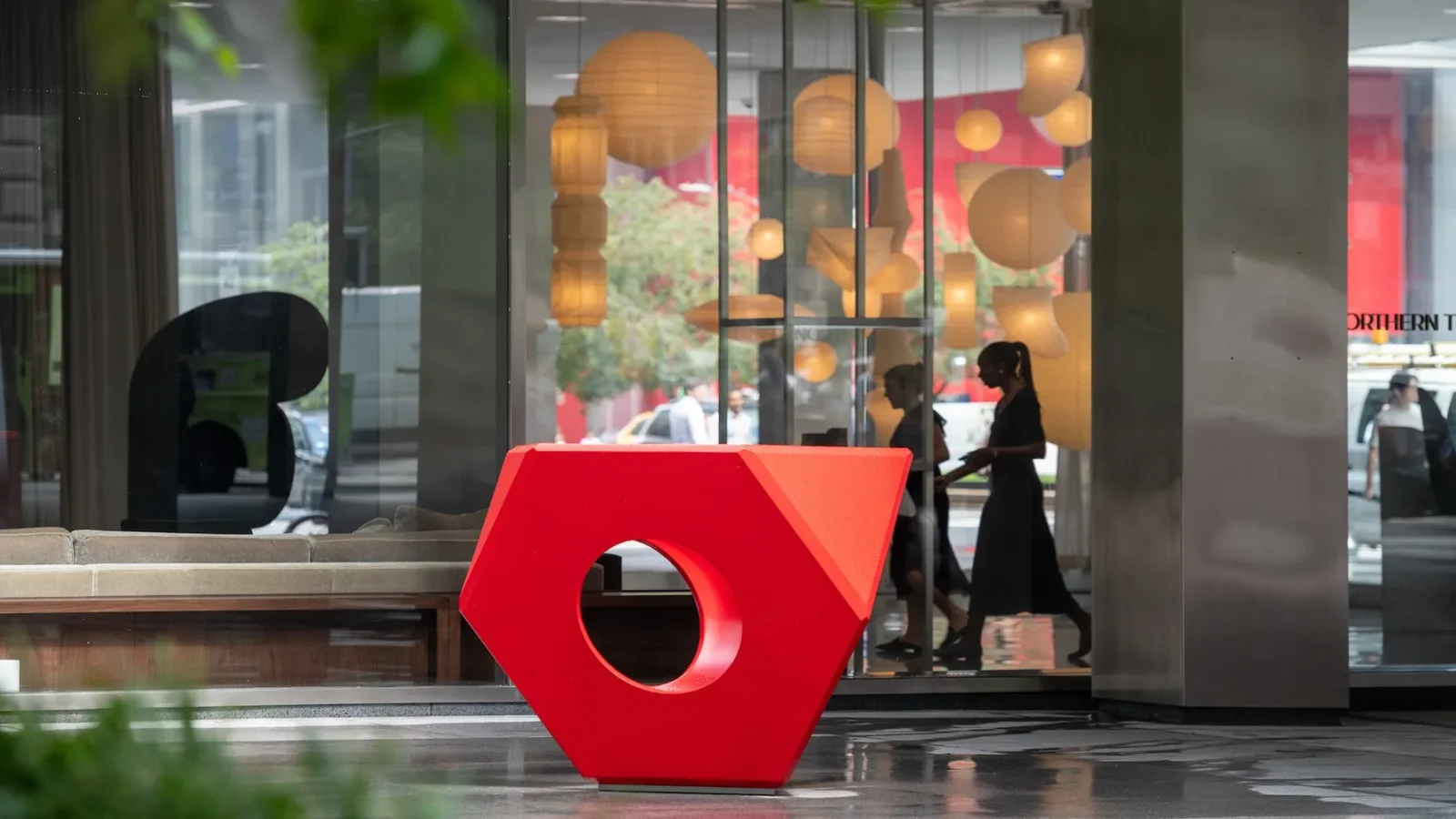
Isamu Noguchi at Lever House Traces Sculptor’s Decades-Long Collaboration with Bunshaft
Lever House's new exhibition pairs Noguchi sculptures with unbuilt garden designs made...
illustrarch Editoral Team2 Mins read
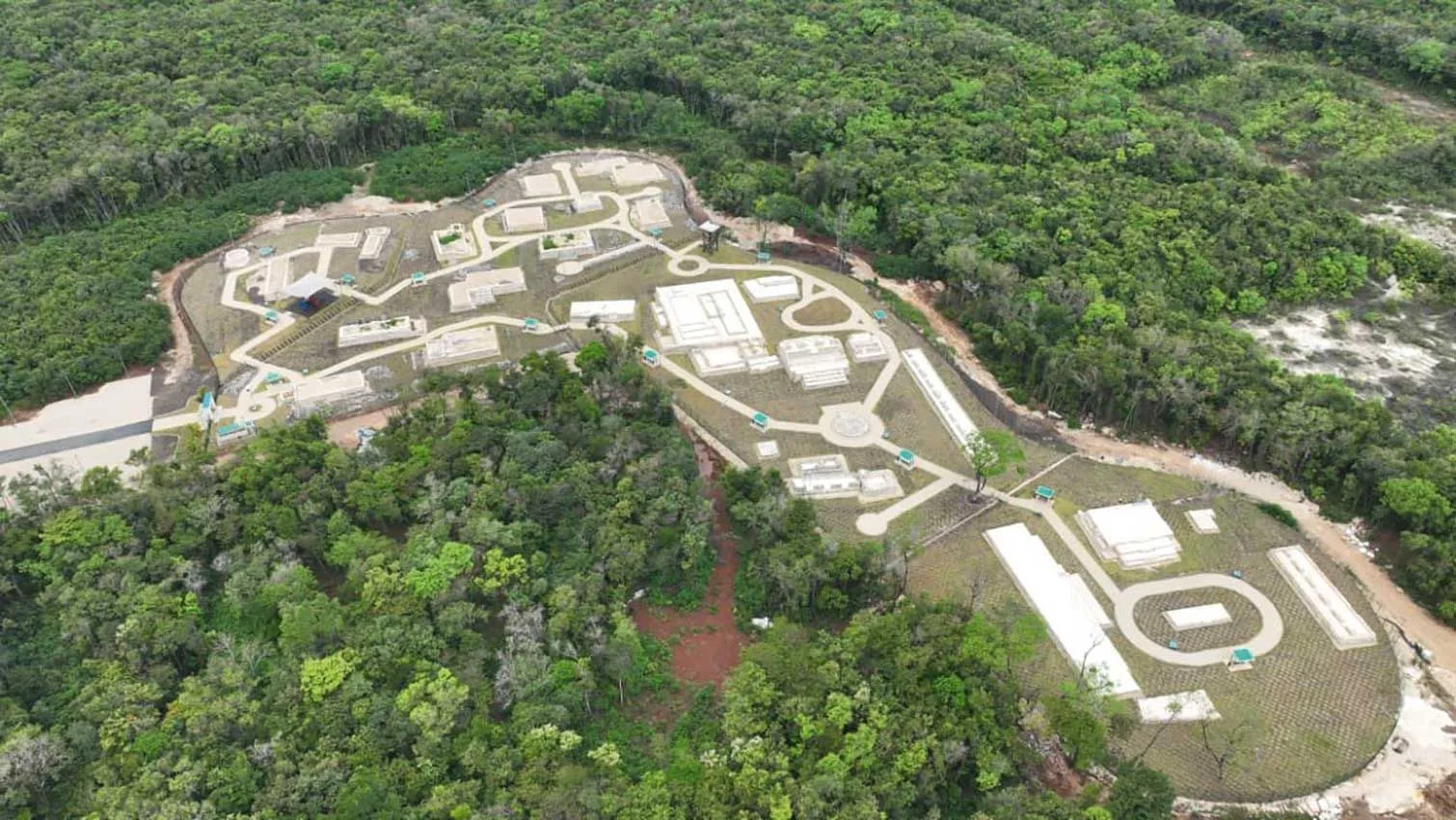
Relocated Maya Structures at Mexico’s Balam Tun Memory Park Face Legal Challenge
INAH archaeologists have filed a complaint against 26 officials over Balam Tun...
illustrarch Editoral Team2 Mins read


Leave a comment