

Toronto Installations 2026: Winter Stations Mirage at Woodbine Beach
Winter Stations 2026 transforms Toronto's Woodbine Beach with five interactive public art installations exploring illusion and reality under the Mirage theme.
 Elif Ayse Sen7 February 20266 Mins read208

Table of Contents Show
Toronto’s beloved Winter Stations competition returns for its twelfth edition in 2026, bringing five extraordinary Toronto installations to the shores of Woodbine Beach. Running from February 16 to March 30, 2026, the exhibition invites visitors to experience a captivating exploration of illusion, perception, and shared reality through interactive public art.
This year’s theme, Winter Stations Mirage, challenges artists to examine the boundary between what is seen and what is real—a timely reflection on our increasingly digital world where truth often feels as elusive as a desert shimmer. The organizers describe the concept as addressing how “the present moment feels bent and distorted by the rise of digital silos and artificial intelligence, where the truth we seek is always shifting.”
Since launching in 2015, Winter Stations has established itself as one of the most anticipated public art events in North America. The international design competition transforms dormant lifeguard stands along Lake Ontario’s waterfront into anchor points for temporary architectural installations, drawing thousands of bundled-up visitors to the beach during Toronto’s coldest months.

Winter Stations 2026 Winning Installations
After receiving hundreds of submissions from around the world, a distinguished Toronto-based jury selected five winning proposals that embody the Mirage theme through diverse artistic approaches. The jury included City of Toronto Chief Planner Jason Thorne, public art curator Katriina Campitelli, Harbourfront Centre craft-and-design leader Janna Hiemstra, and representatives from partner organizations.
Each installation offers visitors a unique lens through which to contemplate illusion, perception, and the nature of reality itself. These Woodbine Beach art installations demonstrate how temporary architecture can create profound experiences that linger long after the structures are dismantled.
Glaciate: Ice Lenses That Transform Perception

Created by students and faculty from Toronto Metropolitan University’s Department of Architectural Science in collaboration with Ming Chuan University School of Design (Canada and Taiwan), Glaciate offers perhaps the most literal interpretation of the mirage concept. The installation surrounds the lifeguard stand with a series of vertical polycarbonate panels filled with water drawn from nearby Lake Ontario.
As temperatures fluctuate throughout the exhibition, these water-filled panels create what the designers describe as “ice lenses” that cycle through phases of transparency, translucency, and full opacity. The effect produces a constantly shifting view of the iconic red lifeguard stand—never wholly visible nor wholly concealed, appearing instead through fragments, outlines, and momentary flashes of color. This elegant interplay between natural forces and architectural intervention exemplifies the power of pavilion design to create memorable experiences.
Embrace: Colossal Hands Reaching Across the Frozen Landscape

Canadian artist Will Cuthbert from Saskatchewan presents Embrace, a collaboration with Northcrest Developments that transforms the beach into a space of warmth and human connection. Two shimmering shapes emerge from the frozen ground, initially appearing as mere slivers against the sand before revealing themselves as colossal hands reaching toward one another.
The installation invites visitors to step into its embrace and experience a prismatic reflection of the day’s light and warmth. As the designers note, Embrace is “an invitation to behold and to be held”—a particularly resonant message during the isolating winter months. This piece demonstrates how interactive public art can foster emotional connections and community gathering.
Specularia: Digital Proportions Frame Physical Realities

American designer Andrew Clark, working under the studio name Tornado Soup, brings Specularia to the Toronto waterfront installations. This thought-provoking piece features five framed openings facing the lake, each offering a glimpse into the interplay between reality and deception.
One opening reveals the unobstructed truth, while the others employ periscope-like mirrors set at 45-degree angles to show mirages—fragments of the surrounding environment stripped of context, confusing distance and direction. Visitors experience the ground, the sky, the boardwalk, and their own reflections before finally seeing the true image of the lifeguard chair and lake beyond.
What makes Specularia particularly compelling is its deliberate use of familiar digital proportions. The visual ratios of 9:16, 1:1, 2:3, and 4:5—dimensions we encounter daily on our smartphone screens—frame physical realities rather than digital content. This clever commentary on our mediated perception of the world aligns with contemporary discussions about technology’s influence on design.
Chimera: Fisheye Mirrors and Fragmented Realities

The international collaboration between Denys Horodnyak (Ukraine) and Enzo Zak Lux (Germany) brings Chimera to Toronto’s shores. This installation engages with the notion of mirage through both material and conceptual perspectives, employing fisheye mirrors as aesthetic modules that distort and multiply perception.
From a distance, Chimera blends seamlessly with its surroundings, dissolving into the landscape through a cascade of mirrored repetitions. As visitors approach, the illusion unravels to reveal the framework that sustains it. In this encounter, viewers meet their own reflection multiplied and displaced—a shifting constellation of selves that provokes awareness of being observed while simultaneously observing.
The installation serves as a dialectical reflection on the fragmentation of physical and digital realities, exposing what the designers describe as “the delicate imbalance between control and security—two cornerstones that define modernity.” This exploration of surveillance and self-reflection resonates with broader conversations about architectural perception in public spaces.
Crest: A Frozen Wave of Waffled Plywood

The University of Waterloo School of Architecture and Department of Architectural Engineering presents Crest, designed by a team including Clay te Bokkel, Isabella Ieraci, Matthew Lam, Sasha Rao, Simon Huang, Oskar Peng, David Shen, and faculty supervisor Professor Fiona Lim Tung.
Crest emerges from the sand and snow as a sweeping wave frozen moments before breaking. From afar, the installation resembles driftwood washed up on the beach—a humble pile of organic material that gradually reveals its geometric precision as viewers approach. The waffled plywood form creates an optical illusion where individual pieces appear and disappear depending on the viewer’s angle of approach, merging with the landscape beyond.
The cantilever of the wave structure envelops and invites visitors to gather beneath it, sharing a moment to pause and contemplate the vast Lake Ontario coastline. As the designers explain, the installation serves as “a reminder that reality is finite, and fulfillment is found in being present.” This philosophical approach to public space design elevates the experience beyond mere spectacle.
Interactive Public Art Toronto: Engaging Visitors in Shared Experience
What distinguishes Winter Stations from conventional public art exhibitions is its commitment to interactive public art Toronto residents and visitors can physically engage with. Rather than creating objects to be admired from a distance, the installations invite participation—walking through, gathering beneath, and experiencing from multiple perspectives.
This approach reflects contemporary understanding of how architectural design transforms public spaces into vibrant community hubs. The installations function as what the organizers call “infrastructure that gathers people in shared reality”—a particularly meaningful concept in an era when digital experiences often fragment rather than unite communities.
The exhibition’s timing is intentional. Launching on Family Day (February 16, 2026), Winter Stations transforms what might otherwise be a period of seasonal hibernation into an opportunity for outdoor cultural engagement. The six-week run allows for multiple visits as installations evolve with changing weather conditions—Glaciate’s ice lenses, for example, offer entirely different experiences during freeze-thaw cycles.

Toronto Things to Do February 2026: Visiting Winter Stations
For those planning their Toronto things to do February 2026, Winter Stations offers a compelling reason to venture to the beaches during winter. The exhibition is free and open to the public throughout its run, making it accessible to all visitors regardless of budget.
The installations are located at Woodbine Beach, situated at 1675 Lake Shore Boulevard East. The site is accessible by public transit via the Queen streetcar (501 or 502) or the Woodbine bus (92). Visitors should dress warmly for the lakefront conditions and consider bringing cameras—the installations provide exceptional opportunities for photography, particularly during golden hour or after fresh snowfall.
The beachfront location offers additional amenities including nearby cafes and restaurants along the Beaches neighborhood’s Queen Street East corridor. Combining a Winter Stations visit with exploration of this charming Toronto neighborhood makes for an ideal winter day trip.

The Broader Context: Temporary Architecture and Public Engagement
Winter Stations 2026 exemplifies how temporary installations can generate lasting impact on public consciousness. Unlike permanent monuments, these time-limited interventions create urgency—visitors must experience them now or miss them entirely. This ephemerality, paradoxically, often produces more memorable experiences than permanent structures.
The exhibition also demonstrates how inspirational design can transform perceptions of familiar spaces. The Woodbine Beach lifeguard stands, unremarkable for most of the year, become anchors for extraordinary artistic expression. This transformation invites visitors to reconsider their everyday environments and imagine new possibilities for public space activation.
For architects and designers, Winter Stations represents an invaluable laboratory for testing ideas at full scale. The constraints—limited budgets, exposure to harsh weather, the requirement to work with existing structures—force creative problem-solving that produces innovative solutions. Many participating designers have gone on to develop the concepts explored at Winter Stations into larger projects, making the competition an important incubator for experimental architectural practice.

Practical Information for Visitors
Winter Stations 2026 runs from February 16 to March 30, 2026, at Woodbine Beach, Toronto. The exhibition is free and open to the public daily. For the most current information, visitors can check the official Winter Stations website or follow the organization on social media.
The five installations—Glaciate, Embrace, Specularia, Chimera, and Crest—are distributed along the beach, allowing visitors to experience each work while enjoying a waterfront walk. The entire exhibition can be explored in approximately one to two hours, though lingering with individual pieces rewards closer attention.
Whether you’re a design professional seeking inspiration, a family looking for outdoor winter activities, or a visitor exploring Toronto’s cultural offerings, Winter Stations 2026 delivers an unforgettable experience of art, architecture, and natural beauty converging on Lake Ontario’s shore.


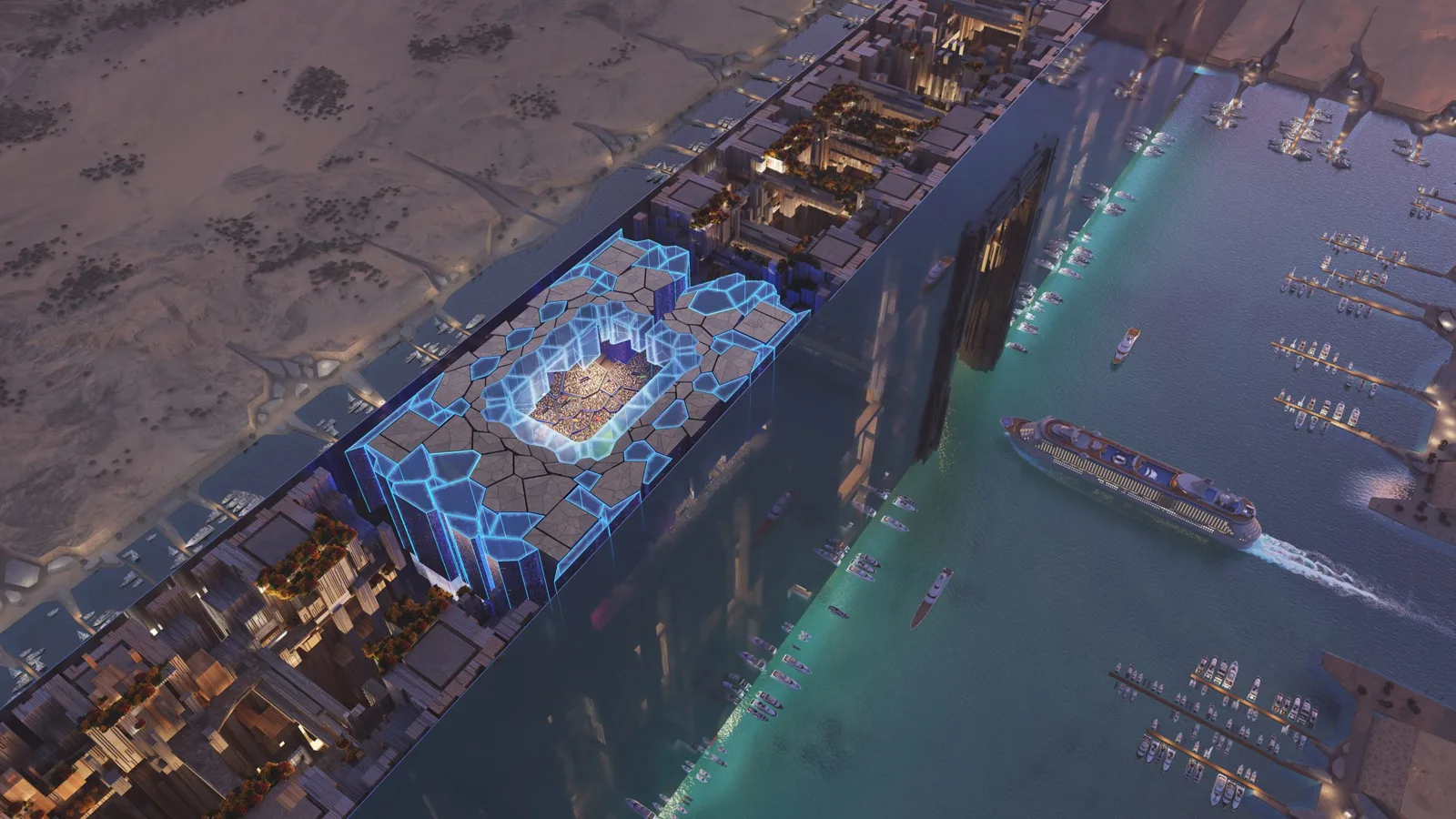
Neom Stadium, the Elevated 2034 World Cup Venue, Reportedly Shelved by Saudi Arabia
Two sources told Reuters that Saudi Arabia has put the 46,000 seat...
 illustrarch Editoral Team2 Mins read
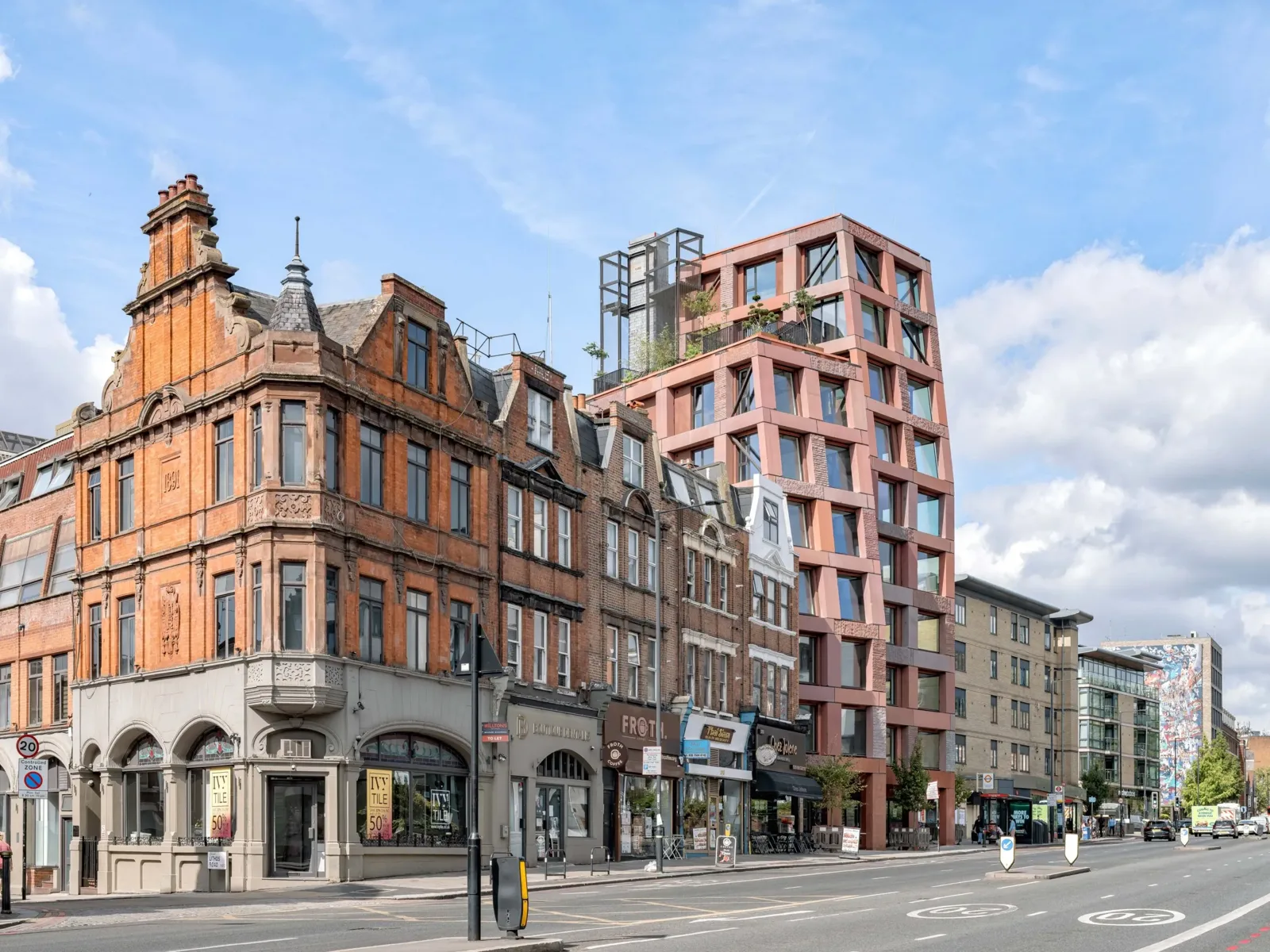
Groupwork Completes 10-Storey Loadbearing Granite Flats in London
Groupwork's Petra Heights on Finchley Road is a 10-storey block of 22...
illustrarch Editoral Team2 Mins read
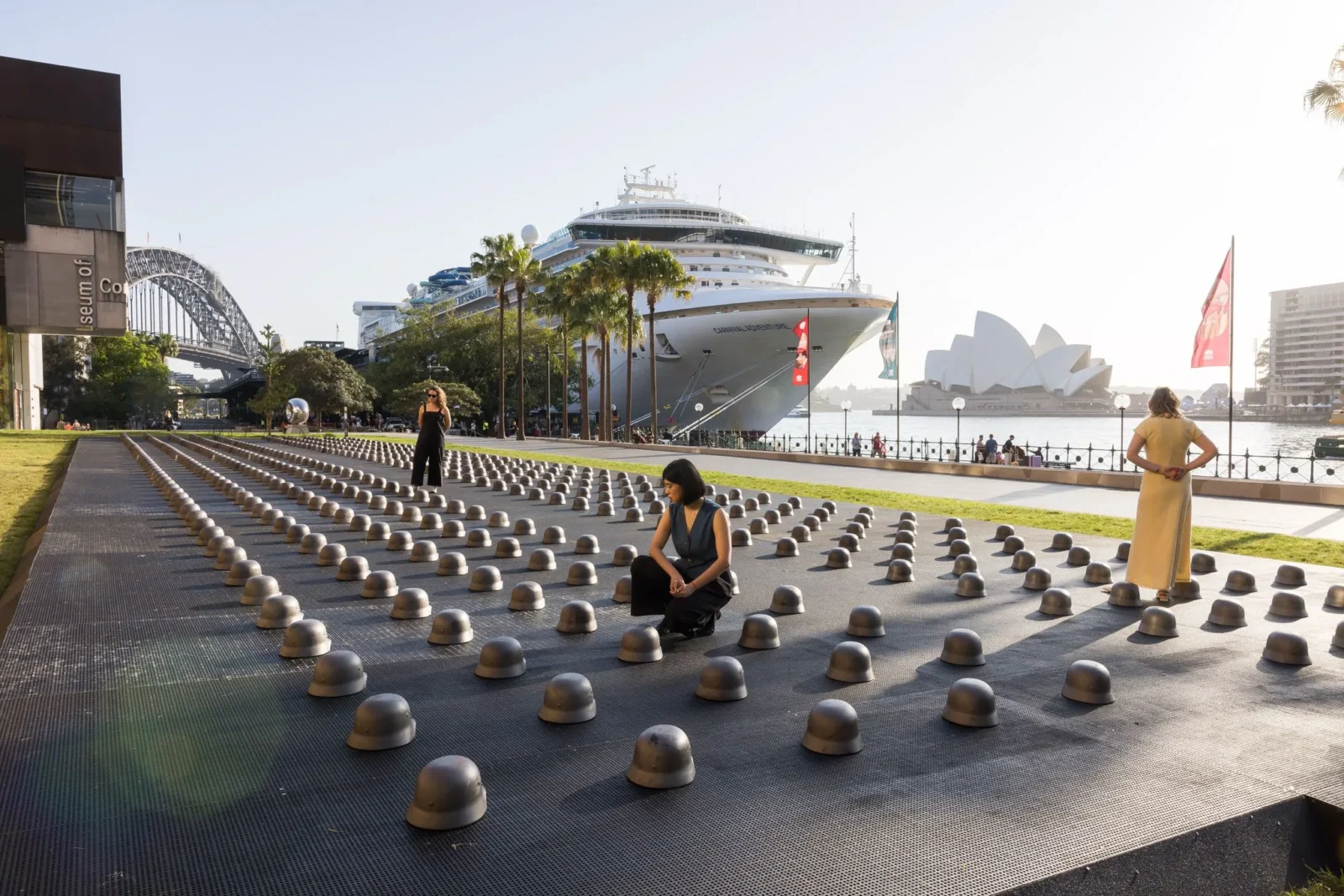
Ai Weiwei Installs 500 Cast-Iron Helmets Outside Sydney Museum
Ai Weiwei's 500 cast-iron helmets opened outside Sydney's MCA on 25 September,...
illustrarch Editoral Team2 Mins read
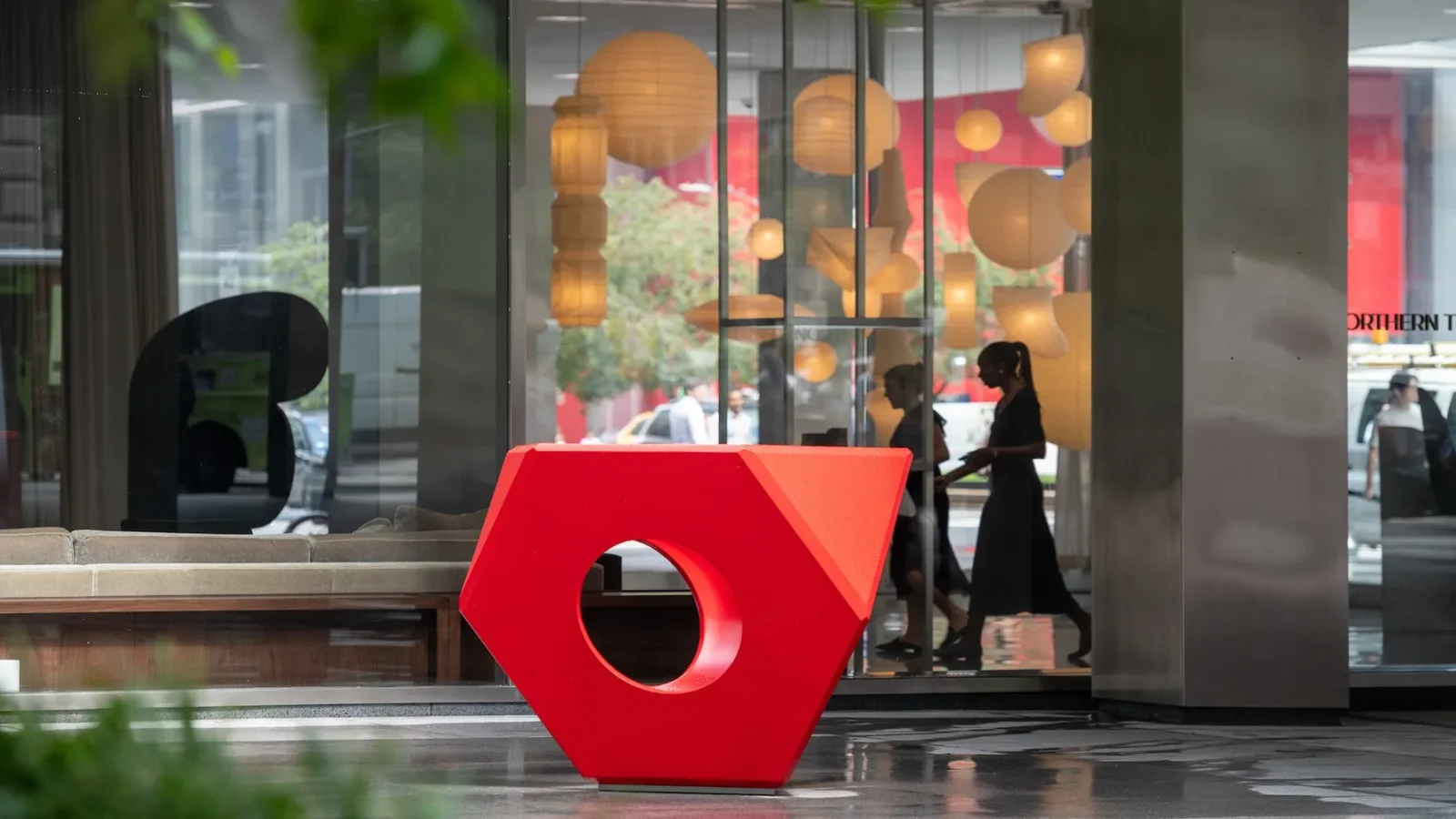
Isamu Noguchi at Lever House Traces Sculptor’s Decades-Long Collaboration with Bunshaft
Lever House's new exhibition pairs Noguchi sculptures with unbuilt garden designs made...
illustrarch Editoral Team2 Mins read


Leave a comment