

Online Network for Architects
Architects must actively develop their online networks through platforms like LinkedIn and Behance to enhance their professional visibility and career opportunities.
 Elif Ayse Sen14 April 20223 Mins read388
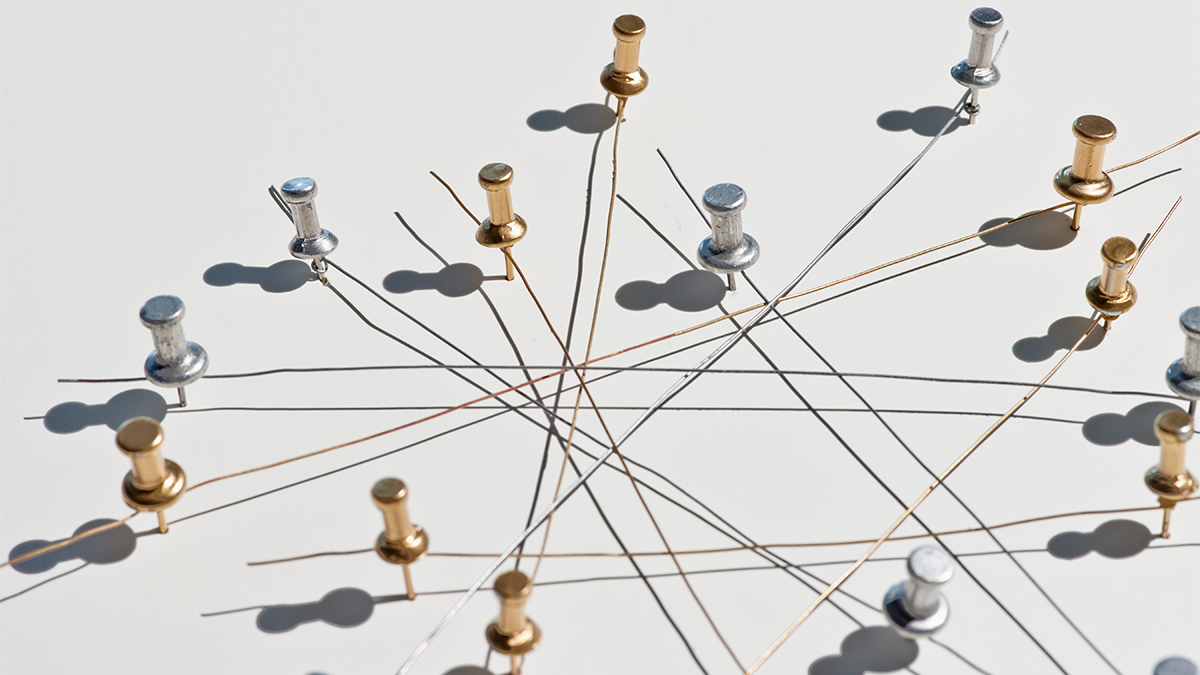
Table of Contents Show
In recent years, online meetings, business meetings, and even home-office work have become indispensable for all areas of our lives compared to the past. In particular, architects and the construction industry are particularly interested in online meetings and networks in project development and management. Architects attach importance to establishing social and professional networks in order to become more popular and recognizable in almost every period. We can say that creating such networks develops through online platforms in this field, as in every other subject.
It is a necessity for architects to develop their online networks in this period when all our work is carried out online. No matter how well you do, your online network must be well developed for your office or individual architectural identity to be recognized. Developing your career goals depends on the strong establishment of online networks. Your online networks help you reach more people.

Architects and students of architecture must find online ways to build and develop professional networks. Do you want to learn helpful tips for building and developing online networks?
First of all, we all know that it is not possible to separate your profession from your social life. As it is inevitable to continue your social life as an architect, you should also manage your social media accounts with this identity. We recommend that you at least create a professional social media profile.
If you do not have a LinkedIn membership, where you will only develop your networks in professional life, you must register and write about your competencies and experiences. Recently, many architects and architecture students are finding job and internship opportunities on LinkedIn.

In addition, it is important to upload content to sites such as Behance where you will share your portfolio and architectural content. Such websites and platforms will enable you to develop your networks through your business, especially if they include your social media accounts and e-mail information. You should keep the information on these platforms that people who review your work can easily reach you, it is important for them to reach you after your portfolio.
Choosing the Right Platforms for Your Goals
Not every online platform serves the same purpose, so it helps to match each one to a clear goal. LinkedIn is best for professional connections, job searches, and sharing industry updates. Behance and similar portfolio sites are ideal for displaying finished visual work to potential employers and collaborators. Instagram suits process shots, sketches, and behind-the-scenes content that builds a personal brand. Rather than trying to be active everywhere, focus on two or three platforms where your target audience already spends time, and keep your presence on each one consistent and current.
Building a Profile That Gets Noticed
A strong profile starts with a clear, professional photo and a concise headline that states who you are and what you do. Use the summary or bio to explain your focus, whether that is sustainable design, visualization, or urban planning, and include a link to your portfolio. List specific software skills, completed projects, and any competitions or publications. Keywords matter, because recruiters often search profiles by terms such as Revit, parametric design, or landscape architecture. Keeping these details accurate and updated makes it far easier for the right people to find you.
Engaging Without Overselling
Networking online is most effective when it feels genuine rather than promotional. Comment thoughtfully on the work of architects you admire, share articles that add value to your field, and ask questions in professional groups. When you reach out to someone new, mention why you are connecting and what you appreciate about their work instead of sending a blank invitation. Over time, these small, sincere interactions build relationships that can lead to referrals, collaborations, and opportunities you would not find through job boards alone.
Common Mistakes to Avoid
Several habits weaken an otherwise good online presence. Leaving a profile half-finished or out of date signals a lack of seriousness. Posting only when you need a job, then going silent, makes your network harder to maintain. Mixing unfiltered personal content with professional accounts can also send the wrong message to employers. Finally, ignoring messages or connection requests can close doors before they open. Treating your online network as an ongoing relationship rather than a one-time task keeps it healthy and useful.
Turning Online Connections into Real Opportunities
The goal of online networking is to create relationships that lead to real-world outcomes. When you notice a recurring conversation with a contact, consider suggesting a short video call or meeting at an industry event. Offer help before asking for it, such as sharing a resource or making an introduction, since generosity tends to be remembered. Keep a simple record of who you have spoken with and follow up periodically. With patience and consistency, an online network becomes a lasting professional community that supports your career for years.





Futuro House Production Revived in Finland After Decades-Long Hiatus
A Facebook listing for abandoned moulds led to the first new Futuro...
 illustrarch Editoral Team3 Mins read
Building Your Dream Home in NSW: What You Should Know About Montgomery Homes
Montgomery Homes has been building across Sydney, Newcastle, the Hunter, Wollongong and...
illustrarch Editoral Team4 Mins read
Designing a Home Theater: Where Drapery Fits Into the Plan
In a media room the curtains are a performance layer, not decoration....
illustrarch Editoral Team3 Mins read

Oscar Niemeyer’s Cathedral of Brasília: The Hyperboloid Concrete Hymn
The Cathedral of Brasília reads as a single gesture, yet it stood...
 Furkan Sen7 Mins read


Leave a comment