

Remembering Frank Gehry: What His 96 Years Teach Us
Frank Gehry’s passing at the age of 96 marks a significant moment in the history of contemporary architecture, closing the chapter on a career that reshaped global design culture and expanded the creative boundaries of the built environment. Renowned for his bold forms, innovative material use, and emotionally expressive buildings, Gehry transformed architecture into a medium of artistic and cultural storytelling.
 Elif Ayse Sen10 December 20254 Mins read230

Table of Contents Show
Frank Gehry was one of the most important architects of our time, a designer who changed the way we think about buildings and cities. Born in 1929, he passed away in 5th December 2025 at the age of 96, leaving the world with a deep sense of loss. Gehry was known for turning simple materials into bold, flowing shapes and for creating buildings that felt like artworks. His projects in cities like Los Angeles, Bilbao, Paris, and Prague showed that architecture can be creative, emotional, and full of life. But his legacy is not only about famous buildings. He inspired many young architects to be brave, to try new ideas, and to trust their imagination. His death marks the end of a remarkable journey, but the lessons he taught and the beauty he created will continue to guide and inspire people for many years. In this article, we’ll see his legacy in architecture and lessons he left us with his 96-years life.
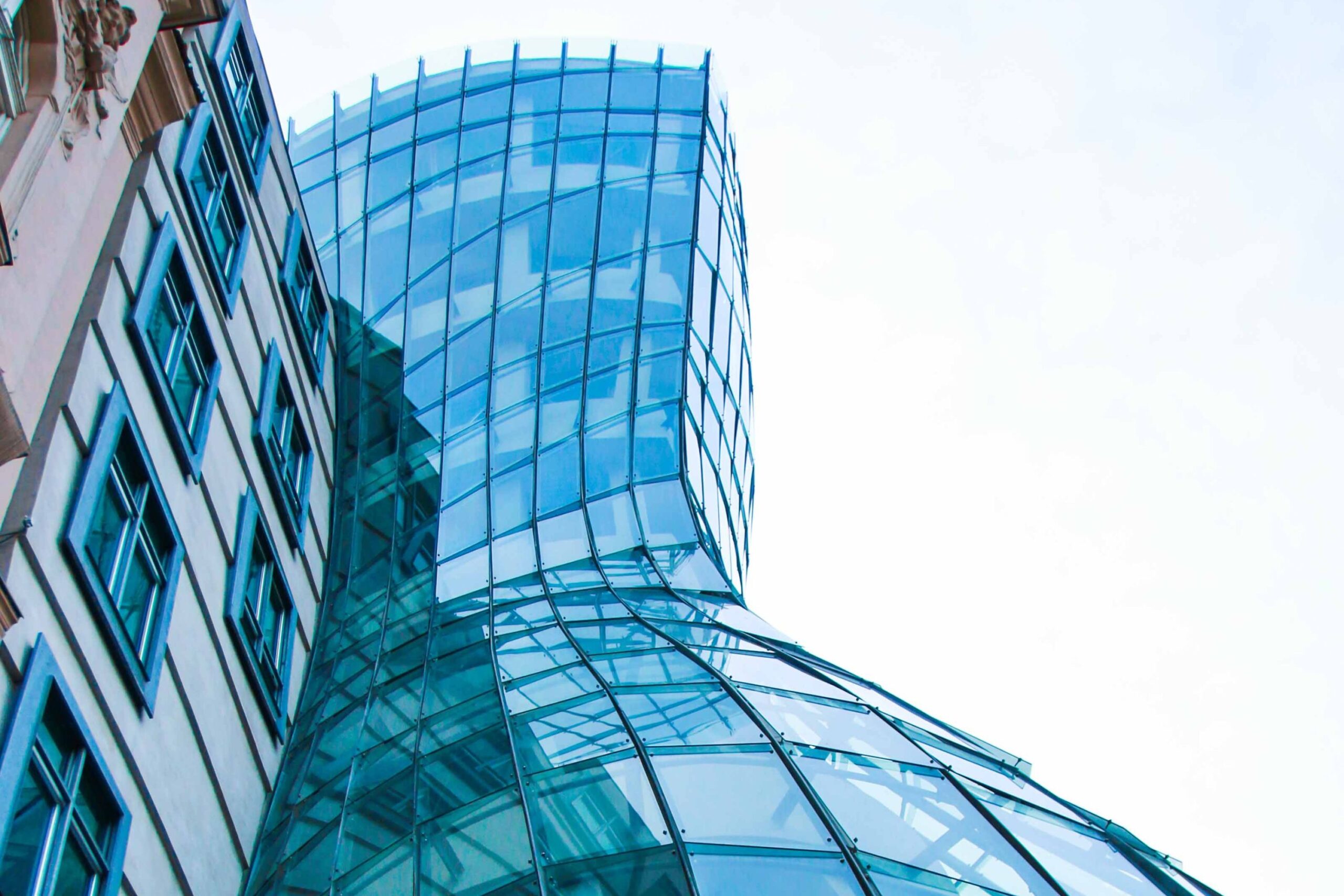
Redefining Architectural Form
Frank Gehry’s redefinition of architectural form stands at the heart of his legacy, marking a radical departure from the rigid geometries that dominated modernism and instead embracing sculptural, free-flowing shapes that seem to defy gravity and expectation. Rejecting the predictable order of orthogonal grids, Gehry carved out a new design language built on movement, fragmentation, and expressive asymmetry, an approach that positioned him as one of the central figures of the deconstructivist movement.

His buildings do not sit still; they twist, ripple, swell, and unfold like frozen gestures, giving the sensation that architecture can possess rhythm and emotion. Rather than concealing structure behind uniform facades, Gehry exposed the raw energy of forms in motion, allowing surfaces to bend and break in ways that challenge the viewer’s perception of space. This dynamic quality is why his projects feel alive, as if they capture a moment of transformation within their titanium skins or sweeping curves. In Gehry’s hands, architecture becomes less about static enclosure and more about sculptural storytelling, using form to provoke curiosity, evoke feelings, and communicate the freedom of creative expression. His innovative approach not only expanded the vocabulary of contemporary design but also encouraged generations of architects to view buildings not simply as functional containers, but as artistic objects that can breathe, move, and emotionally resonate with their users and their cities.
The Bilbao Effect and Global Cultural Impact
The opening of the Guggenheim Museum Bilbao in 1997 marked not only an architectural breakthrough but a profound social and urban transformation, proving that a single building could reshape the identity and trajectory of an entire community. What Gehry created was far more than a titanium-clad sculpture on the riverbank; he offered a new cultural narrative to a post-industrial city struggling with economic decline and social stagnation. The museum became a symbol of renewal, its fluid, shimmering form signaling a future defined by creativity rather than manufacturing.
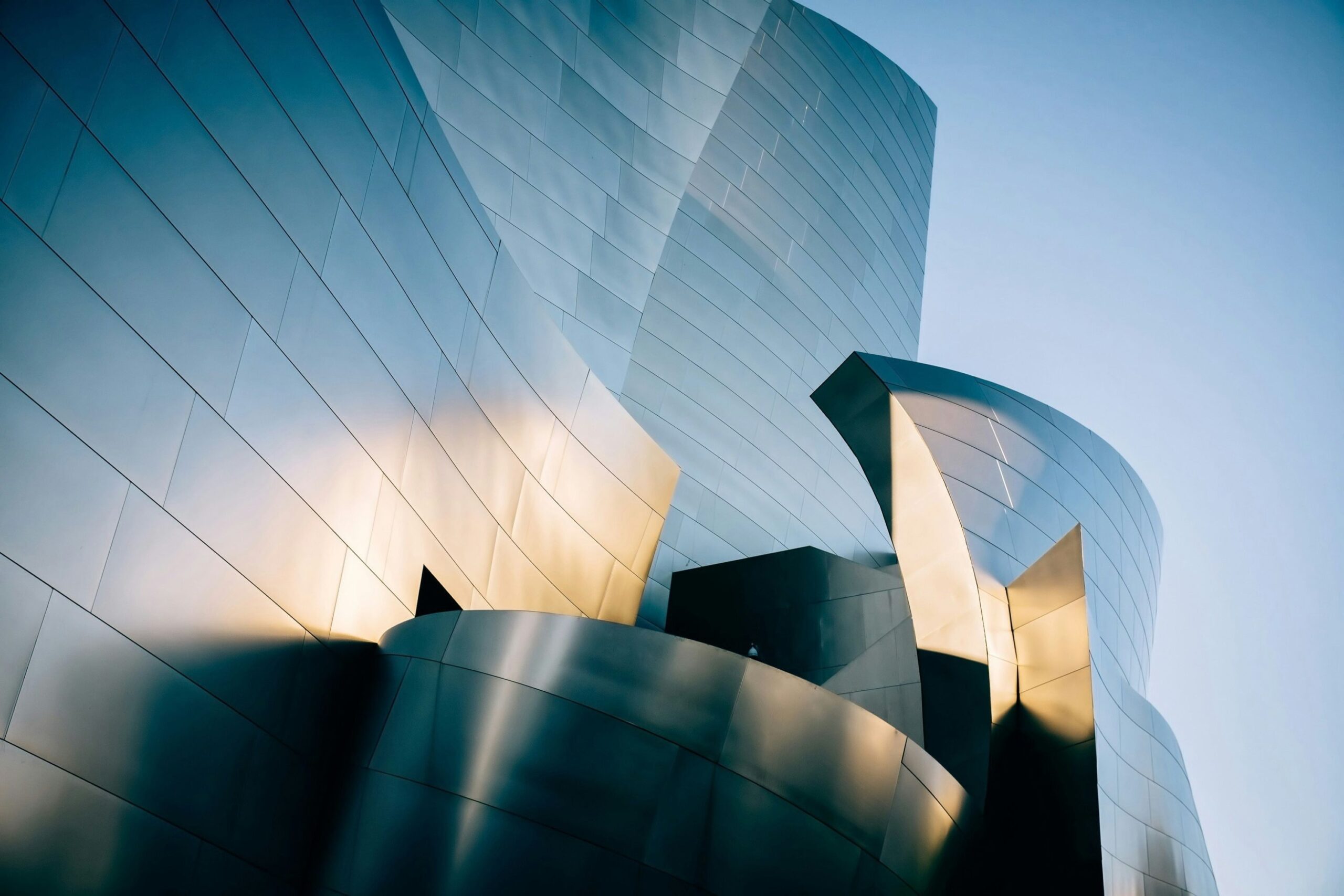
As tourism surged and global attention focused on Bilbao, residents experienced a renewed sense of pride, witnessing how architecture could reframe how the world saw their city and how they saw themselves. This shift, famously known as the “Bilbao Effect,” demonstrated that architecture is not just about designing objects but about reshaping collective memory, generating opportunity, and fostering connection. Gehry’s work in Bilbao highlighted the social responsibility embedded in architectural practice: the ability of design to stimulate economies, activate public life, and anchor a community’s evolving cultural identity. Through this project, Gehry revealed that architecture has the power to transcend its physical boundaries and participate directly in the social, emotional, and economic life of a city.
Innovation Through Materials and Technology
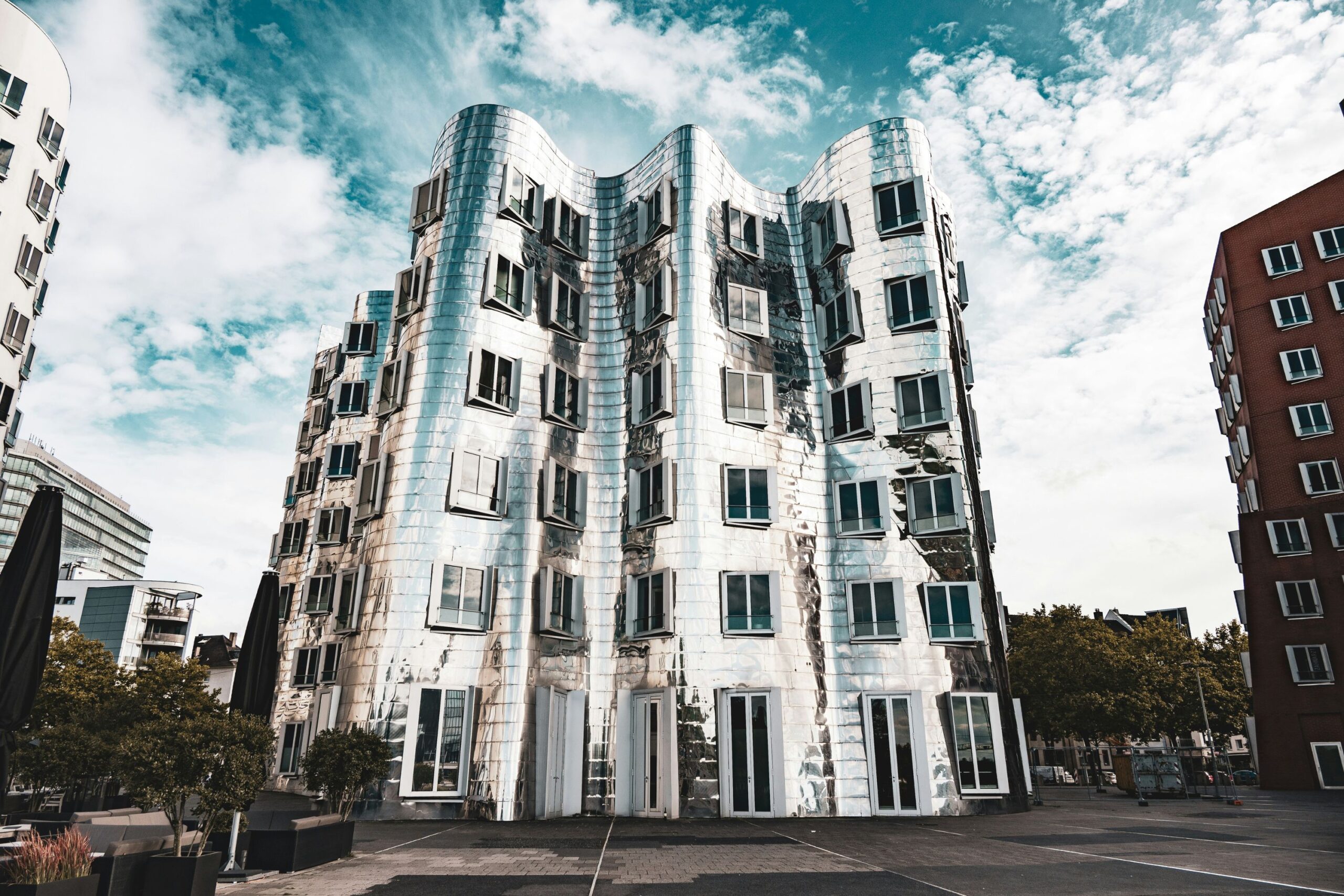
Gehry’s innovative spirit is closely tied to his unconventional use of materials. Whether bending plywood into unexpected curves or cladding vast surfaces in shimmering titanium, he used materials as expressive tools rather than constraints. Equally groundbreaking was his adoption of digital technologies. Gehry was among the first architects to use CATIA, a software originally developed for aerospace engineering, allowing him to orchestrate complex geometries with precision. This early commitment to digital craft paved the way for today’s parametric and computational design methods that define contemporary architectural practice.
Lessons From a Ninety-Six-Year Journey
- Creativity requires bravery, Gehry’s career shows the importance of taking risks, breaking rules, and embracing uncertainty.
- Innovation begins with curiosity, reminding us that new ideas often grow from questioning the familiar.
- Failure is part of the process, not an endpoint; Gehry demonstrates that setbacks can lead to deeper discovery and stronger design.
- Architecture should speak to the human spirit, creating spaces that inspire, move, delight, and challenge people.
- Reinvention is always possible, as Gehry’s long career proves that creativity can evolve at any age.
- Imagination has no expiration date, and Gehry’s continued work stands as a testament to lifelong creative exploration.

A Human Approach to Architecture
Despite his global acclaim, Gehry remains known for his humility and humor. He often speaks openly about imperfection, intuition, and the messy realities of the creative process. This transparency resonates deeply with younger architects, who see in Gehry’s journey a reminder that architecture is not only technical, it is deeply personal. His practice shows how joy, playfulness, and authenticity can coexist with high-level innovation and complex design.
Frank Gehry’s long, extraordinary career continues to influence how we imagine and shape our world. Through his iconic forms, fearless experimentation, and relentless curiosity, he expanded the possibilities of architecture. His legacy encourages future architects to think more boldly, to trust their vision, and to never stop exploring. At 96, Gehry remains a living testament to the power of creativity, proof that architecture is not just about building structures, but about dreaming with ambition and transforming those dreams into lasting, meaningful spaces.




Futuro House Production Revived in Finland After Decades-Long Hiatus
A Facebook listing for abandoned moulds led to the first new Futuro...
 illustrarch Editoral Team3 Mins read

Building Your Dream Home in NSW: What You Should Know About Montgomery Homes
Montgomery Homes has been building across Sydney, Newcastle, the Hunter, Wollongong and...
illustrarch Editoral Team4 Mins read
Designing a Home Theater: Where Drapery Fits Into the Plan
In a media room the curtains are a performance layer, not decoration....
illustrarch Editoral Team3 Mins read
Oscar Niemeyer’s Cathedral of Brasília: The Hyperboloid Concrete Hymn
The Cathedral of Brasília reads as a single gesture, yet it stood...
 Furkan Sen7 Mins read


Leave a comment