

10 Things You Need To Do To Create a Successful Architectural Portfolio
Discover 10 essential steps to create a successful architecture portfolio. From cover page design and project selection to layout tips and digital vs. print formats, this guide helps students and professionals build portfolios that impress.
 Furkan Sen21 February 202610 Mins read481

Table of Contents Show
An architecture portfolio is an organized collection of your best work that showcases your skills, capabilities, and accomplishments. In a creative field like architecture, your portfolio serves as a visual resume and a powerful tool for landing jobs, internships, and university placements. Whether you are an architecture student preparing for applications or a professional architect seeking new opportunities, knowing how to create a successful architectural portfolio can set you apart from the competition. Below, we share ten essential strategies plus bonus tips to help you build an architecture portfolio that leaves a lasting impression.
1. Find Your Audience Before You Start

Architecture is a multidisciplinary and creative field. If you are a team or firm seeking a client, showcase your interests through your portfolio. If you are a student or fresh graduate, do not try to mimic the firm you apply to. Instead, work on your genuine interests and apply to firms that align with your design philosophy. Understanding your audience shapes everything from project selection to layout choices. A professional architecture portfolio aimed at a landscape architecture firm, for instance, should emphasize different projects than one targeting a commercial design practice.
2. Design a Striking Architecture Portfolio Cover Page

The first impression you leave with your audience is the key to the success of your overall portfolio. You may spend much time compiling your best works and composing them in a visually appealing manner, but do you spend enough time designing your cover page? For a successful portfolio, the architecture portfolio cover page is as important as the content inside. In the case of a digital format, this is your landing page. It is the first impression you create on the client or reviewer. Give your best graphics and illustrate your design ideology on the cover, so that it creates genuine interest. Include your name, a clean title, and optionally a featured image from one of your strongest projects. For more guidance on cover design, check the portfolio checklist for architects.
3. Present Quality Over Quantity

Creating a portfolio of 40 to 50 pages with all your works does not make a successful portfolio. Presenting every single project from the first year of architecture school to the present makes it long and boring. Such a portfolio would show a lack of self-evaluation. Always choose three to five projects of the best quality and present them with strong visual skills. Hiring managers at architecture firms typically spend only a few minutes reviewing each portfolio, so every page should earn its place. To learn more about creating an effective portfolio, read our guide on how to create an effective architectural portfolio.
4. Show the Design Process

An architecture portfolio is not only about showing your skills through eye-catching renders and CAD drawings. It is also about expressing your approach and ideology. The process behind the projects always defines your approach to design. Show the process with neat and clear diagrams for every project in your portfolio. Include concept sketches, site analysis diagrams, iterative models, and development stages. Reviewers at firms and universities want to see how you think, not just the polished final result. According to the American Institute of Architects (AIA), demonstrating a clear design methodology is one of the key qualities employers seek in candidates.
5. Specialize in Your Field of Interest
Architecture is a diverse field that includes various domains of interest. You may be drawn to sustainable building design, landscape architecture, interior architecture, or parametric design. Your portfolio should visibly convey your area of focus. Choose the projects that best reflect your specialization and present them with your most proficient skills. A focused portfolio tells reviewers that you have depth, not just breadth. If landscape architecture is your passion, for example, highlight site planning, planting strategies, and environmental analysis. Explore undergraduate architecture portfolio strategies for additional inspiration on narrowing your focus.
6. Include Group Projects Along with Personal Work
Though a portfolio is a compilation of one’s personal work, it should include group projects to show that you also work well in teams. Architecture is a field that demands teamwork as an invaluable soft skill. Highlight your specific part of the work in a group project and give credits to other team members. This transparency builds trust with reviewers and shows your ability to collaborate, which firms value highly.
7. Keep Your Hand Sketches

Understanding technology and software is an essential part of architectural design today. Including impressive visualizations with tools like Photoshop is absolutely essential. However, sketching remains a valuable part of the design process. Showing that you can communicate ideas with quick hand sketches is vital, as this skill is becoming harder to find in modern architecture portfolios. Freehand drawings also reveal your spatial thinking and design intuition in ways that digital tools cannot replicate.
8. Put Your Graphic Design Skills to Good Use
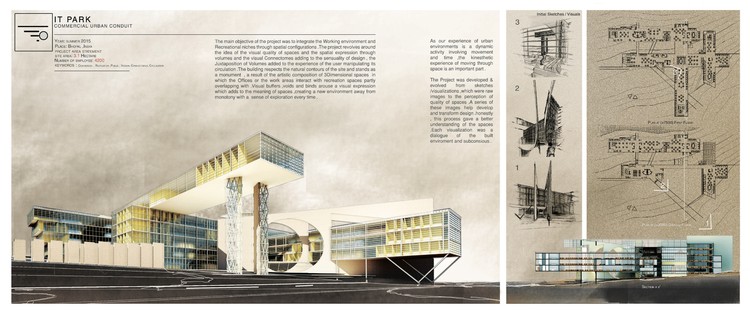
Graphic design is an integral part of architecture and interior design alike. Software tools like Adobe Photoshop, Adobe Illustrator, and Adobe InDesign help add special effects, polished layouts, and renderings that impress potential clients. Illustrating your mastery over graphic design adds to your appeal as an architect and designer. For students learning which software to use when creating an architectural portfolio, InDesign is particularly popular for portfolio layout, while Photoshop excels at post-production enhancements. You can also explore platforms like Behance and Issuu for publishing your finished architecture portfolio online.
9. Write a Strong CV or Resume

Once you finish the visual portfolio, design your CV to highlight your skills, accomplishments, awards, education, and relevant experience. Select an appropriate typography and font style that matches your overall portfolio branding. Highlight the skills most relevant to the position you are targeting. A well-structured CV page is often the first thing firms scan, so clarity and professionalism matter. To learn more, read 5 things to consider before designing your portfolio.
10. Review and Update Your Portfolio Regularly
You choose your best works, compile them, and compose them in the best way to present to your audience. But that is not enough. Whether you maintain a professional or a student portfolio, it is important to keep it alive. Review and adapt your portfolio regularly to showcase your most recent and strongest work. Remove older projects that no longer represent your current skill level and add new ones that demonstrate growth. Set a quarterly review schedule so your architecture portfolio always reflects who you are today as a designer.
Architecture Portfolio Format: Digital vs. Print
One of the first decisions you face when building your portfolio is choosing between a digital and a print format. Each has distinct advantages. A digital architecture portfolio (PDF, website, or Issuu upload) allows easy sharing via email and online platforms, supports interactive elements like embedded videos, and can be updated at any time. A printed portfolio, on the other hand, offers a tactile experience that can make a strong impression during in-person interviews. Many architects maintain both: a polished PDF version for quick submissions and a high-quality printed book for face-to-face presentations. For a deeper comparison, visit our architecture portfolio tips guide.
Video: Architecture Portfolio Review and Tips
In this video, architects from Show It Better and Upstairs review real architecture portfolios and share practical feedback on layout, project selection, and visual presentation that you can apply to your own work.
Architecture Portfolio Layout and Design Tips
A well-planned architecture portfolio layout can elevate even modest projects. Use a consistent grid system across all pages to maintain visual harmony. Choose one or two fonts and stick with them throughout the entire document. Keep color palettes neutral so that your project images remain the visual focus. White space is your ally: allow each project to breathe on the page rather than cramming multiple images into a single spread. For architecture student portfolio layouts, aim for a clean hierarchy with clear headings, brief captions, and large visuals. If you are unsure where to start, consider using an architecture portfolio template as a starting point and then customizing it extensively to reflect your personal style.
Comparison: Digital vs. Print Architecture Portfolios
The following table summarizes the key differences between digital and print portfolio formats:
| Feature | Digital Portfolio | Print Portfolio |
|---|---|---|
| Accessibility | Shareable via email, website, Issuu | Physical copy for interviews |
| Updates | Easy to edit and republish | Requires reprinting |
| Interactivity | Supports videos, links, animations | Static pages only |
| Cost | Low (PDF or free web platforms) | Higher (printing and binding) |
| Impression | Convenient and modern | Tactile and memorable |
| Best For | Online applications, email submissions | In-person interviews, portfolio days |
Do You Need a Portfolio to Apply for Architecture?
Yes, almost every architecture program and firm requires a portfolio as part of the application process. Whether you are applying to an undergraduate architecture program, a graduate school, or a professional position, your portfolio is typically the most important component of your application. Some high school students wonder if they need a portfolio for architecture school admissions. While requirements vary by institution, having even a basic collection of creative work (drawings, paintings, photographs, or design projects) gives you a significant advantage. The Royal Institute of British Architects (RIBA) and the AIA both emphasize the portfolio as a core requirement for professional development and career advancement in architecture.
Architecture Portfolio Website Options
Beyond traditional PDF submissions, many architects now maintain an architecture portfolio website. Platforms like Squarespace, Wix, Cargo, and WordPress allow you to create a polished online presence that reviewers can access anytime. An online portfolio complements your PDF version and expands your reach to international firms and clients. When building your architecture portfolio website, prioritize fast loading speeds, mobile responsiveness, and clean navigation. You can also publish your work on platforms like Issuu, where many architecture portfolios gain visibility among design professionals worldwide. For more on using social media as a portfolio tool, explore our guide on using Instagram as an architecture portfolio.
Common Mistakes to Avoid in Your Architecture Portfolio
Even talented designers can undermine their work with preventable portfolio errors. Avoid these pitfalls to keep your presentation sharp:
- Overloading your portfolio with too many projects. Stick to your best three to five works and present them thoroughly.
- Neglecting the architecture portfolio title page. A generic or sloppy cover creates a poor first impression.
- Using low-resolution images. Blurry renders or poorly lit photographs suggest carelessness.
- Ignoring grammar and spelling. Proofread every caption and project description carefully.
- Failing to tailor your portfolio to the specific firm or school. Research each opportunity and customize your project selection accordingly.
For more detailed advice on avoiding these errors, see our article on crafting an impressive architectural portfolio.
Download 250+ Portfolio Templates
Frequently Asked Questions
How do you make an architecture portfolio?
Start by defining the purpose of your portfolio, whether it is for a job application, school admission, or client presentation. Select your strongest three to five projects that reflect a range of skills and interests. Organize them with a clear layout using software like Adobe InDesign or a ready-made template. Include process sketches, diagrams, final renders, and brief project descriptions. Finish with a polished cover page and a well-designed CV. For a step-by-step walkthrough, read our guide on how to create an effective architectural portfolio.
How do you create an architecture portfolio from scratch?
Begin by gathering all your project files, sketches, photographs, and drawings. Decide on a format (digital PDF, printed book, or website). Research architectural portfolio examples on platforms like Issuu and Behance for inspiration. Build your layout with consistent fonts, colors, and grid structures. Add context to each project with a brief description covering the concept, your role, and the outcome. Export your portfolio as a high-quality PDF under 10 MB for easy email sharing, and consider creating an online version as well.
Do you need a portfolio to apply for architecture school?
Most architecture programs require or strongly recommend a portfolio as part of the admissions process. For undergraduate applications, this can include creative work like drawings, paintings, photography, or small design projects. For graduate programs, a more focused collection of architectural work is expected. Check the specific requirements of each school, as they can vary significantly.
What makes an architecture portfolio stand out?
A standout portfolio combines strong project selection with a clean, professional layout and a compelling narrative. Show your design process (not just final renders), demonstrate a range of skills, and tailor your content to the specific audience. A memorable architecture portfolio design also features consistent visual branding, high-resolution images, and thoughtful use of white space.
What is the best format for an architecture portfolio?
The best format depends on how you plan to use it. A PDF portfolio is ideal for email submissions and online applications. A printed portfolio works well for in-person interviews. Many architects also maintain an architecture portfolio website for ongoing visibility. The most effective strategy is to keep a master digital file that you can adapt for each opportunity.
- architectural design portfolio examples
- Architectural Portfolio
- architecture portfolio cover
- Architecture Portfolio Design
- architecture portfolio examples
- architecture portfolio template
- Architecture Student Portfolio
- cover page for architectural portfolio
- how to create an architecture portfolio
- Successful portfolio







Creating a Beautiful Landscape That Adds Long-Term Value to Your Home
A thoughtfully designed landscape does far more than improve the appearance of...
 illustrarch Editoral Team3 Mins read

Small Physical Brand Details That Make Architecture Events More Memorable
Table of Contents Show Why Small Physical Details Matter in Design CultureStart...
illustrarch Editoral Team5 Mins read

Why Mental Performance Matters in High-Pressure Design Professions
Table of Contents Show The Hidden Impact of Chronic Stress on PerformanceWhy...
illustrarch Editoral Team3 Mins read
Why Your Design Brief Matters More Than Your Builder Choice
Table of Contents Show What a Brief Actually Is, and What It...
illustrarch Editoral Team10 Mins read


Leave a comment