

Where To Charge Rivian: Complete Guide to Charging Locations and Networks
Rivian vehicle owners have access to a variety of charging options including proprietary networks, public stations, and home charging setups for diverse driving needs.
 illustrarch Editoral Team10 December 20257 Mins read345
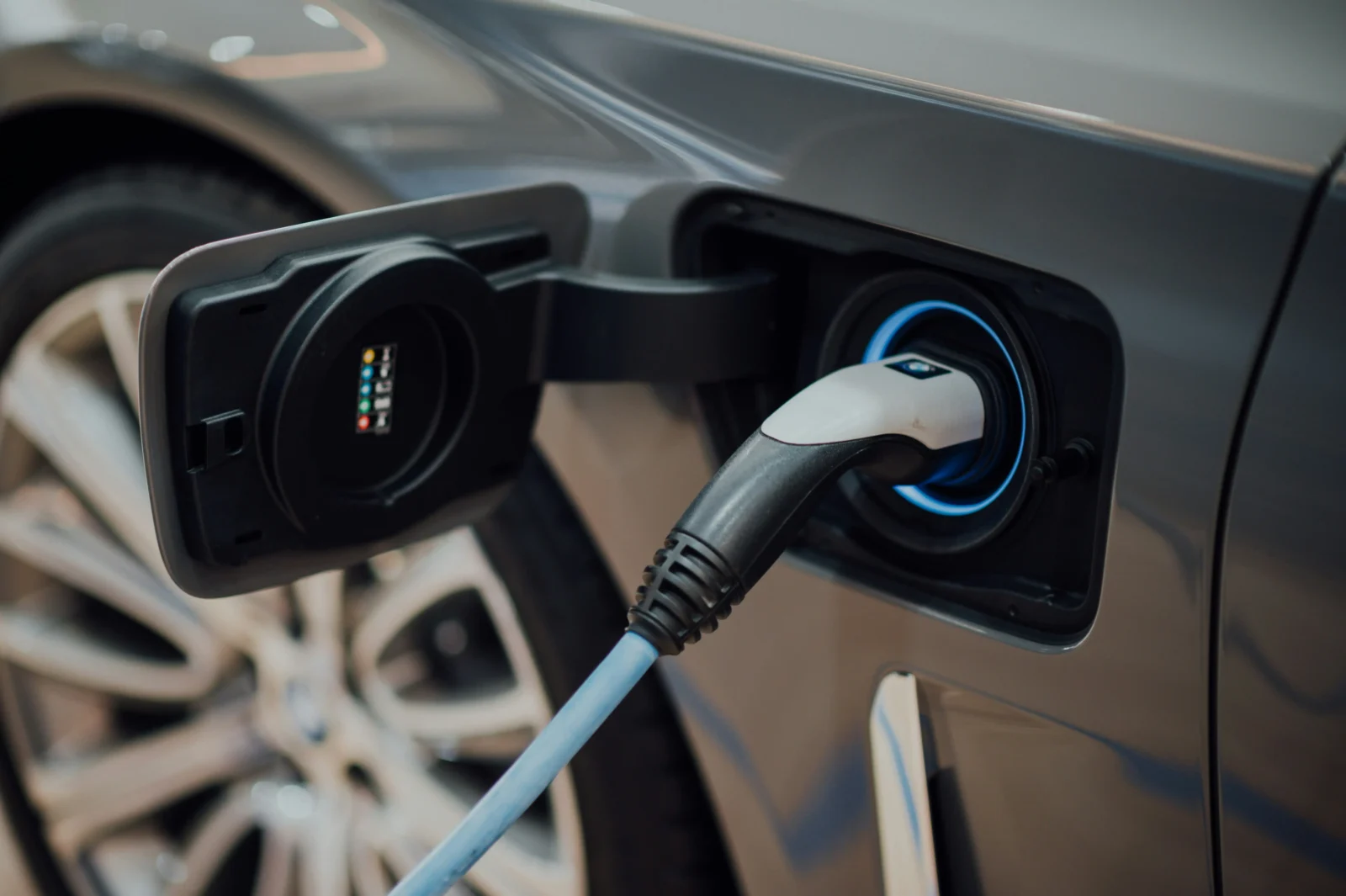
Table of Contents Show
Introduction
Rivian electric vehicle owners can charge their vehicles through multiple charging networks including the proprietary Adventure Network, major supercharger networks, thousands of public charging stations, and home charging solutions. This comprehensive access ensures Rivian drivers have reliable charging options whether they’re commuting daily, taking road trips, or exploring remote destinations.
What This Guide Covers
This guide covers all available charging options for Rivian vehicles, including dedicated networks, public charging stations, home charging setup, trip planning tools, and adapter requirements. We’ll explore charging speeds, geographic coverage, and practical strategies for different driving scenarios up to 2500 words.
Who This Is For
This guide is designed for current and prospective Rivian owners, from first-time EV buyers considering their charging options to experienced electric vehicle drivers planning long trips. Whether you’re evaluating a Rivian purchase or optimizing your existing charging strategy, you’ll find practical location guidance and network information.
Why This Matters
Charging infrastructure knowledge directly affects your daily driving experience, road trip capabilities, and overall satisfaction with electric vehicle ownership. Understanding available charging locations helps you plan routes confidently, manage range effectively, and choose the most convenient and cost-effective charging options for different situations.

What You’ll Learn:
- Rivian Adventure Network locations and capabilities
- Access to major supercharger networks and compatibility requirements
- Public charging station options and trip planning strategies
- Home charging setup and installation considerations
Understanding Rivian Charging Infrastructure
Rivian vehicles use a multi-network charging approach that provides access to proprietary fast chargers, major supercharger networks, and thousands of public charging stations across North America. This comprehensive strategy ensures drivers have multiple charging options regardless of location or trip duration.
The charging ecosystem operates through different connector types and power levels. Current model year vehicles use CCS1 charging ports, while future models will feature NACS connectors for direct compatibility with expanded charging networks. Level 2 charging is commonly used for daily routine charging needs. Level 2 charging stations can be found at home, public, and workplace locations, making them highly accessible for Rivian owners.
Charging Port Evolution
2022-2025 model years: These vehicles come equipped with CCS1 charging ports and require adapters to access certain charging networks. Owners need specific adapters to use NACS-equipped chargers, though this requirement adds minimal complexity to the charging process.
2026+ models: Future Rivian vehicles will feature built-in NACS ports, enabling direct plug-in access to major supercharger networks without adapters. This evolution simplifies the charging experience and expands immediate network access.
This connector transition connects to charging network access because adapter requirements affect which stations you can use spontaneously versus those requiring preparation and specific hardware.
Charging Speed Classifications
DC fast charging capabilities enable adding 150+ miles of range in 20 minutes at compatible stations. These high-speed chargers use direct current to rapidly replenish battery capacity during road trips or quick top-up sessions.
Level 2 charging provides slower, steady charging ideal for overnight home charging, workplace charging, and destination charging during longer stops. This alternating current charging method typically adds 25-40 miles of range per hour depending on the specific charger and electrical installation. Level 1 charging, on the other hand, is suitable for drivers who travel 30-40 miles per day and recharge their vehicles overnight.
Building on these speed classifications, your charging strategy should align with different driving patterns – fast charging for travel days and Level 2 charging for daily routine charging needs.
Transition: Understanding these foundational charging concepts enables you to evaluate Rivian’s specific network offerings and choose appropriate charging locations for different situations.
Rivian-Specific Charging Networks
Rivian has developed dedicated charging infrastructure while establishing partnerships that dramatically expand available charging options for vehicle owners.
Rivian Adventure Network
The Adventure Network operates over 780 DC fast chargers distributed across 123 physical sites spanning 37 states as of recent expansion data. These locations are strategically positioned along major travel corridors and near outdoor destinations that align with Rivian’s adventure-focused brand positioning and you can learn more in Pier Electric. Drivers can conveniently pull up to these charging stations for quick and easy access.
Network specifications:
- Charging speeds up to 300 kW capacity
- Typical sessions add substantial range in 20-30 minutes
- 100% renewable energy sources power all locations
- Geographic expansion continues quarterly with new sites and additional chargers at existing locations
The network initially served exclusively Rivian vehicles but has systematically opened to all electric vehicles. Over 65% of Adventure Network stations now accommodate any EV brand, with complete multi-brand access expected by early 2026.
Major Supercharger Network Access
Rivian vehicles can access over 21,500 supercharger stations operated by a major EV manufacturer, dramatically expanding fast charging options nationwide. This partnership provides Rivian owners with the largest and most reliable DC fast charging network in North America.
Access requirements:
- 2022-2025 models require NACS adapters (available through Rivian)
- 2026+ models plug directly into NACS-equipped chargers
- Charging speeds vary by station age and power capacity
- Payment processed through vehicle touchscreen or mobile app integration
This supercharger access transforms long-distance travel capabilities by filling coverage gaps in Rivian’s proprietary network and providing redundant charging options in major metropolitan areas.
Charging Outposts
Charging Outposts represent experiential locations positioned in scenic destinations such as national parks, mountain areas, and coastal regions. These installations combine fast charging capabilities with community gathering spaces designed for Rivian owners to connect and explore together.
Current and planned Outpost locations include destinations that complement outdoor recreation and adventure travel. These stations often feature amenities beyond basic charging infrastructure, creating destination experiences rather than purely functional stops.

Key Points:
- Adventure Network provides dedicated, renewable-powered fast charging
- Supercharger access delivers the largest network scale and reliability
- Outposts combine charging with experiential destinations for adventure-focused travel
Transition: While Rivian-specific networks provide excellent coverage, understanding public charging options ensures complete flexibility for any travel scenario.
Public Charging Options and Trip Planning
Beyond Rivian’s dedicated networks, thousands of public charging stations provide additional options for daily driving and travel flexibility.
It’s important to plan your charging stops before leaving for a trip to ensure a smooth and uninterrupted journey.
Step-by-Step: Finding Charging Stations
When to use this: Planning unfamiliar routes, exploring new areas, or identifying backup charging options during trips.
- Use integrated navigation: Access the vehicle’s built-in station locator through the touchscreen, which displays nearby chargers with real-time availability and compatibility information.
- Check third-party apps: Download charging network apps to compare prices, read user reviews, and verify station status before departing. Some apps allow you to sign in or continue with your Google account for easier access.
- Verify compatibility: Confirm charger types (CCS1, NACS, or Level 2) and ensure you have necessary adapters before arrival.
- Plan charging stops: Calculate charging needs based on current battery level, destination distance, weather conditions, and available charging options along your route.
Home and Workplace Charging
Private charging solutions address daily driving needs and provide the most convenient charging experience for regular use. To install a home charging station, consider hiring a professional installer to ensure safety and compliance with local codes; you may also be eligible for rebates or incentives that can help offset installation costs.
Rivian Wall Charger Installation
The Rivian Wall Charger delivers up to 25 miles of range added per hour of charging, making it the fastest home charging option available. This dedicated unit requires professional electrical installation but provides optimal charging speeds for residential use.
Installation considerations:
- Requires 240V electrical service and dedicated circuit
- Professional electrician installation recommended for safety and code compliance
- Location should provide convenient vehicle access and weather protection
- Off-peak hours charging can significantly reduce energy costs depending on local utility rates
- Be aware of potential fees, such as permitting fees or installation service fees, which may apply when setting up a home charging station
Statistics show that 80% of EV charging typically happens at home, making a reliable home charging solution essential for daily convenience. The Wall Charger’s speed enables complete overnight charging even with significant daily driving ranges.
Alternative Home Charging Options
Portable charging solutions offer flexibility for renters, frequent movers, or temporary installations. These units typically provide 16 miles of range per hour when connected to 240V outlets, with slower charging from standard 120V connections.
Workplace and destination charging opportunities complement home charging by adding range during work hours, shopping trips, or recreational activities. Many employers, shopping centers, and hotels now offer Level 2 charging as customer amenities.
Emergency charging from standard household outlets provides backup capability, though slow charging speeds (3-5 miles per hour) make this suitable only for maintaining charge rather than significant range addition.
Transition: Even with comprehensive home and public charging options, understanding common challenges helps you navigate real-world charging situations more effectively.
Common Challenges and Solutions
Real-world charging situations present occasional obstacles that preparation and knowledge can easily address.
Challenge 1: Adapter Compatibility Issues
Solution: Order Rivian-approved adapters in advance and verify charger types using apps or station locator tools before arrival.
Keep adapters in your vehicle at all times and familiarize yourself with different connector types. Many charging issues stem from arriving at incompatible chargers without proper adapters.

Challenge 2: Charging Speed Variations
Solution: Understand factors affecting charging speed including battery temperature, current state of charge, and charger capacity limitations.
Charging speeds naturally decrease as batteries approach full capacity and can slow during extremely hot or cold weather conditions and you can always call a 24/7 electrician. Plan extra time during temperature extremes and expect slower charging during the final 20% of battery capacity.
Challenge 3: Rural Area Charging Access
Solution: Plan routes using multiple networks, maintain higher state of charge in remote areas, and identify backup charging locations before departing.
Rural charging infrastructure continues expanding but may have gaps between stations. Use trip planning tools to identify all available charging options along your route and maintain sufficient range to reach alternative locations if needed.
Transition: Understanding these challenges and solutions prepares you to confidently use Rivian’s comprehensive charging ecosystem for any driving scenario.
Conclusion and Next Steps
Rivian owners have access to extensive charging options spanning dedicated networks, major supercharger access, thousands of public stations, and comprehensive home charging solutions. This multi-network approach ensures reliable charging whether you’re commuting locally, taking cross-country road trips, or exploring remote destinations.
To get started:
- Set up home charging by evaluating your electrical service and installing either a Wall Charger or portable charging solution based on your housing situation and daily driving needs.
- Test public charging networks in your area by locating nearby Adventure Network stations, downloading relevant charging apps, and ordering necessary adapters for your vehicle year.
- Plan your first long trip using Rivian’s integrated trip planning tools to identify required charging stops and experience the network’s capabilities on extended travel.








Futuro House Production Revived in Finland After Decades-Long Hiatus
A Facebook listing for abandoned moulds led to the first new Futuro...
illustrarch Editoral Team3 Mins read
Building Your Dream Home in NSW: What You Should Know About Montgomery Homes
Montgomery Homes has been building across Sydney, Newcastle, the Hunter, Wollongong and...
illustrarch Editoral Team4 Mins read

Designing a Home Theater: Where Drapery Fits Into the Plan
In a media room the curtains are a performance layer, not decoration....
illustrarch Editoral Team3 Mins read

Oscar Niemeyer’s Cathedral of Brasília: The Hyperboloid Concrete Hymn
The Cathedral of Brasília reads as a single gesture, yet it stood...
 Furkan Sen7 Mins read


Leave a comment