

From Blueprint to Moving Day: A Complete Guide to Building and Settling Into Your New Home
 Bahattin Duran20 December 20257 Mins read96
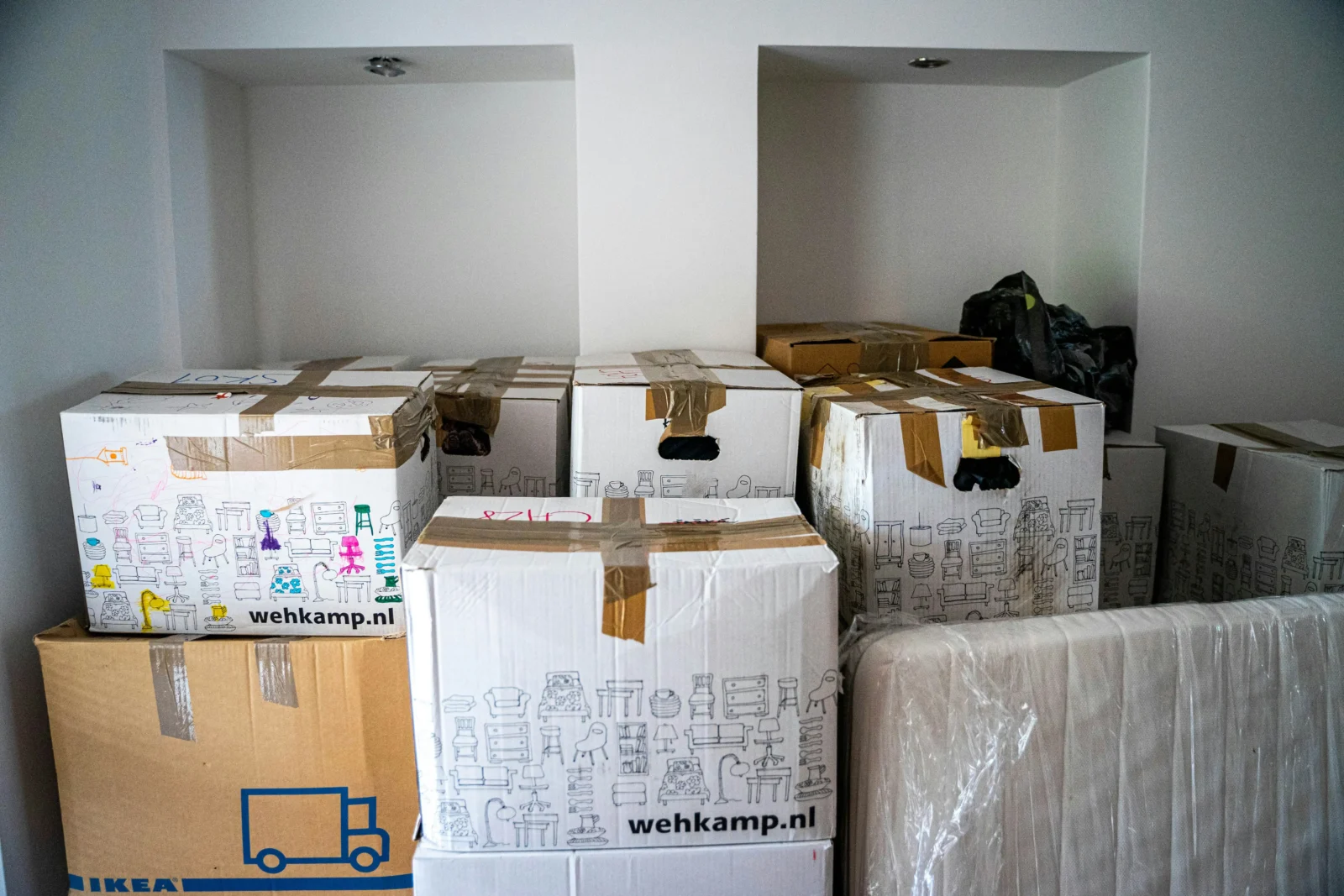
Table of Contents Show
Building a new home ranks among life’s most exciting adventures. It’s also one of the most overwhelming.
There’s the thrill of choosing floor plans and fixtures. The anxiety of budgets and timelines. The anticipation of finally holding those keys in your hand.
Most people only go through this process once or twice in their lifetime. That lack of experience makes every decision feel monumental. Which builder should you trust? What layout works best for your family? How do you actually coordinate moving days without losing your mind?
This guide walks you through the entire journey. From initial planning to unpacking your last box, we’ll cover what actually matters and what you can safely ignore.
Starting With the End in Mind
Before you fall in love with granite countertops or heated bathroom floors, take a step back. The most successful home builds start with clarity about what you actually need.
Sit down with everyone who’ll live in the house. Talk about how you use space right now. What works? What drives you crazy?
Maybe your current kitchen feels cramped during family gatherings. Perhaps you desperately need a dedicated home office. Or the kids are sharing rooms when they really need separate spaces.
Write it all down. This wishlist becomes your north star throughout the building process.
Needs vs. Wants: The Honest Conversation
Here’s where things get real. Your wishlist probably exceeds your budget. That’s normal.
Separate genuine needs from nice to haves. A fourth bedroom for your growing family? That’s a need. A wine cellar? Probably a want.
This exercise prevents costly mid build changes. Switching plans after construction starts hemorrhages money. Trust me on this one.
Think about the future too. Will aging parents move in eventually? Do you plan to work from home permanently? Building flexibility into your design now costs far less than renovating later.
Understanding Your Building Options
Not everyone realizes how many paths lead to homeownership. Each comes with distinct advantages and trade offs.
Custom Builds
Full custom construction gives you complete control. Every doorknob, every tile, every light switch reflects your choices.
The flip side? Endless decisions. Some people thrive on this. Others find it exhausting.
Custom builds also take longer. Expect twelve to eighteen months minimum. The timeline stretches further if you’re indecisive or make changes along the way.
Budget overruns happen more frequently with custom projects. That perfect imported stone you discovered? It costs three times what you allocated. These surprises add up quickly.
Volume Builder Homes
Large builders construct hundreds of homes annually using standardized designs. This efficiency translates to lower costs and faster timelines.
You’ll choose from predetermined floor plans with set options for finishes. Less flexibility, but far fewer decisions to make.
Quality varies significantly between volume builders. Research thoroughly. Visit display homes. Talk to people who’ve built with them.
The Package Approach
For many buyers, a house and land package Melbourne offers the sweet spot between custom and cookie cutter. You’re purchasing a home design paired with a specific lot in a planned development.
This bundled approach simplifies financing. One contract covers everything. Banks appreciate the reduced complexity, often resulting in smoother loan approvals.
The land component is already sorted. No separate negotiations with landowners. No surprises about soil conditions or slope issues. The builder has already factored these elements into the design.

Packages typically offer some customization within parameters. You might choose between several facade styles, select from a range of color schemes, or upgrade specific fixtures.
Timeline predictability improves dramatically. Builders working in established developments have existing relationships with suppliers and trades. They know exactly how long each stage takes.
The developments themselves often include community amenities. Parks, walking trails, and retail precincts get planned from the beginning rather than added as afterthoughts.
Designing for How You Actually Live
Pinterest boards lie. Those stunning open plan spaces with white furniture and zero clutter? Nobody actually lives like that.
Design your home around reality. If you have three kids under ten, wipeable surfaces beat designer fabrics. If you love cooking elaborate meals, prioritize kitchen workflow over aesthetics.
Traffic Flow Matters
Watch how your family moves through your current home. Where do bottlenecks happen? Where do people congregate naturally?
Good design anticipates movement patterns. The path from garage to kitchen should be short and unobstructed. Bedrooms benefit from separation from noisy living areas.
Think about sight lines too. Can parents in the kitchen see kids playing outside? Can you watch the front door from common areas?
Storage: The Unsexy Essential
Nobody daydreams about closet space. But inadequate storage ruins otherwise beautiful homes.
Build in more than you think you need. Add cabinets in hallways. Include a proper mudroom. Plan garage storage beyond just parking cars.
In the future you will be grateful. Stuff accumulates no matter how minimalist you try to be.
Natural Light and Ventilation
Windows aren’t just aesthetic choices. Their placement affects energy bills, comfort, and mood.
Understand how the sun moves across your block. Position living areas to capture winter warmth while avoiding harsh summer exposure. Northern light stays consistent throughout the day.
Cross ventilation reduces reliance on air conditioning. Strategically placed windows create natural breezes. This matters more than most people realize until they’re living with the results.
The Construction Phase: What to Expect
Ground breaks. Excitement peaks. Then reality sets in.
Construction takes longer than you want it to. Weather delays happen. Materials get backordered. Trades run behind schedule.
Stay in communication with your builder without becoming a nuisance. Weekly updates are reasonable. Daily calls asking about progress are not.
Site Visits: The Dos and Don’ts
Most builders welcome periodic site visits. Seeing your home take shape is part of the experience.
Schedule visits in advance. Don’t just show up. Construction sites have safety protocols and liability concerns.
Wear appropriate footwear. Closed toed shoes are mandatory. Open wounds from stepped on nails are not the memories you want.
Take photos during each visit. These documents progress and help you remember what’s behind walls once drywall goes up. That information becomes valuable if issues emerge later.
Navigating Variations
Variations are changes made after contracts are signed. They’re also where budgets go to die.
Some variations are necessary. Unexpected site conditions sometimes require adjustments. But discretionary changes add costs that snowball rapidly.
That upgraded tapware looks gorgeous. But at three times the standard allowance, is it worth it? Multiply that decision across dozens of selections and you understand how projects exceed budgets by tens of thousands.
If you must make changes, get pricing in writing before approving anything. Verbal estimates mean nothing when final invoices arrive.
Preparing for the Big Move
Construction wraps up. Final inspections pass. Settlement happens.
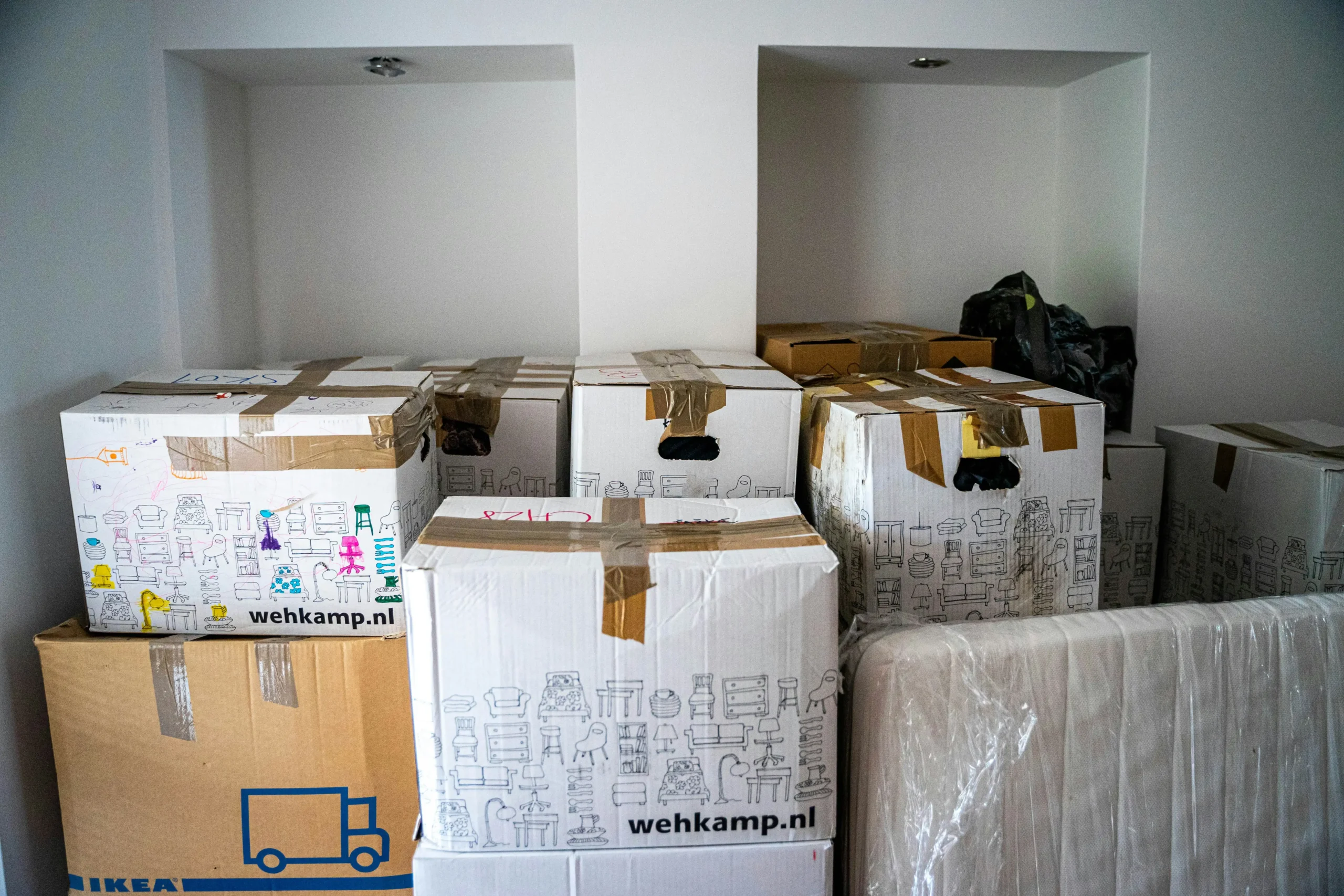
Now comes the part many people underestimate: actually moving into your new home.
Moving is physically and emotionally exhausting. Even exciting moves into dream homes involve stress and disruption. Planning ahead reduces chaos significantly.
Timeline Your Transition
Start preparing weeks before moving day. Declutter ruthlessly. Why pay to transport items you’ll just throw away later?
Notify important parties of your address change. Banks, employers, subscription services, medical providers. Create a checklist because you will forget someone important otherwise.
Arrange utility connections ahead of time. Walking into a home without electricity or internet makes an already hectic day worse.
Professional Help vs. DIY
Roping in friends with promises of pizza and beer sounds economical. It rarely works out that way.
Professional home removalists transform moving day from nightmare to manageable. They have proper equipment, insurance, and experience navigating tight spaces with heavy furniture.
The cost often surprises people by how reasonable it is. When you factor in the value of your time, potential injury risks, and relationship preservation, professionals frequently make financial sense.
Good removalists handle more than just transportation. They can pack fragile items properly. They disassemble and reassemble furniture. Some offer storage solutions if your timelines don’t align perfectly.
Book early, especially during peak moving seasons. The best companies schedule out weeks in advance. Waiting until the last minute limits options and potentially increases costs.
The First Week Essentials Box
Pack a box you’ll open first. Include items you need immediately: toiletries, phone chargers, basic kitchen supplies, medications, important documents, and a change of clothes.
Keep this box with you rather than loading it on the truck. Watching movers unload while desperate to brush your teeth is not enjoyable.
Include comfort items too. Your coffee maker. Kids’ favorite toys. Pet supplies. These small familiarities ease the transition into unfamiliar surroundings.
Making Your New House Feel Like Home
Keys in hand. Boxes everywhere. Now what?
Resist the urge to unpack everything immediately. You’ll burn out and make poor decisions about where things belong.
Start with functional spaces. Kitchen first, so you can eat. Bathrooms next, for obvious reasons. Bedrooms after that. Everything else can wait.
Living With the Space First
Don’t rush furniture purchases. Live in the home for a few weeks before deciding what you actually need.
That alcove you planned for a reading chair might work better as a kids’ play corner. The formal dining room might become a home office. Spaces reveal their ideal purposes once you inhabit them.
The same applies to decor. Wall colors look different in new lighting. Art placement depends on furniture you might not have yet. Give yourself permission to leave things undone temporarily.
Creating Memories From Day One
Your home’s story starts now. Document this phase. Take photos of empty rooms before furniture arrives. Capture the chaos of unpacking.
Some families start traditions immediately. First meal cooked in the new kitchen. First movie watched in the living room. First night sleeping in your new bedroom.
These moments matter. Years from now, you’ll look back on this chaotic, exciting, exhausting period with fondness. The stress fades. The memories remain.
Common Mistakes and How to Avoid Them
Learn from others’ regrets. These missteps occur frequently enough to warrant warnings.
Underestimating true costs tops the list. Budget buffers exist for a reason. Plan for 10 to 15 percent above your expected total. Something always costs more than quoted.
Choosing based solely on price backfires regularly. The cheapest builder, the lowest quote from movers, the budget fixtures. You often pay twice when quality suffers.
Ignoring the neighborhood dooms otherwise perfect homes. Research the area thoroughly. Visit at different times of day. Talk to future neighbors if possible.
Making emotional decisions under pressure leads to regret. Take time with big choices. If someone pushes you to decide immediately, that pressure itself is a red flag.
The Journey Is Worth It
Building and moving into a new home tests your patience, strains your budget, and challenges your relationships.
It’s also incredibly rewarding.
Walking through rooms you designed for your family. Watching kids pick their bedrooms. Cooking the first meal in your dream kitchen. Hosting friends and family in a space that reflects who you are.
These experiences make the frustrations worthwhile.
Take the process step by step. Research thoroughly before committing. Build relationships with professionals you trust. Stay flexible when things don’t go according to plan.
Your future home is waiting. The path there might twist and turn, but the destination makes every challenge worth facing.
Start with clarity about what you need. Choose building options that match your priorities. Invest in support where it matters most. And when the moving day finally arrives, take a moment to appreciate how far you’ve come.
You’ve got this.







Architectural Detail Drawings: What They Are and How to Create Them
A practical guide to architectural detail drawings covering their purpose in construction...
 Elif Ayse Sen15 Mins read

MSI Titan 18 HX Review for Architects: Specs, Performance, and Limitations
A detailed MSI Titan 18 HX review through the lens of architectural...
 Furkan Sen15 Mins read

Top 10 Architecture in the USA: Ranked by Revenue, Awards, and Specialty
A ranked breakdown of the top architecture firms in the USA covering...
Furkan Sen13 Mins read

Kingdom Centre Tower: Riyadh’s Inverted Parabolic Arch and Sky Bridge Explained
A detailed look at Kingdom Centre Tower in Riyadh, Saudi Arabia, covering...
 Sinan Ozen9 Mins read


Leave a comment