

Why Your Architecture Portfolio Matters: A Complete Guide
An architectural portfolio is your professional identity as an architect. From the cover page to template selection and online presence, learn why this document is critical for landing jobs, academic admissions, and client opportunities — plus expert tips on structure, size, and the best portfolio examples.
 Muhammad Abdullatef - Tifa Studio22 January 20265 Mins read349
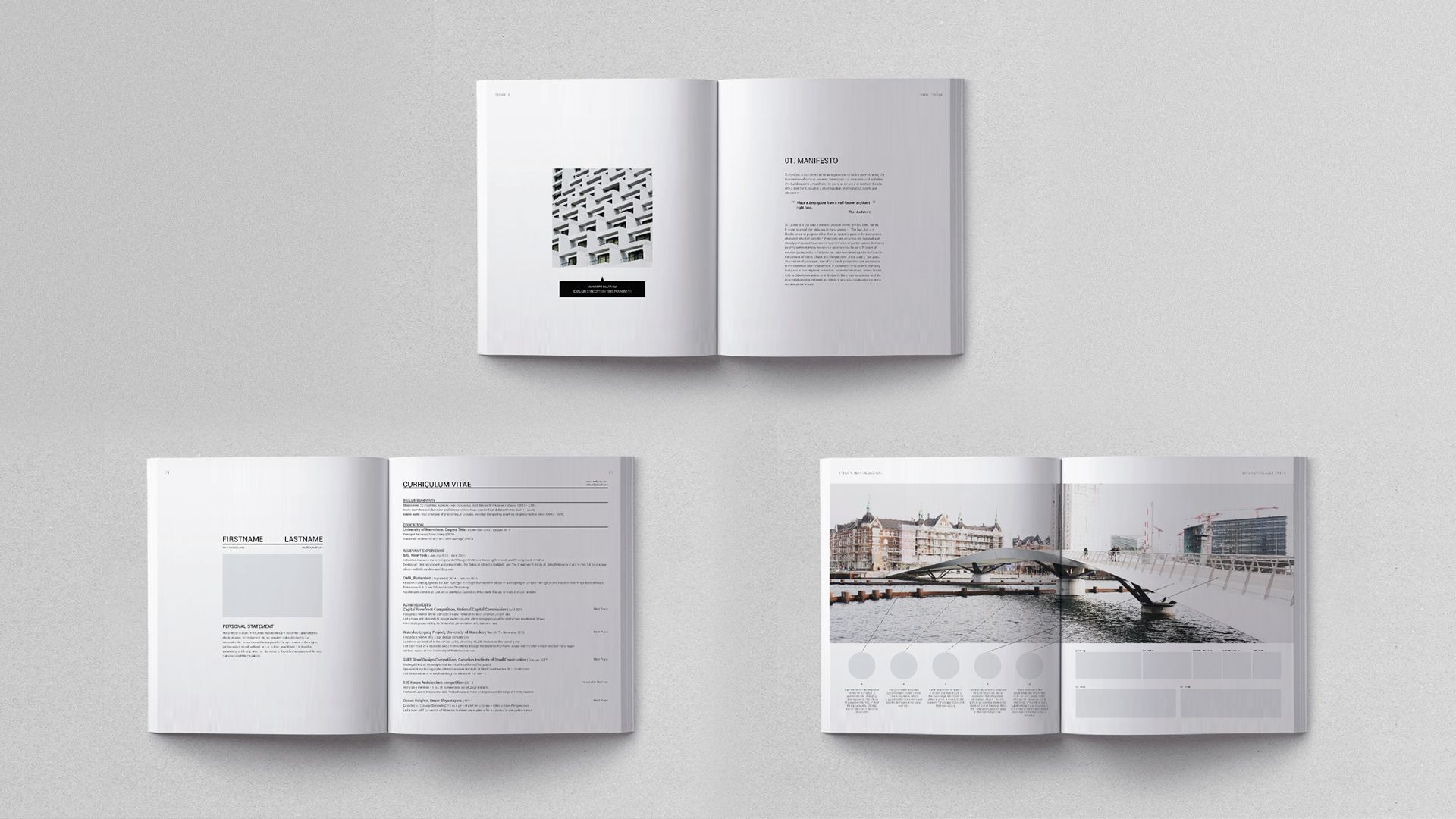
Table of Contents Show
An architectural portfolio is a unique document that shows your professional and academic story through imagery, text, composition, and format. Whether you are a student preparing your first undergraduate architecture portfolio or a seasoned professional updating your credentials, this essential tool reflects your personality, innovative thinking process, and ability to express yourself by various means. The aim is to distinguish yourself in a competitive field — and the best architecture portfolio is one that communicates your design identity at first glance.
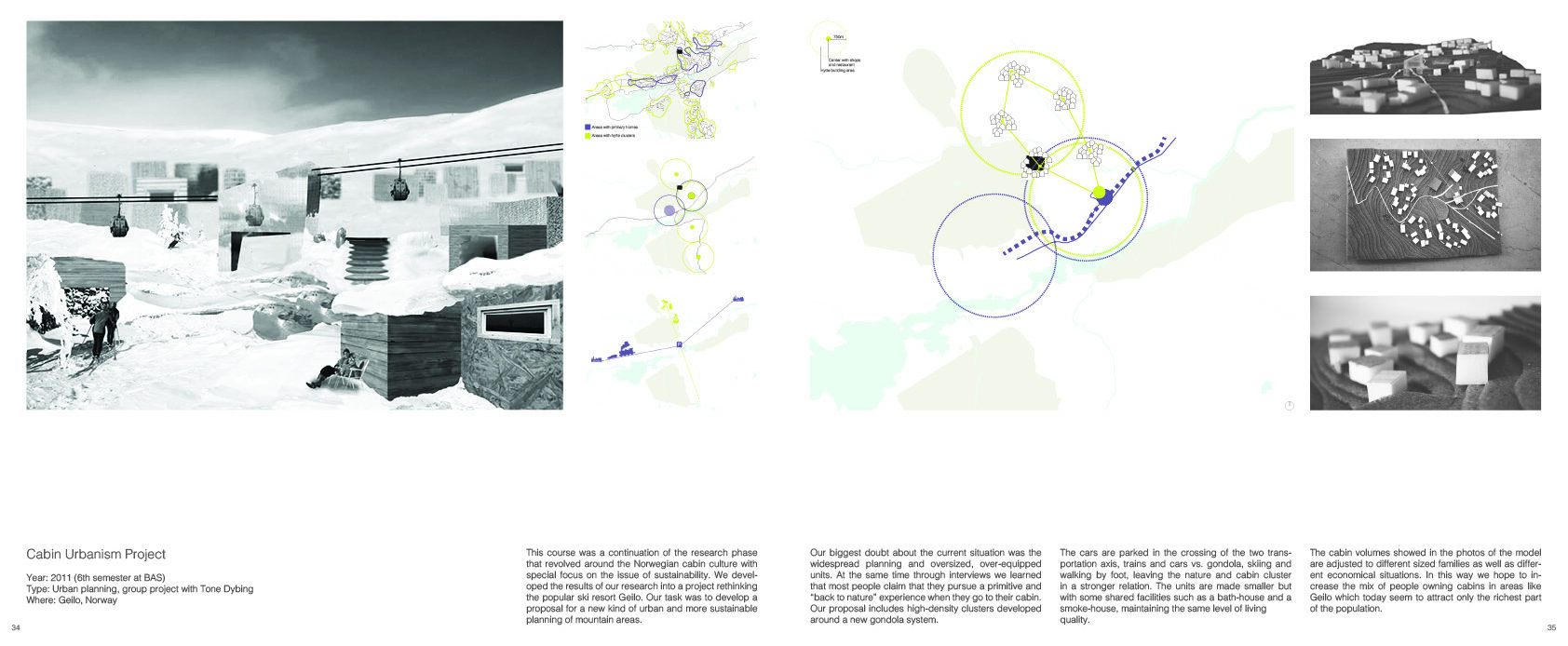
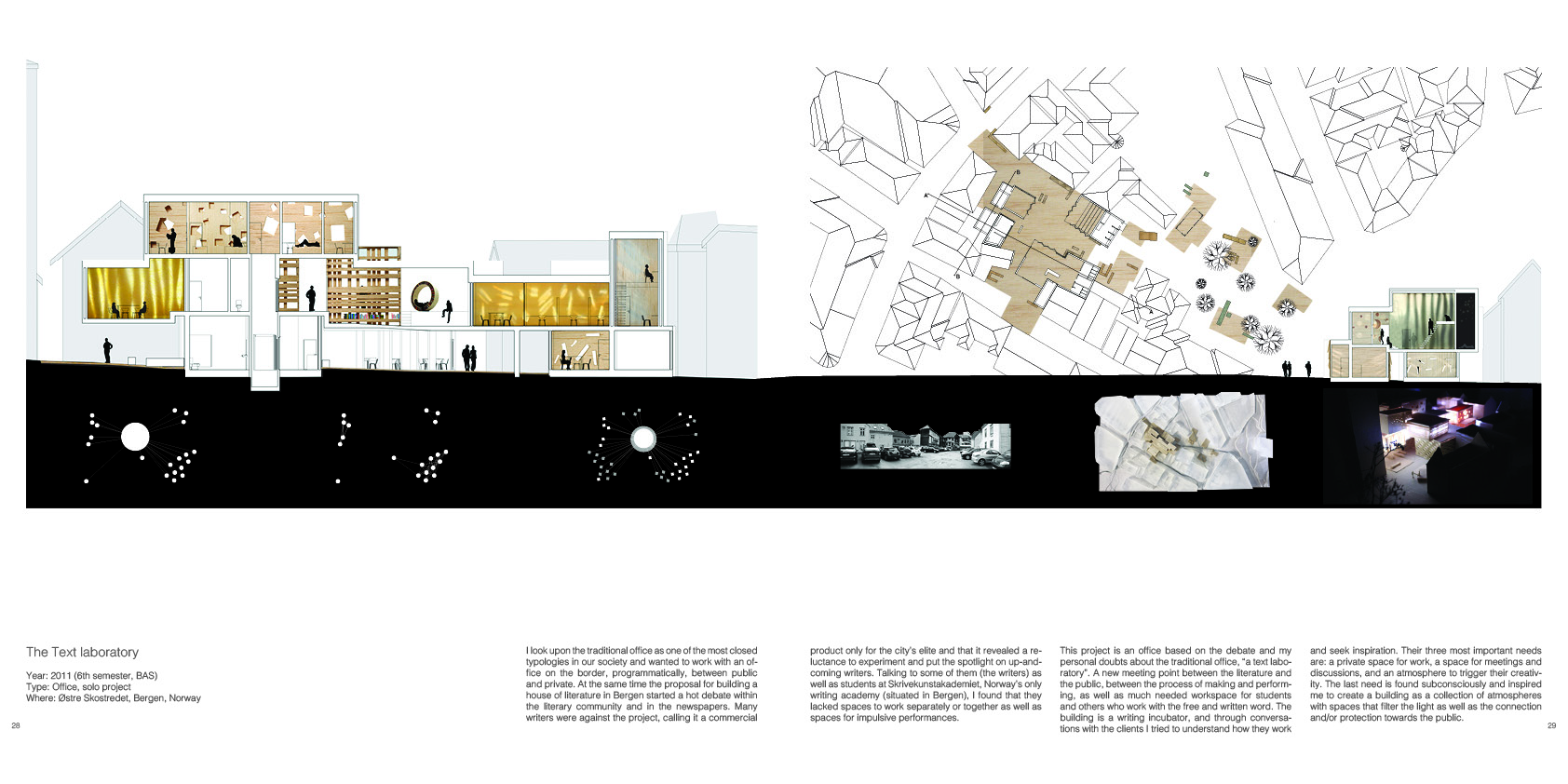
A portfolio is an introductory presentation from an architect that not only reveals work experience but is also an instrument that represents the style and personality that separates him from the rest. From the portfolio cover page architecture to the final project spread, every element should work together to tell a compelling visual narrative.
Reach Our Portfolio Templates!

You can also create a portfolio of academic work and make the most of your artistic abilities while developing it, whether you are a student or recently graduated and have no work experience. It may include projects carried out in school studios, participation in competitions and other related events, such as photographs or magazine or article publications. Many students find inspiration by browsing a Behance architecture portfolio collection to see how others present their academic work.
If you want a great position, you need a great portfolio!

Briefly, a portfolio is a tool for self-promotion as it represents your character, your personality and your view of the world, so just be yourself and follow some easy tips to get the best out of this. If you need structured guidance, explore our guide to building a strong architecture portfolio for detailed steps.
In short words, you need a portfolio for:
-Professional opportunity
-Academic application (scholarship, master’s, PhD, etc.)
-Showcase (a record or archive of your work)
In brief: An architecture portfolio is one of the most important items an architect and/or architecture student should have because simply it is your identity!
What Makes a Good Architecture Portfolio Stand Out?
A good architecture portfolio goes beyond simply compiling your projects into a document. It tells a story — your story — through carefully curated work, thoughtful layout, and consistent visual language. According to ArchDaily’s portfolio design review, hiring managers and admissions committees often evaluate the design quality of the portfolio itself, not just the architectural projects within it. This means your composition, typography, and graphic sensibility matter as much as your renders and plans.
The key elements that define a standout portfolio include a strong architecture portfolio cover page that sets the tone, a clear visual hierarchy that guides the viewer, and a balance between imagery and concise project descriptions. Whether you are submitting a printed booklet or a digital PDF, the first impression often determines whether the reviewer continues reading.
Architecture Portfolio Cover Page and Title Page
The portfolio cover page architecture is arguably the most critical spread in your entire document. It is the first thing a potential employer or university admissions officer sees, and it must communicate professionalism, creativity, and intent. A well-designed architecture portfolio title page typically includes your name, professional title or degree program, contact information, and a single powerful image or graphic element that hints at your design sensibility.
Avoid cluttering the cover with too many projects or text. Instead, opt for a clean, bold design that reflects the aesthetic tone of the portfolio content. Many of the most successful architecture portfolios use a minimalist approach — strong typography paired with a single high-quality image or an abstract graphic composition.
Architecture Portfolio Table of Contents and Structure
A well-organized architecture portfolio table of contents helps reviewers navigate your work efficiently. Especially for longer portfolios containing multiple projects, a clear table of contents demonstrates your organizational skills and respect for the reader’s time. Structure your content logically: start with a personal statement or brief biography, follow with your strongest project, and arrange the remaining work to show diversity and growth.
Consider grouping projects by type (residential, commercial, academic) or chronologically to show your development as a designer. The Architecture Portfolio Guide by Archisoup recommends always leading with your strongest project and ending with work that represents your broader interests, such as photography, writing, or competition entries.
Choosing the Right Architecture Portfolio Size and Format
The standard architecture portfolio size varies depending on your purpose. For job applications, A3 landscape or US letter landscape formats are common. For academic submissions, many universities specify their preferred dimensions. Digital portfolios in PDF format should be optimized for screen viewing, typically at 150–200 DPI for a balance between quality and file size.
The number of pages matters too. Entry-level portfolios typically range from 20 to 30 pages, while professional portfolios may extend to 40 or more. Regardless of length, every page must justify its presence. As our article on the ideal portfolio size for architects explains, quality always outweighs quantity when it comes to project selection.
Architecture Portfolio Templates: A Starting Point
Using an architectural portfolio template can save considerable time, especially for students and recent graduates. Architecture portfolio templates provide pre-designed layouts with consistent typography, grid structures, and placeholder sections that you can customize with your own work. Platforms like Adobe InDesign, Canva, and dedicated architecture template providers offer a wide range of options suited to different styles and purposes.
However, templates should be a starting point, not the final product. The best portfolios always incorporate personal touches that reflect individual design identity. Customize colors, fonts, and layout proportions to match your aesthetic. If you want ready-made solutions, you can explore our portfolio templates designed specifically for architecture professionals.
Best Architecture Portfolio Examples and Inspiration
Studying architecture portfolio examples from other professionals is one of the most effective ways to improve your own work. Platforms like Behance and Issuu host thousands of architecture portfolio samples from students and professionals worldwide. When reviewing these examples, pay attention to how they handle project sequencing, use of white space, and the ratio of images to text.
Notable figures in architecture have also set benchmarks through their portfolio presentations. For instance, Bianca Censori’s architecture portfolio gained attention for its clean, conceptual approach that emphasized spatial thinking over decorative graphics. Studying such examples can help you understand different stylistic directions for your own portfolio.
For curated examples, see our collection of tips for creating an architectural portfolio that includes visual references and strategic advice.
Building Your Architecture Portfolio Site
In 2025, having an architecture portfolio site is no longer optional — it is expected. An online portfolio allows potential employers and clients to access your work instantly via a shared link. Platforms like Squarespace, Wix, Cargo, and Format offer architect-friendly templates that emphasize visual content and clean navigation.
Your digital portfolio should mirror the quality and structure of your print version while taking advantage of web-specific features like video walkthroughs, interactive plans, and easy contact forms. Keep the interface minimal and fast-loading, and ensure your site is mobile-responsive — many reviewers will first encounter your work on a phone or tablet.
For more on building an effective online presence, read our article on building an effective portfolio and learn how to create an effective architectural portfolio from scratch.
Why Your Architecture Portfolio Is Your Professional Identity
Ultimately, your architectural portfolio is more than a collection of project images. It is your professional identity — a curated narrative that communicates who you are as a designer, thinker, and collaborator. Whether you are applying to a competitive architecture job, pursuing a graduate program, or pitching to a new client, your portfolio speaks before you do.
Invest the time to refine every detail: from the architecture cover page portfolio to the final project description, from typography choices to image resolution. A well-crafted portfolio does not just display your work — it demonstrates the same level of care, precision, and creativity that you bring to your architectural practice. For a comprehensive walkthrough, visit our ultimate architecture portfolio guide.
- architectural portfolio design
- architectural portfolio template
- architectural portfolio templates
- architecture cover page portfolio
- architecture portfolio application
- architecture portfolio cover
- architecture portfolio example
- architecture portfolio examples
- architecture portfolio issuu
- architecture portfolio pdf
- architecture portfolio sample
- architecture portfolio site
- architecture portfolio size
- architecture portfolio table of contents
- architecture portfolio template
- architecture portfolio templates
- architecture portfolio title page
- behance architecture portfolio
- best architecture portfolio
- bianca censori architecture portfolio
- good architecture portfolio
- how to design portfolio
- illustrarch portfolio designs
- portfolio architecture cover page
- portfolio cover page architecture
- portfolio design for architects
- portfolio templates
- portfolio templates for architects


2 Comments





Back-to-School Playlist: Music for Late-Night Studio Sessions in Architecture School
Every architecture student knows the feeling of working past midnight with a...
 Sinan Ozen11 Mins read

How to Keep Your Home Cool During Indiana Summers
Table of Contents Show Change Air Filters RegularlyUse Your Thermostat WiselyBlock Out...
 illustrarch Editoral Team2 Mins read
What Is an Architectural Site Plan?
An architectural site plan is a scaled drawing showing a building's layout...
 Furkan Sen8 Mins read
Architectural Site Plan: A Practical Guide to Elements, Types & Drawing Tips
This guide breaks down the architectural site plan from its core elements...
Furkan Sen13 Mins read


This post explains what an architecture portfolio is. It sounds important for showing your work and style.
I think a portfolio can help in finding jobs or schools. The tips seem helpful for making one.