

What Is an Architectural Site Plan?
An architectural site plan is a scaled drawing showing a building's layout on a parcel of land, including property boundaries, topography, utilities, and landscaping. This guide covers key elements, the difference between site plans and floor plans, step-by-step creation process, common mistakes, and why site planning is essential for every project.
 Furkan Sen9 June 20268 Mins read178
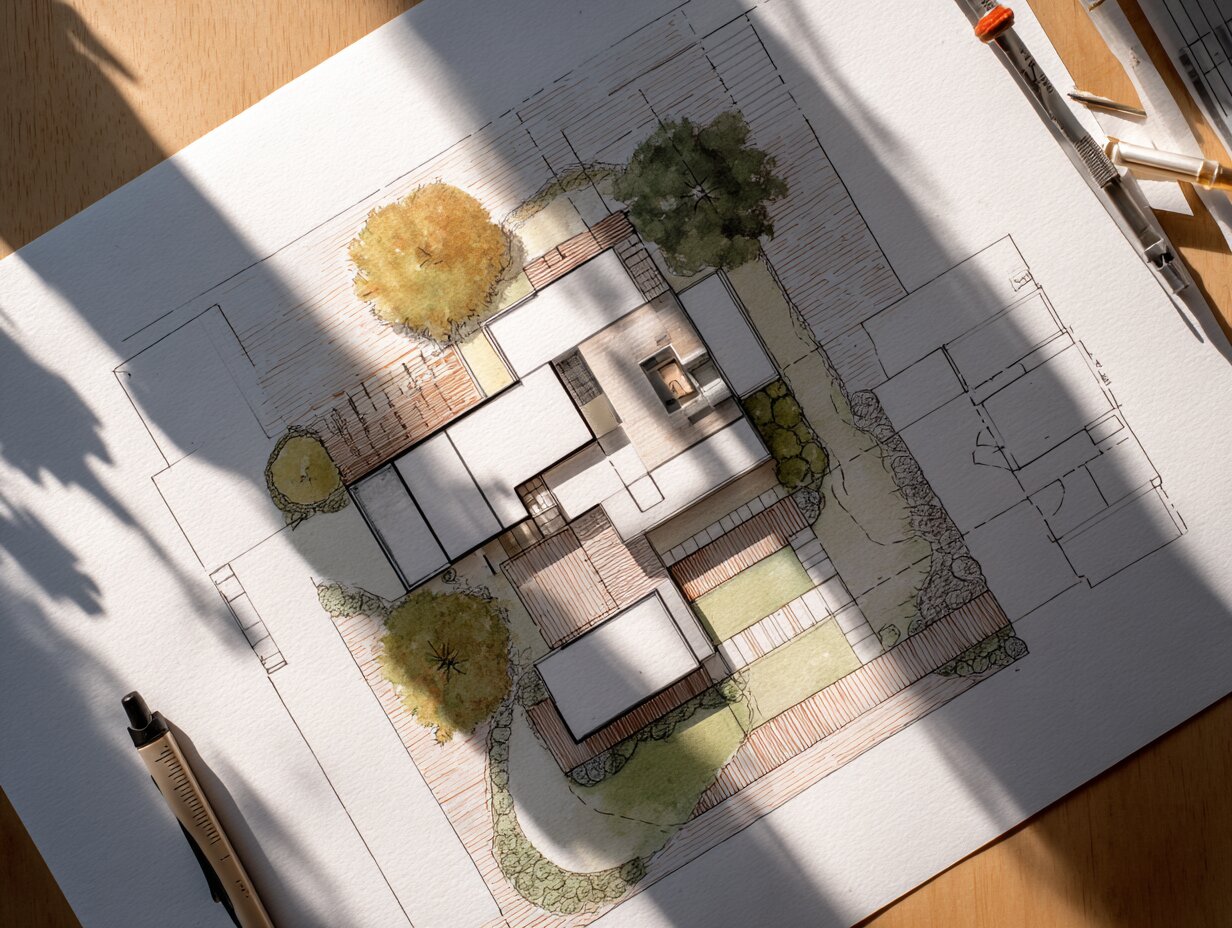
Table of Contents Show
An architectural site plan is a scaled drawing that shows the layout of a building or development on a specific parcel of land, including property boundaries, topography, utilities, access roads, and landscaping. It serves as a foundational document used by architects, engineers, and urban planners to coordinate design decisions, obtain building permits, and communicate project intent to clients and contractors.
If you have ever looked at a construction project and wondered how the building ended up exactly where it sits, the answer almost always traces back to the site plan. Before walls go up or foundations are poured, every project begins with this bird’s-eye view of the land. The architectural site plan bridges the gap between raw terrain and finished architecture. It tells you where the building stands in relation to the street, how stormwater will drain, where pedestrians enter, and how the project fits within local zoning rules. For architects, getting the site plan right is not optional. It is the first drawing most building departments review, and errors at this stage cascade through the entire project timeline.
What Is a Site Plan in Architecture?

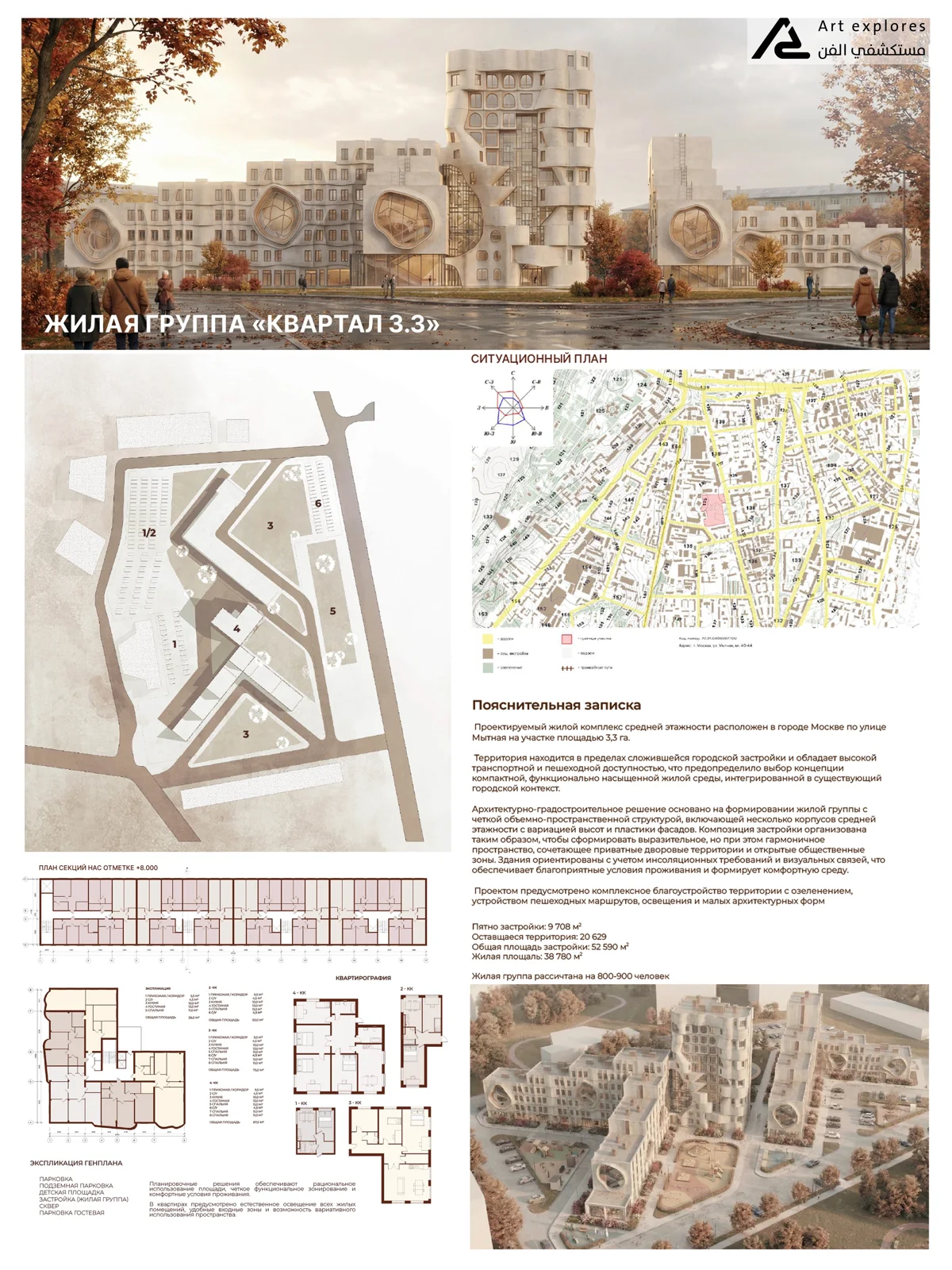
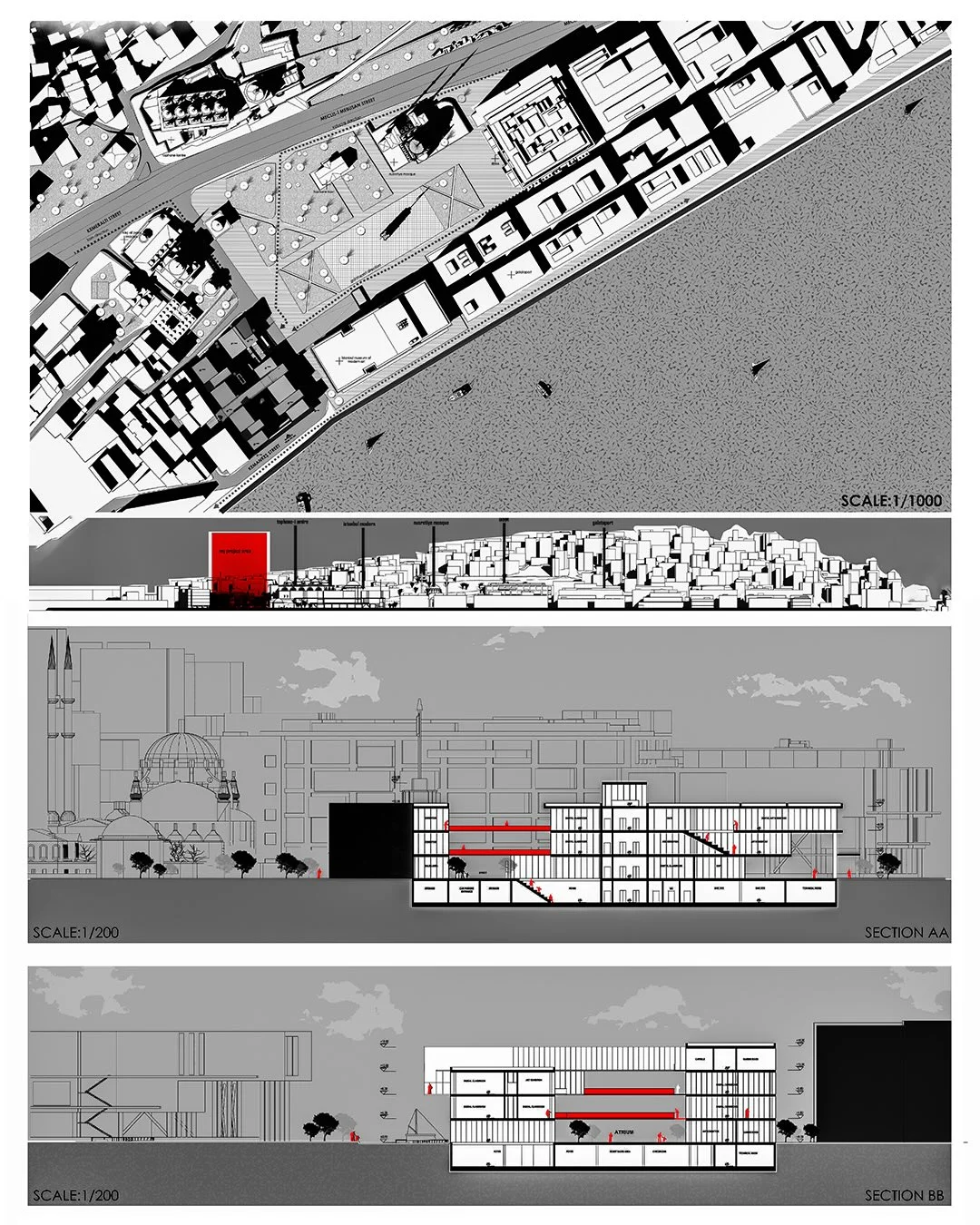
A site plan in architecture is a detailed, to-scale drawing that represents existing and proposed conditions on a parcel of land. Unlike a floor plan, which focuses on interior room layouts, the site plan captures the full property from above. It shows how the building relates to its surroundings, including neighboring structures, streets, vegetation, and utility lines.
Architects, civil engineers, landscape architects, and urban planners all rely on architectural site plans during the design and approval process. According to the American Institute of Architects (AIA), site plans are among the first deliverables produced during the schematic design phase and remain reference documents throughout construction. The plan typically uses a scale of 1:200 or 1:500, depending on the size of the property and the level of detail required. You can learn more about how scales work in our guide to scale in architecture.
Key Elements of an Architectural Site Plan
Every architectural site plan drawing contains a set of core elements that local authorities and project stakeholders expect to see. Missing even one of these can delay permit approvals or cause costly design revisions later. Here is what a complete site plan typically includes:
Property boundaries and lot lines define the legal limits of the land. These are usually established by a licensed surveyor and form the framework for all setback calculations. The site plan must also show easements, rights of way, and any deed restrictions that affect what can be built and where.
Building footprints indicate the exact position, dimensions, and orientation of proposed and existing structures on the property. For new construction, the footprint shows how the building relates to setback lines, neighboring properties, and access points.
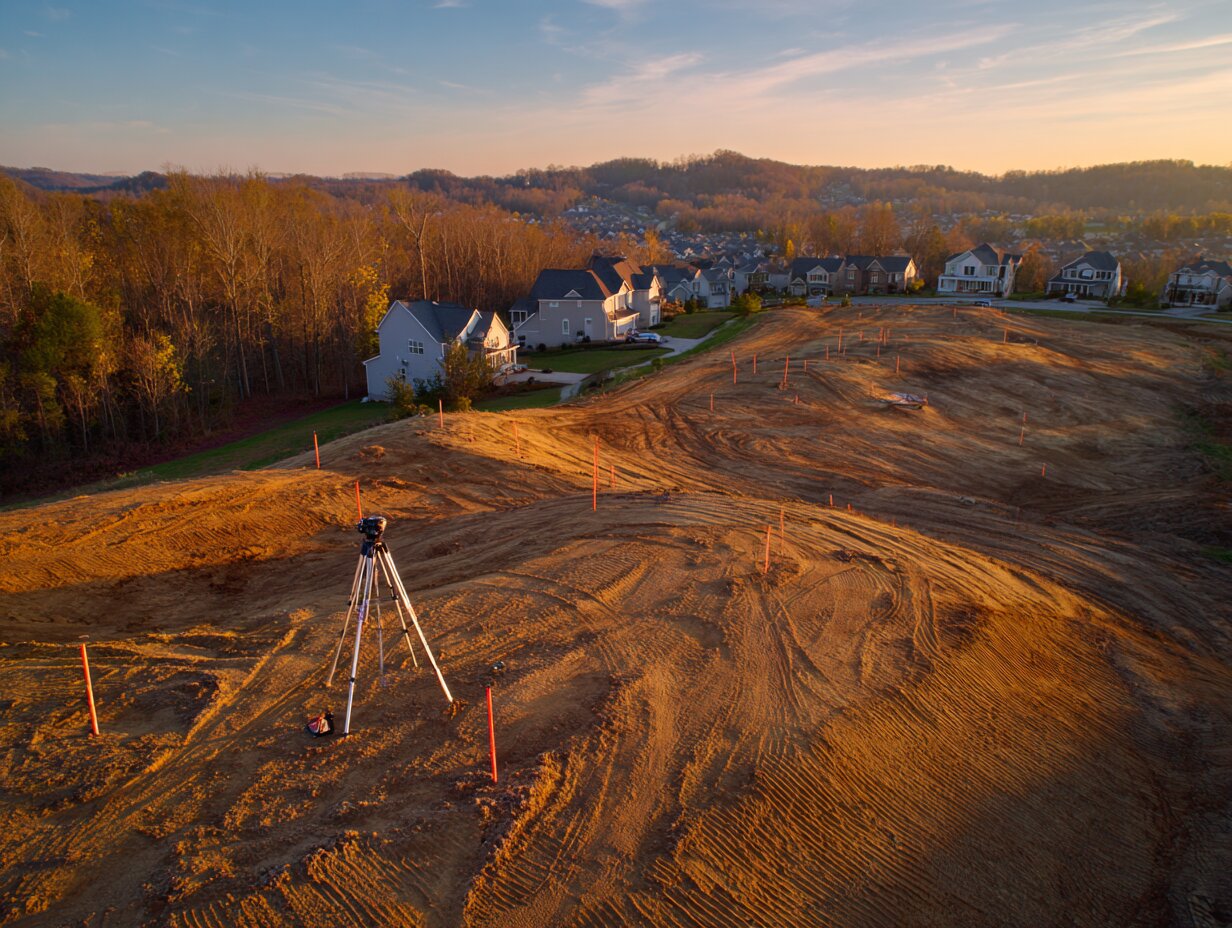
Topographic information, including contour lines and spot elevations, describes the terrain. This data is critical for grading, drainage design, and foundation engineering. On sloped sites, getting topography wrong can lead to water intrusion problems or structural complications.
Utility connections for water, sewer, gas, electricity, and telecommunications are mapped to show how the building ties into municipal infrastructure. Fire hydrant locations are also typically marked. If you need to depict fire hydrants on an architectural site plan, use the standard symbol (a circle with a vertical line) and include the distance to the nearest building face, as most fire codes require hydrants within a specific radius of structures.
Access and circulation elements cover roads, driveways, sidewalks, parking areas, and pedestrian pathways. Emergency vehicle access routes are a frequent requirement, especially on commercial and multi-family projects.
Landscape features include existing trees, planting areas, water bodies, and proposed landscaping. Many municipalities have tree preservation ordinances that require mature trees to be shown on the site plan with their species and trunk diameter.
Site Plan Elements at a Glance
The following table summarizes the key components found in most architectural site plans:
| Element | Purpose | Common Scale |
|---|---|---|
| Property boundaries | Define legal limits and setbacks | 1:200 or 1:500 |
| Building footprint | Show structure position and size | 1:200 |
| Topography / contours | Indicate terrain, slopes, drainage | 1:200 or 1:500 |
| Utilities and services | Map water, sewer, gas, electric lines | 1:200 |
| Access and circulation | Show roads, parking, pedestrian paths | 1:200 or 1:500 |
| Landscape and vegetation | Document trees, planting, water features | 1:200 |
| North arrow and scale bar | Provide orientation and measurement | All scales |
Site Plan vs. Floor Plan: What Is the Difference?
A common source of confusion, especially for clients and students, is the difference between a site plan and a floor plan. Both are plan-view drawings, but they operate at completely different scales and serve distinct purposes.
The architectural site plan shows the entire property from above: boundaries, building placement, roads, landscaping, and utility connections. It answers the question “where does the building sit on the land?” A floor plan, by contrast, is a horizontal cross-section through a single level of the building, typically cut at about 1.2 meters above the floor. It answers the question “how are the rooms arranged inside?” You can explore floor plan fundamentals in our article on presenting architectural plans.
On larger projects, you may encounter multiple site plans covering different systems. A drainage site plan focuses on stormwater management, while a landscape architecture site plan details planting schemes, hardscape materials, and irrigation. A separate access plan might show vehicle turning radii and emergency routes. Each version contains the same base information (boundaries, building footprint, north arrow) but layers in specialized content for its specific audience.
Why Site Planning in Architecture Matters
Site planning in architecture is not just a regulatory checkbox. It directly shapes how a building performs over its lifetime. Poor site planning leads to flooding, uncomfortable microclimates, wasted land, and permit rejections. Good site planning does the opposite: it positions the building to capture natural light, manages water runoff, preserves valuable trees, and creates pleasant outdoor spaces.
From a regulatory perspective, most jurisdictions worldwide require a site plan as part of any building permit application. The International Code Council (ICC), which publishes the International Building Code used across the United States, requires site plans to demonstrate compliance with zoning setbacks, parking minimums, fire access routes, and stormwater management. Without an approved site plan, construction cannot legally begin.
Sustainability is another reason site planning deserves close attention. According to the U.S. Green Building Council (USGBC), the LEED rating system awards credits for site selection, site development, and open space preservation, all of which are documented through the site plan. Thoughtful site planning and landscape architecture can reduce heat island effects, manage stormwater on-site, and protect natural habitats.
How to Make an Architectural Site Plan

Creating an architectural site plan follows a structured process. Whether you are a student learning the fundamentals or a professional preparing a permit set, these steps apply to most projects.
Step 1: Site Analysis and Survey
Before drawing anything, gather accurate data about the existing conditions. This usually involves a professional land survey that establishes property boundaries, topographic elevations, and the location of existing structures and utilities. Review zoning regulations to determine setbacks, height limits, and allowed land uses. Walk the site to observe drainage patterns, sun exposure, wind direction, and noise sources. Our article on architectural programmes and functions explains how spatial analysis feeds into design decisions.
Step 2: Establish the Drawing Base
Import the survey data into your CAD or BIM software. Set the correct scale (1:200 is standard for most site plan architecture drawings) and orient the drawing with north pointing upward. Plot the property lines, easements, and setback lines as the base layer. If you are drawing by hand, use graph paper at a suitable scale and start with the same boundary information.
Step 3: Place the Building and Site Elements
Position the building footprint according to design intent and zoning constraints. Add roads, driveways, parking areas, walkways, and landscaping. Show utility connections from the building to the municipal mains. Include a north arrow, scale bar, title block, and legend with standard architectural drawing symbols.
Step 4: Review and Coordinate
Cross-check the site plan against zoning regulations, fire code requirements, and engineering standards. Coordinate with civil engineers for grading and drainage, with landscape architects for planting plans, and with the client for any specific requests. Submit the completed architectural site plan as part of the permit application package.
Types of Architectural Site Plans

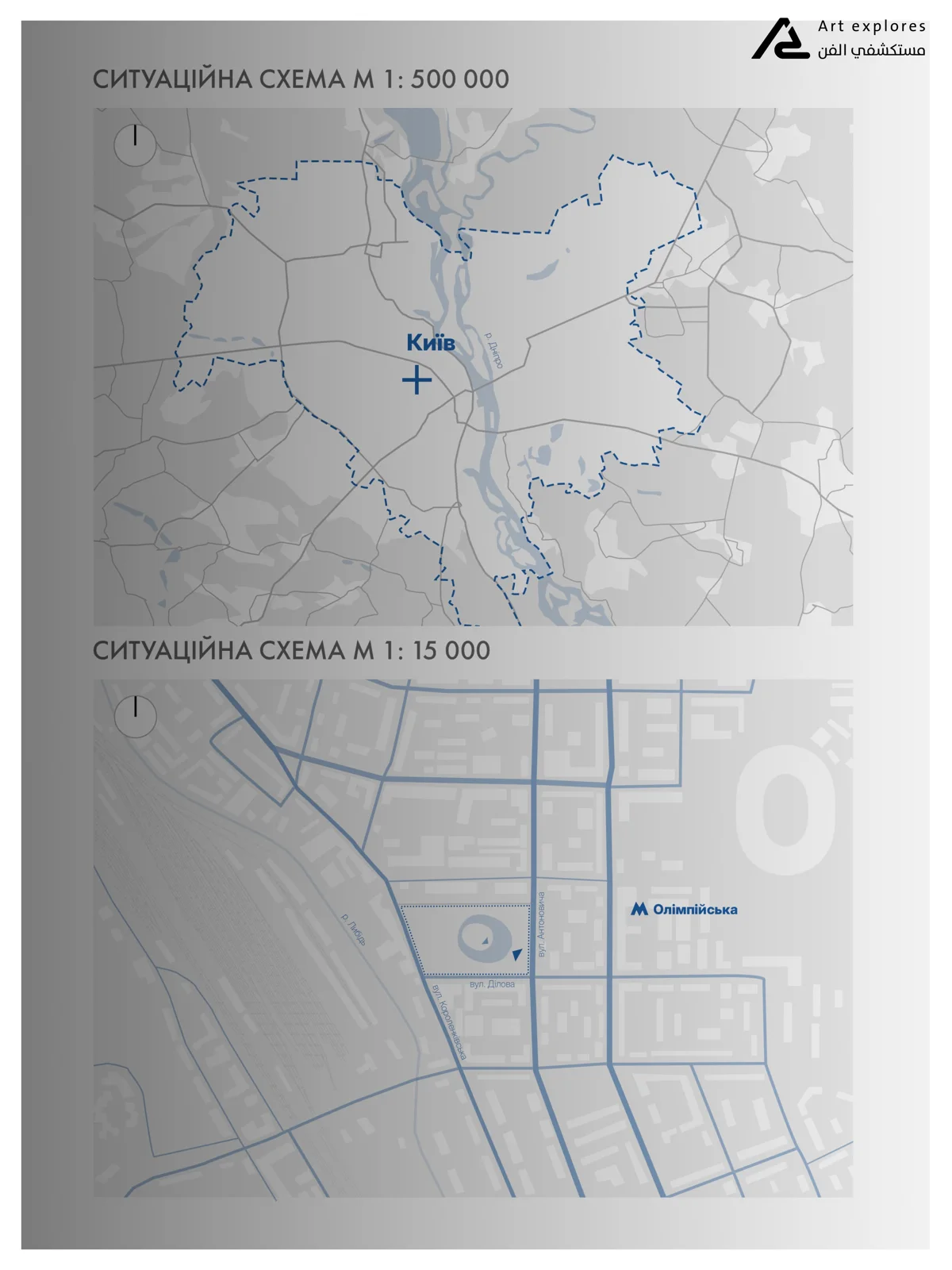
Not every project requires the same level of site plan detail. The type of site plan you produce depends on the project stage, the audience, and local requirements.
A site development plan is a broader document that covers the entire development proposal, including phasing, infrastructure, and land use allocations. It is common in large-scale residential subdivisions and mixed-use projects. An architectural site development plan goes one step further by specifying building locations, architectural styles, and material palettes within the development.
A landscape architecture site plan focuses on the outdoor environment: planting design, hardscape materials, irrigation systems, and outdoor lighting. Site planning and landscape architecture often overlap, especially on projects where the outdoor space is as important as the building itself, such as parks, campuses, and resort developments.
A site plan for permit purposes is the most common type. It contains all information required by the local building department, drawn to the specified scale and format. Requirements vary significantly between jurisdictions, so always check with your local planning office before starting. The Wikipedia entry on site plans provides a useful overview of how these documents are used internationally.
Architectural Site Plan Drawing Tips
Whether you are using AutoCAD, Revit, SketchUp, or drawing by hand, a few principles will improve the quality of your architecture site plan drawing. Keep linework clean and consistent. Use different line weights to distinguish between existing and proposed elements. Annotate clearly, with legible text sizes that remain readable when printed at the intended scale.
Avoid cluttering the drawing with unnecessary detail. The site plan is not the place to show interior room layouts or structural framing. Its job is to communicate the relationship between the building and the land. If you need to show more detail, create separate sheets for drainage, landscape, or utility plans rather than cramming everything onto one drawing. For guidance on how bubble diagrams in architecture help organize spatial relationships before detailed drawing begins, see our dedicated guide.
Color can be a powerful tool in site plan presentation, especially for client-facing documents. Use subtle fills to differentiate paved areas from green space, and apply consistent color coding for proposed versus existing elements. However, most permit submissions require black-and-white or grayscale drawings, so design your plan to be legible without color as well. The Royal Institute of British Architects (RIBA) Plan of Work recommends that site plans be developed progressively from Stage 2 (Concept Design) through Stage 4 (Technical Design), adding detail at each stage.
Common Mistakes in Site Planning Architecture
Even experienced professionals make errors in site planning. Recognizing these pitfalls early saves time, money, and frustration.
Ignoring existing site conditions is the most frequent mistake. Relying solely on satellite imagery without a proper survey can lead to incorrect boundary locations, missed underground utilities, or overlooked easements. Always verify survey data on the ground before committing to a design.
Failing to account for drainage is another costly error. Water follows gravity, and if the site plan does not address where runoff goes, you may end up with flooded basements, eroded slopes, or violations of stormwater ordinances. Civil engineers should review grading plans before the site plan is finalized.
Overlooking accessibility requirements is increasingly problematic as building codes tighten. Accessible routes from parking areas to building entrances must meet slope, width, and surface requirements defined by standards like the Americans with Disabilities Act (ADA) in the United States or equivalent regulations in other countries.
Building codes and regulations vary by jurisdiction. Always consult local authorities and verify site-specific requirements with licensed professionals before beginning construction.







Futuro House Production Revived in Finland After Decades-Long Hiatus
A Facebook listing for abandoned moulds led to the first new Futuro...
 illustrarch Editoral Team3 Mins read
Building Your Dream Home in NSW: What You Should Know About Montgomery Homes
Montgomery Homes has been building across Sydney, Newcastle, the Hunter, Wollongong and...
illustrarch Editoral Team4 Mins read

Designing a Home Theater: Where Drapery Fits Into the Plan
In a media room the curtains are a performance layer, not decoration....
illustrarch Editoral Team3 Mins read

Oscar Niemeyer’s Cathedral of Brasília: The Hyperboloid Concrete Hymn
The Cathedral of Brasília reads as a single gesture, yet it stood...
Furkan Sen7 Mins read


Leave a comment