

Cultural Buildings in Architecture
Discover four remarkable cultural buildings that showcase the power of culturearchitecture. From Zaha Hadid's Guangzhou Opera House to NK'MIP Desert CulturalCentre, explore how cultural complexes shape communities, preserve heritage, and redefine urban identity through innovative design.
 Elif Ayse Sen30 November 20258 Mins read720
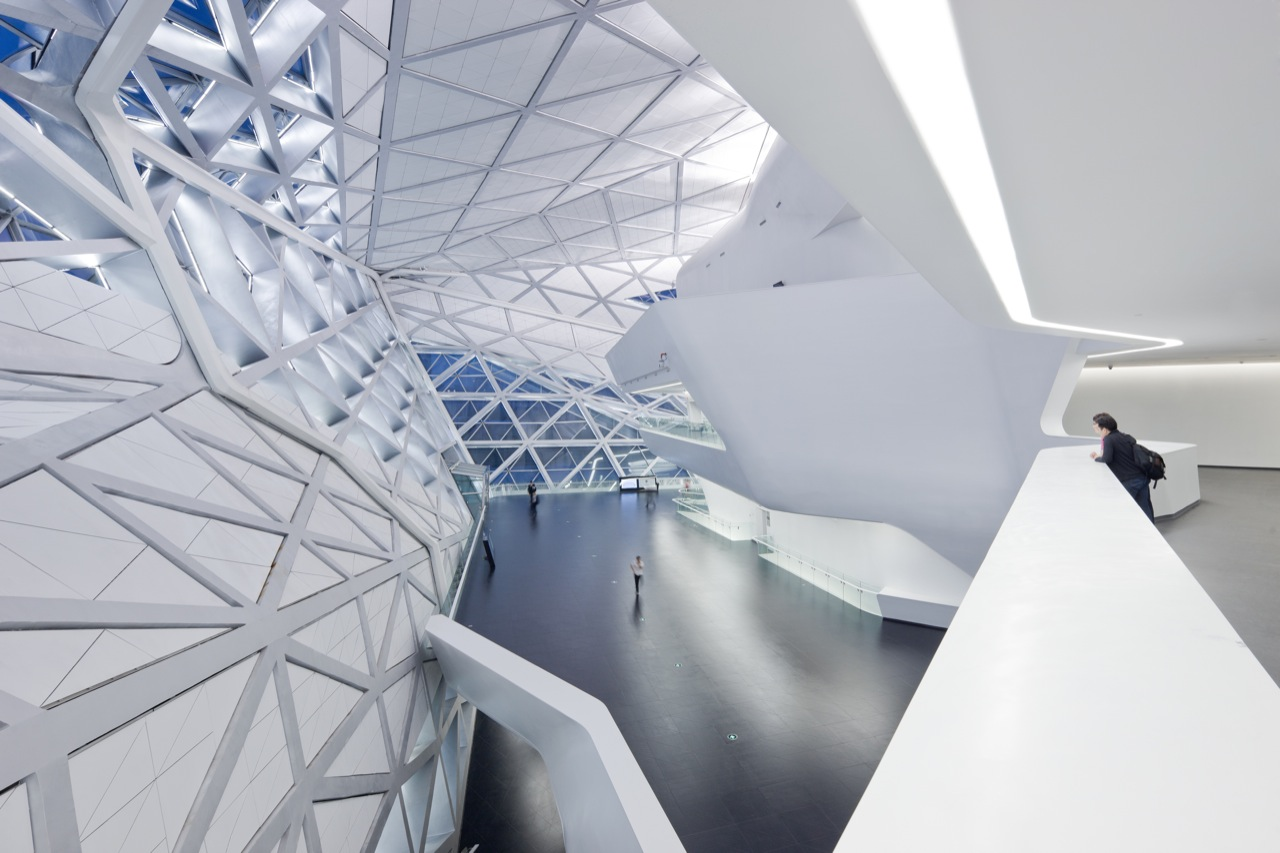
Table of Contents Show
Cultural buildings are civic structures such as libraries, schools, auditoriums, museums, and government offices that benefit people and their communities through healthy design and shared use. These cultural buildings serve as gathering places where communities come together to celebrate art, education, and heritage. Cultural and historical sites provide a sense of place while also encouraging community pride and tourism. A cultural building, which is often known as a cultural center, is a non-profit organization, building, or complex dedicated to the promotion of culture and the arts.
What Is a Cultural Center in Architecture?
A cultural center is a purpose-built or adapted facility that houses activities related to art, performance, education, and community gathering. These spaces go beyond simple functionality. They aim to inspire, educate, and bring diverse groups of people together under one roof. In the field of culture architecture, designers focus on creating spaces that reflect the values, history, and aspirations of the communities they serve.
Cultural centers can range from small neighborhood art houses to massive complexes with multiple performance halls, galleries, and educational facilities. What unites them is their purpose: fostering creativity, preserving heritage, and enabling public participation in the arts. Architects working on these projects often collaborate closely with local communities, artists, and policymakers to ensure the final design truly represents the people it serves. You can explore more about how architecture tells stories through spaces in our related article.
The Role of Cultural Architecture in Urban Development
Cultural architecture plays a significant role in shaping cities and neighborhoods. When a city invests in a cultural complex, the surrounding area often experiences economic growth, improved infrastructure, and a renewed sense of identity. Museums, theaters, and performance halls attract visitors, generate employment, and stimulate local businesses.
Cultural construction projects also contribute to social cohesion. Public spaces where people can attend concerts, view exhibitions, or participate in workshops strengthen community bonds. They provide neutral ground where individuals from different backgrounds can interact and share experiences. The future of cultural architecture increasingly emphasizes sustainability, technology integration, and inclusive design to ensure these spaces remain relevant for generations.
Guangzhou Opera Building
Guangzhou Opera House is a modern cultural center in Guangzhou, China. The city is the largest metropolis and capital of Guangdong province. Zaha Hadid Architects designed the Guangzhou Opera House. The modern auditorium, which is located on the banks of the Pearl River, has a colossal design. Inspired by the concept of two pebbles smoothed by river erosion, the structure represents one of the finest examples of cultural architecture in Asia.


After the Shanghai Grand Theatre and Beijing’s National Theatre, it is China’s third-largest performing arts center. The opera house complex is located in Haixinsha Square, at the foot of the Zhujiang New Town towers. It is an important aspect of Guangzhou’s cultural growth. It sped up the cultural construction of the Guangdong Provincial Museum, library, and archive in the neighborhood. The 70,000-square-meter facility opened in 2010 after winning an international design competition in 2002, and it has since become a symbol of Guangzhou’s ambition as one of Asia’s leading cultural hubs.

Photo Source: Guangzhou Opera House / Zaha Hadid Architects | ArchDaily
Experimental Media and Performance Art Centre
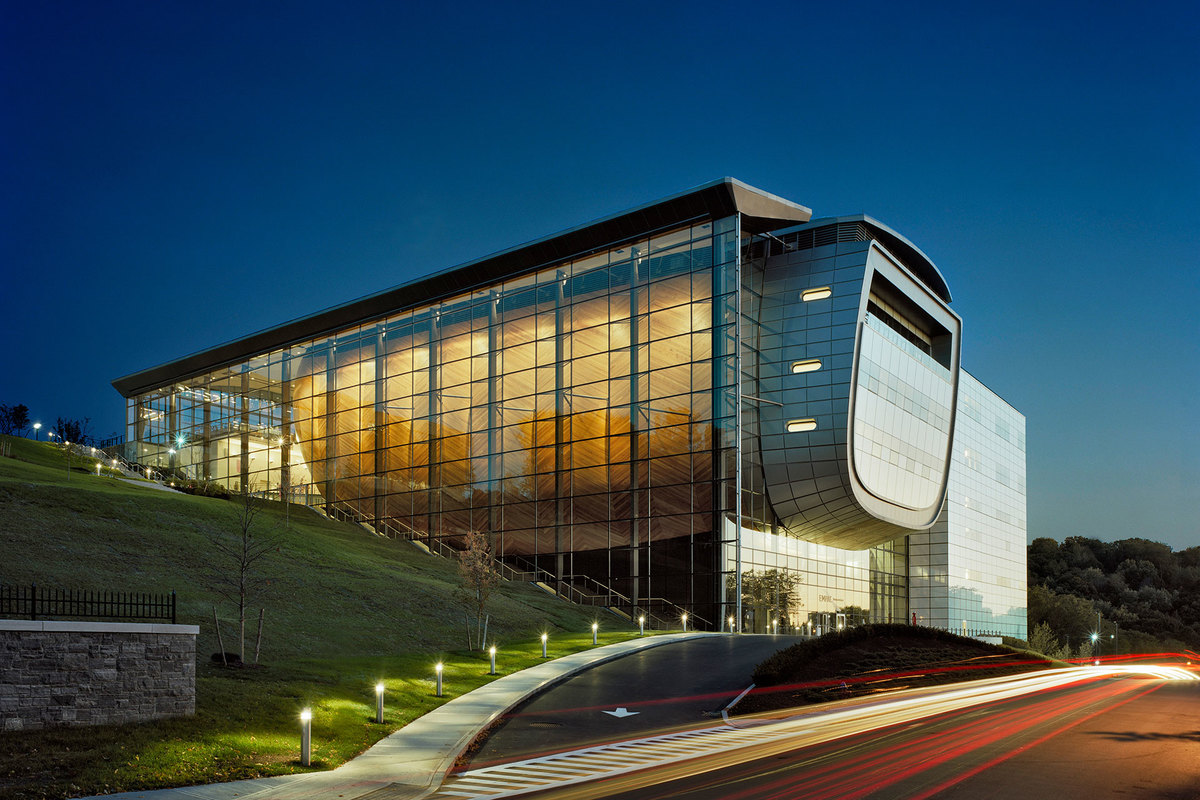
The Experimental Media and Performing Arts Center (EMPAC) is a hub of technological and artistic innovation, as well as a highly functional performance space by Grimshaw Architects.
The 200,000-square-foot facility, which sits on a steep hillside overlooking the Hudson River, expands the Rensselaer campus westward. It has five diverse performance settings, serving the university, the region, and the international arts community: a 1,200-seat concert hall, a 400-seat theater, a black box studio, a white box studio, and a dance studio. This cultural complex demonstrates how academic institutions can serve as anchors for artistic innovation.


Centre Pompidou-Metz
Shigeru Ban designed the Centre Pompidou-Metz, a modern and contemporary arts museum in Metz, the capital of the Lorraine region of France. The building’s most striking feature is its undulating timber roof, inspired by a Chinese hat Ban found in Paris. This woven hexagonal timber lattice spans over 8,000 square meters and creates a distinctive silhouette visible across the city.
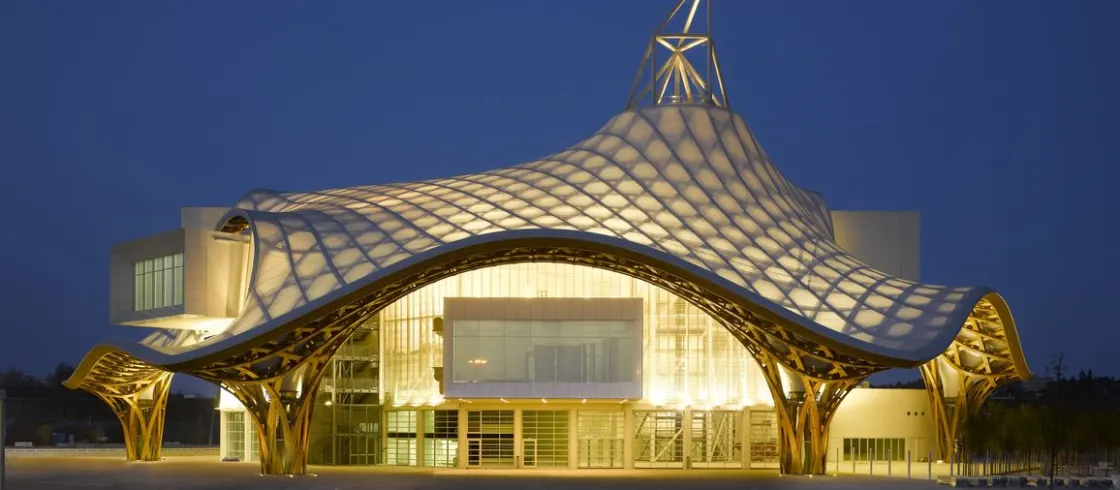

Many works of art from the French National Museum of Modern Art, which houses the most extensive modern European art collection of the twentieth and twenty-first centuries, are temporarily or permanently displayed in this museum, which is part of the Centre Pompidou network. The Centre Pompidou-Metz, which spans 5,000 square meters and houses three galleries, a theater, and an auditorium, is France’s largest exhibition culture building outside of Paris. The three gallery tubes are stacked at different angles, each offering views in a different direction: toward the railway station, the old town, and the cathedral. This arrangement gives the building a dynamic, ever-changing appearance as you walk around it.


NK’MIP Desert Cultural Centre
The NK’MIP Desert Culture Centre is a cultural interpretive center in Osoyoos, British Columbia, Canada, owned and run by the Osoyoos Indian Band. It is located roughly 3 km north of the Canada-United States border. It is located on the edge of one of Canada’s most threatened ecosystems, the northernmost point of the Great American Desert, which stretches southward to Mexico’s Sonoran Desert. The center was designed by DIALOG architects and opened in 2006, earning multiple awards for its sensitive integration with the landscape.
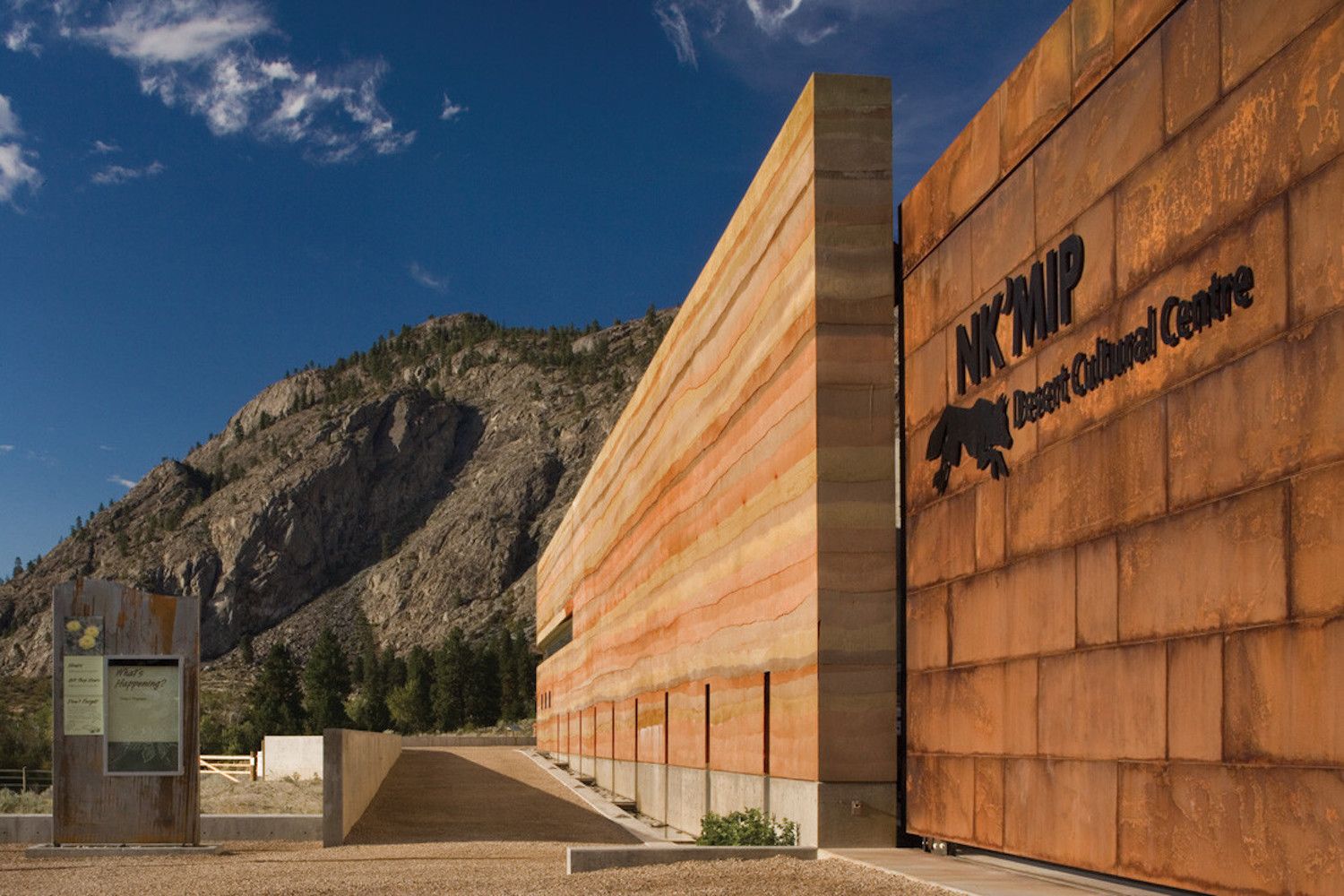

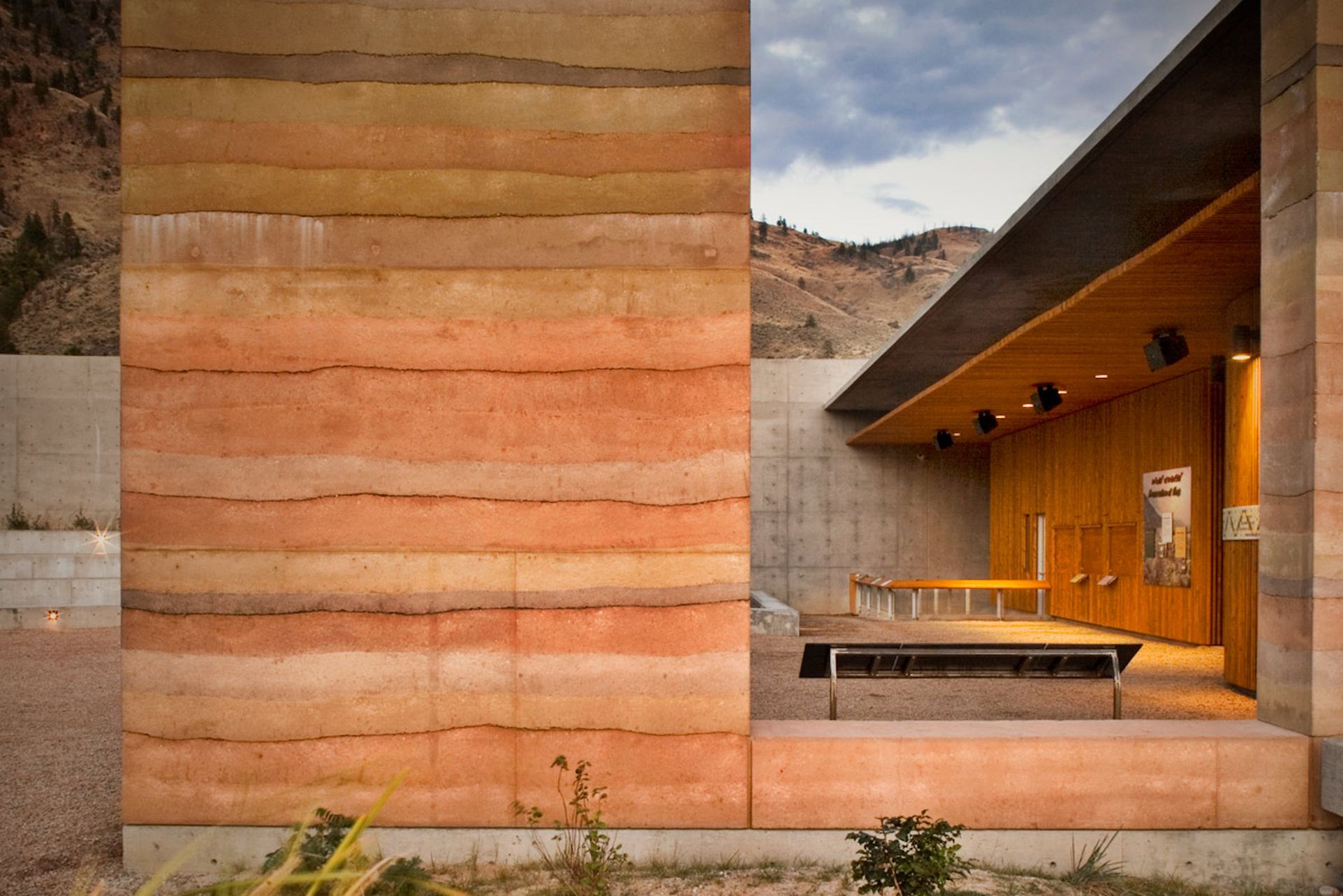
The Centre’s aim is to showcase the Okanagan Desert and the Okanagan people’s culture, as well as to support desert wildlife protection. The building’s most prominent feature is a 80-meter-long rammed earth wall that blends seamlessly with the surrounding terrain, creating a visual and material connection between the architecture and the land. The project includes a landscaping company, an indigenous plant nursery, a website creation company, and a community arts and crafts market.


Key Features of Successful Cultural Buildings
Designing a cultural building that truly serves its community requires attention to several critical factors. The best cultural complexes balance architectural ambition with practical considerations, ensuring the space works as well for performers and staff as it does for visitors.
Comparison of Featured Cultural Buildings
The following table summarizes the key characteristics of the four cultural buildings explored in this article:
| Feature | Guangzhou Opera House | EMPAC | Centre Pompidou-Metz | NK’MIP Desert Cultural Centre |
|---|---|---|---|---|
| Architect | Zaha Hadid Architects | Grimshaw Architects | Shigeru Ban Architects | DIALOG Architects |
| Location | Guangzhou, China | Troy, New York, USA | Metz, France | Osoyoos, BC, Canada |
| Year Completed | 2010 | 2008 | 2010 | 2006 |
| Primary Function | Performing arts venue | Research and performance | Modern art museum | Indigenous cultural center |
| Size | 70,000 sqm | 200,000 sqft | 5,000 sqm galleries | Approx. 1,115 sqm |
| Key Design Feature | Twin-boulder parametric form | Acoustic isolation system | Hexagonal timber roof | 80m rammed earth wall |
How Cultural Buildings Shape Community Identity
Cultural buildings do more than house performances and exhibitions. They serve as physical expressions of a community’s values and aspirations. When a city commissions a new museum or theater, it sends a message about what it prioritizes: creativity, education, and public life.
A well-designed culture building can become a landmark that defines an entire city. Think of how the Sydney Opera House represents Australia, or how the Guggenheim Museum Bilbao transformed a struggling industrial city into a global tourist destination. These buildings function as civic anchors, giving residents a sense of pride and visitors a reason to explore.
The concept extends beyond large cities. Smaller communities also benefit from cultural construction projects. A local arts center or community theater provides gathering space, encourages artistic expression among young people, and can serve as an economic catalyst. Projects like the NK’MIP Desert Cultural Centre show how architecture can honor indigenous heritage while educating a broader public about local ecology and traditions. You can read about other cultural influences on architecture across different regions.
Sustainability in Cultural Architecture
Modern cultural buildings increasingly incorporate sustainable design strategies. Performance venues and museums have unique energy demands, from climate control for artwork preservation to complex lighting and sound systems. Architects address these challenges through passive cooling, natural ventilation, and renewable energy integration.
The EMPAC building, for example, uses low-energy design principles while maintaining the precise environmental controls needed for high-quality audio and video production. The NK’MIP Desert Cultural Centre takes sustainability further by using rammed earth construction, which provides excellent thermal mass and requires minimal processing compared to conventional building materials. These approaches demonstrate that cultural architecture can lead by example, showing communities that beautiful, functional buildings do not need to come at a high environmental cost.
Green roofs, rainwater harvesting, and locally sourced materials are becoming standard features in new cultural complexes worldwide. For architects and designers interested in this topic, innovative ideas in architecture continue to push the boundaries of what sustainable cultural buildings can achieve.
The Future of Cultural Buildings
The role of cultural buildings continues to evolve as technology reshapes how people experience art and performance. Flexible, multi-use spaces are replacing single-purpose halls. Digital installations and immersive experiences require new kinds of architectural thinking, where the building itself becomes part of the creative medium.
Parametric design tools allow architects to create increasingly complex forms that respond to acoustic, thermal, and visual requirements simultaneously. Projects by firms like Zaha Hadid Architects and Shigeru Ban Architects continue to redefine what a cultural building can look and feel like. Recent examples, such as the Qiantang Bay Cultural District in Hangzhou by ZHA, show how cultural buildings are becoming integrated into broader urban landscapes rather than standing as isolated landmarks.
Accessibility and inclusivity are also gaining priority. Cultural buildings of the future will need to accommodate diverse physical abilities, sensory preferences, and cultural backgrounds. Architects and planners are working to ensure these spaces welcome everyone, reflecting the universal nature of art and culture. For further reading on how buildings reflect societal values, explore the definition of architecture and its cultural impact.




Interior Design for Commercial Spaces: Enhancing Functionality and Brand Identity
Commercial interior design has to serve brand, function and regulation at once....
 Begum Gumusel4 Mins read
India Art, Architecture & Design Biennale 2026: Ministry of Culture Opens Delhi Monuments
Delhi's monuments, including Purana Quila and the Red Fort, will host the...
 illustrarch Editoral Team2 Mins read
Vitra Museum Stages First Major Geoffrey Bawa Retrospective in Decades
Vitra Design Museum opens the first major Geoffrey Bawa retrospective in 20...
illustrarch Editoral Team2 Mins read
Ai Weiwei Installs 500 Cast-Iron Helmets Outside Sydney Museum
Ai Weiwei's 500 cast-iron helmets opened outside Sydney's MCA on 25 September,...
illustrarch Editoral Team2 Mins read


Leave a comment