

4 Seasons Architecture: Winter
Winter architecture includes winter cabins, pavilions, and resort hotels designed with specific construction techniques and materials to withstand snowy conditions.
 Elif Ayse Sen29 March 20224 Mins read469
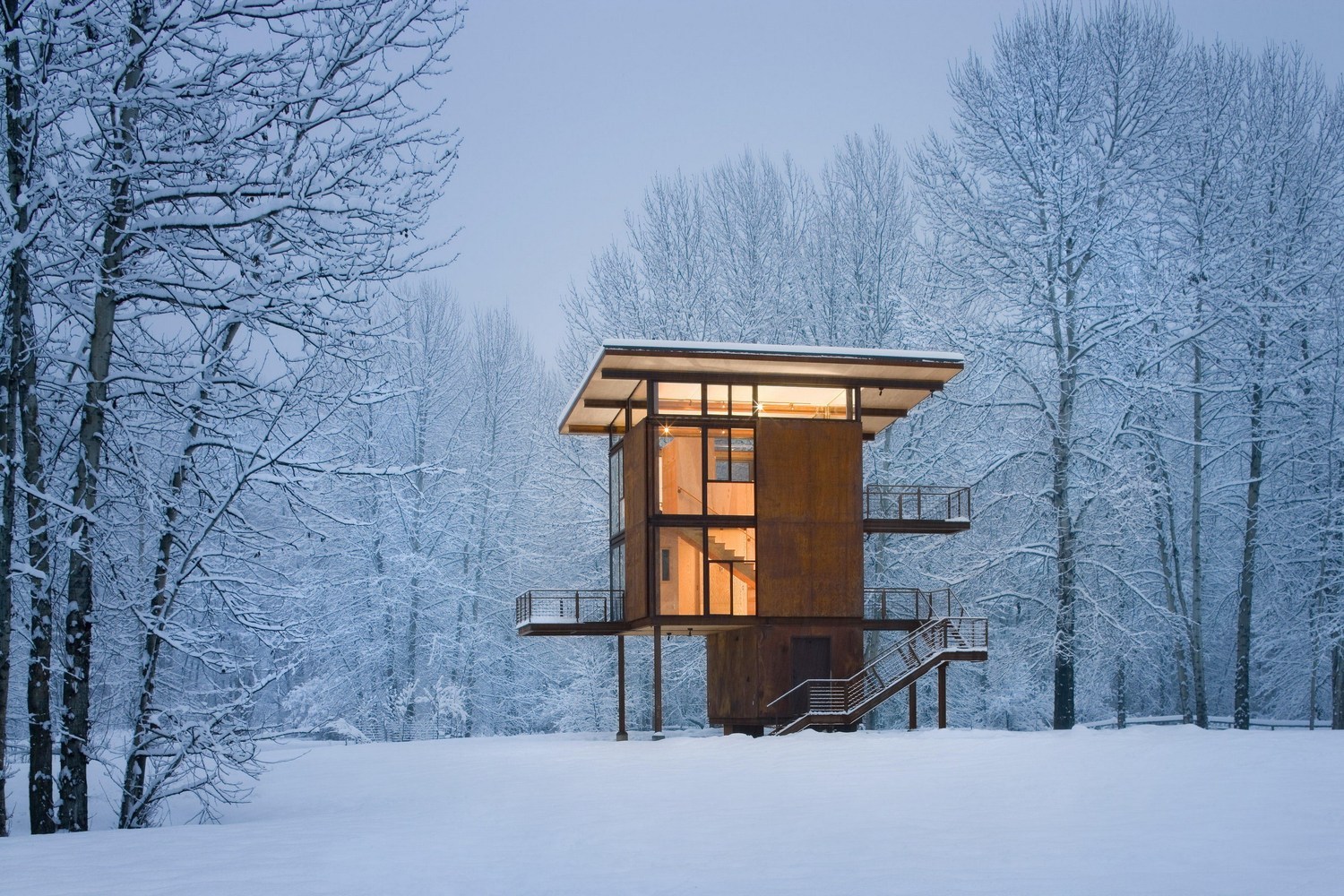
Table of Contents Show
Architecture has always existed and will always exist with human civilization. There is architecture in every climate, every geography and every period of history because people and space are inseparable. We do not need to be in a special geography or climatic condition to maintain spatial activities. Throughout history, humans have found a way to create space in all conditions. Four Seasons Architecture is a series about how architectural production is done in different climatic conditions and in what kind of spaces they are. The first topic of the series is winter. Let’s have a look at the architecture when “let it snow”!

Winter cabins are one of the building types we see most in winter architecture. Winter cabins are built in similar scales, although they have different designs depending on the designer, the purpose of use, and topographical conditions. It is produced with proper building foundations, construction techniques and materials that provide insulation suitable for snowy weather conditions.
Winter Pavillion
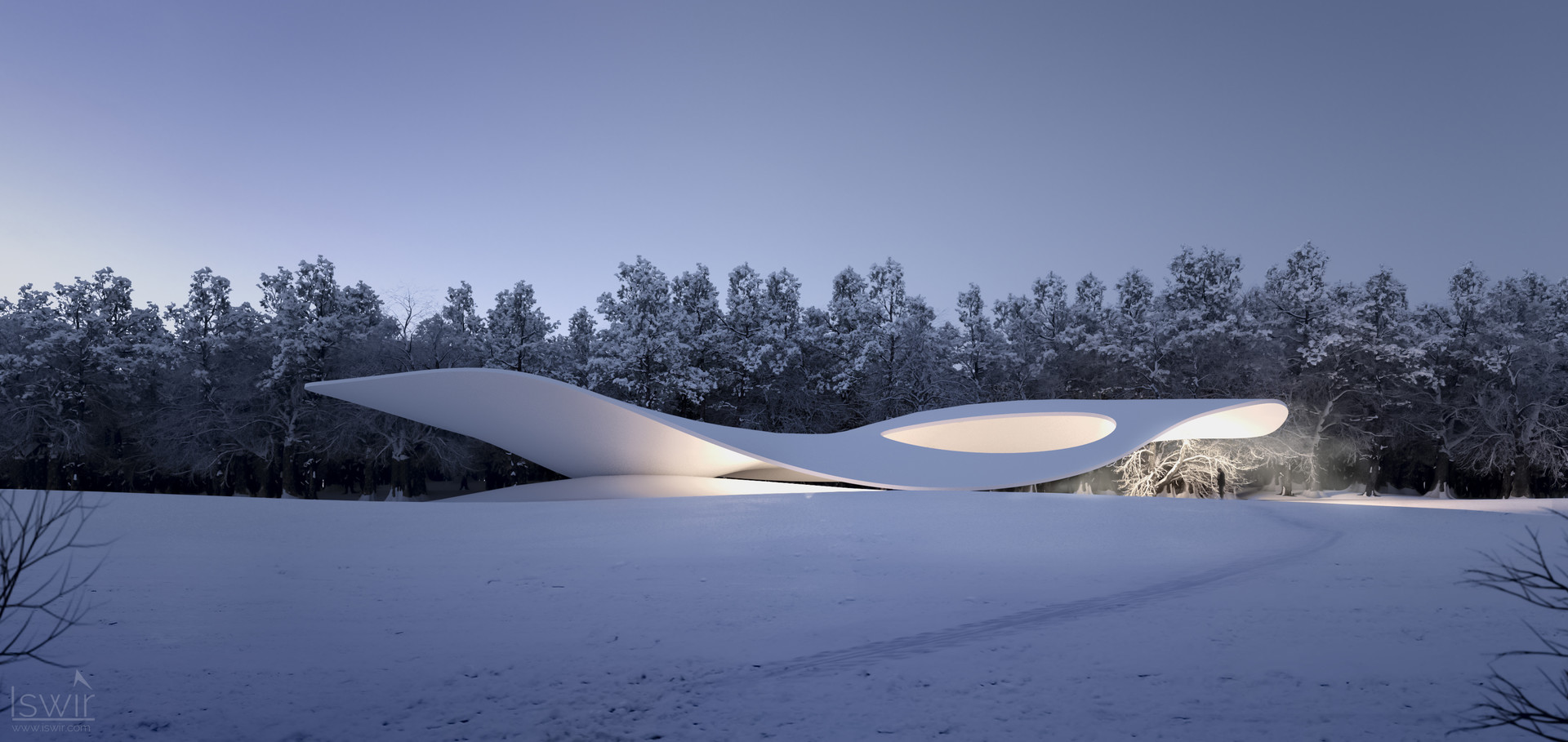
A pavilion is an open, flexible architectural structures that welcomes people to visit and spend time there. It may be temporary or permanent. The shape and purpose of the pavilion could change by climate and geographic conditions according to the designer. In winter architecture, pavilions exist with their sculptural stance in the snowy landscape. Pavilions, like all other structures, are built with construction techniques and materials compatible with snowy climatic conditions.
Resort Hotel

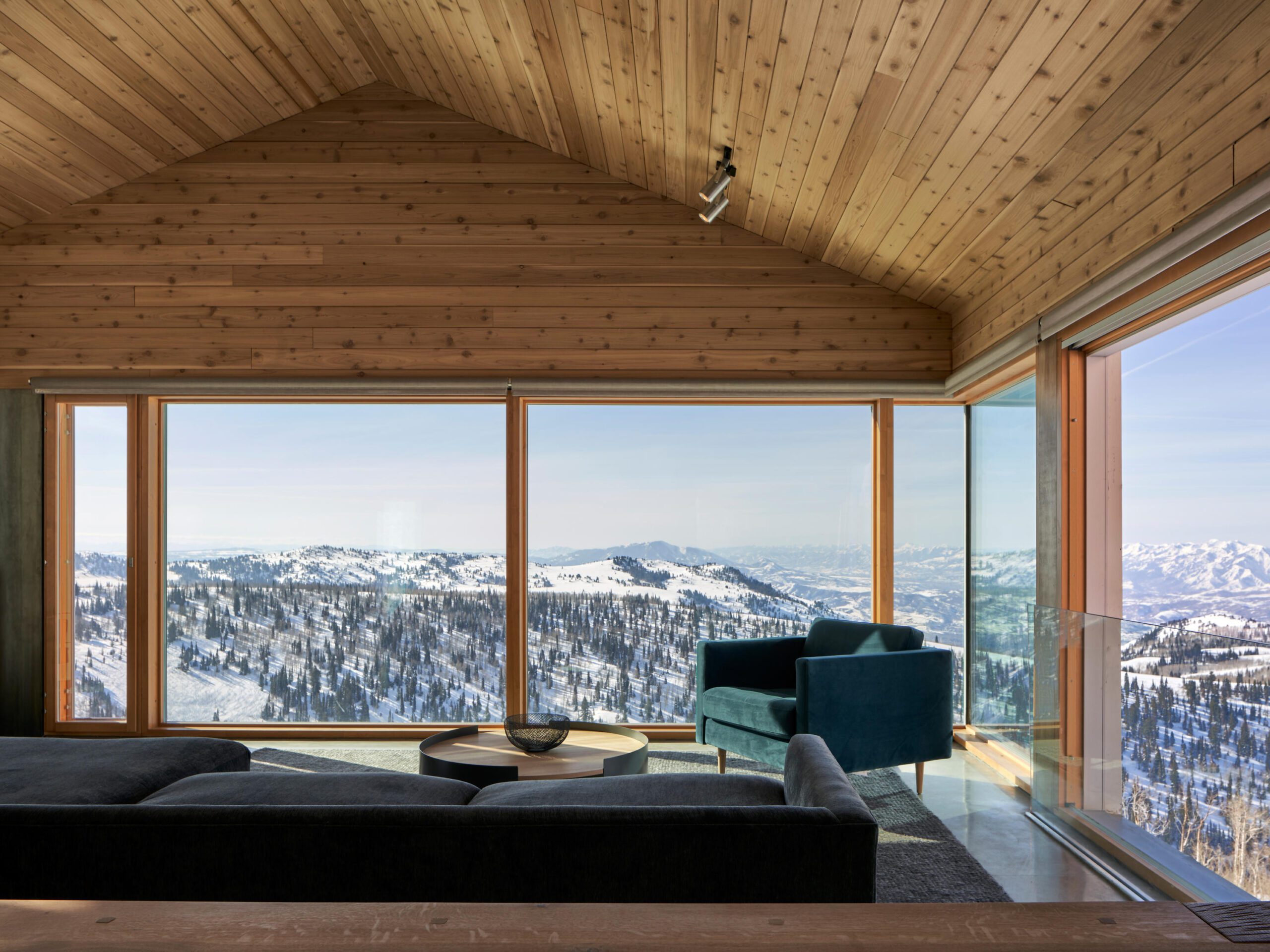
Due to winter tourism, we mostly see the examples of resorts in snowy locations. These small-scale resort hotel buildings, which stand out with their horizontal architecture and sloping roof architectural features, generally consist of a few blocks. We can say that they are structures that are easy to heat in terms of being multi-block and small buildings. Depending on the program of the projects, these are generally the projects that adopt the concept of serving for winter tourism and with the best view under these conditions. One of the most important issues will be not to forget the importance of sustainability in these difficult weather conditions. There are many examples of hotels from all over the world using traditional building materials, ecological energy consumption and sustainable solutions.

Designing for Snow Loads and Cold
The defining technical challenge of winter architecture is structure that can carry the weight of accumulated snow. Roofs in cold regions are engineered for snow loads, which is why steep pitches are common, since they shed snow before it builds up and stresses the frame. Where flat roofs are used, the structure must be sized for heavy static loads and good drainage paths for meltwater. Foundations also need care, because freezing and thawing soil can heave a building over time. Designers often set footings below the frost line or raise structures on piers to keep the ground beneath them stable.
The Role of Insulation and Thermal Comfort
Keeping warmth inside is as important as keeping snow out. Effective winter buildings use a continuous insulation layer and an airtight envelope to limit heat loss, often paired with triple-glazed windows that reduce the cold radiating off the glass. Controlling moisture matters just as much, because warm indoor air meeting cold surfaces can cause condensation and, over time, damage. This is why vapor barriers and ventilation strategies appear throughout cold-climate detailing. The payoff is a smaller heating demand, lower running costs, and a more comfortable interior even when temperatures outside drop well below freezing.
Materials That Suit a Snowy Landscape
Material choice in winter architecture is both practical and expressive. Timber remains a favorite because it insulates reasonably well, weathers gracefully, and connects a building to its forest surroundings. Stone and concrete add thermal mass, storing daytime heat and releasing it slowly at night. Large glazed openings frame the snow and pull in low winter sun for passive warmth, while darker exterior finishes can help absorb solar heat and stay visible against white drifts. The cabins, pavilions, and resorts featured above all balance these materials to handle the climate while creating a strong visual identity.
Sustainability in Cold-Climate Building
Because heating dominates energy use in winter regions, sustainable design here focuses heavily on efficiency. Orienting a building to capture the low winter sun, compact forms that reduce exposed surface area, and renewable systems such as ground-source heat pumps all lower the energy a structure draws from the grid. Many of the resort and cabin projects in this field also lean on local and traditional materials, which cuts transport impact and ties the building to regional craft. Treating sustainability as a starting point rather than an afterthought is what lets these structures remain comfortable and responsible in demanding conditions.
What Comes Next in the Series
Winter is only the first chapter in the Four Seasons Architecture series, which looks at how building responds to different climates. The same questions explored here, how structure, materials, and comfort adapt to a specific environment, carry into the other entries on climatic conditions such as desert architecture. Reading the series together shows a clear theme: good design does not fight its climate but works with it, turning the constraints of weather and geography into the character of the finished space.





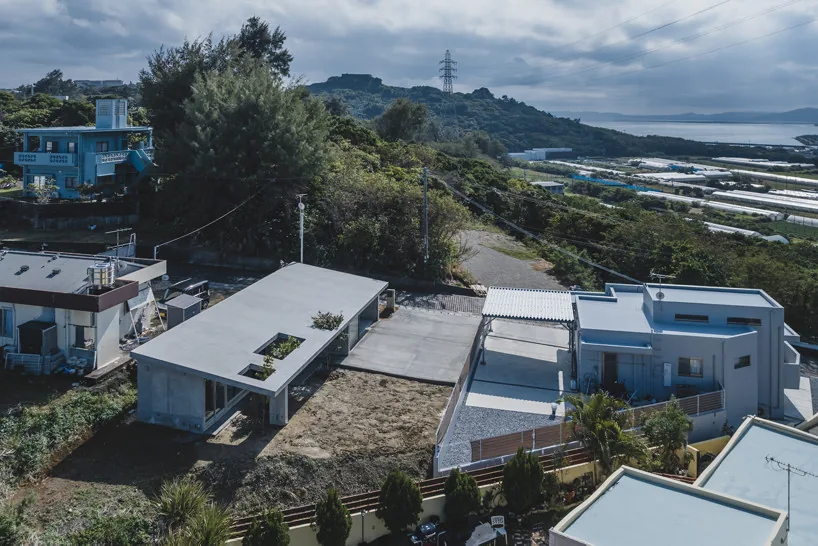
Overlapping Concrete Walls and One Roof Shape a House in Okinawa
IGArchitects built Overlapping Spaces in Okinawa from reinforced concrete walls, columns and...
 illustrarch Editoral Team1 Mins read

Futuro House Production Revived in Finland After Decades-Long Hiatus
A Facebook listing for abandoned moulds led to the first new Futuro...
illustrarch Editoral Team3 Mins read

Building Your Dream Home in NSW: What You Should Know About Montgomery Homes
Montgomery Homes has been building across Sydney, Newcastle, the Hunter, Wollongong and...
illustrarch Editoral Team4 Mins read

Designing a Home Theater: Where Drapery Fits Into the Plan
In a media room the curtains are a performance layer, not decoration....
illustrarch Editoral Team3 Mins read


Leave a comment