

Dorm Sweet Dorm
The project at Artuklu University Faculty of Architecture emulates Mardin's traditional house life, fostering a communal environment with shared and private spaces.
 Elif Ayse Sen28 March 20221 Mins read451


The project aims to provide a family atmosphere to the students of Artuklu University Faculty of Architecture, based on the traditional house life in Mardin, which includes co-living, socializing, co-working and other facilities for them. In the traditional house life of Mardin, more than one family lives in the houses and the families have their own private rooms. When they leave their rooms, they become part of the whole family and common areas are defined within the building.
Mardin Urban Texture
The city was nurtured by the society itself, in addition to the physical characteristics of the geography in which it is located. It is molded by the society’s lifestyle, culture, religious practices, family structure, and economic existence. It is shaped by the society’s lifestyle, culture, religious practices, family structure, and economic existence. Specialized areas have been created with structures that respond to societal needs and are organized to the needs of each family. The buildings differ from one another at the city scale, but they have evolved in harmony as a whole by referencing to one another. Even if the buildings are unique in their own right, they have attained this specialism through developing in a way that is respectful to the surrounding structures.
The most important element of Mardin’s urban settlement is the transversal layout rather than longitudinal so that all buildings can establish a visual connection with the Mesopotamian plains in the south. The main façade of the houses is the south, which receives the sun during the day. The design process of Mardin houses proceeds in 3 main modules.
1. First of all, square-shaped closed areas are placed on the axis system depending on the direction of the sun, wind and landscape.
2. Iwan and porch modules, which are semi-open areas, are placed on adjacent axes depending on the functions of the closed areas. Thus, semi-open living rooms are created in Mardin houses, where more than one family resides, in which closed areas are shared.
3. Finally, the courtyard is placed as the main element in the area that all the rooms look into. The traditional courtyard is the central element of the house where the activities are focused; Closed spaces are located on the northern facade, where privacy is ensured.



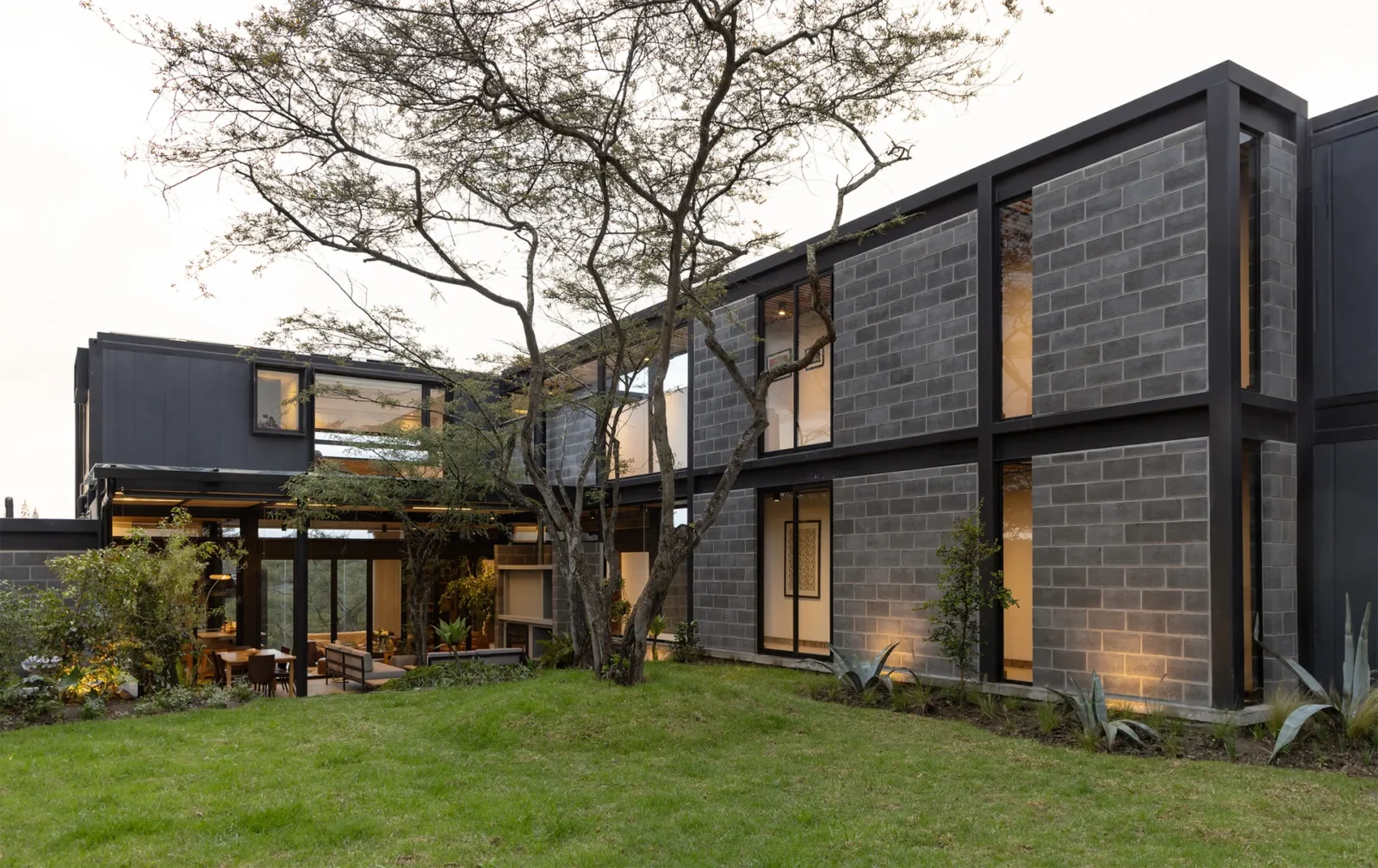
Casa Circular by Ignacio Muñoz
Ignacio Muñoz builds Casa Circular in Quito around six discarded refrigerated shipping...
 illustrarch Editorial Team2 Mins read
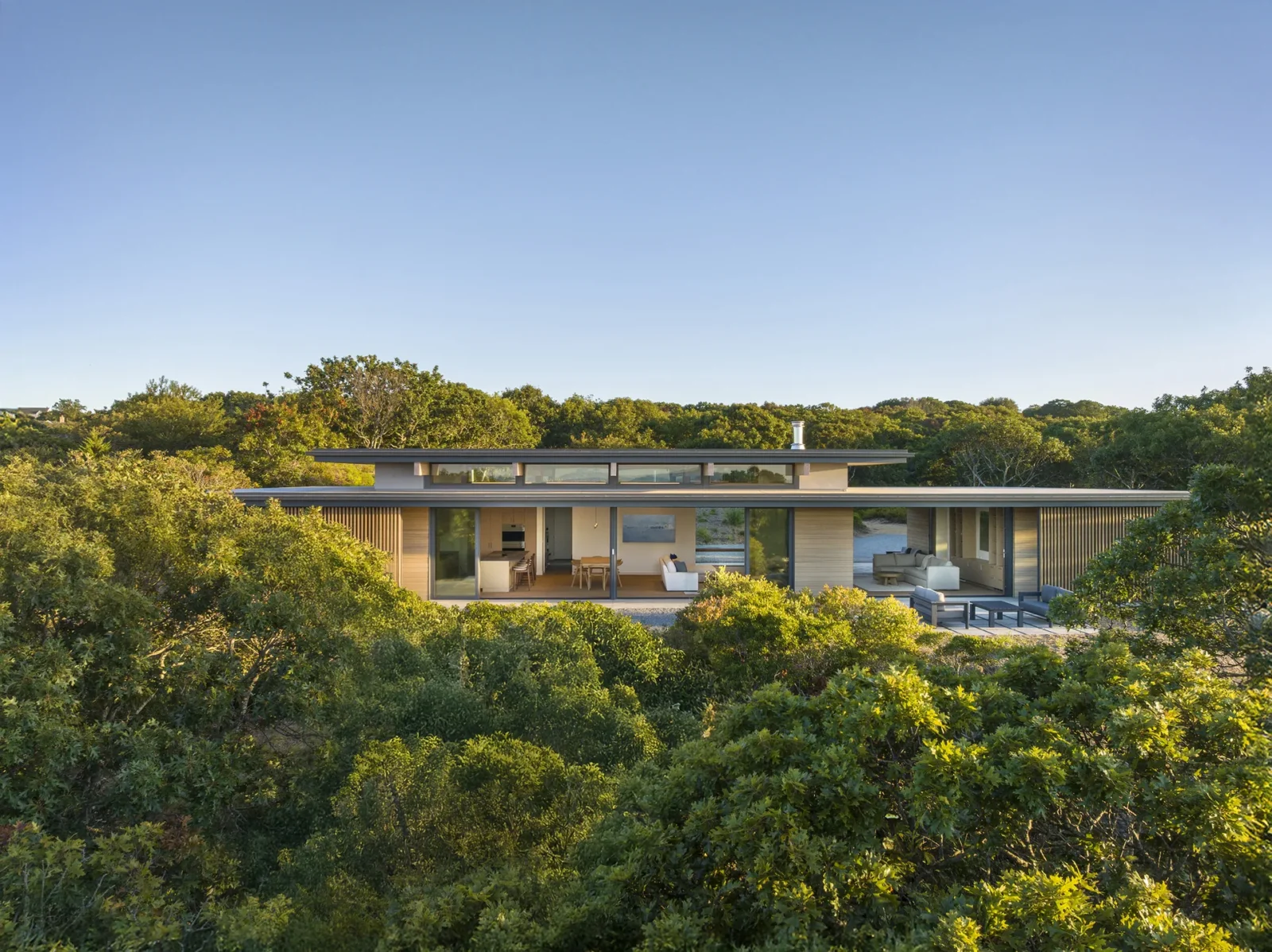
Veil House by Turkel Design
Turkel Design shapes Veil House, a single-level summer home on Martha's Vineyard,...
illustrarch Editorial Team2 Mins read
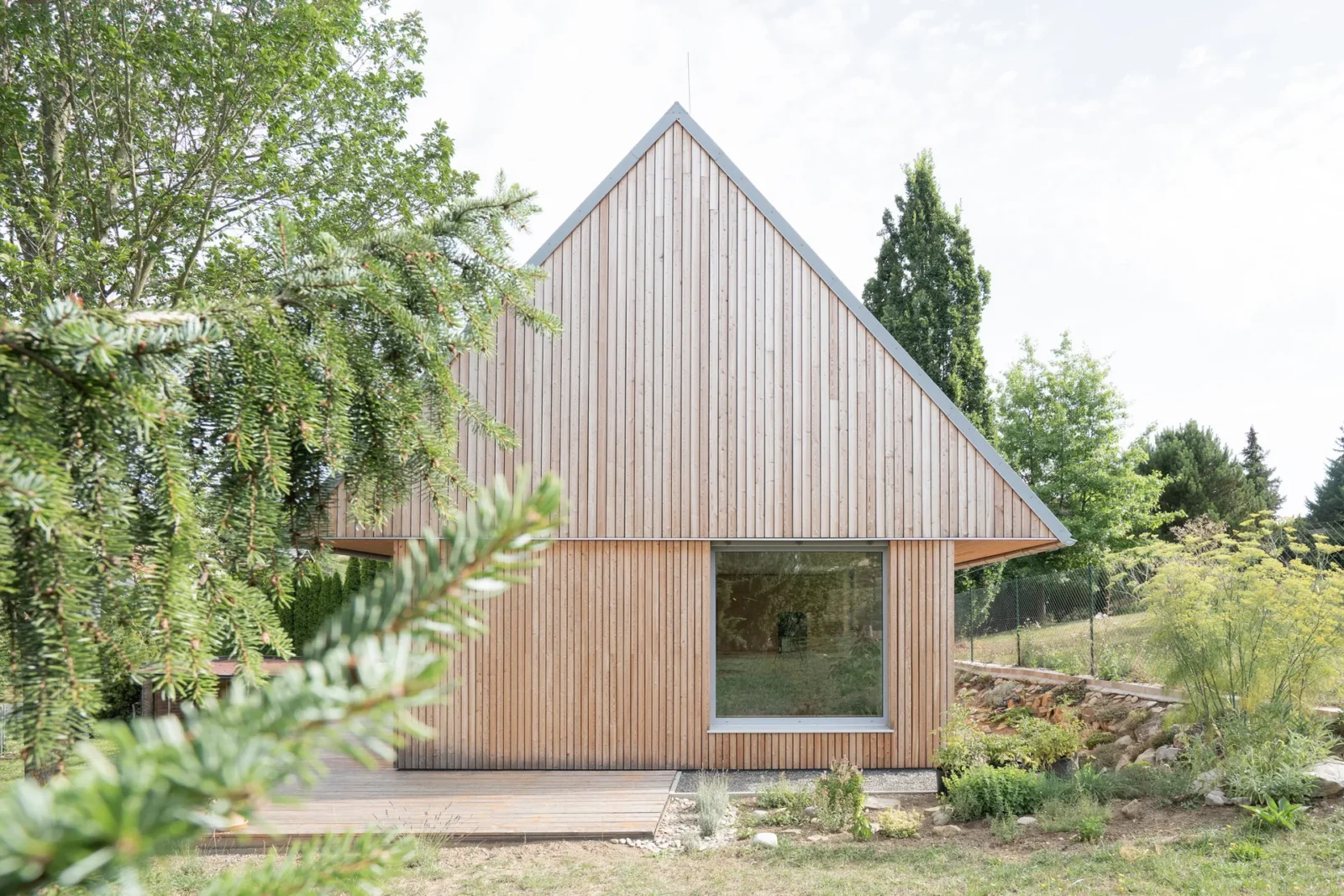
House among the trees by Studio COSMO
Studio COSMO places a compact timber family house on a sloping, wooded...
illustrarch Editorial Team2 Mins read
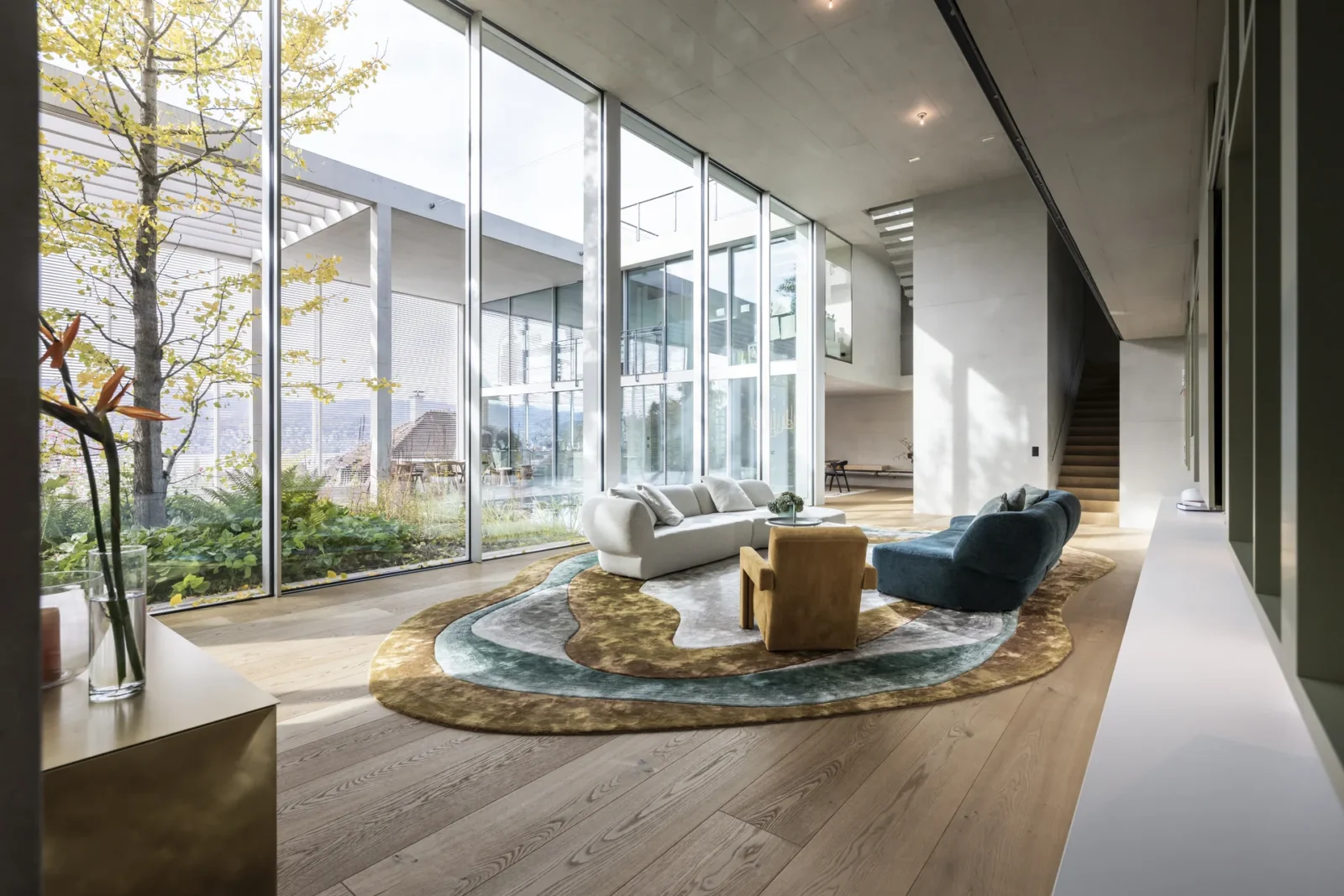
Atrium Zürich by NOA
NOA reworks the interior of the Atrium villa in Küsnacht near Zurich...
illustrarch Editorial Team3 Mins read



Leave a comment