

Housing Design 101: From Concept House to Open Plan Living
Housing design is one of architecture's most essential disciplines. This guide covers the core principles, from context analysis and occupant-centered design to open concept house plans and closed concept layouts. Explore how iconic projects like the Farnsworth House shaped modern housing, and learn how to plan a residential project step by step.
 Elif Ayse Sen26 January 20266 Mins read599

Table of Contents Show
Known as “a machine for living in” by Le Corbusier, the house is one of the most important subjects of architecture from past to present. Housing design shapes how we live, connect, and experience our daily routines, from intimate family homes to large-scale residential developments. We will talk about the basic principles of housing design, including open concept house layouts and closed plan strategies, and this will be helpful for house projects that you will experience in every architecture school and professional life.
What Is a Housing Concept and Why Does It Matter?
A housing concept is the central design idea that drives every decision in a residential project, from spatial organization and material selection to how occupants interact with their environment. Whether you are working on an radical residential concept house or a conventional family dwelling, defining a clear concept helps unify the design and give it purpose. A strong housing concept considers the relationship between interior spaces, outdoor areas, and the surrounding context, ensuring that the final result is more than a collection of rooms, it is a coherent living experience.
Context in Housing Design
As in every project, one of the most important principles in house design is context. Before starting a project, it is necessary to know every detail about the surrounding buildings, urban fabric, sociocultural characteristics and context. Understanding the context influences all the design elements you choose in residential design. Every design input is determined by context, including how many floors your building has, construction techniques, scale, and facade design. Context also determines whether an open concept house design or a more traditional closed arrangement is appropriate for the site and its community.

How you plan a housing project from an architectural perspective depends heavily on site analysis. Examine sun orientation, prevailing winds, noise sources, and views before sketching a single line. Understanding how housing market forces shape architectural design also helps architects make informed decisions about density, scale, and unit types. When a property is prepared for sale or rental, visual presentation becomes a key factor in how these design qualities are perceived, and services like TK Images real estate photography can help showcase spatial layout, lighting, and overall appeal to potential buyers or tenants.
Users and Occupant-Centered Design
The residence is part of the residential architecture and the wishes of the user must be taken into account. You need to analyze well which people and how many people the house you designed will appeal to. Sociocultural level of the society, occupations and age group analysis have an important place in mass housing designs. In addition, when you design a family home, you should understand what family members expect from their living spaces today and in the future. The house will grow and change not only today but also in the future. It should work like a machine, satisfy its user and maintain it for many years.

Understanding users also means knowing how they decorate and personalize their homes. A young couple may prioritize a small house open concept kitchen and living room for entertaining, while a family with children might need defined zones for play and study. Designing with these scenarios in mind leads to more successful housing projects and higher occupant satisfaction.
Plan Solutions: Open Concept vs. Closed Concept
Architects have to make comparisons with traditional methods while developing their house projects. For example, in order to design a house in Turkey, it is important to analyze what kind of solutions have been found in the past in traditional Turkish houses, in which places people are accustomed to live.
The plan solution of a house should be made by considering the expectations and needs of the user. Good resolution of wet areas and ventilation is very important for comfortable living in the house. The bedrooms should be located at the back, and the spatial organization should be developed considering the economic conditions.
What Is an Open Concept House?
An open concept house eliminates conventional barriers such as walls and doors between the kitchen, dining area, and living room, creating a fluid, interconnected living space. This open concept style house became widely popular during the mid-twentieth century, influenced by the modernist movement and architects like Frank Lloyd Wright, who pioneered connected living and dining spaces in his Prairie-style homes as early as 1901.
Open concept house plans promote natural light flow, improve sightlines between rooms, and create a sense of spaciousness, even in smaller dwellings. For instance, open concept 1000 sq ft house plans 2 bedroom layouts maximize limited square footage by merging the kitchen, dining, and living areas into one multifunctional zone. Similarly, open concept ranch house floor plans take advantage of single-story living to create wide, unobstructed spaces that connect seamlessly to outdoor areas.
For practical tips on creating open layouts, explore our guide on embracing open plan living and how open concept layouts impact real estate value.
What Is a Closed Concept House?
Closed concept house plans use walls and doors to define individual rooms with distinct purposes, a dedicated dining room, a separate kitchen, and enclosed living areas. This traditional layout, dominant for centuries before the open concept trend emerged, offers clear advantages: better noise control, improved energy efficiency for heating and cooling individual rooms, more wall space for storage and art, and greater privacy between household members.
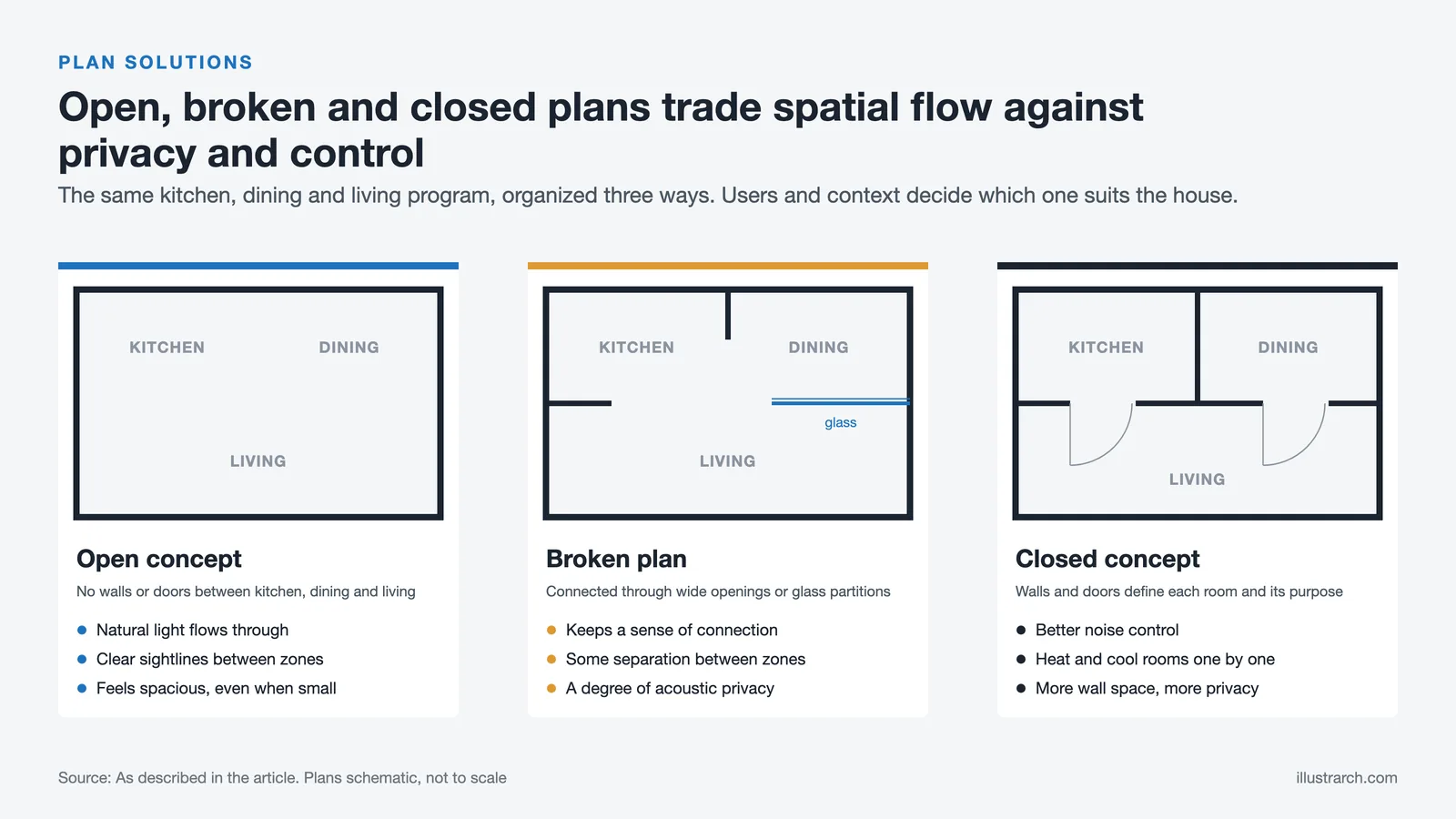
In recent years, many designers have begun reintroducing defined rooms in a modern context, creating what is sometimes called a “broken plan” approach, spaces that feel connected through wide openings or glass partitions while still maintaining a degree of separation and acoustic privacy.
When Did Open Concept Houses Become Popular?
The open concept trend traces its roots to the early twentieth-century modernist movement. Wright’s connected living-dining configurations appeared around 1901, but the style truly gained traction in the 1940s and 1950s through ranch and split-level homes in the United States. By the 1990s, open floor plans had become the standard in new residential construction. Today, however, architects are evolving the concept, blending openness with purposeful zones to offer the best of both worlds.
How to Decorate an Open Concept House
Decorating an open concept house requires thoughtful zoning strategies. Use area rugs, distinct lighting fixtures, and furniture groupings to define functional areas within the larger space. A kitchen island can serve as a visual divider between cooking and living zones. Consistent color palettes and material choices unify the overall space, while varied textures and accent pieces add personality to individual zones. For more on interior design ideas for new homes, check our dedicated guide.
How to Paint an Open Concept House
In an open concept house design, painting requires a cohesive approach. Choose a base neutral color that flows throughout the main space, then use accent walls or slightly different tones to subtly distinguish the kitchen from the living area. Warm neutrals like soft greige or warm white create continuity, while strategic accent colors on a feature wall or the kitchen backsplash area add visual interest without disrupting the spatial flow.
The Litt Concept House and Innovative Housing Concepts
Contemporary architecture continues to produce innovative concept houses that push the boundaries of residential living. The litt concept house philosophy, small, intentional, and thoughtfully designed, embodies the principle that quality of space matters more than quantity. These compact concept house designs prioritize natural light, flexible layouts, and strong connections between indoor and outdoor environments.
Architects like those featured on ArchDaily continue to explore innovative housing concepts that challenge conventional thinking about how we inhabit domestic spaces. Whether through minimalist house design or technology-driven smart homes, the housing concept continues to evolve with society’s changing needs.
Farnsworth House by Mies Van der Rohe: A Housing Design Icon
One of the iconic projects in modern architecture is the Farnsworth House designed by Mies Van der Rohe. The transparent and transparent dialogue of the house with its surroundings, the simple existence of Van der Rohe’s understanding of free space, is very successful. We can say that Housing Design 101 is about examining and understanding Farnsworth House first!

The Farnsworth House is perhaps the ultimate expression of the open concept house idea, its glass walls dissolve the boundary between interior and exterior, while the single open floor plate eliminates all internal divisions except for a central utility core. This radical approach to housing design influenced generations of architects and remains a touchstone for understanding how spatial openness can transform the experience of living.
How to Plan a Housing Project: Key Architectural Steps
Planning a housing project requires a systematic approach that balances user needs, site conditions, budget, and design ambition. Start by conducting thorough site analysis, studying topography, climate, zoning regulations, and the surrounding neighborhood. Next, develop a program that outlines the required spaces, their sizes, and relationships.
Consider whether open concept house plans or closed concept house plans better suit the project’s users and context. Create well-considered floor plans that optimize circulation, natural light, and ventilation. Finally, refine the design through iterative feedback with clients, always keeping the latest housing design trends and sustainability standards in mind.
For those studying architecture, developing strong architectural plan presentation skills is essential to communicating housing design ideas effectively. Understanding how to translate a housing concept into clear drawings ensures that your vision can be realized in construction.
The Future of Housing Design
Housing design continues to evolve as society faces new challenges, from climate change and urbanization to remote work and aging populations. Concepts like adaptive reuse, modular construction, and smart home integration are reshaping what homes look like and how they function. The future of designing home will balance sustainability, technology, and personalization, ensuring that housing design remains one of architecture’s most dynamic and essential disciplines.
Whether you choose an open concept house design for its spatial freedom or a closed concept house plan for its privacy and efficiency, the fundamental principles remain the same: understand your users, respect the context, and create spaces that enrich daily life.


3 Comments

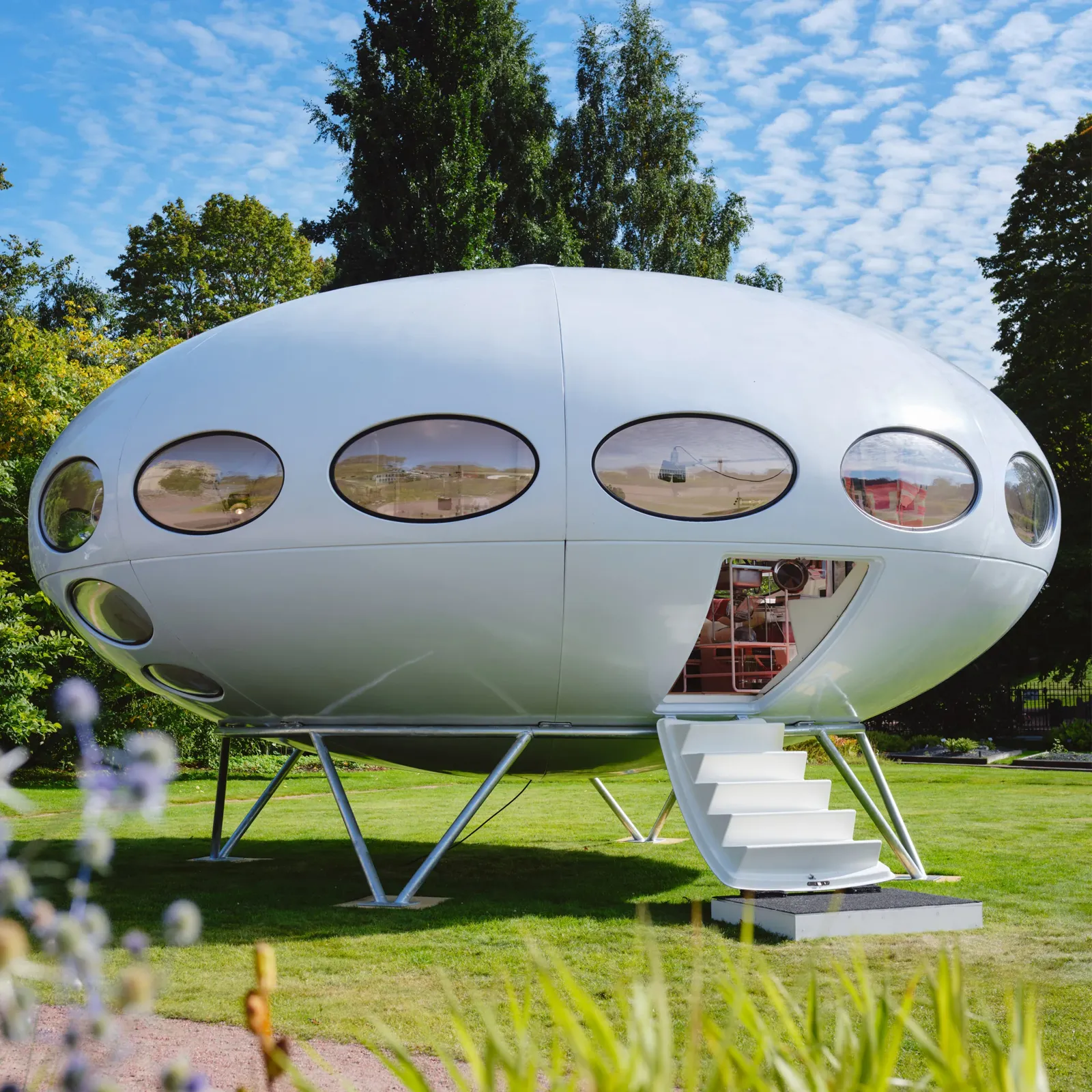
Futuro House Production Revived in Finland After Decades-Long Hiatus
A Facebook listing for abandoned moulds led to the first new Futuro...
 illustrarch Editoral Team3 Mins read
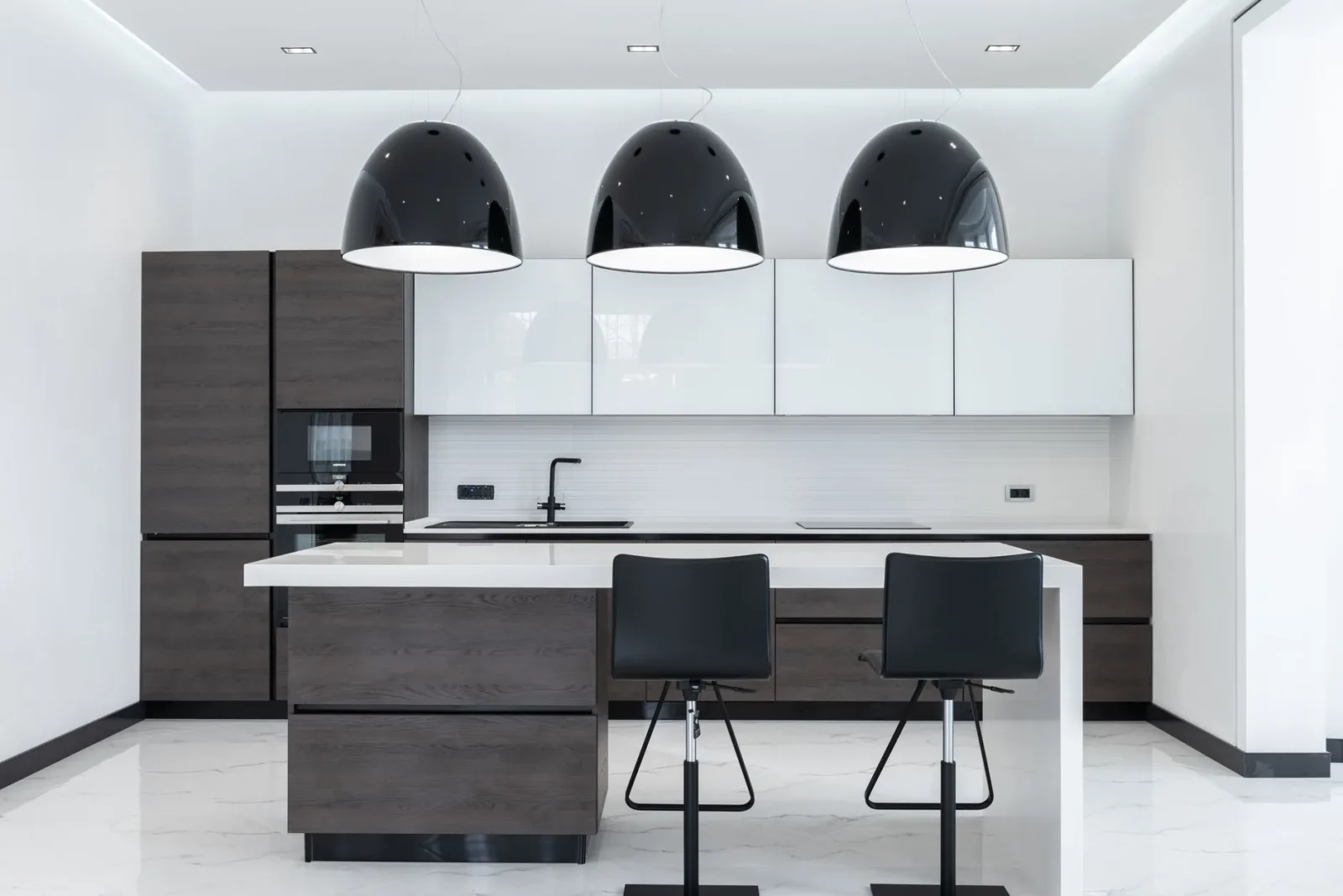
Electrical planning as part of better home design
Table of Contents Show Good rooms need electrical thinking from the sketch...
illustrarch Editoral Team4 Mins read

Why Open Floor Plans Still Have Hot and Cold Spots
You knock down the partition walls, open up sightlines from the kitchen...
illustrarch Editoral Team4 Mins read
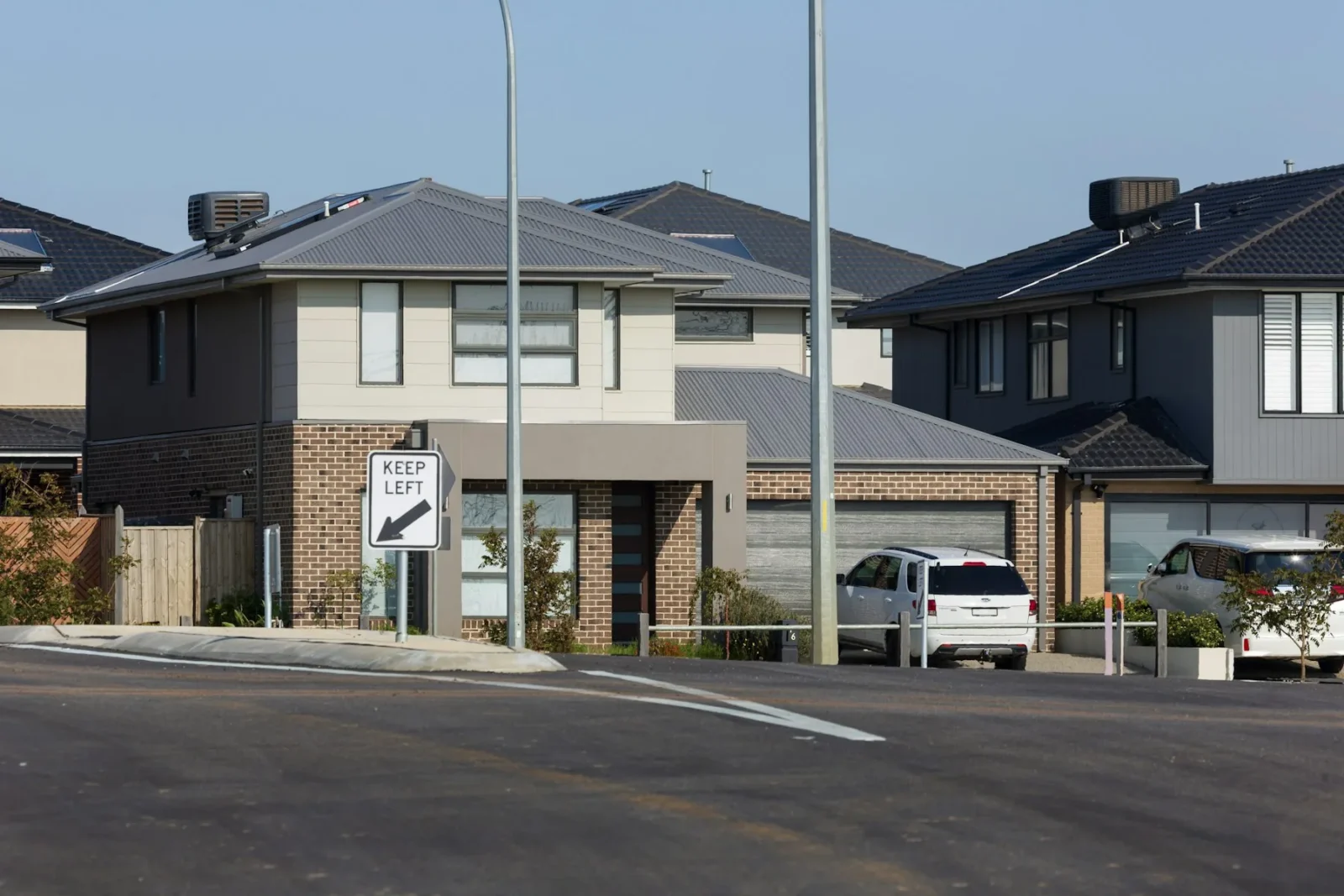
Building Your Dream Home in NSW: What You Should Know About Montgomery Homes
Montgomery Homes has been building across Sydney, Newcastle, the Hunter, Wollongong and...
illustrarch Editoral Team4 Mins read


This article talks about important things in house design. I think understanding the context is really necessary.
The post mentions how user needs matter in housing design. It makes sense that houses should fit the people living in them.
I found the examples of famous houses interesting. They show different ways to think about space and design.