

3D Rendering Softwares: Lumion
Lumion is a leading rendering software for architects, known for its compatibility with various 3D modeling tools and its advanced real-time rendering capabilities.
 Elif Ayse Sen13 February 20225 Mins read678

Table of Contents Show
Lumion is almost the most preferred rendering software for architects and architecture students. Due to realistic effects, quality renders and understandable interface of Lumion, most of the architects and professional offices prefer this software.
Lumion imports most common 3D modeling file types and works with the major CAD and BIM packages. This means that whichever mainstream software you use to create your 3D models, you can import them into Lumion quickly and effortlessly. This is one of the biggest reasons behind the popularity of Lumion.
Lumion also has the ‘LiveSync’ real-time rendering plugin. You can download this sync plugins into your modeling software. For example, if you work on Revit, you can add Lumion for Revit plugin in to Revit. Lumion LiveSync allows you to make a real-time link between Lumion and numerous 3D modeling tools. You can work on your 3D model while visualizing it in Lumion’s stunning, fully detailed settings with this link. As a result, you’ll always be able to see how your design decisions will look in the context of the project.

You can make adjustments to the materials you have assigned in the modelling software via Lumion, change the settings in the Material Library to make them more realistic. With Lumion, you can provide great material finishes by supporting it with light settings both indoors and outdoors. It is possible to achieve great results with a render with well-adjusted materials and lighting.
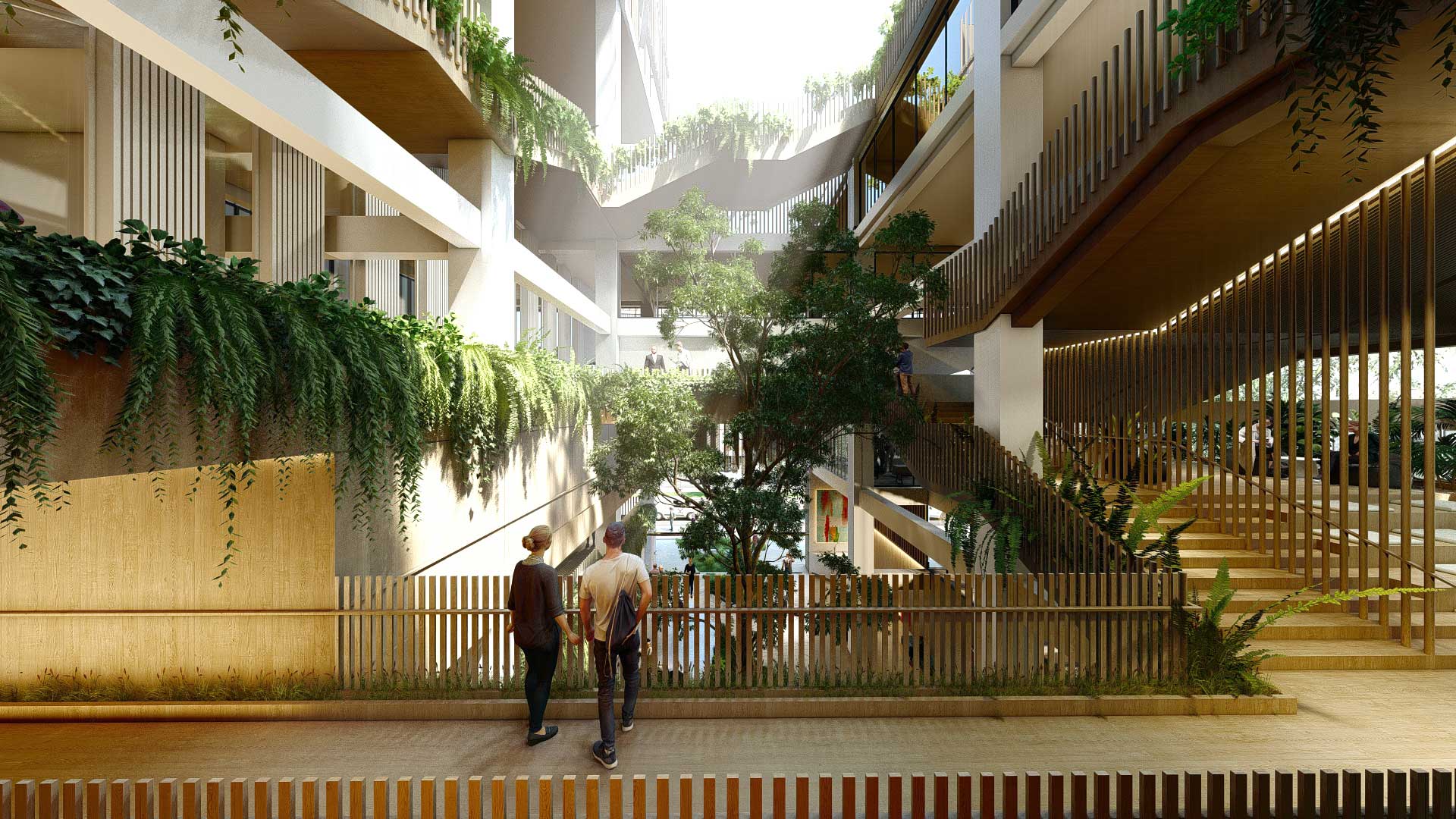
In addition, as you can see in the examples from the images on Lumion’s official site, Lumion provides a great development not only on the model but also on the atmosphere. With Lumion, you can create an atmosphere based on the context of your project. From the Nature library, you can develop trees, water, nature or the city with all the features you can think of, with your render.

Lumion System Requirements: What the Hardware Actually Has to Do
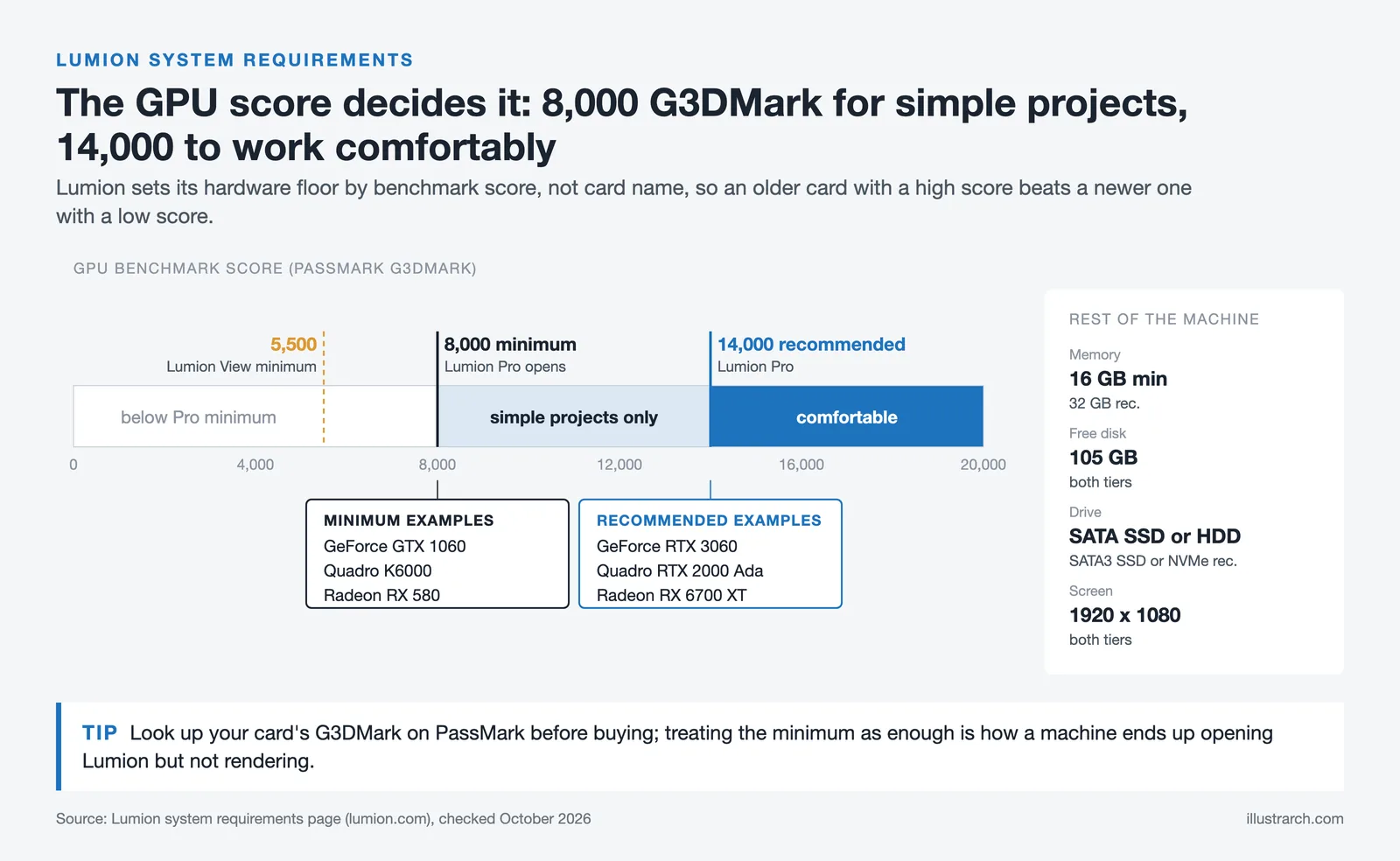
Lumion is more demanding than most architectural software and the requirement that matters is the graphics card, measured by benchmark score rather than by model name. Figures below are from Lumion’s published system requirements.
| Requirement | Minimum | Recommended |
|---|---|---|
| GPU benchmark | G3DMark 8,000 or higher | G3DMark 14,000 or higher |
| Example cards | GeForce GTX 1060, Quadro K6000, Radeon RX 580 | GeForce RTX 3060, Quadro RTX 2000 ADA, Radeon RX 6700 XT |
| System memory | 16 GB or more | 32 GB or more |
| Storage | SATA SSD or HDD | SATA3 SSD or NVMe M.2 |
| Free disk space | 105 GB minimum | 105 GB minimum |
| Screen | 1920 × 1080 | 1920 × 1080 |
Two things follow from this table. The GPU score is the binding constraint, not the card generation: an older card with a high G3DMark outperforms a newer one with a low score. And Lumion notes that the minimum configuration handles simple projects only, so treating minimum as sufficient is how people end up with a machine that opens the software and cannot render from it.
Lumion View, the lighter companion product, runs on far less: a ray-tracing capable integrated GPU with a Passmark of 5,500 or higher, a CPU scoring 2,500 single-thread, 16 GB of RAM and 300 MB of disk. It cannot render at 4K on the minimum configuration.
Lumion Pricing
Lumion is sold as a commercial licence with an education option, and current rates are published on Lumion’s own purchase page. As of October 2026, a one-year named-user Lumion Pro licence is billed at $1,149 upfront (about $96 per month), and a floating seat at $1,499 per year. There is no free tier of the full product, which is the main practical difference from the alternatives below.
What Lumion Connects To
LiveSync plugins connect Lumion to the modelling packages architects actually use, and the current list is maintained on Lumion’s compatibility page. The supported set covers Revit, SketchUp, Rhino, Archicad, Vectorworks, AutoCAD, 3ds Max, Allplan, BricsCAD and FormIt.
The distinction worth understanding: LiveSync is a live link, not an export. Changes to the model appear in Lumion while you work rather than requiring a re-import, which is the whole reason to use it over a file-based workflow.
Lumion Alternatives
| Tool | Licence | Strongest at | Trade-off |
|---|---|---|---|
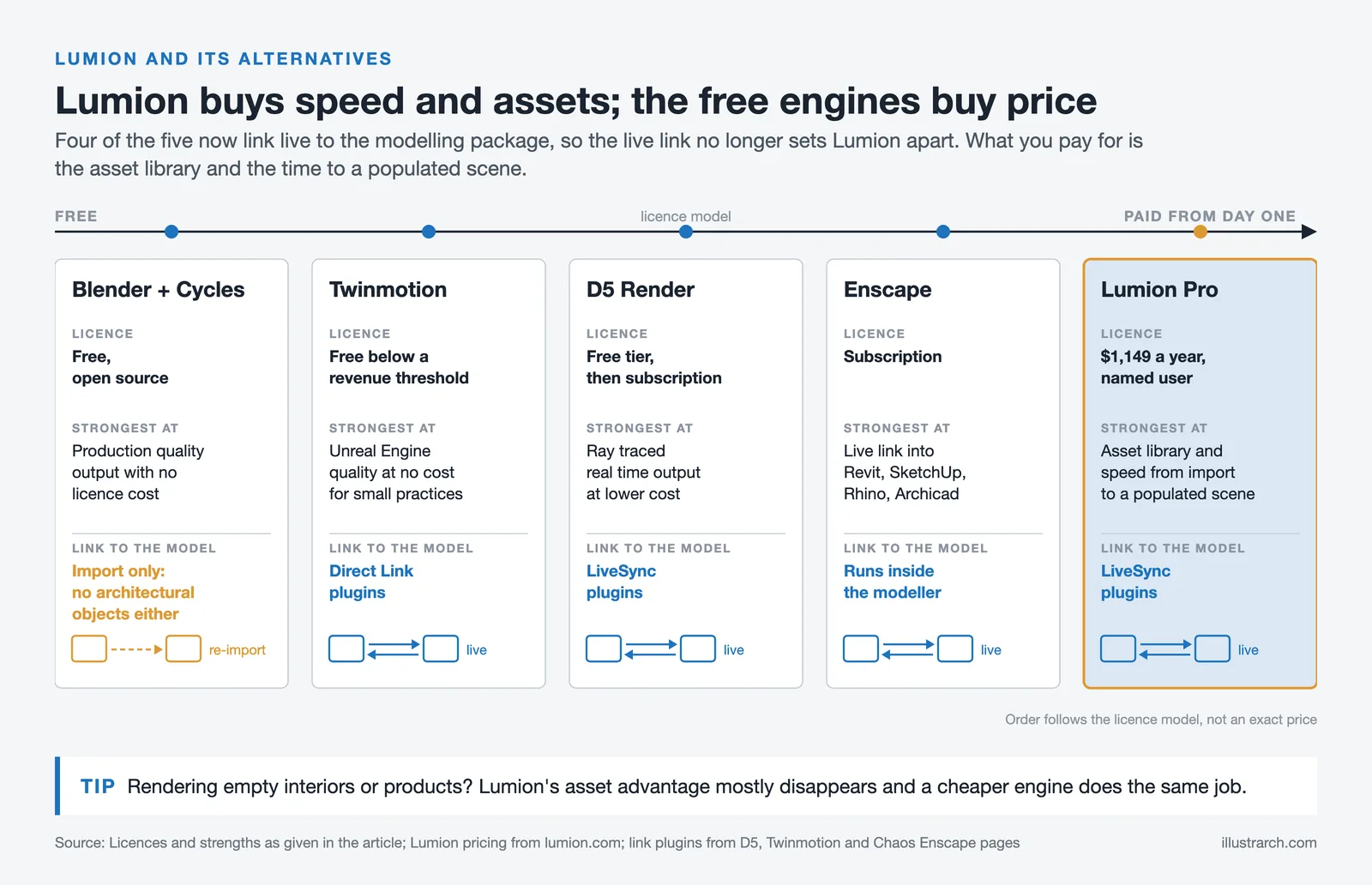
| Enscape | Subscription | Live link into Revit, SketchUp, Rhino and Archicad | Smaller asset library than Lumion. |
| D5 Render | Free tier, then subscription | Ray-traced real-time output at lower cost | Links live to SketchUp, Revit, Rhino and Archicad through LiveSync plugins. |
| Twinmotion | Free below a revenue threshold | Unreal Engine quality with no licence cost for small practices | Fewer architectural presets than Lumion. |
| Blender with Cycles | Free, open source | Production-quality output with no licence cost | No architectural objects, steep learning curve. |
The honest position: Lumion’s advantage is the asset library and the speed from import to a populated, atmospheric scene. If you are rendering empty interiors or products, that advantage largely disappears and the cheaper engines do the same work.
How Lumion Fits an Architectural Workflow
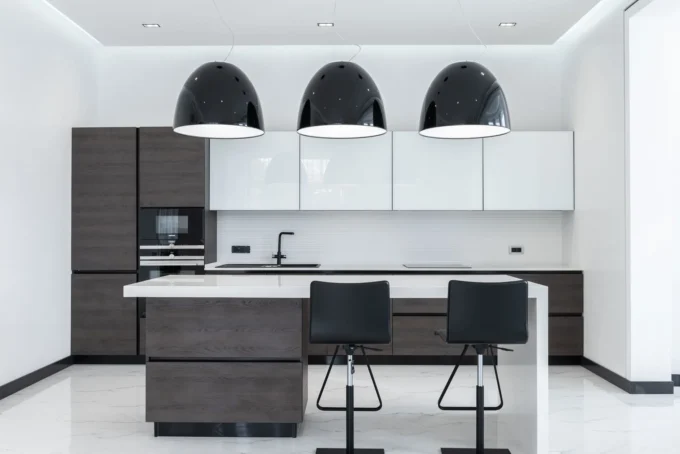
Lumion is built to sit at the visualization stage of a project, after modeling and before final presentation. Because it imports nearly every common 3D and CAD format, you can keep designing in SketchUp, Revit, ArchiCAD, Rhino, or 3ds Max and treat Lumion purely as the place where you light, texture, and present the scene. This separation keeps your modeling software lean while letting Lumion handle the heavy graphical work. For many offices, the value is speed: a model that would take hours to set up in a traditional render engine can be dropped into a populated environment in minutes.
Key Features Worth Knowing
Beyond LiveSync, Lumion ships with a large content library of trees, plants, people, vehicles, and furniture that help a render feel inhabited. Its weather and sky controls let you change the time of day, add clouds, or simulate rain to set a mood. Effects such as depth of field, reflection, and global illumination add realism without complex manual setup. The material system includes presets for glass, water, concrete, wood, and metal that respond to the scene lighting. Together these tools let an architect communicate atmosphere, not just geometry.
Tips for Better Lumion Renders
A few habits improve results quickly. Start with the camera and composition before adding effects, since a strong viewpoint matters more than any single setting. Use real-world scale in your source model so people and trees look correct. Build lighting around one main source, usually the sun, then add fill where shadows go too dark. Apply reflections sparingly because they raise render times. Finally, keep a consistent style across a set of images so a presentation reads as one coherent project rather than a collection of unrelated views.
Strengths and Limitations
Lumion’s main strength is the balance between ease of use and visual quality, which makes it approachable for students and fast for professionals. Its real-time feedback shortens the design-to-image loop dramatically. The trade-offs are that it is a paid commercial product, and its hardware demands rise sharply for animation and high-resolution output, even though still images are forgiving. For photoreal product or interior detail work, some teams pair it with or switch to other engines. For architectural context, mood, and quick iteration, it remains one of the most popular choices in the field.







From SketchUp View to Client-Ready Render: A Hands-On Look at Vizbase
Vizbase co-founder Mikus Zarāns shows how the browser-based AI renderer turns SketchUp...
 illustrarch Editoral Team4 Mins read

Notion Alternatives for Architects: 7 Tools That Fit Studio Work
Notion works until a studio needs fee tracking, phase budgets and timesheets....
 Furkan Sen7 Mins read

Why Every Practice Ends Up With Five Versions of the Same Revit Family
Let’s learn why Revit family libraries accumulate duplicates, break schedules and slow...
illustrarch Editoral Team5 Mins read
Visualizing Renovation Projects From Photographs: A Workflow for Existing-Building Work
Photo-based visualization turns a photograph of a building that already exists into...
illustrarch Editoral Team7 Mins read


Leave a comment