

NFT in Architecture
NFT or non-fungible token, also known as a confirmation card, is a digital ledger data unit that is similar to a digital identity and serves as a stand-in for one that cannot be found.
 Elif Ayse Sen20 March 20223 Mins read417

Table of Contents Show
NFT or non-fungible token, also known as a confirmation card, is a digital ledger data unit that is similar to a digital identity and serves as a stand-in for one that cannot be found.
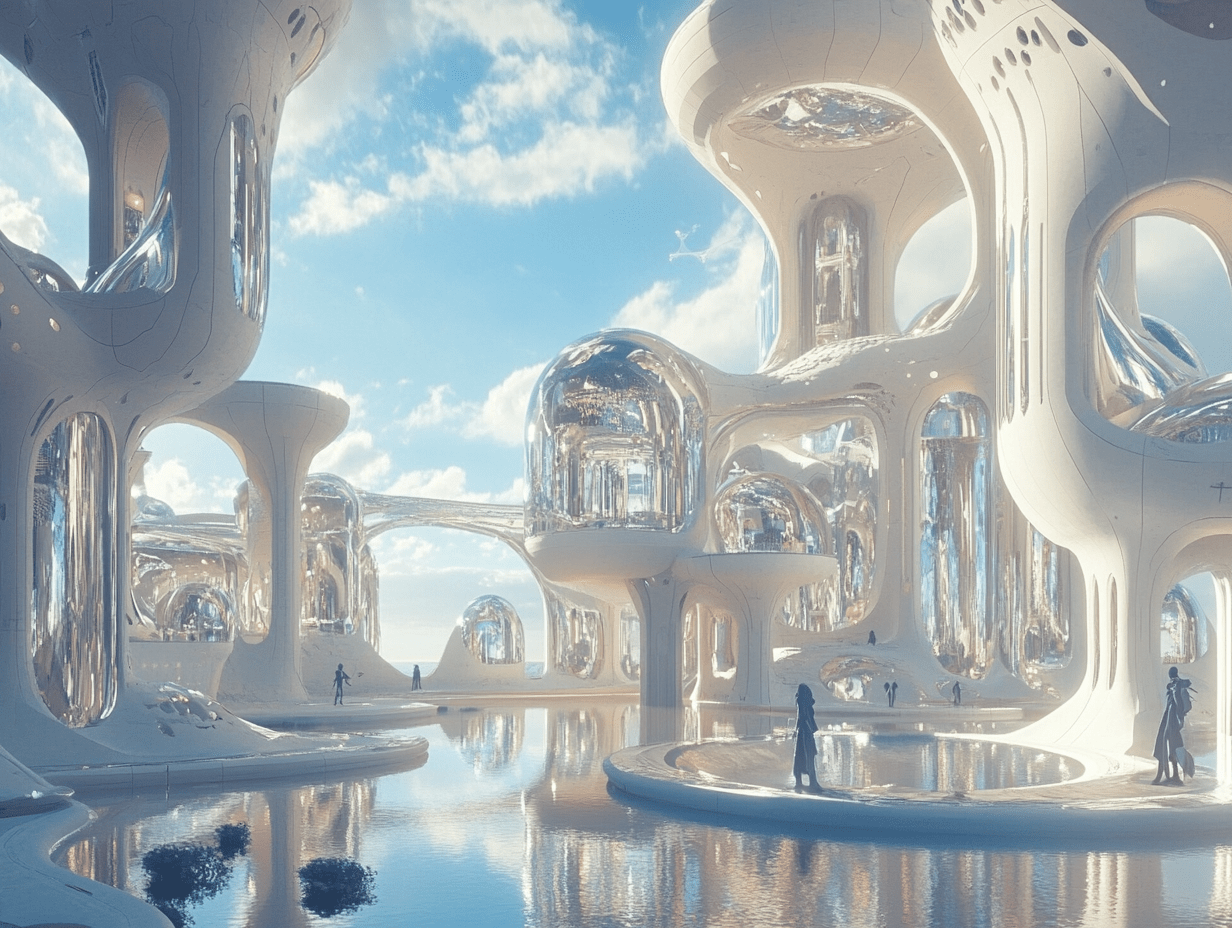
Digital architecture, is a type of this digital creativity. The first NFT-backed digital home was designed sold by Krista Kim for half a million dollars which costs more than a real house in several American cities.

Investing in virtual real estate is another popular trend. People can display their NFT art collections, wander around with friends, visit buildings, and attend events in virtual environments such as Decentraland, Sandbox, and Somnimum Space. This is an intriguing and potentially lucrative arena for designers to apply their design abilities in the physical world and expand them into the artificial realm.

How Will be NFT Architecture?
Like Krista Kim’s home, which sold for half a million dollars, Andrés Reisinger also designed a furniture collection and sold it for 450 thousand dollars. We can say that these houses and furniture colletion, which are not in real life and sold virtual, are the first monetized designs of NFT and the Metaverse universe. Kim’s Mars House and Reisinger’s furniture are all digital creations that can be auctioned off and owned, but never touched.
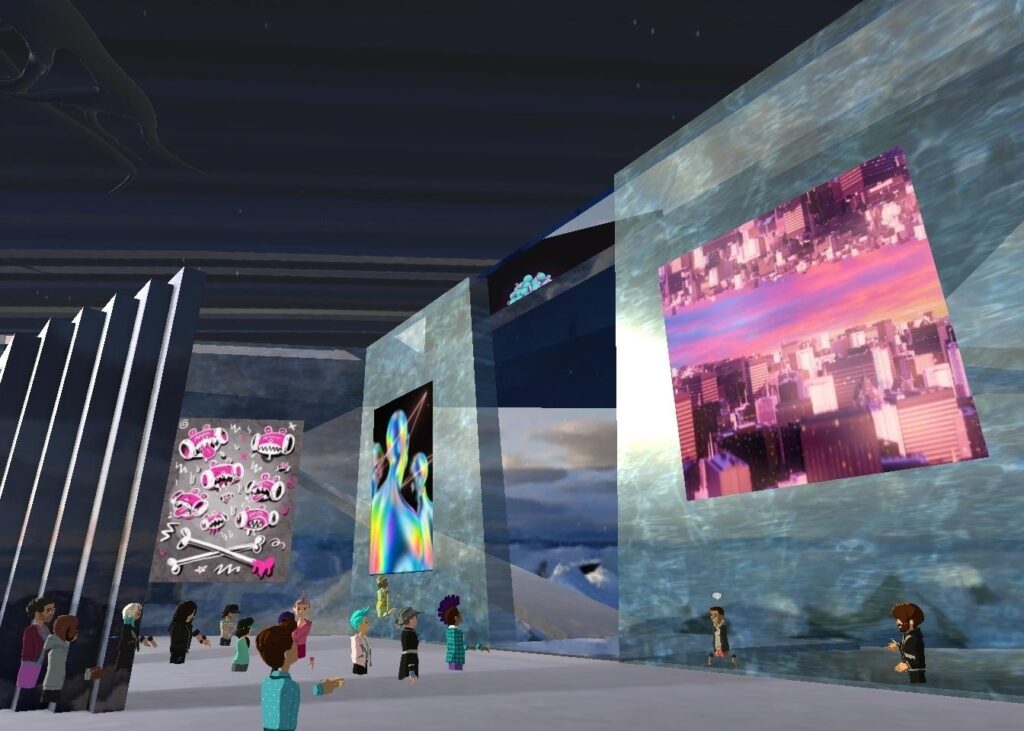
The intense interest in designs sold by auction so far surprises everyone. The number of virtual investors and collectibles does not seem insignificant! There will always be skeptics of digital art and design, and the environmental impact of some blockchain traders will likely drive off sustainability-conscious producers till the underlying technology advances further. However, there’s no doubt that designers can make money at the murky junction of our digital and real worlds.
Also Read: Virtual ArchitectureHow an NFT Works in an Architectural Context
An NFT is a record stored on a blockchain that points to a specific digital file and proves who owns that particular version of it. For architecture, the file is usually a rendered home, an interior scene, a piece of virtual furniture, or a 3D model intended for a virtual world. The blockchain entry does not store the model itself, only a token that links to it along with a tamper-resistant history of every sale. That history is what lets a designer claim authorship and a buyer claim ownership, even though the work is purely digital and can be copied freely by anyone who views it.
This distinction matters because it separates value from physical scarcity. A real building is scarce by nature, while a digital render can be duplicated instantly. The NFT reintroduces scarcity by making one copy verifiably original, which is the mechanism that allowed projects like Mars House to command real money for a home that will never be constructed.
Practical Uses Beyond Collectible Art
While headline sales focus on collectible renders, architects are testing more grounded applications. Virtual environments such as Decentraland and The Sandbox need pavilions, galleries, showrooms, and event spaces, and these are commissioned much like physical buildings. Some studios use NFT-backed parcels as portfolios that clients can walk through. Others sell limited series of furniture or material concepts that exist only as digital assets but inform later physical products. The skills carry over directly: spatial composition, lighting, circulation, and material storytelling all translate from a built site to a virtual one.
Weighing the Benefits Against the Risks
On the positive side, NFTs open a new revenue stream, let designers reach a global audience without construction budgets, and can include royalty terms that pay the original creator on every resale. The drawbacks are real as well. Token prices are volatile, the market can cool quickly, and ownership of a token does not always grant copyright to the underlying design. Energy consumption was a serious criticism in the early years, though the shift of major networks toward more efficient proof-of-stake systems has reduced that footprint considerably. Anyone entering the space should read the smart contract terms carefully and treat speculative valuations with caution.
Getting Started as a Designer
A designer curious about minting work can begin small. Prepare a finished render or short animation, set up a wallet, and list the piece on an established marketplace. It helps to define clearly what the buyer receives, whether that is display rights, a high-resolution file, or usage in a specific virtual platform. Building a consistent body of work and a recognizable style tends to matter more than chasing one viral sale. As with traditional practice, reputation and a clear point of view are what attract serious collectors over time.





The Future is Here: Understanding Augmented Reality
Augmented reality architecture is changing how architects visualize designs, present to clients,...
Elif Ayse Sen8 Mins read

The Evolution of Web Gaming: HTML5’s Place in the Industry
HTML5 has transformed web gaming by eliminating the need for plugins, enhancing...
 illustrarch Editoral Team4 Mins read
Exploring The Future of Architecture in the Metaverse: Trends and Innovations
Explore how the metaverse is revolutionizing architecture by liberating designs from physical...
 Muhammad Abdullatef - Tifa Studio5 Mins read
Exploring How Architecture Transforms in the Metaverse Era
Discover how the metaverse is revolutionizing architecture, freeing designers from physical limits...
Muhammad Abdullatef - Tifa Studio5 Mins read


Leave a comment