

Construction Projects Key Skills for Effective Management
Construction projects key skills for effective management: a practical guide to scope control, CPM scheduling, cost/risk, safety, and leadership, apply now.
 Sinan Ozen29 December 20254 Mins read236
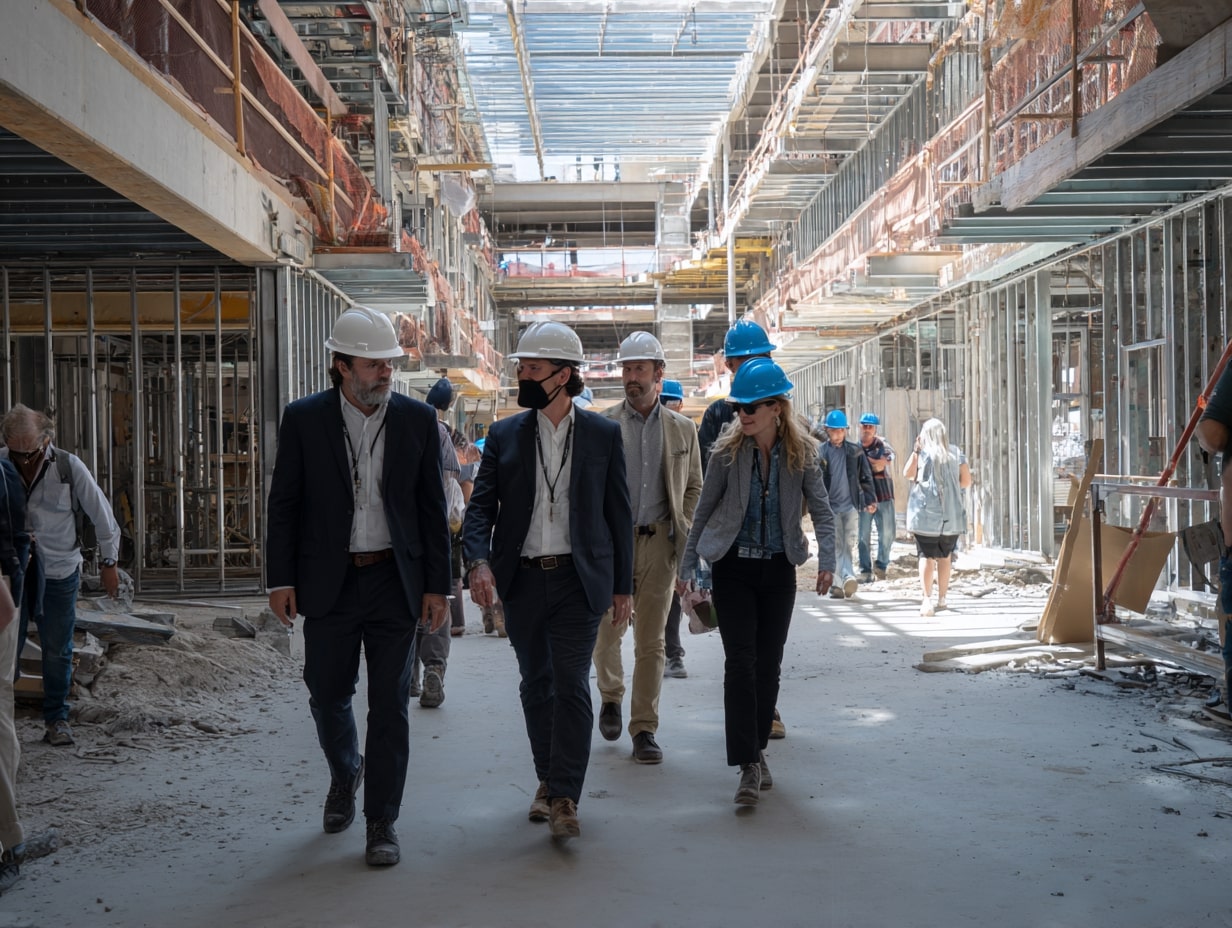
Table of Contents Show
Construction projects move fast, burn cash quickly, and expose us to real-world risks. That’s exactly why honing construction projects key skills for effective management isn’t optional, it’s how we deliver on time, on budget, and without surprises. In this guide, we lay out the practical skills we rely on in the field and the office, from scope control to jobsite logistics, so we can lead with confidence and keep projects predictable.
Why Effective Construction Management Matters
Every change, hour, and delivery carries cost and risk. Effective construction management turns uncertainty into structure: clear scope, sequenced work, tight cost control, and a culture of safety. When we apply discipline early, during precon and planning, we reduce RFIs and rework, cut idle time, and protect margins.
It’s not just about hitting milestones. It’s about aligning stakeholders, enforcing quality standards, and creating a flow where trades can work safely and efficiently. Done well, we avoid cascading delays, preserve relationships, and hand over buildings that perform as designed. In short, good management is the difference between firefighting and predictable outcomes.

Core Technical Skills
Scope And Work Breakdown
We start by locking scope and translating it into a Work Breakdown Structure (WBS). The WBS clarifies deliverables, ties activities to cost codes, and gives us a baseline for estimating, scheduling, and reporting. We document inclusions/exclusions, acceptance criteria, and interfaces between trades so scope gaps don’t become change orders later.

Scheduling And Sequencing
A realistic schedule is a production plan, not a Gantt chart wallpaper. We build logic-driven CPM schedules with clear critical paths, float ownership, and phase plans (pull planning helps). We phase by area, system, and elevation, then break down to weekly work plans. We level labor, coordinate inspections, and protect the path of critical materials. Look-ahead schedules keep crews unblocked.
Cost Control And Forecasting
We manage cost at the cost code level: commitments, actuals, and forecasts updated monthly (or biweekly on fast jobs). We track productivity (units per labor hour), watch burn rates, and update EACs using real performance, not wishful thinking. Early warning indicators, buyout variance, pending change exposure, and contingency drawdown, keep us proactive.
Risk And Quality Management
Risk registers shouldn’t collect dust. We identify top technical, schedule, commercial, and safety risks: assign owners: and carry out mitigations (mockups, long-lead buys, alternate details). On quality, we use hold points, first-work inspections, and checklists aligned to specs. Catching defects at first installation prevents systemic rework.
Safety Management
Safety isn’t a poster: it’s planning. We integrate Job Hazard Analyses with the daily plan, verify PPE and permits, and audit high-energy work (lifts, lockout/tagout, excavation, hot work). Near-miss reporting and quick corrective actions build a learning loop. A safe site is a productive site, and it’s the baseline for every decision we make.
Leadership And Communication Skills
Stakeholder Management
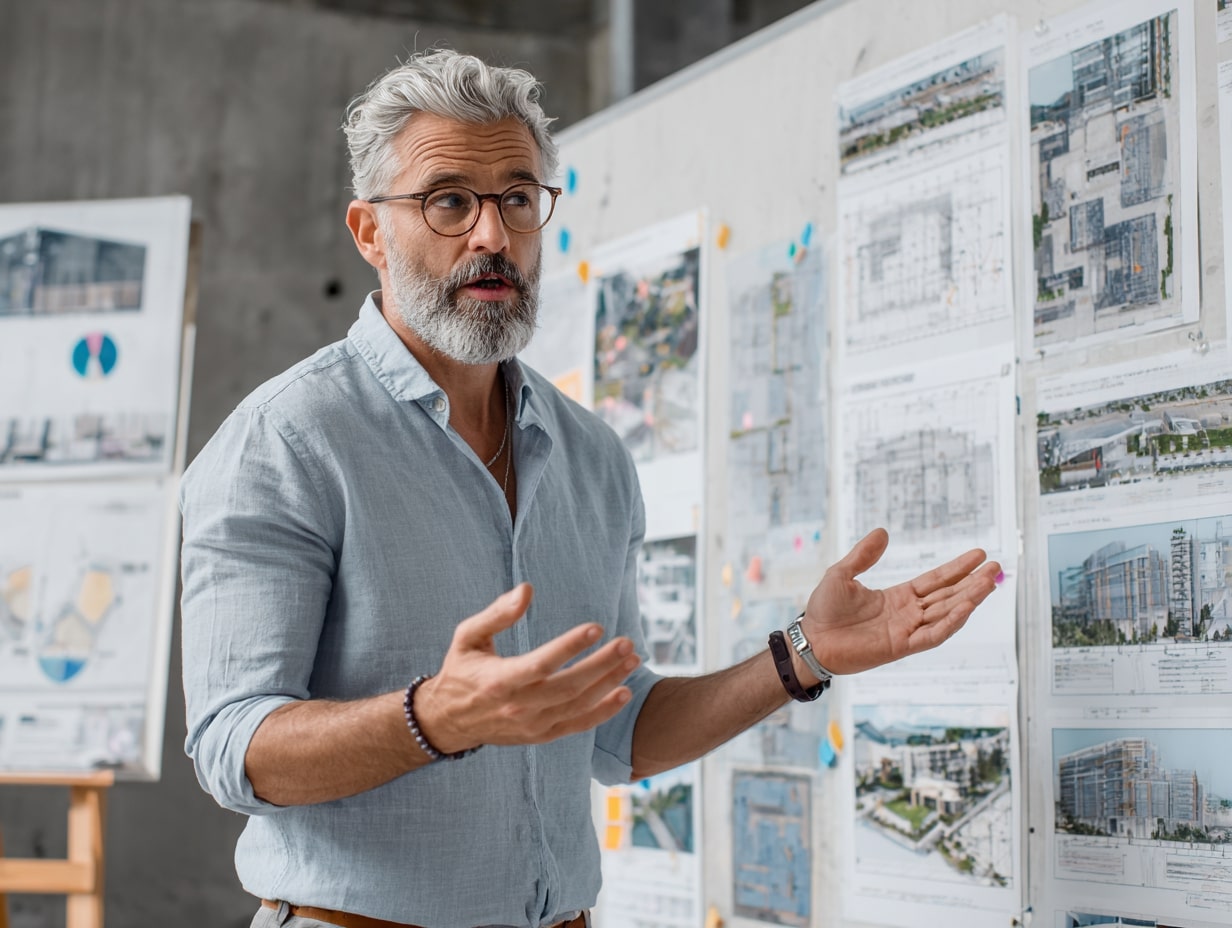
Owners want predictability, designers want intent upheld, and trades want clear paths to install. We map stakeholders, align on priorities, and set cadences: OAC meetings, design coordination, and trade huddles. Transparent dashboards and timely RFIs keep everyone on the same page.
Team Leadership And Motivation
We set the tone: clear expectations, respectful feedback, and recognition for crews hitting milestones. We remove blockers, celebrate small wins, and make safety and quality non-negotiable. When pressure spikes, we keep the team focused on facts and next actions, not blame.
Negotiation And Conflict Resolution
Conflicts are inevitable, over scope, time, or money. We negotiate with data: contract clauses, schedules, and productivity metrics. We aim for win-win outcomes, tradeoffs that protect critical path and quality, reserving escalation for when facts and options are exhausted.
Planning Tools And Methods
Project Controls And Earned Value
We pair cost and schedule using Earned Value Management (EV, PV, AC). CPI and SPI tell us if we’re burning dollars or days too fast. Trend charts and variance analysis inform recovery plans. The goal: spot deviation early, adjust crews or sequences, and protect the end date.

BIM/VDC And Model Coordination
Models aren’t vanity: they’re clash-prevention and prefab enablers. We coordinate MEP systems in BIM, run clash detection, and issue constructible shop models. We use 4D to validate sequences and 5D to validate quantities and budgets. Laser scans keep as-builts honest.
Procurement And Contract Fundamentals
We win or lose in buyout. We define scopes clearly, align on alternates, and lock lead times. Understanding contract types (lump sum, GMP, cost-plus) and key clauses (notice, change, indemnity, liquidated damages) helps us manage risk and negotiate fairly.
Change Management And Documentation
Change happens: chaos doesn’t have to. We log potential changes, quantify cost and time, and submit timely notices. We keep RFIs, submittals, meeting minutes, and inspections tight, because good documentation is leverage, and protection, when memories fade.
Field Execution And Coordination
Jobsite Logistics And Material Flow
We plan laydown, hoisting, delivery windows, and vertical transport so crews always have what they need. Kitting materials by area or floor, with point-of-use delivery, speeds install and cuts waste. Bad logistics will quietly kill a schedule.

Subcontractor Coordination And Daily Huddles
Daily huddles sync scopes, access, and safety. We confirm constraints, assign zones, and update the look-ahead. Clear start/finish definitions prevent overlaps. When trades can trust the plan, productivity jumps.
Inspections, QA/QC, And Commissioning Readiness
We schedule inspections into the plan, not as afterthoughts. QC checklists and photo documentation verify compliance. For building systems, we front-load commissioning: submittals aligned to OPR/BOD, TAB readiness, and start-up plans so functional testing isn’t a scramble at the end.
Conclusion
If we had to boil it down, effective management is disciplined planning plus consistent communication, executed with field reality in mind. By developing construction projects key skills for effective management, scope control, sequencing, cost and risk discipline, strong leadership, and relentless coordination, we turn complexity into flow and hand over projects we’re proud to sign our name to.
- budget management in construction
- communication skills in construction projects
- construction management strategies
- construction management techniques
- construction management training
- construction project coordination skills
- construction project management
- effective construction management skills
- effective construction project planning
- risk management in construction projects








Architecture Beneath the Surface: The Crucial Role of Structural Mechanics and Geotechnical Analysis in Groundwork Design
Bold architecture depends on the ground beneath it. How numerical geotechnical analysis...
 illustrarch Editoral Team1 Mins read
Designing Renovation Projects Around Debris Flow and Site Logistics
Effective renovation planning must prioritize debris flow management. Learn how to integrate...
illustrarch Editoral Team4 Mins read

How Long Does a Building Warranty Typically Last? Coverage Periods Explained
Building warranty cover is layered, not uniform: one year for finishes, two...
Sinan Ozen5 Mins read

What Is an Architect’s Certificate of Practical Completion?
A practical breakdown of the architect's certificate of practical completion: who issues...
Sinan Ozen6 Mins read


Leave a comment