

Soviet Architecture Abroad: Traces of an Era Across the Globe
Soviet architecture abroad decoded: discover key sites, styles, and regions—from Warsaw to Havana—plus preservation insights and respectful travel tips.
 Sinan Ozen3 January 20265 Mins read177

Table of Contents Show
Look closely in Warsaw, Havana, Hanoi, or Kabul and you’ll spot it: the assertive lines, prefabricated panels, and monumental scale of Soviet architecture abroad. We’re talking about embassies, cultural houses, housing estates, and megaprojects that exported an ideology, and a construction toolkit, far beyond Moscow. This guide helps us read those traces with clear eyes: how they spread, where they settled, what they look like, and how we can experience them respectfully today.
What We Mean By Soviet Architecture Abroad
Soviet architecture abroad spans buildings and urban ensembles financed, designed, or technically guided by the USSR, or executed by local teams using Soviet standards. It includes gifts (like the Palace of Culture and Science in Warsaw), mixed collaborations (Bhilai Steel Plant in India), and entire districts built to microrayon principles (Makroyan in Kabul).
It’s not one style. We see Socialist Realist classicism in early postwar projects, stripped-down modernism in the 1960s, and muscular Brutalism in the 1970s–80s. What links them are shared planning models, structural systems, and a political story written in concrete, brick, and steel.

How It Spread: Exchanges, Aid, And Ideology
Education And Technical Missions
Scholarships pulled thousands of architects and engineers to Moscow, Leningrad, and Kyiv: design institutes then sent experts back out. Technical missions trained local ministries in surveying, prefab assembly, and microrayon planning. The intent was practical and political: build fast, build modern, build alliances.

Standardization Meets Local Codes
Soviet norms (SNiPs, GOST standards) favored repeatable components and modular grids. Abroad, they had to bend, earthquake codes in South Asia, heat and dust in North Africa, monsoon rain in Vietnam. The result is a hybrid: Soviet planning logic filtered through local regulations, materials, and climate realities.
Regional Footprints
Eastern Europe And The Baltics
We see the clearest imprint here: Warsaw’s Palace of Culture and Science (1955) remains a skyline anchor: Riga’s Academy of Sciences echoes the “Seven Sisters” silhouette: Bucharest’s House of the Free Press channels Socialist Realism. Karl-Marx-Allee in Berlin, though GDR-built, follows Soviet boulevard urbanism, grand axes, repetitive slabs, and ceremonial squares.

Middle East And North Africa
Egypt’s Aswan High Dam (1960–70) is the headline: Soviet engineers, turbines, and worker housing created a national symbol and an entire infrastructural landscape. In Syria and Algeria, Soviet teams contributed to factories, housing ensembles, and training institutes, often adding deep balconies, brise-soleil, and robust mechanical rooms to survive heat and dust.
Sub-Saharan Africa
Projects mixed industry and housing: Nigeria’s Ajaokuta Steel Complex (1970s–80s) carried Soviet metallurgical planning: Ethiopia and Mozambique saw prefabricated housing estates and technical colleges. Angola’s Capanda Dam, started with late-Soviet support and completed later by Russian firms, shows how long these infrastructural footprints can be.
South And Southeast Asia
India’s Bhilai and Bokaro steel plants brought entire Soviet-planned company towns, complete with schools, clinics, and cultural halls. Afghanistan’s Kabul microrayons (Makroyan) and the Salang Tunnel rewired mobility and housing. Vietnam’s Friendship Cultural Palace in Hanoi (1985) blends Soviet structural logic with local details.
Latin America And The Caribbean
Cuba is the standout: the Russian Embassy in Havana, an angular concrete totem, signals late-Brutalist ambition: Soviet-trained architects influenced housing and civic buildings across the island. In Nicaragua, cultural centers and technical aid facilities followed, smaller in scale but stamped with familiar prefab logic.
Building Types And Signature Forms
Embassies And Cultural Houses
Embassies doubled as architecture and messaging. Think defensive massing, deep setbacks, and concrete sunshades, Havana is the emblem. Cultural houses and “Friendship” centers hosted film, ballet, and language classes in flexible halls that could be assembled from standardized spans.
Housing And Plan-Microrayons
Microrayons promised a walkable 15-minute life decades before the phrase existed: towers and slabs around kindergartens, clinics, and shops. Abroad, layouts adapted to terrain and climate, courtyards for shade, cross-ventilation, stairwells widened for crowds and heat.

Civic Complexes And Monuments
Palaces of Culture, exhibition grounds, and war memorials projected presence. Materials toggled between polished stone and raw concrete: interiors leaned on terrazzo, timber rails, and heroic murals. The scale was rhetorical, meant to be felt from a distance.
Infrastructure And Megaprojects
Dams, steel plants, ports, and tunnels carried the heaviest Soviet signature. Beyond engineering, they seeded entire towns: dormitories, schools, clinics. Wayfinding, bus depots, even canteens carried the same modular DNA.
Aesthetics, Materials, And Climate Adaptations
Brutalism, Modernism, And Socialist Realism
Early exports borrowed Stalinist classicism: by the 1960s–70s, sculptural concrete and glass took over. In the tropics, Brutalist forms worked as honest climate machines: thick walls, recessed glazing, and heroic overhangs that shaded facades like brims.

Prefab Systems And Local Materials
Large-panel systems (large-block masonry, precast slabs) made tight budgets viable. Abroad, they often paired with local stone, fired brick, or laterite. Where rail delivery lagged, on-site precast yards sprang up, speed over finish, durability over finesse.
Ornament, Art, And Multilingual Signage
Reliefs of workers and wheat gave way to abstract mosaics, ceramic screens, and bilingual signage, Cyrillic alongside Arabic, Vietnamese, Spanish, or Amharic. Murals scaled to plazas, not living rooms, turning blank gables into public billboards of friendship.
Politics, Reception, And Memory
Soft Power And Non-Aligned Partnerships
Aid tied into geopolitics. Scholarships, steel mills, and cultural seasons were diplomacy with rebar. Non-Aligned states often balanced Soviet offers with Western or later Chinese projects, producing eclectic cityscapes that read like open-air archives of the Cold War.

Contestation, Pride, And Erasure
After 1989, and again after 2014/2022, memorials and Red Army monuments were removed across Eastern Europe and the Baltics, while some buildings gained protection as heritage. Locals may see the same tower as either occupation relic or beloved landmark: cities negotiate that tension through plaques, renamings, or adaptive reuse.
Preservation, Reuse, And Travel Tips
Assessing Heritage Value
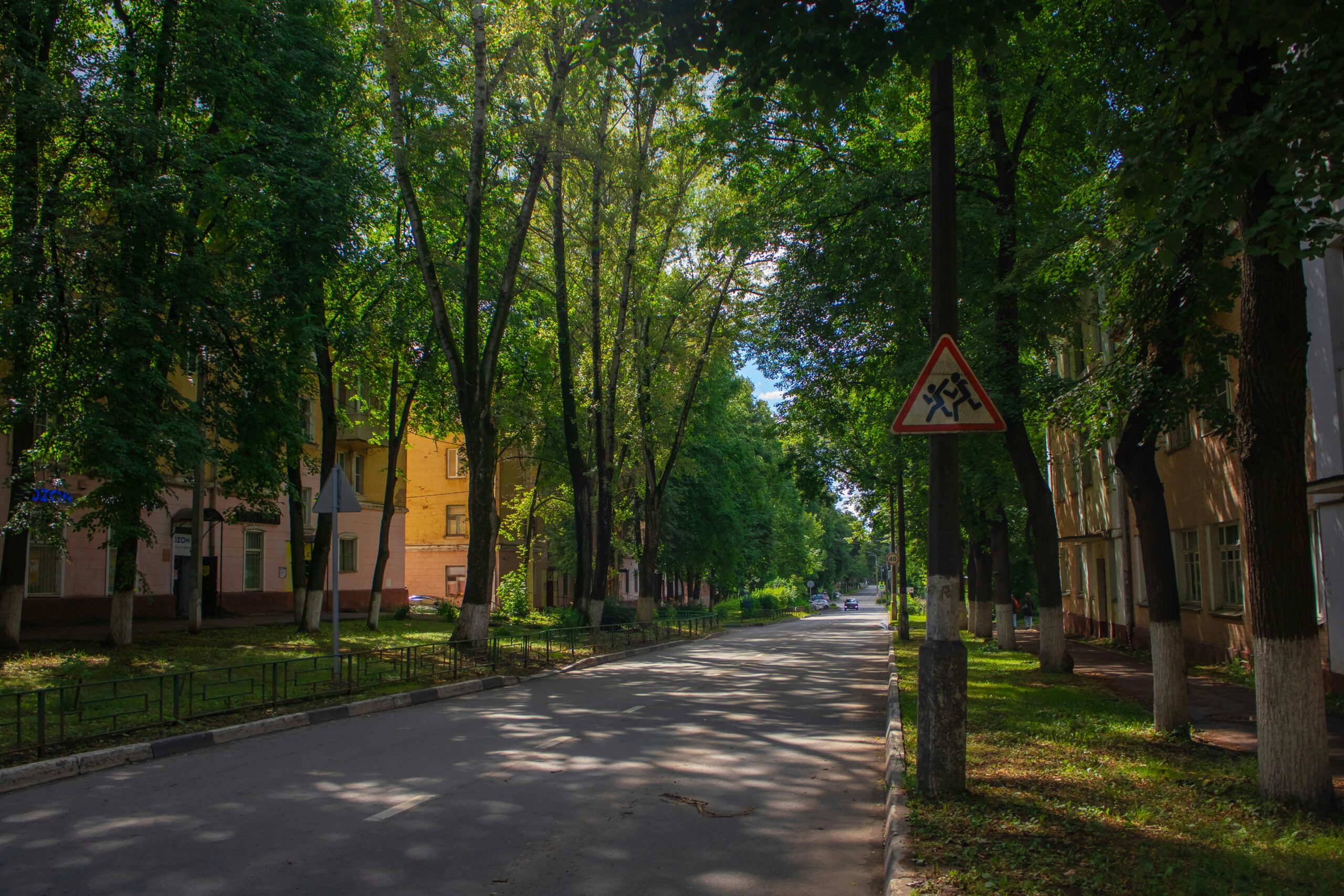
We judge more than style: construction innovation, social history, and urban role matter. A microrayon that still delivers schools, transit, and parks is doing its job, even if the concrete is scuffed. Listing doesn’t freeze time: it guides smart change.
Adaptive Reuse Examples
Warsaw’s Palace of Culture and Science now hosts festivals and startups: Riga’s Academy of Sciences offers a viewing deck and events: former cultural houses in India and Vietnam run as performance venues. Sensitive upgrades, insulation, glazing, seismic work, let these buildings earn their keep.
Ethical Photography And Safety
Embassies and security sites can be sensitive, ask before shooting, respect guards, and avoid drones. In housing estates, privacy comes first: no intrusive lenses into windows, ever. Concrete ages unevenly: watch your footing on rooftops and terraces, and stick to open, permitted areas.
Conclusion
Soviet architecture abroad isn’t a monolith: it’s a global palimpsest of aid, ambition, and adaptation. When we read its forms, microrayons breathing in the heat, dams anchoring new towns, embassies broadcasting power, we’re also reading the twentieth century. Travel with curiosity, document with care, and let these buildings tell their complicated, concrete truths.






Postmodern Architecture vs Deconstructivism: Playful Irony or Radical Disruption?
Postmodern architecture and deconstructivism both rejected modernism but took opposite paths. This...
Sinan Ozen5 Mins read

Scandinavian Design vs Japanese Minimalism: Nordic Light Meets Zen Simplicity
A side-by-side comparison of Scandinavian and Japanese minimalism covering origins, color palettes,...
 Furkan Sen7 Mins read

Constructivism vs Bauhaus: Revolutionary Art or Industrial Design?
A direct comparison of Constructivism and Bauhaus across origins, ideology, materials, typography,...
Furkan Sen6 Mins read
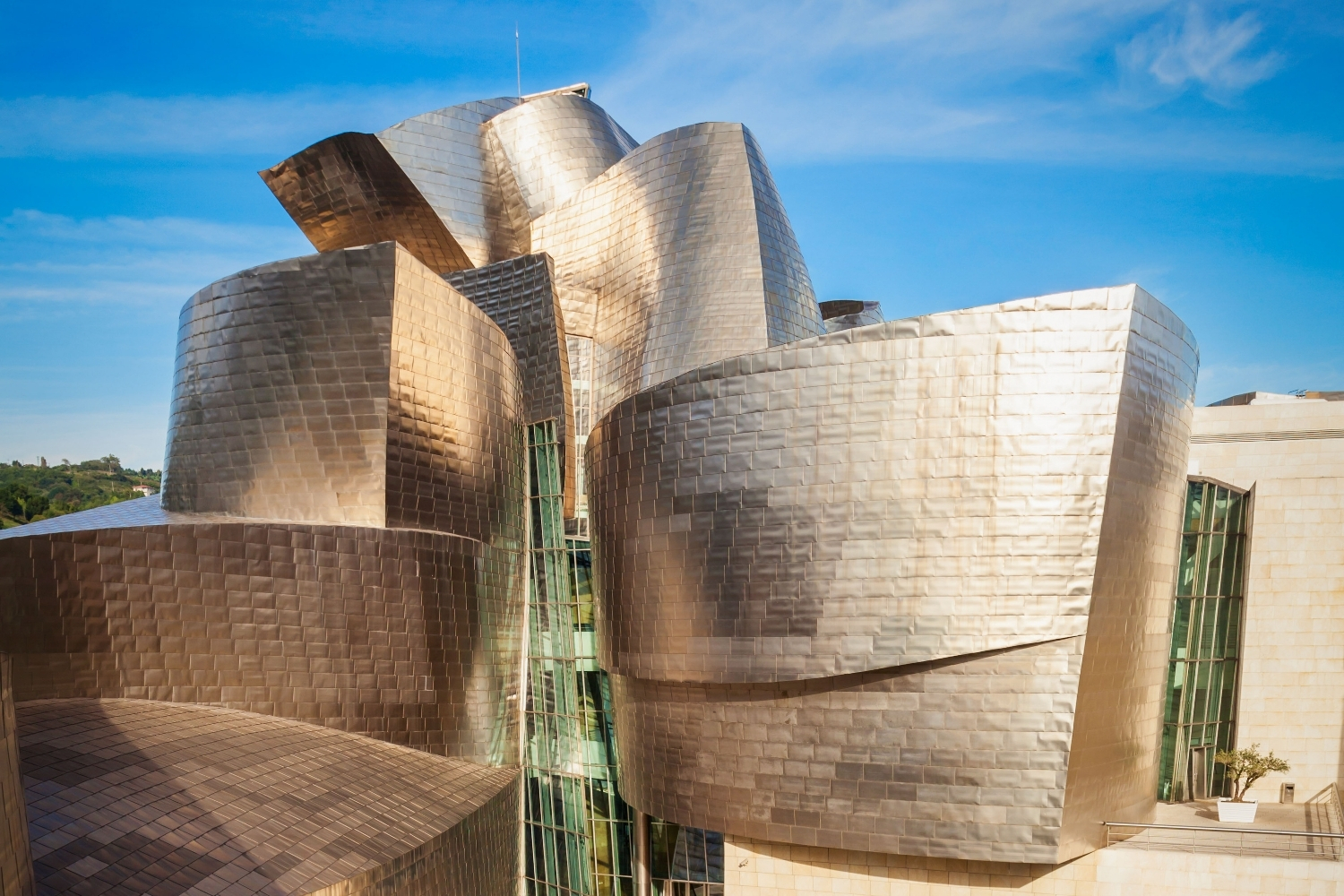
Deconstructivist Dreams: Architecture Breaking All Rules
From the Guggenheim Bilbao to the Jewish Museum Berlin, deconstructivist dreams reshaped...
Sinan Ozen6 Mins read


Leave a comment