

Chandelier Light vs Ceiling Lights: Which Decorative Lighting Works Best for UAE Homes in Winter?
 Bahattin Duran3 January 20266 Mins read79
Table of Contents Show
Winter in the UAE doesn’t arrive loudly. It doesn’t announce itself with snow or heavy coats. And in that shift, lighting starts to matter in a way it didn’t during summer.
In winter, homes are lived in more deeply. Conversations linger over dinner; quiet evenings become normal. This is when decorative lights stop being just background details and start to change how a room feels emotionally. Comfort, warmth and mood take precedence over pure brightness.
That’s why many homeowners find themselves asking a very real question: should winter lighting revolve around a statement chandelier light or do practical ceiling lights work better? And where do softer elements like a floor lamp fit into this equation?
The answer isn’t about choosing one over the other. It’s about knowing how winter changes the way light works and how we feel about our homes after the sun goes down.
Why the Winter Changes the Lighting Needs of UAE Homes?
During summer, light is abundant. Even after the sun goes down, the city’s ambient light and long days make it seem like lighting isn’t as important. That balance changes in the winter.
Natural light fades early. The lights inside stay on longer. The colour temperature of your lights suddenly becomes noticeable. Harsh lighting feels harsher. Warm lighting feels intentional.
Winter lighting needs to do three things well:
- Create warmth without dimness
- Offer functionality without glare
- Add character without visual clutter

This is where the choice between chandeliers and ceiling lights becomes meaningful rather than purely aesthetic.
| Factor | Summer (May–September) | Winter (October–March) |
|---|---|---|
| Daylight Duration | ~13–14 hours | ~10–11 hours |
| Sunset Time | Around 7:00 PM | Around 5:30 PM |
| Indoor Lighting Usage | Lower – natural light dominates | Higher – lights on for longer hours |
| Preferred Colour Temperature | Cool white (4000K–5000K) | Warm white (2700K–3000K) |
| Time Spent Indoors | Less – outdoor activities increase after dark | More – evenings are spent at home |
| Lighting Priority | Brightness and functionality | Warmth, mood and comfort |
| Energy Consumption | Lower for lighting, higher for cooling | Higher for lighting, lower for cooling |
The Emotional Role of Decorative Lights in Winter
Decorative lighting is less about illumination and more about atmosphere. In winter, this distinction becomes important.
Decorative lights soften corners, reduce shadows and create layers that make rooms feel lived-in rather than staged. They break the monotony of overhead lighting and introduce intimacy into large spaces, which is especially relevant in UAE homes with open layouts and high ceilings.
When used thoughtfully, decorative lights help a home feel calm at night rather than overly lit or flat.
Chandelier Light: Drama, Warmth and Presence
A chandelier light has always carried a sense of ceremony. But in winter, its role becomes quieter and more comforting rather than grand.
Why Chandeliers Feel Right in Winter
Winter evenings are slower. A chandelier draws the eye upward, filling vertical space and making rooms feel enclosed and warm instead of cavernous. In high-ceiling living rooms or dining areas, this presence matters.
Modern chandeliers are designed to diffuse light rather than spotlight it. The glow spreads slowly, making the room feel softer and calmer than overhead lights alone can do.
Where Chandeliers Work Best
- Living rooms with double-height ceilings
- Dining areas where people gather in the evenings
- Entry foyers that feel empty after dark
In winter, a chandelier light doesn’t scream luxury. It quietly grounds the space.
The Shift in Chandelier Design
Today’s chandeliers are lighter, cleaner and more sculptural. They work just as well in villas as they do in modern apartments. This change has made chandeliers easier to find and more useful for modern homes in the UAE.
Ceiling Lights: The Key to Winter Functionality
Chandeliers set the mood, while ceiling lights give the room shape.
They are the most common source of light in homes, especially in the winter when the days are shorter and the lights stay on longer.
Why ceiling lights are important in the winter
- They give off light in a steady, even way.
- They help with everyday tasks like cooking, cleaning and working.
- They help reduce eye strain when it’s dark in the morning and evening.
Ceiling lights are a must in places like kitchens, bathrooms, and home offices. They make sure the home works even when there isn’t much natural light.
The Danger of Relying Too Much
But just using ceiling lights can make the inside of your house feel flat in the winter. Overhead light that is too bright makes shadows sharp and makes your eyes tired. This is why ceiling lights work best when they are used with other types of lighting instead of on their own.
Chandelier Light vs Ceiling Lights: Not a Competition

A chandelier light and ceiling lights serve different purposes. One creates presence. The other provides reliability. Winter homes that feel truly comfortable use both, layered thoughtfully.
| Feature | Chandelier Light | Ceiling Lights | Floor Lamp |
|---|---|---|---|
| Primary Role | Ambience & focal point | General illumination | Accent & task lighting |
| Light Distribution | Diffused, warm glow | Even, wide coverage | Localised, soft |
| Best Rooms | Living room, dining room, foyer | Kitchen, bathroom, office | Bedroom, reading nook, lounge |
| Winter Mood Effect | Warm, inviting, ceremonial | Neutral, practical | Intimate, calming |
| Installation | Professional required | Professional required | Plug-and-play, no installation |
| Portability | Fixed | Fixed | Fully movable |
| Ideal Ceiling Height | 3m+ (double-height preferred) | Any height | Any height |
| Renter-Friendly | No | No | Yes |
| Energy Efficiency | Moderate (LED options available) | High (LED panels common) | High (low wattage) |
| Dimmer Compatibility | Often supported | Depends on model | Often built-in |
Use a Chandelier When
- You want a focal point that anchors the room
- Your space feels too open or cold in the evenings
- You entertain guests during winter months
Use Ceiling Lights When
- You need consistent brightness for daily tasks
- Your home follows a minimalist aesthetic
- You want clean, unobtrusive lighting
The balance lies in allowing ceiling lights to do the heavy lifting while letting chandeliers define the mood.
The Quiet Power of a Floor Lamp in Winter
The floor lamp is often underestimated but in winter, it becomes one of the most emotionally effective lighting elements in a home.
Why Floor Lamps Shine in Winter
Floor lamps introduce low-level lighting that feels intimate and calm. They are great for nights when the overhead lights are too bright but you can’t turn them off completely.
They look great next to sofas, reading chairs, or in bedroom corners where soft light is better than bright light from above.
Flexible and Movable
You don’t have to install floor lamps like you do with fixed fixtures. This makes them ideal for renters or anyone who wants seasonal adaptability. You can move them as the mood changes.
In winter, a floor lamp often becomes the most used light in the room.
Layering decorative lights to keep warm in the winter
In the winter, the most inviting homes in the UAE use layered lighting instead of just one source.
A good winter lighting setup usually has the following:
- Ceiling lights for use
- A chandelier light to make you feel welcome and warm
- Lights for decoration, like floor lamps for softness
This method adds depth, cuts down on glare and lets homeowners change the lighting based on the time of day and what they’re doing.
Layering also makes big spaces feel cosy without having to change the structure.
| Room | Chandelier Light | Ceiling Lights | Floor Lamp | Recommended Colour Temperature |
|---|---|---|---|---|
| Living Room | ✔ Primary | ✔ Support | ✔ Accent | 2700K – 3000K (warm white) |
| Dining Room | ✔ Primary | Optional | Optional | 2700K (warm, intimate) |
| Kitchen | — | ✔ Primary | — | 3500K – 4000K (neutral white) |
| Bedroom | Optional | ✔ Support | ✔ Primary | 2700K (warm, relaxing) |
| Home Office | — | ✔ Primary | ✔ Support | 3500K – 4000K (neutral, focus) |
| Entry Foyer | ✔ Primary | ✔ Support | Optional | 3000K (welcoming) |
| Bathroom | — | ✔ Primary | — | 3500K – 4000K (neutral white) |
Things to think about when designing homes in the UAE
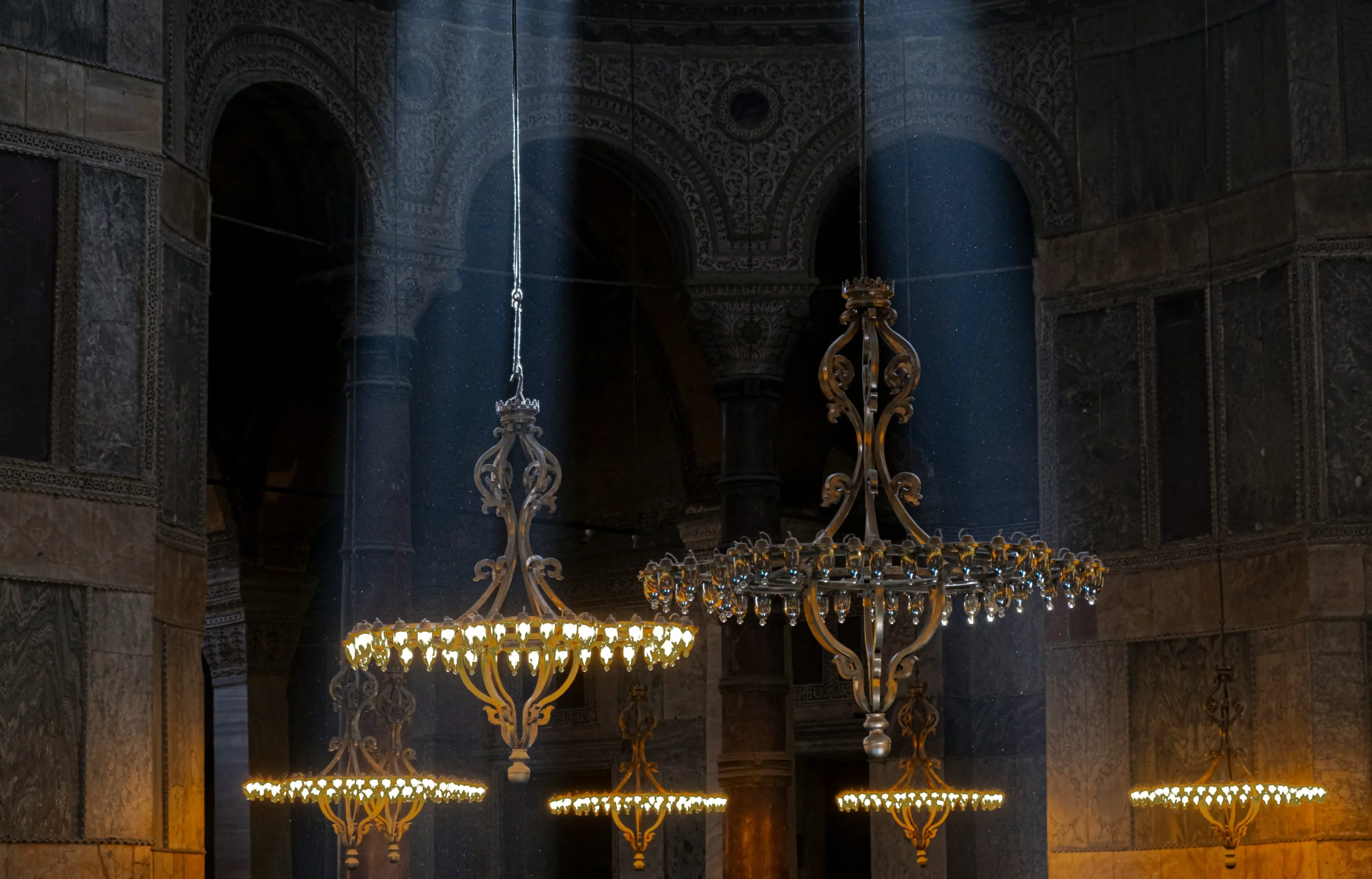
Open plans and high ceilings
Many homes in the UAE have high ceilings. Chandeliers help fill these spaces visually, and ceiling lights make sure the whole room works.
Warm Colours
The light in the winter should be warm and comforting. Neutral or warm tones make interiors feel inviting, especially during longer evenings.
Energy Awareness
Since lights stay on longer in winter, energy-efficient fixtures matter. Choosing well-designed decorative lights reduces unnecessary brightness and power consumption.
How Winter Lighting Shapes Daily Life
Lighting affects mood more than most people realise. In winter, this influence becomes stronger. A chandelier light can make dinners feel intentional. Ceiling lights make mornings manageable. A floor lamp turns a quiet evening into a moment of rest. Good lighting doesn’t draw attention to itself. It quietly improves how a home feels after sunset.
Winter in the UAE may be short but it changes the rhythm of home life. Lighting steps out of the background and becomes part of everyday comfort.
Chandeliers add warmth and personality. Ceiling lights provide structure and reliability. Decorative lights like floor lamps add intimacy and softness. The homes that feel best in winter use all of these thoughtfully rather than relying on one solution.
If you’re looking for high-end lighting options that look good and work well, global brands like Jaquar, which is known for high-end bathware and lighting in the UAE, have designs that fit in perfectly with modern winter living.








Kingdom Centre Tower: Riyadh’s Inverted Parabolic Arch and Sky Bridge Explained
A detailed look at Kingdom Centre Tower in Riyadh, Saudi Arabia, covering...
 Sinan Ozen9 Mins read
Architecture Precedent Study: How to Analyze a Building Step by Step
Learn how to conduct an architecture precedent study with a structured, step-by-step...
 Elif Ayse Sen12 Mins read

Reichstag Building: How Norman Foster Turned a War-Scarred Landmark into a Green Parliament
A detailed look at the Reichstag Building in Berlin, covering its turbulent...
Sinan Ozen7 Mins read

Scale and Proportion in Architecture: A Visual Guide to Designing Better Buildings
A focused guide to scale and proportion in architecture covering the difference...
Elif Ayse Sen14 Mins read


Leave a comment