

Kinetic Architecture: Buildings That Move, Shape, and Adapt
Kinetic architecture explained: see how moving facades, roofs, and interiors boost comfort and cut solar gains 20–40%, with systems, safety, and design KPIs.
 Sinan Ozen1 January 20264 Mins read277

Table of Contents Show
We’ve entered an era where buildings don’t just sit still, they participate. Kinetic architecture lets facades breathe, roofs glide, and interiors reshape on demand, aligning performance with changing weather, program, and people. In this guide, we unpack what kinetic systems are, why movement matters, and how we design, engineer, and deliver buildings that move with purpose.
What Is Kinetic Architecture?
Definitions And Scope: Facades, Structures, And Interiors
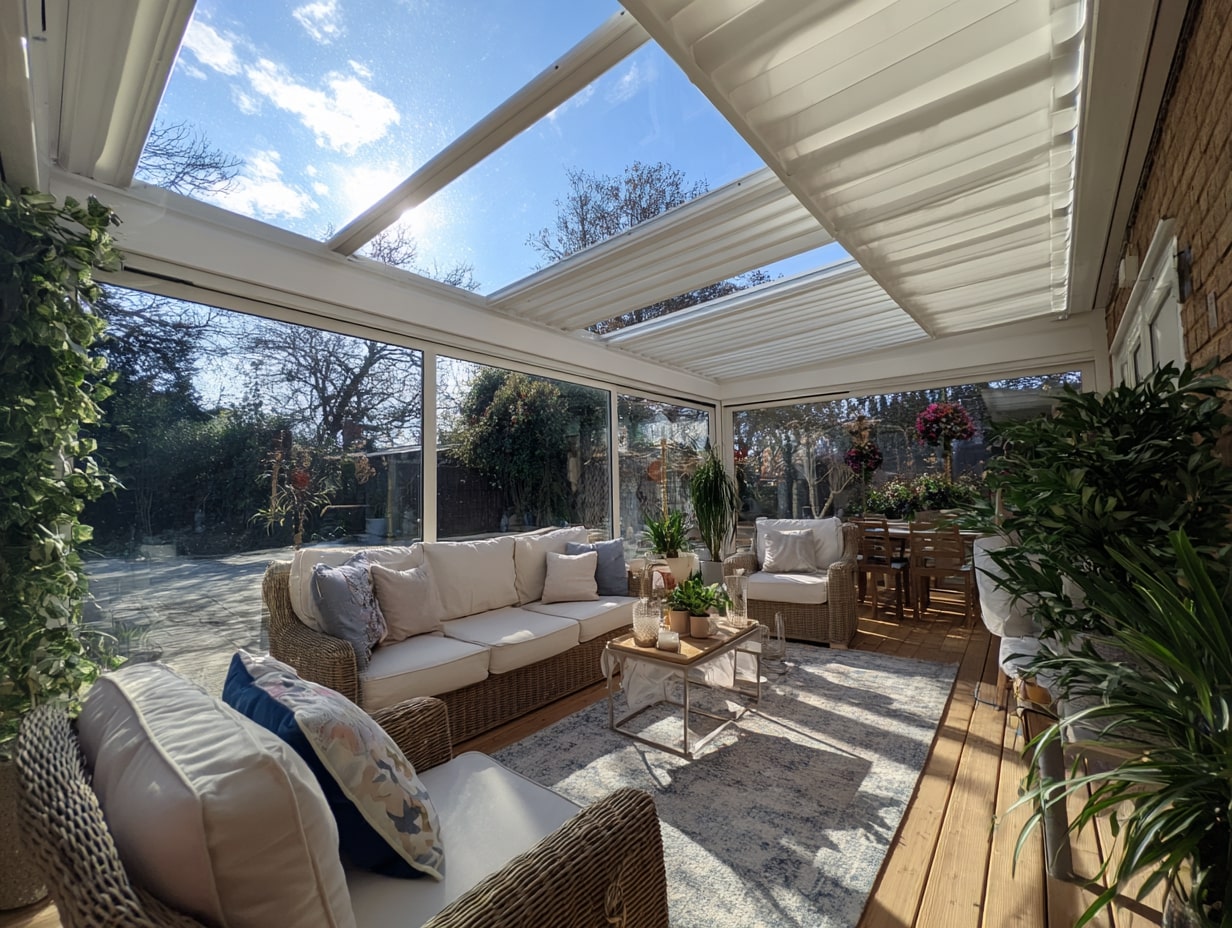
Kinetic architecture is the intentional design of building elements that move, predictably and safely, to improve performance and experience. Movement can live in the envelope (operable louvers, rotating panels), in structure (retractable roofs, deployable spans), or in interiors (folding partitions, liftable floors, robotic furniture). The scope ranges from small-scale daylight devices to whole-building transformations triggered by use, weather, or events.
Degrees Of Motion: Responsive, Transformable, And Deployable
We generally see three degrees of motion:
- Responsive: Subtle, frequent adjustments driven by sensors or schedules, think shading fins tracking the sun.
- Transformable: Larger reconfigurations that switch modes, an auditorium that converts to a banquet hall.
- Deployable: Systems that fold/unfold or extend/retract to create space, like a stadium roof or a pop-up pavilion.
Each degree has different demands for actuation power, control logic, safety, and maintenance.
From Ancient Devices To Digital-Era Systems
Moving architecture isn’t new. Ancient theaters used stage machinery, and Islamic mashrabiya screens modulated light and privacy. What’s changed is precision and integration. Today we pair actuators with sensors, weather data, and predictive algorithms. The result: envelopes that optimize daylight and heat gain in real time, long-span structures that open in minutes, and interiors that reconfigure at the push of a button.
Why Movement Matters: Performance And Human Experience
Climate Responsiveness: Shading, Daylight, And Ventilation
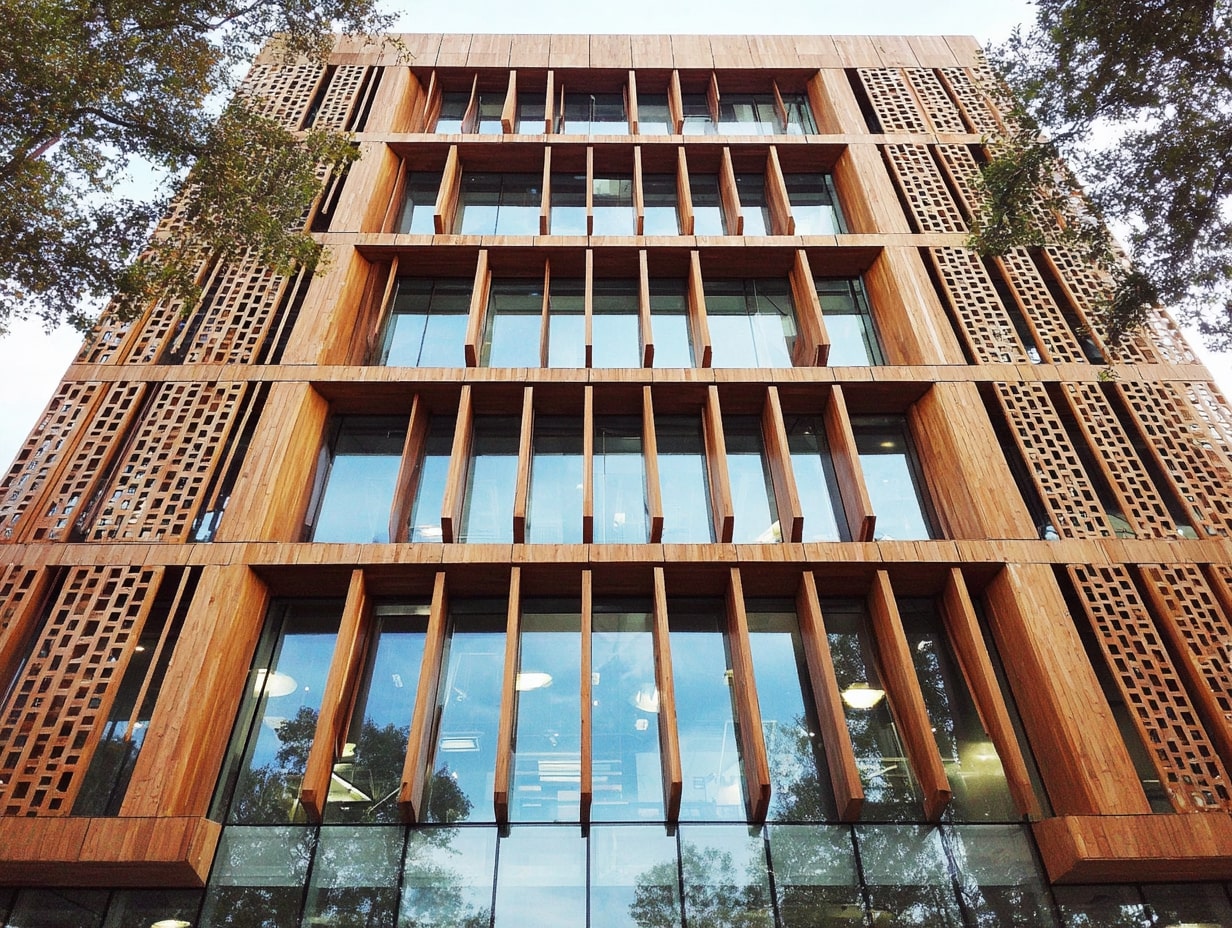
Kinetic facades trim overheating, glare, and cooling loads while preserving views. Dynamic shading can cut solar gains by 20–40% in many climates, lowering operational energy and peak demand. Operable panels and vents enable nighttime flushing and stack-driven airflow, quiet comfort without over-relying on mechanical systems.
Program Flexibility: Reconfigurable Space And Capacity
Space is expensive: flexibility pays it back. Sliding walls, pivoting partitions, and raisable platforms let us shift capacity hour-to-hour. A classroom becomes two seminar rooms: a lobby becomes an event venue. The key is fast, safe changeovers with minimal staff involvement, so the building keeps pace with real schedules instead of idealized ones.
Accessibility, Safety, And Delight In Everyday Use
Movement can improve reach ranges, reduce door forces, and provide barrier-free paths. It can also turn routine moments into memorable ones: a café ceiling that unfolds to reveal the sky, or a library screen that “breathes” with daylight. When motion is legible and calm, people trust it, and enjoy it.
Systems And Mechanisms That Make Buildings Move
Actuation Options: Mechanical, Hydraulic, Pneumatic, And Smart Materials
- Mechanical/electric actuators: screw drives, rack-and-pinion, geared motors, precise and maintainable.
- Hydraulic: high force in compact packages: great for heavy roofs, needs leak management and heat considerations.
- Pneumatic: lightweight, fast, ideal for inflatables and soft robotics: sensitive to leaks and pressure stability.
- Smart materials: shape memory alloys, electrochromic glass, and magnetorheological brakes bring silent, low-profile change, though lifecycle and replacement strategies must be clear.
Selecting the actuator is about load, speed, duty cycle, noise, efficiency, and maintainability, not just novelty.
Control Layer: Sensors, Algorithms, And User Overrides
Reliable motion needs a smart control stack: sensors (sun, wind, rain, temperature, occupancy), logic (rule-based or predictive), and interfaces people actually use. We favor “automation with dignity”: the system runs itself 95% of the time, but users can override locally without breaking global performance. Cloud-linked weather feeds and model-predictive control further smooth peaks and pre-position elements.
Safety, Redundancy, And Manual Fail-Safes
Design for the unexpected: wind gusts, power loss, blocked paths. Interlocks, soft limits, load/torque sensing, and emergency stops are non-negotiable. Redundant supports and brakes prevent runaway motion. Manual releases or hand-crank modes keep life-safety egress and weather protection intact when the grid drops.
Exemplary Projects Around The World
Responsive Facades And Dynamic Envelopes
Abu Dhabi’s Al Bahar Towers use a mashrabiya-inspired screen of umbrella-like modules that open and close with the sun, reducing solar gain while preserving views. The Kiefer Technic Showroom in Austria employs sliding perforated panels that shift daily to balance light, privacy, and heat. We’ve also seen electrochromic glazing scale up, dimming sun exposure without mechanical parts.

Retractable Roofs And Deployable Long-Span Structures
Iconic venues, from Wimbledon Centre Court to Mercedes‑Benz Stadium, demonstrate how massive roofs can glide to manage weather and acoustics. These systems blend cable nets, trusses, and synchronized drives with wind and rain sensors to prevent risky moves. On the lighter end, pneumatic membranes and scissor grids create temporary canopies that pack small and deploy fast.
Adaptive Interiors: Partitions, Floors, And Furniture
Universities and coworking hubs rely on operable partitions with acoustic seals for real flexibility. Museums use liftable floors to route crowds or reveal exhibits. And yes, robotic furniture, like transformable wall beds, sliding storage, and telescoping tables, lets micro-units live larger without feeling cramped.
Design, Engineering, And Delivery Considerations
Early Strategy: Use Cases, Performance Targets, And KPIs
We start with “why move?” Then we turn intent into metrics: glare limits, maximum facade UDI targets, changeover time in minutes, wind-speed operating thresholds, uptime targets, and allowable maintenance windows. Clear KPIs stop scope creep and drive decisions.
Integration: Structure, Power, Controls, And Maintenance Access
Kinetic systems aren’t bolt-ons. We coordinate loads, tolerances, penetrations, and cable routing early. Power quality (inrush, harmonics), drainage, ice management, and access for service are crucial. If a technician can’t reach a gearbox safely, it’s not designed yet.

Reliability, Codes, And Lifecycle Cost Planning
Plan for cycles, not just static loads. Specify duty ratings, IP protection, corrosion resistance, and tested components. Engage code officials early for egress, fire protection, and wind/seismic limits. Model total cost of ownership, energy, maintenance, replacement parts, so owners understand the real ROI.
Sustainability And Resilience
Lowering Operational Energy And Peak Loads
Dynamic shading and natural ventilation can shave cooling energy and clip peaks, enabling smaller chillers and batteries. In markets with demand charges, that operational agility pays back quickly.
Durability, Materials, And Circularity
We favor modular assemblies with replaceable wear parts and documented service intervals. Corrosion-resistant materials, sealed bearings, and UV-stable polymers extend life. Designing for disassembly supports upgrades and end-of-life recovery.
Passive-First Design And Graceful Failure Modes
We still start passive: massing, orientation, insulation, fixed shading. Kinetic layers then fine-tune. If the system fails, the building should revert to a safe, comfortable baseline, panels park, roofs lock, drains clear.
Conclusion
Kinetic architecture isn’t motion for spectacle: it’s motion with intent. When we align moving parts with clear use cases and robust engineering, buildings adapt in real time, saving energy, expanding utility, and elevating daily life. The future isn’t static, and our architecture shouldn’t be either.





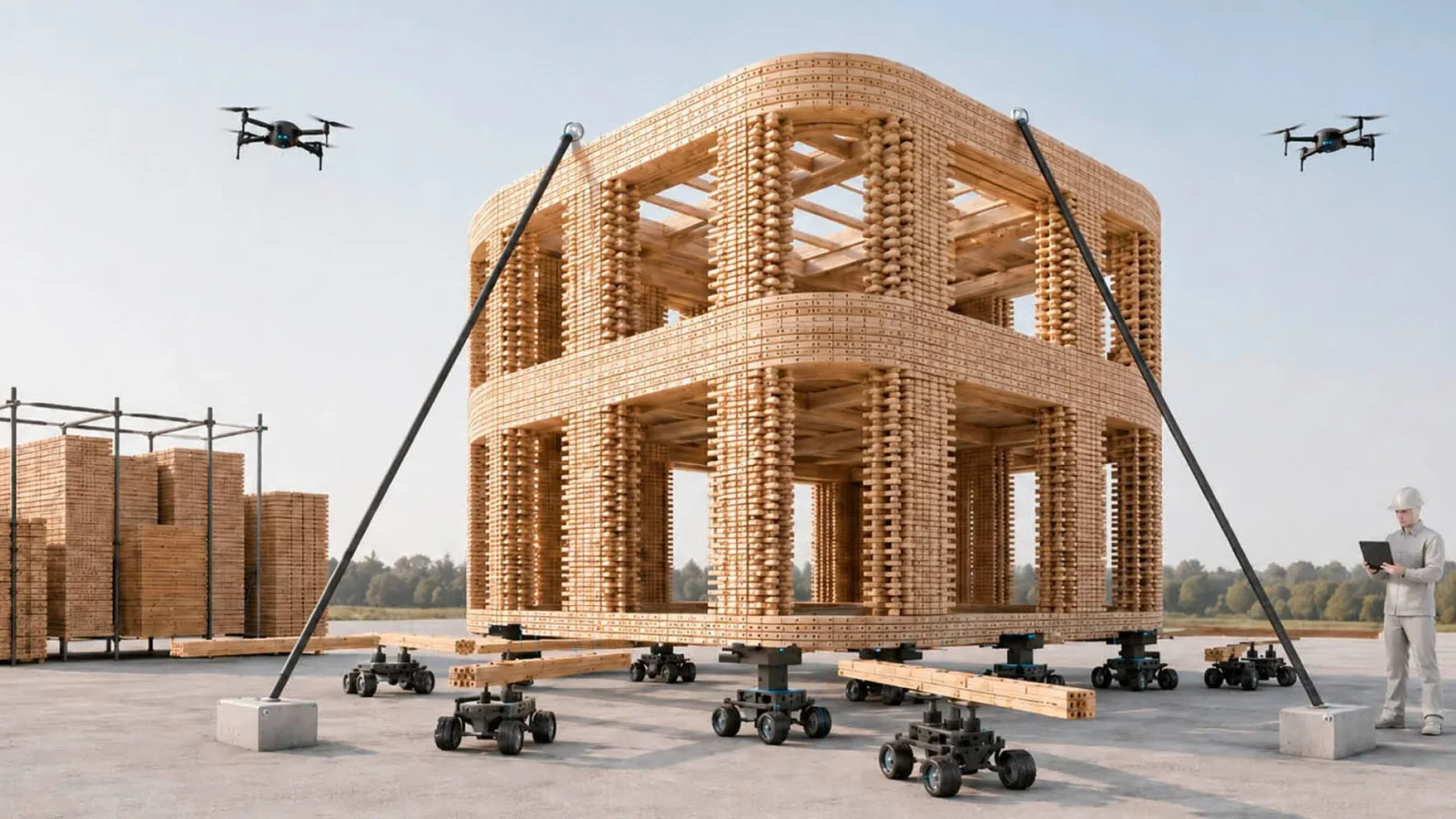
Foster + Partners to Test Robot Swarms Building Timber from the Top Down
Foster + Partners wins €4m EU grant to build robot and drone...
 illustrarch Editoral Team2 Mins read
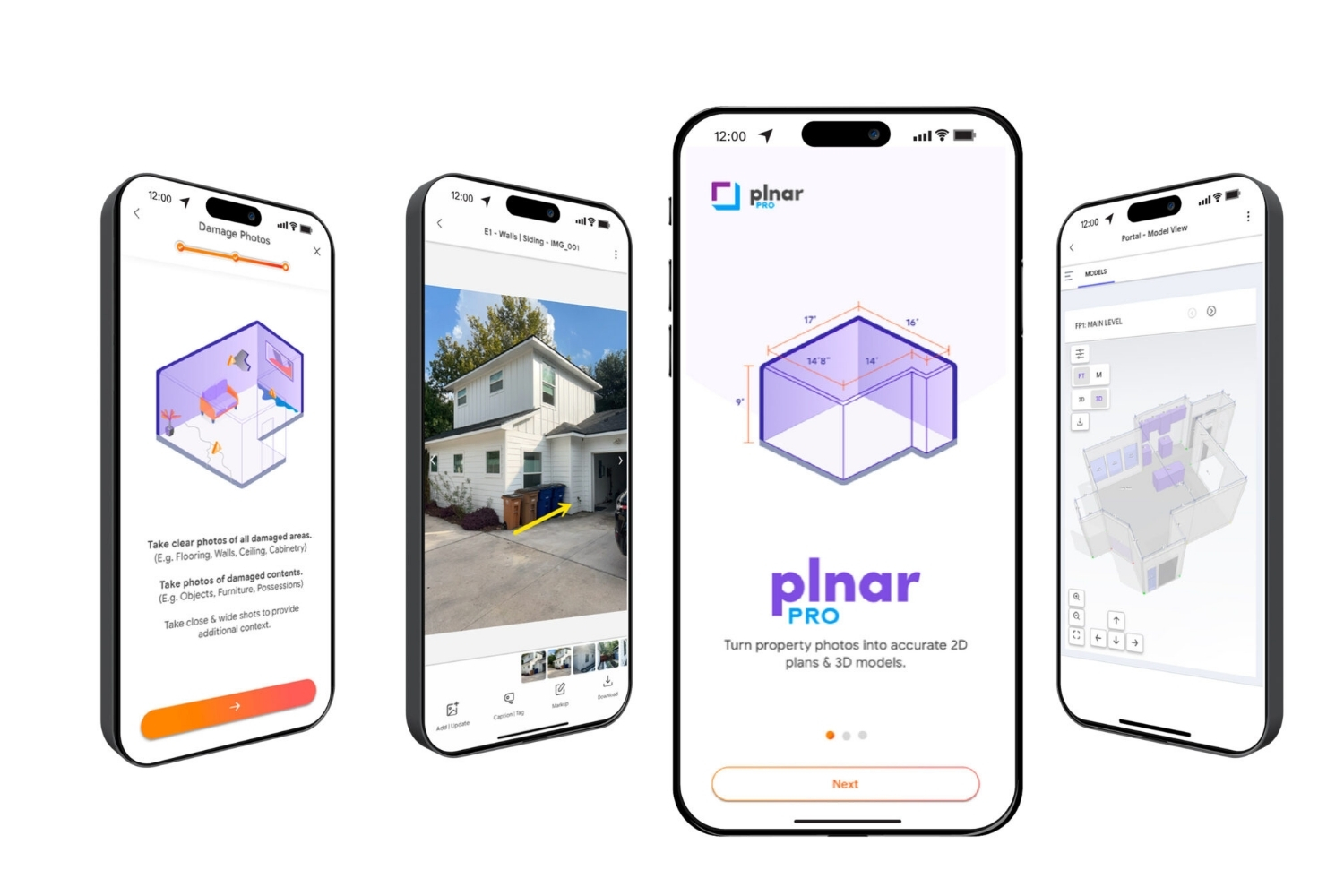
PLNAR Review: Does AR Measurement Hold Up on a Real Site Visit?
PLNAR began as a consumer AR tape measure and now runs as...
Sinan Ozen5 Mins read
ArchiSnapper Review: Is This Field Report App Worth It for Architects?
A hands-on look at Deltek ArchiSnapper, the mobile app built for field...
Sinan Ozen5 Mins read

Florence Renaissance Architecture: How Building Became an Authored Art
Florence Renaissance architecture is usually told as a list of buildings. The...
 Furkan Sen6 Mins read


Leave a comment