

Container Home in the USA: Legal Requirements & Build Guide
From modern container houses to expandable and collapsible models, building a container home in the USA means meeting strict legal requirements. Learn about zoning laws, building permits, structural inspections, and state-specific codes to ensure your project is both legal and successful.
 Muhammad Abdullatef - Tifa Studio2 February 202617 Mins read1.2k
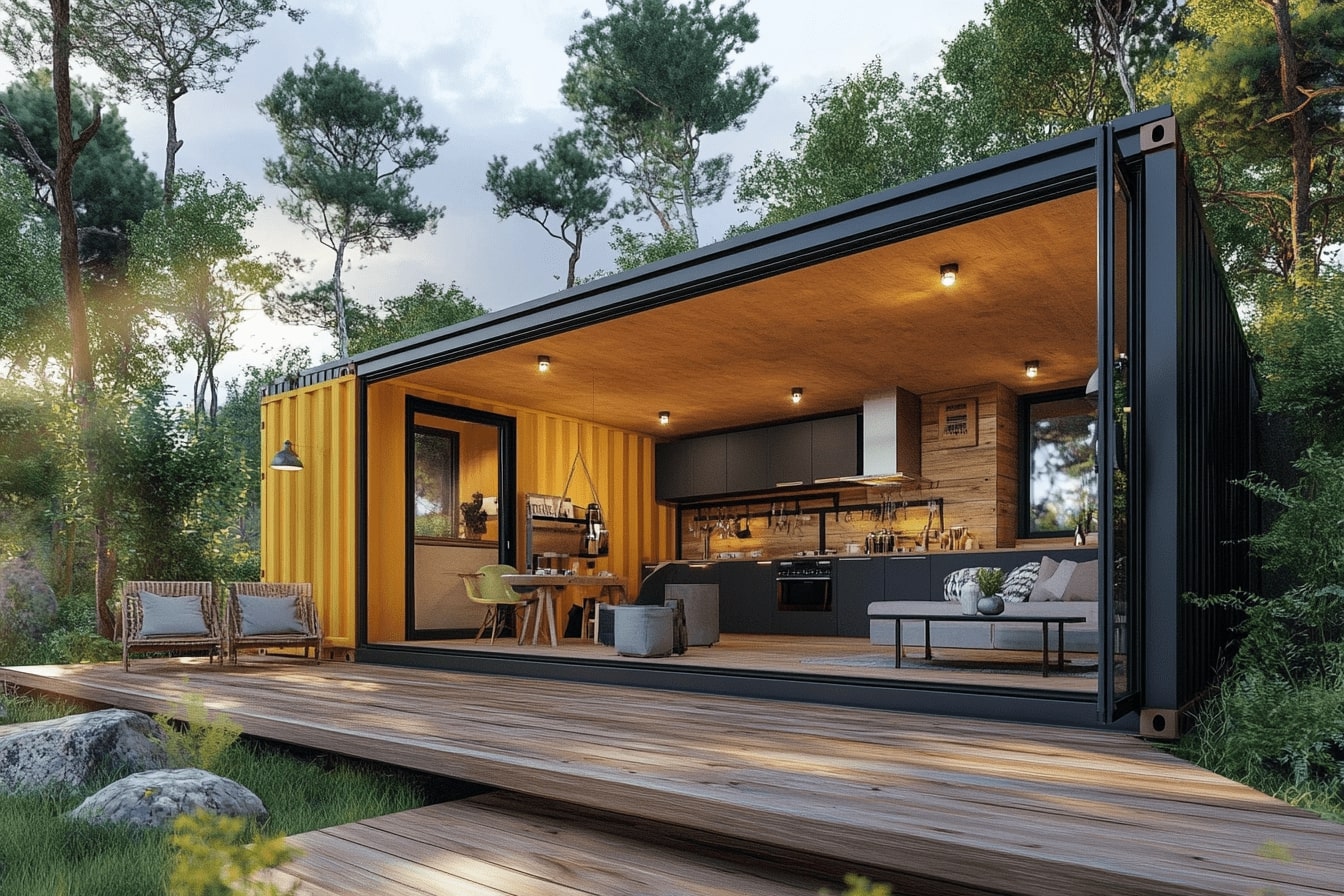
Table of Contents Show
Quick answer: Container homes are legal in most of the United States, but rules vary by state, county, and city. You usually need permits, compliance with local building codes, and the correct zoning. Some areas welcome them while others restrict or ban them, so always check with your local building department.
Building a modern container house in the USA is an exciting venture, but navigating the legal landscape can be daunting. With the rise in popularity of these eco-friendly and cost-effective homes made from shipping containers, it’s crucial to understand the regulations that govern their construction. From zoning laws to building codes, each state—and sometimes each city—has its own set of rules. Whether you’re considering a contemporary container house, a collapsible container home, or even a full-scale container mansion, knowing the legal framework is essential before breaking ground.
We need to know what permits are required, how to comply with local building codes, and what restrictions might apply. Whether you’re a DIY enthusiast or hiring a contractor, being well-informed about these legal requirements will save us time, money, and headaches down the road. With the average cost of a container home in the USA ranging from $25,000 for a single-container model to over $250,000 for multi-container builds, ensuring legal compliance from the start protects your investment. Let’s dive into the essential legalities to ensure our container home project is both successful and compliant.

Overview Of Modern Container Houses and Homes Made From Containers
Container homes, made from repurposed shipping containers, offer an innovative housing solution that is both sustainable and affordable. These houses made from containers, constructed from Corten steel, can be customized to meet various design preferences, making them versatile. They range from single-container studios to multi-container family residences and even large-scale container mansions. The global foldable container house market was valued at approximately $9.23 billion in 2024 and is projected to grow significantly through 2035, reflecting the surging demand for these innovative homes.
Today, the category of homes made from containers extends well beyond traditional repurposed sea containers. Homeowners can choose from expandable container houses that unfold to create larger living areas, collapsible container homes designed for easy transport and rapid deployment, and foldable house containers that ship compactly and expand on-site. These innovations have made the container home concept accessible to an even wider audience, from budget-conscious first-time builders to luxury-oriented developers.
Advantages Of Container Homes
- Sustainability: Repurposing shipping containers reduces steel waste and promotes recycling. It’s environmentally friendly and aligns with green building principles for a greener future.
- Affordability: Building a container home is often cheaper compared to traditional construction methods, mainly due to reduced material costs. In 2025, a single-container home can cost between $25,000 and $80,000, often well below the price of a comparable traditional home.
- Durability: Shipping containers are designed to withstand harsh conditions. Metal container houses are sturdy, long-lasting, and can endure with proper maintenance for 25 years or more.
- Construction Speed: Container homes can be built faster than conventional homes. The modular nature allows quicker assembly—often within 3 to 8 months compared to 6–12 months for traditional builds.
- Customization: These homes are highly customizable. Architectural designs can vary widely to suit individual tastes and needs, from minimalist sea container houses to expansive contemporary container house designs.
Design Flexibility
Container homes provide significant design flexibility. We can stack containers together, arrange them side by side, or create unique architectural features. This flexibility allows for creativity in design and functionality, depending on the homeowner’s requirements. Whether you envision a sleek contemporary container house with floor-to-ceiling glass walls or a rustic sea can container house tucked into a hillside, the possibilities are nearly limitless. For more design inspiration, explore these 10 unique container home designs that showcase the incredible potential of repurposed shipping containers.
Energy Efficiency
When insulated correctly, container homes can be energy efficient. Using high-quality materials for insulation and installing energy-efficient windows and doors helps maintain temperature and reduce energy use. Solar panels and other renewable energy sources can be integrated to enhance sustainability. Modern expandable homes and foldable house containers now come with pre-installed insulation systems, making it easier than ever to achieve optimal energy performance. For further insights into sustainable building approaches, the U.S. Green Building Council (USGBC) provides comprehensive guidelines on green building certifications and best practices.
Examples Of Popular Designs
- Tiny Homes: Compact and efficient, often using one or two containers, suitable for single occupants or couples. These living containers typically range from 160 to 320 square feet.
- Family Homes: Larger structures using multiple containers, offering more space for families. Multi-container houses can reach 1,000–2,000+ square feet.
- Vacation Homes: Designed for temporary or seasonal living, often located in scenic areas. Deployable container houses are particularly popular for vacation retreats.
- Eco Homes: Emphasize sustainability with features like green roofs, solar panels, and rainwater harvesting systems.
- Container Mansions: High-end residences combining multiple containers with luxury finishes, smart home technology, and custom architectural details that rival any traditional luxury home.
- Expandable and Foldable Homes: A growing category of expandable container houses and foldable house containers that ship in compact form and expand on-site, offering rapid deployment and portability.
- Insulation: Proper insulation is critical to ensure comfort and energy efficiency.
- Zoning Laws: Restrictions and regulations can vary significantly across different regions.
- Structural Modifications: Cutting and welding steel containers require specialized skills and can impact structural integrity.
- Permits: Navigating the permit process can be complex, involving multiple approvals.
Understanding these aspects of container homes provides a solid foundation for navigating the legal requirements and turning a container home project into a successful reality.
Why Consider a House Made of Shipping Containers
Container homes offer numerous benefits that appeal to diverse preferences and needs. First, they’re an eco-friendly choice. Repurposing shipping containers reduces steel waste and lowers the demand for traditional building materials. In fact, you can get a full-service general contractor for home renovation to guide you through the process. This practice supports sustainability, making a house made of shipping containers an attractive option for environmentally conscious individuals.
Second, container homes are cost-effective. Traditional homes can be expensive due to material and labor costs. In contrast, shipping containers can be purchased for approximately $1,200 to $10,000 each, providing a more affordable base than conventional construction. Furthermore, quicker construction translates to reduced labor costs and faster occupancy.
Third, container homes exhibit exceptional durability. Shipping containers are designed to withstand harsh ocean conditions, making them resilient to natural elements. This sturdiness translates to a long-lasting home with fewer maintenance needs. Metal container houses, when properly treated with anti-corrosion coatings, can maintain their structural integrity for decades.
Fourth, construction speed is a significant advantage. Traditional home builds can take months, sometimes years. Container homes, on the other hand, can be completed in a matter of weeks or months. Expandable homes and deployable container houses take this even further—some prefabricated models can be set up on-site in as little as one day. This rapid construction process is especially beneficial for those needing immediate housing solutions.
Fifth, container homes offer design flexibility. They can be modified and combined to create various layouts and designs, from tiny homes to large residences and even container mansions. This versatility allows custom solutions tailored to individual lifestyle needs and aesthetic preferences. For interior design ideas specific to container spaces, explore these innovative container home interior design concepts.
Lastly, energy efficiency is achievable with container homes. Proper insulation, ventilation, and the integration of energy-efficient systems can significantly reduce energy consumption. This efficiency results in lower utility bills and a smaller carbon footprint.
Overall, houses made of shipping containers present a compelling alternative to traditional housing, offering ecological, economical, and practical advantages.
Is a House Made of Shipping Containers Dangerous?
One of the most common questions prospective builders ask is whether a house made of shipping containers is dangerous. The short answer is no—when properly constructed and compliant with building codes, container homes are just as safe as any traditional home. However, there are specific safety considerations to address during the building process.
Used shipping containers may have been treated with pesticides or carried hazardous materials during their working life. Before converting any container into a living space, it’s essential to have it thoroughly inspected and decontaminated. Using “one-trip” containers (shipped only once from the factory) significantly reduces this risk. Additionally, the steel structure of containers must be properly treated to prevent rust and corrosion, especially in humid or coastal climates.
Structural modifications such as cutting openings for doors and windows can weaken a container’s load-bearing walls. This is why hiring experienced professionals—certified welders and structural engineers—is critical. When properly reinforced and engineered, metal container houses maintain excellent structural integrity and can even outperform traditional wood-framed construction in terms of resistance to fire, pests, and severe weather. For a step-by-step guide to building your own container home, including safety best practices, refer to our detailed guide.
Key Legal Requirements
Understanding the key legal requirements is crucial for building a container home in the USA. Every type of container dwelling—from a simple sea container house to an elaborate container mansion—must meet local regulatory standards.
Zoning Laws
Local zoning laws vary by city and county. Before starting construction, check the zoning regulations in your area, which dictate where container homes can be built. Some areas may prohibit container homes altogether, while others may have specific requirements regarding placement, usage, and aesthetic standards. For instance, residential areas might limit the types of homes that can be built, affecting container home approval. Collapsible container homes and expandable houses may face additional scrutiny in some jurisdictions, as they may be classified differently than permanent structures. Always confirm with your local planning department whether a manufactured container or deployable container house qualifies as a permanent dwelling in your zone.
Building Codes And Permits
Building codes ensure safety and compliance. Container homes must meet the same building codes as traditional homes, including electrical, plumbing, and structural standards. Most jurisdictions in the USA reference the International Building Code (IBC) or International Residential Code (IRC) as the baseline for residential construction. Obtain necessary permits before construction begins. The permitting process involves submitting detailed plans and schedules. Building permits typically cost between $500 and $2,000, depending on location and scope. Failure to comply can lead to fines or demolition of the structure. Consult with local authorities to know all requirements. This applies equally to traditional container builds and newer concepts like foldable house containers, expandable container houses, and container homes from China—all must meet the same local code requirements.
Structural Inspections
Structural inspections are essential to validate the integrity of your container home. Inspectors ensure the container’s modifications don’t compromise its safety. They check for correct installation of insulation, windows, doors, and any additional structures. Regular inspections during and after construction ensure ongoing compliance with building codes and safety regulations. Schedule these inspections through local building departments.

How Much Is a House Made of Shipping Containers?
Understanding cost is essential when planning a container home project, and expenses vary dramatically based on size, location, customization, and finishes. As of 2025, here’s what you can expect when budgeting for a house made of shipping containers in the USA:
A single-container tiny home (160–320 sq. ft.) typically costs between $25,000 and $80,000. A mid-size two-bedroom container home (600–800 sq. ft.) ranges from $100,000 to $150,000. Larger multi-container residences (1,000–2,000+ sq. ft.) can run from $150,000 to $300,000 or more depending on finishes and custom features. At the top end, a container mansion with luxury finishes, smart home systems, and custom architectural details can easily exceed $300,000.
When comparing costs, remember that labor often accounts for 50% or more of the total project cost. Key expense categories include the containers themselves ($1,200–$10,000 each), foundation ($3,000–$19,000), structural modifications ($5,000–$15,000+), insulation, electrical, plumbing, and interior finishes. Expandable homes from China may offer lower upfront costs, but ensure they meet US building codes and factor in shipping, customs, and potential modification expenses. For comprehensive budget planning strategies, our guide on budget-friendly container home building tips offers practical advice for keeping costs under control.
State-By-State Overview
Navigating the legal requirements for container homes in the USA varies across states. Here, we outline key considerations for California, Texas, and Florida.
California
In California, container homes must adhere to stringent building codes and regulations. The California Building Standards Code (Title 24) governs construction and safety. Specific counties and cities may implement additional regulations. For instance, Los Angeles requires container homes to meet seismic standards due to the earthquake risk. Permits, including structural, electrical, and plumbing, are mandatory. Consulting local authorities early in the planning process ensures compliance with zoning laws. California has also become increasingly friendly to accessory dwelling units (ADUs), which has opened doors for smaller container builds on existing properties. Both traditional sea container houses and newer expandable container house designs must comply with Title 24 energy efficiency requirements.
Texas
Texas offers a more lenient approach to container homes. The International Residential Code (IRC) often serves as a reference. However, local jurisdictions may impose their own regulations. In Houston, container homes must comply with local building codes and zoning laws, which are less restrictive than in California. While permits are still necessary, the process tends to be faster. Property owners should verify local zoning requirements as rural areas may provide more flexibility. Texas has become one of the most popular states for homes made from containers due to its relatively relaxed regulatory environment and lower land costs.
Florida
Florida’s regulations focus heavily on wind load requirements due to hurricane risks. The Florida Building Code specifies construction standards for wind resilience. Container homes must meet these standards to ensure safety. In Miami-Dade County, additional hurricane-specific codes apply. Obtaining permits for structural, electrical, and plumbing work is essential. Local zoning laws vary, so checking with municipal authorities helps avoid legal issues. Metal container houses in Florida must demonstrate they can withstand the required wind speeds, which may necessitate additional structural reinforcement beyond what is needed in other states.
Other Notable States
Beyond California, Texas, and Florida, several other states have notable approaches to container home regulations. Colorado and Oregon have been increasingly receptive to alternative housing, including houses made of shipping containers, though mountain and forest regions may impose fire-resistance requirements. Tennessee and Georgia feature growing container home communities with relatively straightforward permitting. Meanwhile, states like New York and New Jersey tend to have more restrictive zoning for residential container projects. For the most current information on building regulations in any state, the National Association of Home Builders (NAHB) offers resources and state-by-state guidance.
This state-by-state overview highlights the critical legal requirements for building container homes in California, Texas, and Florida. Understanding and following these regulations ensures a smoother and compliant building process.
Expandable, Foldable, and Collapsible Container Homes: Legal Considerations
The market for expandable homes and collapsible container homes has grown rapidly, particularly with manufactured containers from international suppliers. While these innovative structures—including China expandable container houses, foldable house containers, and deployable container houses—offer convenience and speed of assembly, they introduce unique legal considerations for US homeowners.
First, any expandable container house or foldable house container intended for permanent residential use must comply with local building codes, just like a traditional container build. Some jurisdictions may classify expandable homes differently—potentially as manufactured housing or modular construction—which triggers a different set of regulations. The distinction matters significantly: manufactured homes must comply with the HUD Code (federal standards), while site-built container homes follow the IRC or IBC.
Second, collapsible container homes and container homes from China may not arrive with US-code-compliant electrical, plumbing, or structural certifications. Buyers should verify that all systems meet the National Electrical Code (NEC), applicable plumbing codes, and structural requirements for their locality. Having a structural engineer review imported designs before installation is strongly recommended. For broader context on how modular and prefabricated construction is transforming American building, see our article on how modular construction is transforming the US building landscape.
Common Challenges And Solutions
When building a container home in the USA, several common challenges arise. Addressing these effectively can ensure a smoother construction process.
Navigating Local Regulations
Navigating local regulations proves challenging due to variability across jurisdictions. Researching zoning laws, building codes, and permit requirements in the intended location is crucial. Engage with local authorities early to clarify interpretations and receive guidelines. Some regions have specific requirements for container homes, making early compliance essential. Using resources like the municipal planning office’s website can provide updated regulations. This is especially important for newer building types like expandable houses and foldable house containers, where officials may not have established clear precedents.
Working With Professionals
Hiring professionals familiar with container homes can mitigate many issues. Architects and contractors with experience in this construction type understand nuances in design, insulation, and structural modifications. They can ensure adherence to local building codes, making the permitting process smoother. Additionally, leveraging their network of suppliers and subcontractors can result in cost savings and mitigate potential delays. Collaborate closely with professionals to align expectations and project timelines. The American Institute of Architects (AIA) directory can help you locate architects with experience in container and modular construction.
Insurance and Financing Challenges
Securing insurance and financing for a container home can be more complex than for a traditional house. Not all lenders are familiar with houses made from containers, and some may be hesitant to offer conventional mortgages. Construction loans that convert to mortgages are a common approach, with interest rates around 4–6%. Some green mortgage programs may offer favorable terms for eco-friendly builds. For insurance, look for providers experienced with alternative construction types, and ensure your policy covers the unique aspects of a living container or metal container house—including rust, corrosion, and any off-grid systems you install.
Container Homes in Popular Culture
Container homes have made their way into popular culture, further driving interest in this innovative housing type. Notably, the futuristic home featured in the film Tron: Legacy drew attention for its container-inspired minimalist design, sparking conversations about the container house in Tron Legacy and its real-world feasibility. While that specific structure was a cinematic creation, it demonstrated how contemporary container house aesthetics can merge with cutting-edge design to create visually stunning living spaces. Shows on networks like HGTV and numerous social media accounts dedicated to container houses pics continue to inspire a new generation of builders and architects to explore what’s possible with repurposed shipping containers.
Resources For Homeowners
Zoning and Building Codes
Understanding local zoning and building codes is crucial. Check municipal websites for regulations on residential construction. These resources provide details on zoning classifications, restrictions, and necessary permits. For example, the City of Los Angeles offers a comprehensive zoning information map on its website.
Permitting Offices
Consult local permitting offices for guidance on required permits. Permitting offices offer specific details on the application process, necessary documentation, and fees. The Miami-Dade County Permitting and Inspection Center provides an online portal for permit applications and status tracking.
Architects and Contractors
Engage experienced architects and contractors who specialize in container homes. These professionals offer insights into design, structural integrity, and compliance with local codes. Sites like the American Institute of Architects (AIA) directory can help locate qualified architects, while platforms like Houzz list experienced contractors.
Financial Assistance Programs
Explore financial assistance programs and grants for eco-friendly home projects. Some states offer incentives for sustainable building practices. The Database of State Incentives for Renewables & Efficiency (DSIRE) lists numerous programs that provide financial aid for green construction initiatives.
Industry Associations
Join industry associations for additional support and knowledge. Organizations such as the Modular Building Institute (MBI) and the National Association of Home Builders (NAHB) offer resources, networking opportunities, and updates on industry trends and regulations. For those interested in the broader context of modular construction, our coverage of modular architecture and creating modular homes provides excellent background.
Online Forums and Communities
Participate in online forums and communities dedicated to container homes. These platforms provide peer advice, shared experiences, and problem-solving discussions. Websites like Container Home Hub and Reddit’s TinyHouses community are valuable resources.
Educational Workshops and Webinars
Attend educational workshops and webinars focused on container homes and sustainable building. These events offer updated information, practical tips, and expert insights. Websites like Eventbrite and GreenHomeGuide list relevant events and webinars.
State Specific Resources
Research state-specific resources for specialized information. For instance, California’s Department of Housing and Community Development provides guidelines on accessory dwelling units (ADUs), relevant for container homes. Texas provides resources through the Texas Department of Licensing and Regulation for building codes and licensing requirements.

Inspection Services
Schedule inspection services to ensure compliance with local building codes. Inspection services verify that construction meets safety and structural standards. Many local governments, such as those in Florida, provide inspection scheduling services online.
Local Libraries and Government Publications
Utilize local libraries and government publications for detailed information on building codes and regulations. Libraries often have archives of building codes, while government publications provide up-to-date regulatory information.
Sustainable Building Practices
Adopt sustainable building practices by consulting resources on green building techniques. The U.S. Green Building Council (USGBC) provides guidelines on sustainable practices, materials, and certifications. For sustainable interior approaches that complement a container build, explore these sustainable interior design ideas for modern houses.
Legal Counsel
Consult legal counsel for complex legal issues related to building container homes. Legal professionals offer guidance on navigating regulations, contracts, and dispute resolution. The American Bar Association (ABA) directory can help locate specialized attorneys.
Container Home Made Easy: Simplifying Your Build
For those who want the container home experience made easy, the growing market of prefabricated and expandable solutions offers a streamlined path. Prefab container homes arrive partially or fully assembled, with insulation, electrical, and plumbing pre-installed. This approach can dramatically reduce on-site construction time and simplify the permitting process, as many prefab providers supply engineer-stamped plans that are ready for code review.
Whether you’re considering a box car home for off-grid living, a deployable container house as an ADU, or c can houses for a vacation retreat, the prefab route offers several advantages. Many providers now offer expandable homes that ship in standard container dimensions and unfold to double or triple the living space on-site. Some models can be set up in under an hour. However, even with prefab solutions, you’ll still need to secure proper permits, ensure foundation compliance, and pass all required inspections. If you’re exploring interior design for your new build, these 10 essential container home interior design tips will help you maximize every square foot.
What Permits Do You Need for a Container Home?
Before building, most container homes need several permits. A building permit confirms the design meets local codes, while zoning approval checks the land is allowed for residential use. Depending on the site you may also need electrical, plumbing and septic permits, plus inspections at key stages. Rules vary widely between states and even counties, so confirm the full list with your local building department before ordering containers or starting work.
How Do Zoning, Taxes and Insurance Affect Container Homes?
Beyond permits, container homes raise questions of zoning, tax and insurance. Zoning laws decide whether a container home is allowed on a given plot and may set minimum sizes or appearance rules. Once built, the home is usually assessed for property tax like any dwelling, and you will need specialist insurance, since not all providers cover container construction. If you lease rather than own the land, check the agreement allows a permanent structure.
Conclusion
Building a container home in the USA requires careful consideration of legal requirements. Understanding zoning laws and building codes specific to states like California, Texas, and Florida ensures compliance. Whether you’re building a modern container house from locally sourced containers, importing an expandable container house, or setting up a foldable house container, the legal framework remains the same: every project must comply with local zoning, building codes, and inspection requirements.
Enlisting experienced architects and contractors aids in meeting these regulations. Various resources, including permitting offices, financial assistance programs, industry associations, online forums, and educational workshops, offer valuable support. The growing popularity of houses made from containers—from simple sea can container houses to luxurious container mansions—means that building departments across the USA are becoming increasingly familiar with this construction type, often making the process smoother than it was just a few years ago.
State-specific resources and inspection services provide tailored guidance. Utilizing local libraries and government publications helps in accessing up-to-date information. Sustainable building practices remain essential, and consulting legal counsel navigates complex legal issues. By following these guidelines and staying informed about the evolving regulatory landscape, you can successfully plan and execute your container home project—turning your vision of a contemporary container house into reality. For your next step, consider exploring our comprehensive guide on how to build your own container home in the USA.
Helpful Resources and Tools
- building a container home
- RequestLegalHelp
- Shipping containers
- Property tax rates differ by location
- container home-building process
- International Residential Code
- Container home builders
- smooth construction process
- Environmental Impact Assessment
- zoning permits to building codes
- National Electrical Code (NEC)
- Zoning restrictions
Frequently Asked Questions
Do you need a permit for a container home?
Yes, in almost all areas you need building permits for a container home, just as you would for any dwelling. The structure must meet local codes for foundations, insulation, plumbing, and electrical work.
Where are container homes not allowed?
Few places ban container homes outright, but some towns and home owner associations restrict them through zoning or aesthetic rules. Always confirm with the local building department before buying or building.
Are container homes up to code?
A container home can meet code when it is engineered and finished correctly, with proper insulation, ventilation, and certified structural changes. An inspection and stamped drawings from an engineer usually make approval smoother.
- building container homes USA
- container home compliance USA
- container home construction permit process
- container home construction regulations
- container home from china
- container home legal requirements USA
- container home made easy
- container home standards USA
- container house building codes USA
- USA container home building rules


4 Comments
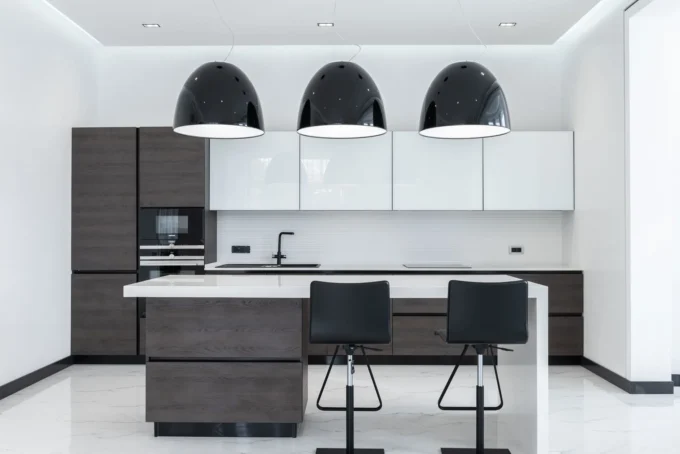




Innovative and Stylish Creative Container Home Interior Design Ideas
Explore innovative container home interior designs that blend sustainability with modern style....
Muhammad Abdullatef - Tifa Studio8 Mins read
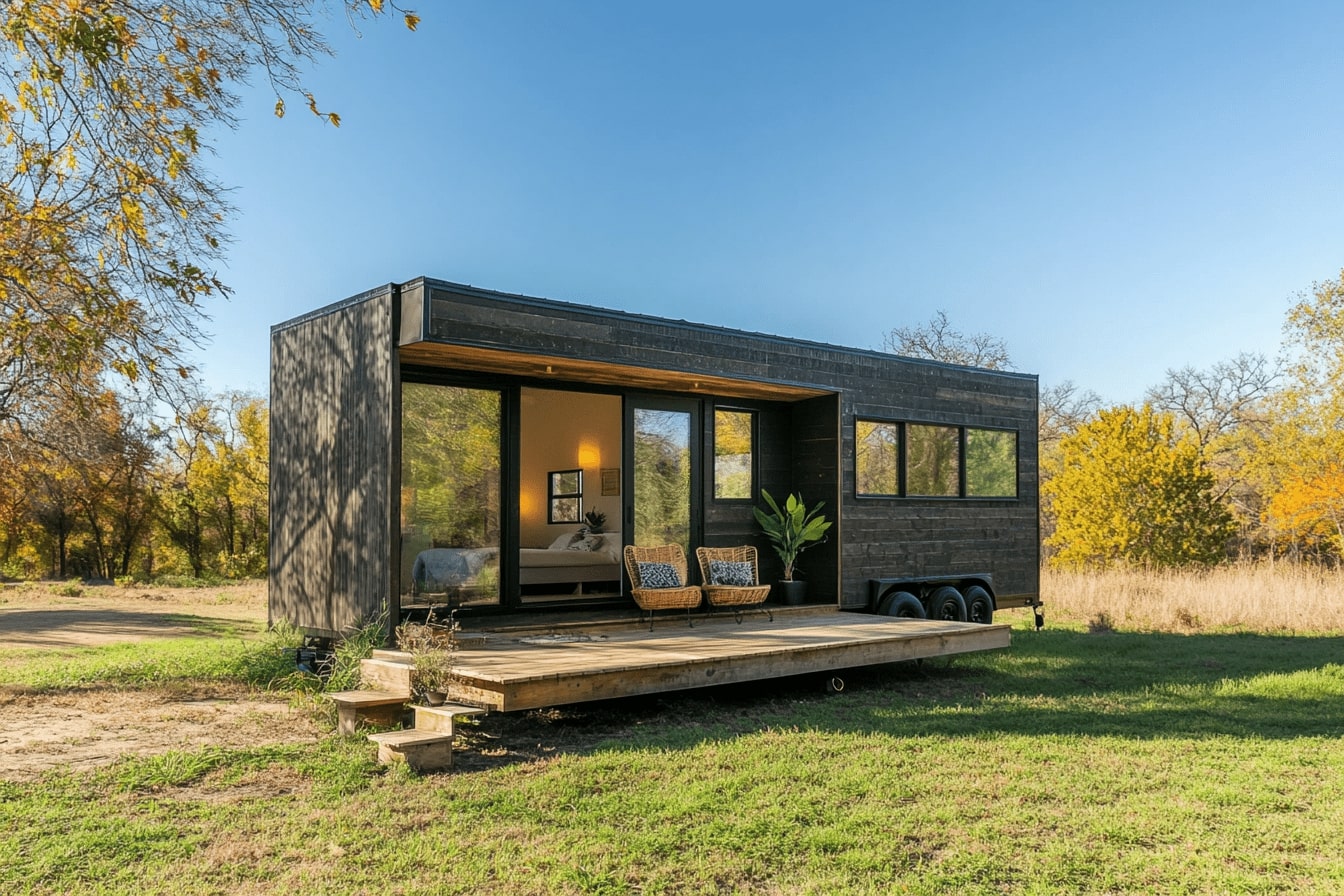
10 Budget Friendly Container Home Building Tips for Affordable Living
Discover budget-friendly tips for building container homes, focusing on cost reduction, sustainable...
Muhammad Abdullatef - Tifa Studio12 Mins read

Building a House with Shipping Containers: Affordable, Sustainable, and Stylish Living Solutions
Discover the trend of building homes with shipping containers—affordable, eco-friendly, and customizable...
 Sinan Ozen5 Mins read

The Cost-Saving Benefits of Using Storage Containers in Construction
Using repurposed shipping containers in construction provides significant cost savings through lower...
Sinan Ozen2 Mins read


This article gives some useful information about container homes. It seems like there are many rules to follow. I hope it’s not too complicated for people who want to build one.
I found this post interesting. Container homes look like a good option for housing, but I wonder if it’s hard to get all the permits needed.
This article gives a lot of information about container homes. It seems like there are many rules to follow, which can be confusing. I didn’t know some places have strict laws for these types of houses.
This article gives some basic information about container homes. It talks about the laws and permits needed to build one. It seems like a lot of work to figure everything out.