

Innovative and Stylish Creative Container Home Interior Design Ideas
Explore innovative container home interior designs that blend sustainability with modern style. From compact living solutions and multi-functional furniture to artistic wall treatments, lighting strategies, and budget-friendly upgrades—discover how to transform a shipping container into a personalized, functional living space.
 Muhammad Abdullatef - Tifa Studio9 November 20258 Mins read506
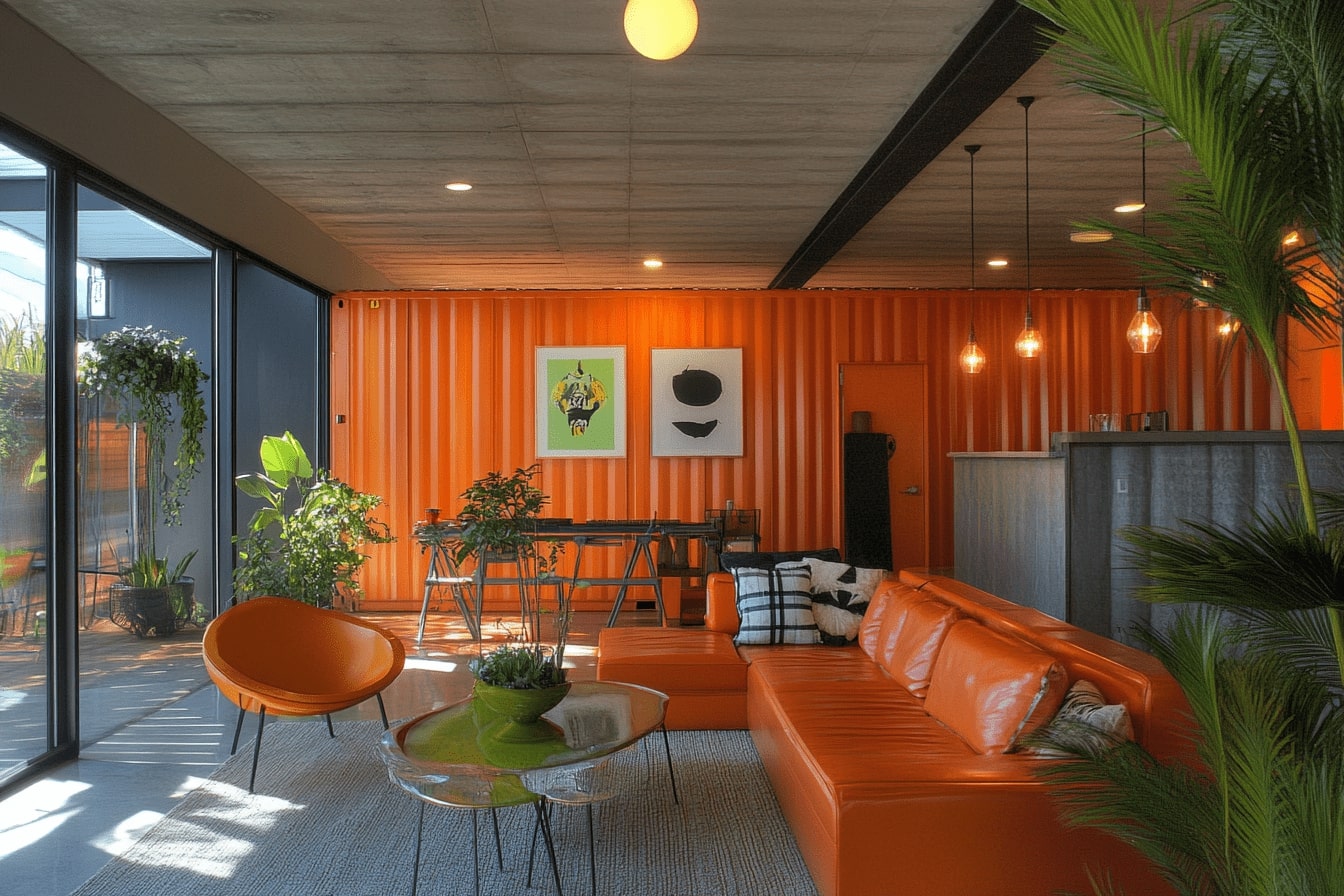
Table of Contents Show
Container home interior designs have redefined sustainable living, offering a remarkable fusion of modern aesthetics, eco-consciousness, and innovative space planning. But the real magic happens inside these repurposed steel structures, where creativity knows no bounds. From minimalist chic to cozy rustic, the interior design shipping container homes offer is endlessly inspiring—and the possibilities keep expanding as architects and homeowners push the boundaries of what these compact spaces can achieve.
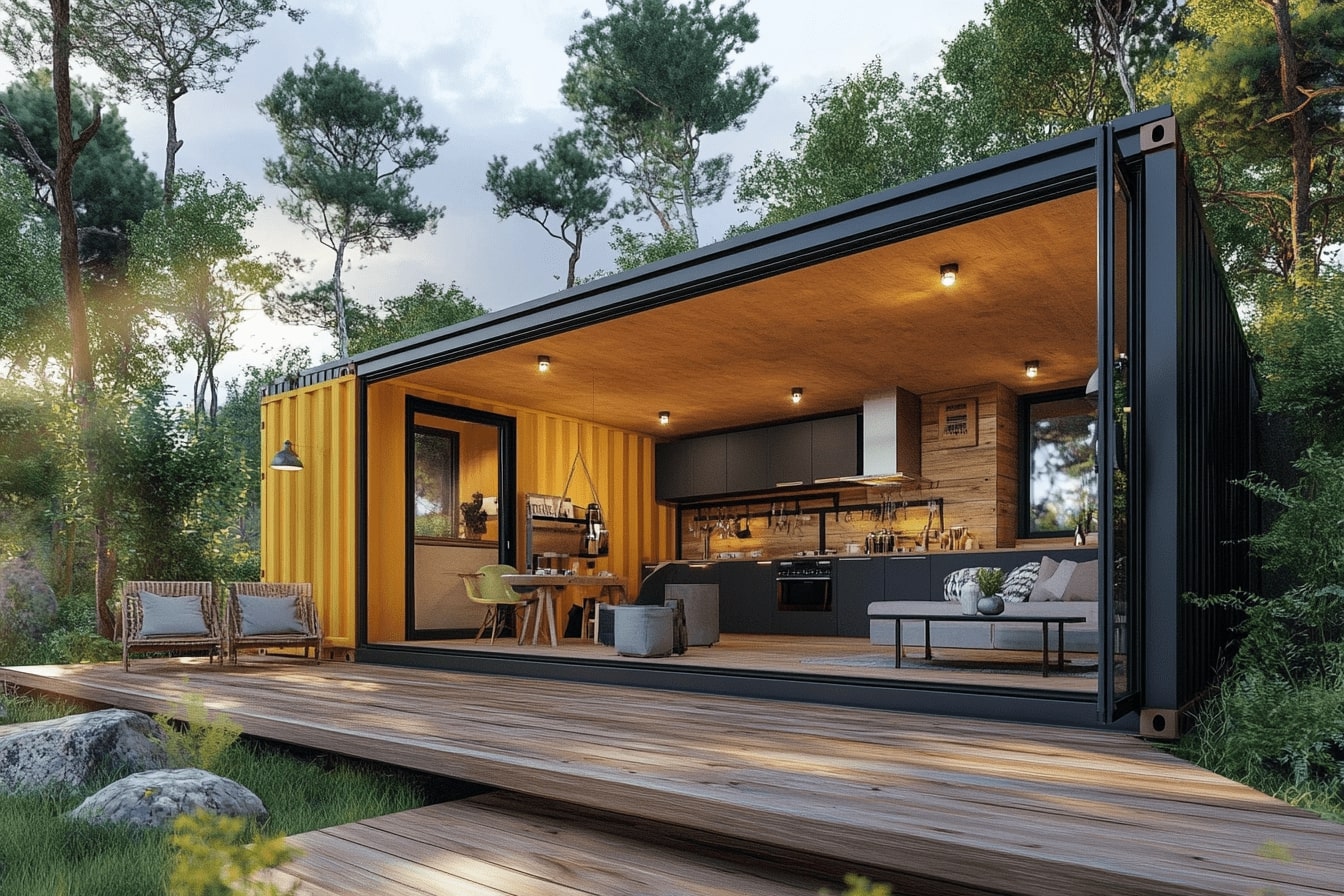
We can transform these steel boxes into stunning living spaces that reflect our personal style and ingenuity. Whether we’re working with a single container or a multi-unit layout, clever container home design ideas can maximize space, enhance functionality, and create an inviting atmosphere. Let’s explore some innovative interior design concepts that can turn any shipping container home interior design vision into a stylish sanctuary.

Utilizing Space Efficiently in Container Home Interior Designs
Making the most of limited space in a container home is essential. Smart design choices can transform small areas into functional, comfortable, and stylish living spaces. According to the standard intermodal container dimensions, a 40-foot shipping container provides roughly 320 square feet of floor area—making every design decision count.
Compact Living Solutions
Maximizing every square inch can significantly enhance comfort and functionality. Built-in storage solutions, such as under-the-stairs drawers and wall-mounted shelves, save space while providing ample storage. Vertical storage also utilizes otherwise wasted areas, keeping the floor area open and uncluttered. Fold-out tables and retractable beds are practical for combining living and sleeping areas without sacrificing space. If you’re building from scratch, our step-by-step guide to building your own container home covers layout planning in detail.
Multi-Functional Furniture
Using furniture with multiple purposes enhances flexibility and utility in any shipping container homes interior design scheme. Sofa beds and extendable dining tables adapt to different needs and occasions. A coffee table with built-in storage or a desk that converts into a dining table maximizes functionality with minimal space consumption. These furniture pieces not only serve primary functions but also add value by offering additional storage and use options.
Open-Plan Layouts for Container Homes
One of the most effective container building ideas for maximizing perceived space is the open-plan layout. By removing unnecessary interior partitions, a single shipping container can feel significantly more spacious. Combining the kitchen, dining, and living areas into one flowing space creates a sense of openness while maintaining full functionality. Using visual dividers—such as half-walls, bookshelves, or changes in flooring material—helps define zones without closing off the space. Explore more essential container home interior design tips to refine your open-plan approach.
Innovative Decorative Elements
Incorporating innovative decorative elements can add a unique touch to container home interiors. These elements blend creativity with functionality, turning industrial structures into warm, personalized spaces.
Upcycling and Repurposing Materials
Using upcycled and repurposed materials not only enhances aesthetic appeal but also promotes sustainability. We can transform old doors into headboards or convert wooden pallets into coffee tables. These creative touches make homes feel more personalized. Repurposed materials can be both cost-effective and eco-friendly, reducing waste and adding character to spaces. For homeowners committed to sustainability, our guide on crafting eco-friendly container homes dives deeper into green material sourcing.
Artistic Wall Treatments
Artistic wall treatments bring life and creativity to container home interiors. We can use geometric patterns, murals, or textured finishes to create focal points. For example, a mural depicting a natural landscape can enhance the sense of space in a small area. Textured wall panels can add depth and dimension. These treatments offer numerous possibilities for personalization, ensuring each home reflects individual style.
Embracing the Industrial Aesthetic
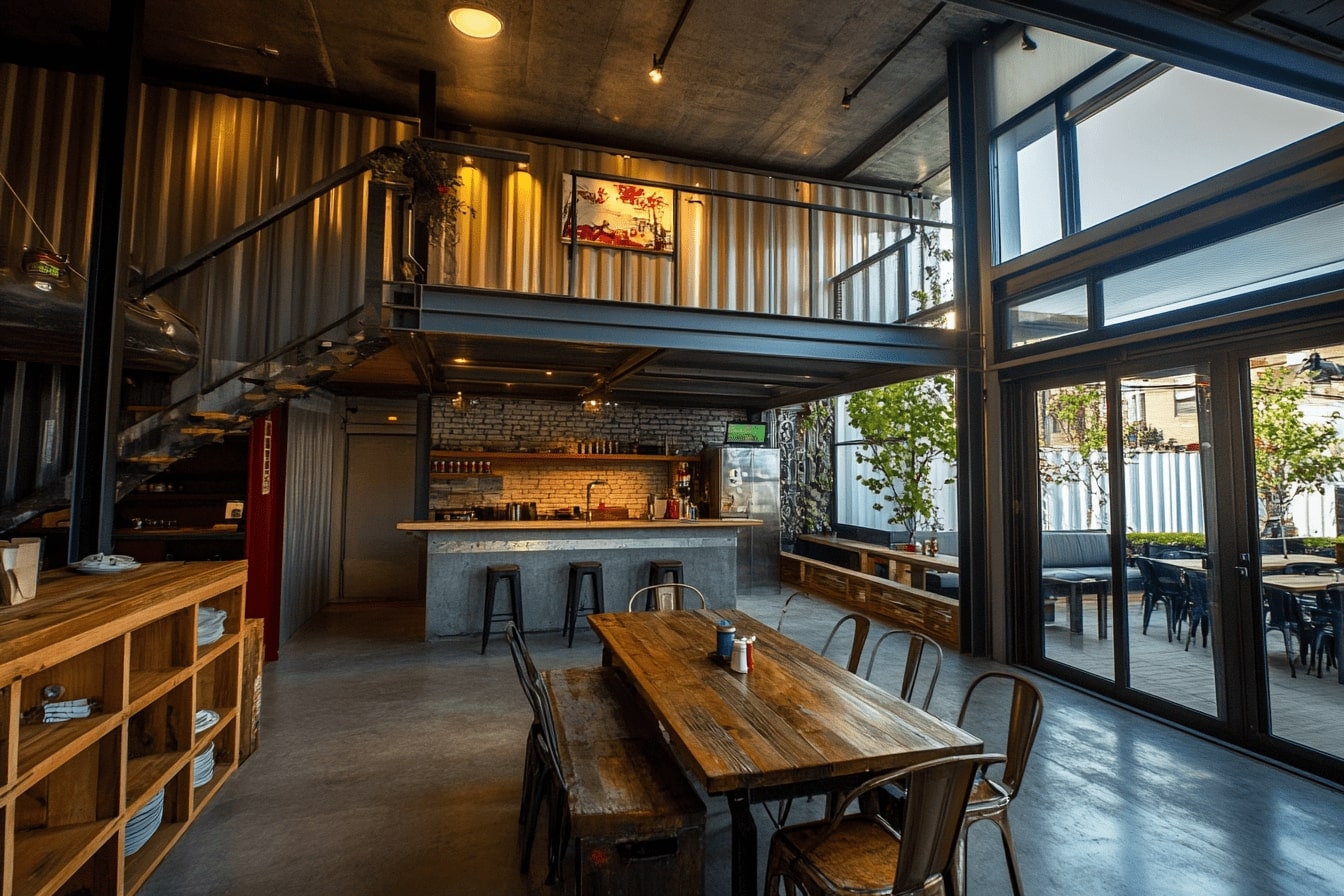
Many shipping container home interior design projects celebrate the raw, industrial character of the steel structure itself. Leaving sections of corrugated metal exposed—particularly on accent walls or ceilings—creates an authentic, contemporary look. Pairing exposed metal with warm materials like reclaimed wood, concrete countertops, and Edison-bulb lighting produces a balanced aesthetic that is both rugged and inviting. This approach embraces the container’s origins rather than hiding them, making the industrial character a core design feature.
Lighting Strategies for Shipping Container Homes
Lighting plays a critical role in enhancing the ambiance and functionality of container home interiors. Proper lighting choices can maximize space and elevate design aesthetics.
Natural Light Integration
Large Windows and Skylights
Install large windows and skylights to flood the interior with natural light. Floor-to-ceiling windows, for example, create an open and airy feel.
Glass Doors
Use glass doors for interior and exterior entries to allow light to flow between spaces. Sliding glass doors, for instance, connect indoor and outdoor areas seamlessly.
Reflective Surfaces
Incorporate reflective surfaces like mirrors and glossy finishes to amplify natural light. Place mirrors opposite windows to bounce light throughout the room.
Creative Artificial Lighting
Multi-Layered Lighting
Implement a multi-layered lighting strategy with ambient, task, and accent lighting. Use recessed ceiling lights for general illumination and under-cabinet lights for functional kitchen lighting.
Pendant Lights and Chandeliers
Install pendant lights and chandeliers to add a focal point and decorative touch. Place in dining areas or above kitchen islands for an enhanced aesthetic.
LED Strip Lighting
Utilize LED strip lighting to highlight architectural features and add ambience. Install under shelves, around mirrors, or along baseboards for a modern touch.
Lighting can transform the look and feel of container homes, enhancing both functionality and design through strategic natural and artificial lighting choices.

Storage and Organization Hacks
Container homes offer unique storage challenges; integrating clever organization hacks maximizes space and usability. These container building ideas help keep compact interiors tidy without compromising on style.
Hidden Storage Solutions
Hidden storage options enhance space and maintain a clean look. Incorporating under-bed drawers offers a practical way to store linens, clothes, or shoes. Installing built-in benches with lift-top seats combines seating with hidden storage. These benches are ideal for entryways or dining areas, seamlessly blending functionality with style. Slide-out cabinets in kitchens increase accessible storage without cluttering counter space. Utilizing staircase steps as pull-out drawers is an inventive method to maximize vertical space.
Space-Saving Shelving Ideas
Space-saving shelving optimizes wall space for functional storage. Floating shelves minimize visual clutter and provide open storage for books, decor, or kitchenware. Vertical shelving units leverage ceiling height, offering ample storage without consuming floor area. Consider corner shelves to utilize often-overlooked corner spaces efficiently. Incorporating fold-down desks or tables within shelving units adds a workspace that tucks away when unused, preserving precious space in compact areas.
Kitchen and Bathroom Design for Container Homes
Kitchens and bathrooms present the biggest container home design ideas challenges due to plumbing requirements and limited square footage. In the kitchen, galley-style layouts work exceptionally well within the narrow dimensions of a shipping container, placing countertops and appliances along both long walls to create an efficient workflow. Compact, high-quality appliances—such as combination washer-dryers and slim refrigerators—preserve counter space while delivering full functionality.
For container home bathrooms, wet-room designs that eliminate the need for a separate shower enclosure can save significant space. Wall-hung toilets and floating vanities create visual openness at floor level, and large-format tiles with minimal grout lines make the room feel larger and are easy to maintain. Proper waterproofing and ventilation are critical in these steel-framed environments, so investing in quality materials upfront pays long-term dividends. Learn more about addressing legal requirements and building codes that may affect your plumbing and utility installations.
Personalizing Your Space
Personalizing our container home spaces allows individuality to shine through, transforming a prefabricated structure into a unique haven. We can use multiple strategies to make our space truly ours.
Unique Color Schemes
Selecting a unique color scheme can dramatically alter the atmosphere of a container home. We should consider using vibrant hues like teal, mustard yellow, or coral to create a lively environment. Alternatively, muted tones like sage green, blush pink, or soft grey can offer a calm and serene ambiance. Mixing bold colors with neutral shades for accent walls, furniture, and decor items helps balance the overall look. For more inspiration on container home ideas design, check out these 10 unique container home designs that showcase diverse color palettes and styles.
Custom DIY Projects
Custom DIY projects are a great way to imprint our personality onto our space. We can create personalized wall art using reclaimed wood, metal, or even old containers. Building custom furniture, like a unique coffee table or a custom-built bed frame, adds character. Constructing storage solutions tailored to our needs, such as a custom bookcase or multi-functional bench seating, maximizes functionality while enhancing design.
Insulation and Climate Control in Container Home Interiors
No discussion of container home interior designs is complete without addressing insulation and climate control. Steel containers are highly conductive, meaning they can become uncomfortably hot in summer and cold in winter without proper insulation. The three most common insulation methods—spray foam, rigid foam board, and blanket insulation—each offer different advantages in terms of cost, R-value, and installation ease. Spray foam insulation, for instance, creates an airtight seal and maximizes usable interior space since it can be applied directly to the corrugated walls.
Beyond insulation, consider incorporating passive design strategies such as cross-ventilation, overhanging eaves, and reflective exterior coatings to reduce energy consumption. Mini-split HVAC systems are particularly well-suited for shipping container homes because they are compact, energy-efficient, and do not require ductwork. For a comprehensive overview of insulation and climate considerations, see our article on how to transform your container home interior.
Budget-Friendly Container Home Interior Design Ideas
You don’t need a massive budget to achieve stunning container home interior designs. Start by focusing on high-impact, low-cost changes: a fresh coat of paint in a light, neutral palette can make a compact space feel twice its size. Thrift stores, salvage yards, and online marketplaces are excellent sources for unique furniture and décor at a fraction of retail cost. Peel-and-stick backsplash tiles, removable wallpaper, and DIY concrete countertops offer designer-quality finishes without the price tag. For more cost-saving strategies, explore our budget-friendly container home building tips.
What Colours and Materials Work Best for Container Interiors?
Inside a container home, colour and material choices shape how the narrow space feels. Light, neutral palettes make a compact interior feel larger and brighter, while a few bold accents add character without crowding the eye. For materials, moisture-resistant finishes, warm timber and durable, lightweight panels work well against the steel shell. Coordinating a simple, consistent scheme across the whole home keeps small spaces feeling calm rather than cluttered.
Conclusion
Creative container home interior design is about blending functionality with personal style. We’ve explored sustainable living through innovative design concepts, efficient space use, and smart storage solutions. By incorporating built-in storage, multi-functional furniture, and unique decorative elements, we’ve shown how to maximize space while reflecting individual personality.
We highlighted the use of upcycled materials and artistic wall treatments to create a distinct living environment. Lighting strategies play a crucial role in ensuring both functionality and aesthetics in container homes. We’ve also delved into personalizing spaces with unique color schemes and custom DIY projects, as well as practical considerations like kitchen and bathroom layouts, insulation, and budget-friendly approaches.
Container homes offer an exciting canvas for creativity and sustainable living. Whether you’re exploring container building ideas for a single-unit retreat or a multi-container family home, embracing these shipping container home interior design ideas can transform any container home into a stylish, functional, and personalized living space.
Helpful Resources and Tools
- container homes
- Light-colored flooring
- custom-designed desk mats
- FSC (Forest Stewardship Council)
- affordable container home decoration
- chic container home ideas
- container home decorating tips
- container home interior design
- container home renovation ideas
- creative container home ideas
- eco-friendly container home design
- interior design shipping container homes
- small space container home design
- stylish container home decor


2 Comments





Container Home in the USA: Legal Requirements & Build Guide
From modern container houses to expandable and collapsible models, building a container...
Muhammad Abdullatef - Tifa Studio17 Mins read
10 Budget Friendly Container Home Building Tips for Affordable Living
Discover budget-friendly tips for building container homes, focusing on cost reduction, sustainable...
Muhammad Abdullatef - Tifa Studio12 Mins read

Building a House with Shipping Containers: Affordable, Sustainable, and Stylish Living Solutions
Discover the trend of building homes with shipping containers—affordable, eco-friendly, and customizable...
 Sinan Ozen5 Mins read

The Cost-Saving Benefits of Using Storage Containers in Construction
Table of Contents Show 1. Lower Initial and Setup Costs2. Reduced Material...
Sinan Ozen2 Mins read


This article talks a lot about container homes and how they can look nice. I think it’s interesting but I’m not sure if I would want to live in one.
The ideas in this post are creative. Using containers for homes seems like a new thing, but I don’t know if it’s for everyone.